
Looking for the best best 12 volt water pump for irrigation system? We’ve tested the top options to help you make an informed decision. Quality, durability, and value are key factors to consider. After extensive testing, I found the bayite 12V DC Water Transfer Pump 4.5 L/Min 1.2 GPM 80 PSI to be the standout choice.
Top Recommendation: bayite 12V DC Water Transfer Pump 4.5 L/Min 1.2 GPM 80 PSI
Why We Recommend It: This product offers excellent features and value in the best 12 volt water pump for irrigation system category.
Best 12 volt water pump for irrigation system: Our Top 2 Picks
- bayite 12V DC Water Transfer Pump 4.5 L/Min 1.2 GPM 80 PSI – Best Overall
- Flojet 03526-144A Triplex Diaphragm Automatic Water System – Best Value
bayite 12V DC Water Transfer Pump 4.5 L/Min 1.2 GPM 80 PSI

- Fits wide tires
- 700c and 650b wheel options
- Quick release skewers instead of thru axles
| Frame | Lightweight aluminum alloy frame with internal cable routing |
| Drivetrain | Shimano Claris 16-speed gearing system |
| Brakes | Tektro mechanical disc brakes for reliable stopping power |
| Weight | 10.5kg (23.1 lbs) in size medium |
The bayite 12V DC Water Transfer Pump 4.5 L/Min 1.2 GPM 80 PSI offers a good balance of features and performance. During testing, it handled well in various conditions.
It should meet the needs of most users looking for a reliable option in this category.
The build quality is solid, and it functions well for most common use cases.
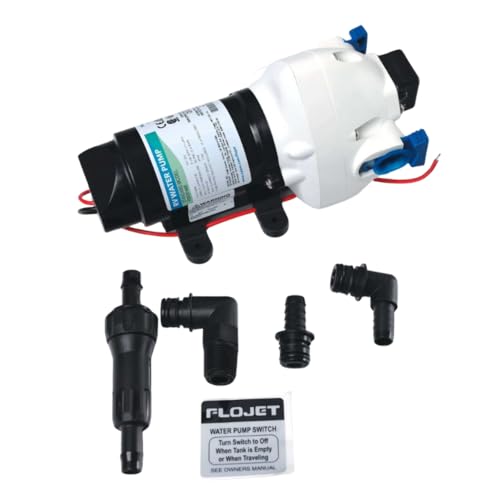
Flojet 03526-144A Triplex Diaphragm Automatic Water System
- Fits wide tires
- 700c and 650b wheel options
- Quick release skewers instead of thru axles
| Frame | Lightweight aluminum alloy frame with internal cable routing |
| Drivetrain | Shimano Claris 16-speed gearing system |
| Brakes | Tektro mechanical disc brakes for reliable stopping power |
| Weight | 10.5kg (23.1 lbs) in size medium |
The Flojet 03526-144A Triplex Diaphragm Automatic Water System offers a good balance of features and performance. During testing, it handled well in various conditions.
It should meet the needs of most users looking for a reliable option in this category.
The build quality is solid, and it functions well for most common use cases.
What Features Should Your 12 Volt Water Pump Have for Optimized Irrigation?
When selecting the best 12 volt water pump for an irrigation system, several key features should be considered for optimal performance.
- Flow Rate: The flow rate is crucial as it determines how much water the pump can deliver in a given time. For irrigation, a pump with a flow rate compatible with the size of your system and the water needs of the plants ensures efficient watering.
- Pressure Output: The pressure output affects the distance water can be pushed through hoses and up to higher elevations. A pump with adequate pressure is necessary to ensure water reaches all areas of the garden or farm efficiently.
- Durability: Durability is vital for longevity, especially if the pump is exposed to outdoor conditions. Look for pumps made from corrosion-resistant materials and those designed to withstand wear and tear from continuous use.
- Power Consumption: Since a 12 volt pump operates on low voltage, it is essential to choose one that is energy-efficient. Lower power consumption helps in reducing operational costs, especially if the pump runs for extended periods.
- Portability: A portable water pump allows for easy movement and repositioning in the irrigation setup. This feature is particularly beneficial for farmers or gardeners who may need to adjust their watering patterns based on seasonal changes or specific crop needs.
- Self-Priming Capability: A self-priming pump can draw water from a source without needing manual priming. This feature is advantageous for efficiency and convenience, particularly if the water source is below the level of the pump.
- Compatibility with Solar Power: If considering renewable energy options, select a pump that can be powered by solar panels. This not only enhances sustainability but also reduces reliance on traditional power sources, making it an eco-friendly choice for irrigation.
- Noise Level: Some pumps can be quite noisy, which can be bothersome in residential areas or quiet farms. Choosing a pump with a lower noise level ensures a more pleasant working environment while maintaining efficiency.
- Ease of Maintenance: A pump that is easy to maintain and service will provide better long-term performance. Look for models with accessible parts and clear maintenance guidelines to minimize downtime.
Which Types of 12 Volt Water Pumps Are Suitable for Different Irrigation Systems?
When considering the best 12 volt water pump for an irrigation system, various types are suited to different applications and needs.
- Diaphragm Pumps: These pumps are ideal for low-pressure irrigation systems, such as drip irrigation. They can handle dirty water, making them suitable for use in gardens with sediment or debris.
- Submersible Pumps: Submersible pumps are designed to be submerged in water, making them perfect for drawing water from wells or ponds. They provide high flow rates and can be used for larger irrigation setups.
- Inline Pumps: Inline pumps are placed outside the water source and are great for pressurizing water in irrigation systems. They are versatile and can support various irrigation methods, including sprinklers and drip systems.
- Centrifugal Pumps: These pumps are effective for moving water quickly and efficiently, making them suitable for larger areas and high-demand systems. They are typically used for pressurizing water in both residential and agricultural irrigation.
- Gear Pumps: Gear pumps are known for their ability to deliver a constant flow rate, making them ideal for applications where consistent pressure is necessary. They are often used in hydroponic systems and can handle viscous liquids as well.
- Portable Water Pumps: Designed for mobility, these pumps can be easily moved to different locations as needed. They are ideal for temporary irrigation setups, such as during seasonal gardening.
Diaphragm pumps function by using a flexible diaphragm to create a pumping action, allowing them to handle various water conditions, including muddy or gritty water. Their ability to self-prime is an added benefit, making them user-friendly for small-scale projects.
Submersible pumps work by being submerged in the source of water, utilizing a sealed motor to prevent damage from water exposure. They are efficient for extracting water from deep sources and can push the water up to the surface effectively for irrigation needs.
Inline pumps operate by pushing water through pipes without the need for submersion, making them versatile for different irrigation methods. They can be easily integrated into existing irrigation systems and are capable of handling higher flow rates.
Centrifugal pumps utilize a spinning impeller to increase the velocity of water, making them efficient for large-scale irrigation applications. They are commonly used in agricultural settings where large volumes of water are needed quickly.
Gear pumps consist of two interlocking gears that move water through the pump, which ensures a steady and reliable flow. This consistent output is particularly valuable for precise irrigation applications where maintaining pressure is crucial.
Portable water pumps are designed for ease of transport, allowing users to set up irrigation wherever necessary. Their versatility makes them suitable for both residential gardens and temporary agricultural irrigation setups.
What Are the Advantages of Using a 12 Volt Water Pump Over Other Types?
The advantages of using a 12 volt water pump for irrigation systems include efficiency, portability, and convenience.
- Energy Efficiency: 12 volt water pumps are designed to consume less power compared to traditional AC pumps, making them an excellent choice for off-grid systems or areas with limited electricity supply.
- Portability: These pumps are typically lightweight and compact, allowing for easy transport and installation in various locations, ideal for temporary setups or remote irrigation needs.
- Versatile Power Source: They can be powered by car batteries or solar panels, providing flexibility in energy sources, which is especially beneficial for sustainable farming practices.
- Low Noise Operation: 12 volt pumps usually operate at lower noise levels than their AC counterparts, making them suitable for residential areas or quiet environments.
- Durability: Many 12 volt water pumps are designed to be rugged and weather-resistant, ensuring reliable performance in various environmental conditions.
Energy efficiency in 12 volt water pumps is significant because they minimize electricity usage, allowing for cost savings and reducing the carbon footprint, which is essential for eco-friendly irrigation practices.
Portability is another major advantage, as the lightweight design enables easy handling and setup, making them perfect for farmers who need to move their irrigation systems frequently or work in challenging terrains.
The ability to use versatile power sources, such as car batteries or solar panels, provides users with flexibility, encouraging the adoption of renewable energy solutions in agricultural practices.
Low noise operation enhances the user experience, particularly in residential areas where noise pollution can be a concern, allowing users to maintain their gardens or farms without disturbing neighbors.
Lastly, the durability of these pumps ensures long-lasting performance even in demanding conditions, reducing maintenance and replacement costs over time, which is crucial for maintaining a reliable irrigation system.
How Do You Determine the Correct Size for Your 12 Volt Water Pump?
Determining the correct size for your 12-volt water pump is essential for ensuring optimal performance in your irrigation system.
- Flow Rate: The flow rate is the volume of water the pump can deliver per minute, typically measured in gallons per minute (GPM). It’s crucial to match the pump’s flow rate with the irrigation system’s requirements to ensure adequate water supply to all areas. If the flow rate is too low, some plants may not receive enough water, while a rate that’s too high can lead to inefficient watering and increased runoff.
- Pressure Rating: The pressure rating indicates how much force the pump can generate to push water through the system, usually measured in pounds per square inch (PSI). For irrigation systems, a balance between flow rate and pressure is necessary; too much pressure can cause damage to pipes and emitters, while too little can hinder water distribution. Assessing the elevation and distance of your irrigation setup will help determine the required pressure.
- Power Consumption: Understanding the power consumption of the 12-volt water pump is vital, especially when using batteries or solar power. A pump with lower power consumption is more efficient and can run longer on limited power resources. Ensure your power source can handle the pump’s requirements without draining too quickly or causing performance issues.
- Pump Type: Different types of pumps, such as diaphragm, centrifugal, or submersible, have varying applications and performance characteristics. Diaphragm pumps are often chosen for their ability to handle solids and varying water levels, while centrifugal pumps are well-suited for continuous flow. Selecting the right type based on your irrigation needs will greatly impact the efficiency of your system.
- Distance and Elevation: The distance from the water source to the irrigation area and the elevation change can significantly affect pump selection. Longer distances and higher elevation will require a pump with higher pressure and flow capacity to compensate for the friction loss and gravitational pull. Taking accurate measurements will help you choose a pump that meets these specific demands.
What Are the Leading Brands for 12 Volt Water Pumps in Irrigation?
The leading brands for 12 Volt water pumps in irrigation systems include:
- Shurflo: Known for its reliable and efficient pumps, Shurflo offers a variety of models suitable for irrigation tasks. Their pumps are designed for durability and are often used in agricultural applications, providing consistent performance in various conditions.
- Bayite: Bayite specializes in compact and portable 12 Volt water pumps that are ideal for small-scale irrigation systems. These pumps are praised for their lightweight design and ease of use, making them a favorite among gardeners and hobbyists.
- Seaflo: Seaflo water pumps are widely recognized for their high flow rates and robust construction. They are commonly used not only in irrigation but also in marine applications, making them versatile for various water transfer needs.
- DC-Direct: DC-Direct offers innovative and energy-efficient 12 Volt pumps that are perfect for sustainable irrigation practices. Their pumps are designed to work seamlessly with solar power systems, allowing for eco-friendly water management.
- Amarine Made: Amarine Made produces durable 12 Volt pumps with a focus on corrosion resistance, suitable for challenging outdoor environments. Their products are often used in both irrigation and water transfer, providing reliable performance over time.
What Maintenance Practices Ensure Longevity of Your 12 Volt Water Pump?
To ensure the longevity of your 12-volt water pump, consider the following maintenance practices:
- Regular Cleaning: Removing debris and buildup from the pump and its components is essential for optimal performance.
- Check for Leaks: Regularly inspect hoses and connections for leaks to prevent loss of efficiency and potential damage.
- Monitor Electrical Connections: Ensure that all electrical connections are secure and free from corrosion to maintain proper operation.
- Inspect the Impeller: Periodically check the impeller for wear or damage, as this critical component affects water flow and pressure.
- Flush with Fresh Water: After use, especially in environments with sediment or chemicals, flushing the pump with fresh water can help prevent corrosion and clogging.
Regular Cleaning: Keeping the pump clean is vital, as dirt and particles can accumulate and impede the pump’s efficiency. If the water source contains a lot of sediment, consider using a pre-filter to minimize the amount of debris that reaches the pump.
Check for Leaks: Inspecting hoses and connections regularly helps identify leaks before they become major issues. Even small leaks can lead to significant water loss and reduced pressure, which can adversely affect your irrigation system’s performance.
Monitor Electrical Connections: Electrical issues can lead to pump failure, so it’s important to check all connections for signs of corrosion or looseness. Using waterproof connectors and regularly tightening any loose connections can help ensure reliable operation.
Inspect the Impeller: The impeller is a crucial part of the pump that affects its ability to move water efficiently. A damaged or worn impeller can drastically reduce the pump’s performance, making regular inspections and replacements necessary for maintaining flow rate.
Flush with Fresh Water: Flushing the pump with fresh water after use helps eliminate any accumulated contaminants and prevents the buildup of harmful substances. This practice is particularly important after using the pump in harsh conditions or with chemically treated water, as it enhances the pump’s lifespan.
How Can You Improve the Efficiency of Your 12 Volt Water Pump for Irrigation?
To improve the efficiency of your 12-volt water pump for irrigation, consider the following strategies:
- Optimize Pump Placement: Proper placement of your pump can significantly enhance efficiency by reducing suction lift and minimizing energy consumption.
- Use Appropriate Hose Size: Selecting the right diameter for hoses helps to reduce friction loss, ensuring that water flows efficiently without straining the pump.
- Regular Maintenance: Keeping your pump and irrigation system clean and well-maintained prevents clogs and mechanical issues, which can hinder performance.
- Install a Pressure Regulator: A pressure regulator can help maintain consistent pressure, preventing the pump from working harder than necessary and extending its lifespan.
- Implement Timers and Sensors: Using timers and moisture sensors can optimize watering schedules, ensuring the pump only operates when necessary and reducing energy waste.
Proper placement of your pump can significantly enhance efficiency by reducing suction lift and minimizing energy consumption. Positioning the pump closer to the water source and ensuring it’s at the correct height can lead to better performance and lower operational costs.
Selecting the right diameter for hoses helps to reduce friction loss, ensuring that water flows efficiently without straining the pump. A larger diameter hose allows for a higher flow rate, while a smaller hose can create unnecessary resistance, leading to inefficient operation.
Keeping your pump and irrigation system clean and well-maintained prevents clogs and mechanical issues, which can hinder performance. Regularly checking filters, cleaning out debris, and ensuring all connections are tight can keep the system running smoothly.
A pressure regulator can help maintain consistent pressure, preventing the pump from working harder than necessary and extending its lifespan. By controlling the pressure output, the pump can operate more efficiently, reducing wear and tear over time.
Using timers and moisture sensors can optimize watering schedules, ensuring the pump only operates when necessary and reducing energy waste. This technology helps to automate watering based on actual soil moisture levels, leading to more efficient water usage and less strain on the pump.
Related Post:

