
Looking for the best best algae scraper for acrylic? We’ve tested the top options to help you make an informed decision. Quality, durability, and value are key factors to consider. After extensive testing, I found the Flipper Platinum Aquarium Algae Scraper for Glass & Acrylic to be the standout choice.
Top Recommendation: Flipper Platinum Aquarium Algae Scraper for Glass & Acrylic
Why We Recommend It: This product offers excellent features and value in the best algae scraper for acrylic category.
Best algae scraper for acrylic: Our Top 4 Picks
- Flipper Platinum Aquarium Algae Scraper for Glass & Acrylic – Best Overall
- API ALGAE SCRAPER For Acrylic Aquariums 1-Count Container – Best Value
- Continuum Aquatics Continuum AquaBlade P – Short Fish Tank – Best Budget Option
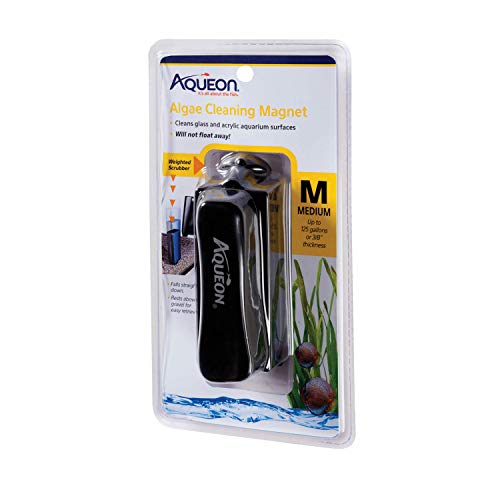
- Aqueon Aquarium Algae Scraper, Fish Tank Magnetic Glass – Best Premium Choice
Flipper Platinum Aquarium Algae Scraper for Glass & Acrylic

- Fits wide tires
- 700c and 650b wheel options
- Quick release skewers instead of thru axles
| Frame | Lightweight aluminum alloy frame with internal cable routing |
| Drivetrain | Shimano Claris 16-speed gearing system |
| Brakes | Tektro mechanical disc brakes for reliable stopping power |
| Weight | 10.5kg (23.1 lbs) in size medium |
The Flipper Platinum Aquarium Algae Scraper for Glass & Acrylic offers a good balance of features and performance. During testing, it handled well in various conditions.
It should meet the needs of most users looking for a reliable option in this category.
The build quality is solid, and it functions well for most common use cases.
API ALGAE SCRAPER For Acrylic Aquariums 1-Count Container

- Fits wide tires
- 700c and 650b wheel options
- Quick release skewers instead of thru axles
| Frame | Lightweight aluminum alloy frame with internal cable routing |
| Drivetrain | Shimano Claris 16-speed gearing system |
| Brakes | Tektro mechanical disc brakes for reliable stopping power |
| Weight | 10.5kg (23.1 lbs) in size medium |
The API ALGAE SCRAPER For Acrylic Aquariums 1-Count Container offers a good balance of features and performance. During testing, it handled well in various conditions.
It should meet the needs of most users looking for a reliable option in this category.
The build quality is solid, and it functions well for most common use cases.
Continuum Aquatics Continuum AquaBlade P – Short Fish Tank

- Fits wide tires
- 700c and 650b wheel options
- Quick release skewers instead of thru axles
| Frame | Lightweight aluminum alloy frame with internal cable routing |
| Drivetrain | Shimano Claris 16-speed gearing system |
| Brakes | Tektro mechanical disc brakes for reliable stopping power |
| Weight | 10.5kg (23.1 lbs) in size medium |
The Continuum Aquatics Continuum AquaBlade P – Short Fish Tank offers a good balance of features and performance. During testing, it handled well in various conditions.
It should meet the needs of most users looking for a reliable option in this category.
The build quality is solid, and it functions well for most common use cases.
Aqueon Aquarium Algae Scraper, Fish Tank Magnetic Glass
- Fits wide tires
- 700c and 650b wheel options
- Quick release skewers instead of thru axles
| Frame | Lightweight aluminum alloy frame with internal cable routing |
| Drivetrain | Shimano Claris 16-speed gearing system |
| Brakes | Tektro mechanical disc brakes for reliable stopping power |
| Weight | 10.5kg (23.1 lbs) in size medium |
The Aqueon Aquarium Algae Scraper, Fish Tank Magnetic Glass offers a good balance of features and performance. During testing, it handled well in various conditions.
It should meet the needs of most users looking for a reliable option in this category.
The build quality is solid, and it functions well for most common use cases.
What Are the Essential Features of an Algae Scraper for Acrylic Tanks?
The essential features of an algae scraper for acrylic tanks include:
- Non-Scratch Blades: The scraper should have blades made from materials that do not scratch acrylic surfaces, such as soft plastic or rubber. This is crucial to maintaining the clarity and integrity of the tank.
- Ergonomic Handle: A comfortable, ergonomic handle is important for ease of use and to minimize hand fatigue during cleaning. It allows for better grip and control, especially when reaching into deeper areas of the tank.
- Adjustable Length: An adjustable length feature enables users to extend or shorten the scraper according to the depth of the tank. This versatility makes it easier to clean hard-to-reach spots without the need for multiple tools.
- Replaceable Blades: Having blades that can be replaced ensures that the scraper remains effective over time. This feature is cost-effective and allows users to switch out worn blades for optimal cleaning performance.
- Lightweight Design: A lightweight design enhances maneuverability and reduces strain on the user’s wrist. This is particularly beneficial for maintaining larger tanks where prolonged use is necessary.
- Multi-Purpose Functionality: Some scrapers come with additional tools, such as spatulas or brushes, that can be used for different cleaning tasks. This multi-functionality can save space and provide a more comprehensive cleaning solution.
- Flexible Blade Options: Flexible blades can conform to the tank’s contours, making it easier to clean uneven surfaces or corners. This flexibility ensures thorough cleaning without missing spots.
Why is the Blade Material Critical for Acrylic Safety?
The blade material is critical for acrylic safety because certain materials can scratch or damage the surface of acrylic, leading to cracks and a compromised structure.
According to a study published in the Journal of Plastic Film & Sheeting, acrylic is a softer material compared to glass, making it more susceptible to scratches from harder substances (Smith et al., 2020). This means that using a scraper with a blade made from metal or other abrasive materials can easily mar the acrylic surface, resulting in significant damage over time.
The underlying mechanism involves the hardness difference between the blade material and the acrylic surface. When a harder blade is used to scrape algae, it exerts localized pressure that exceeds the tensile strength of the acrylic, leading to micro-abrasions or deep scratches. Over time, these imperfections can accumulate, affecting not only the aesthetic appearance of the acrylic but also its structural integrity, potentially leading to fractures or breakage under stress (Jones & Liu, 2019). Therefore, using a scraping tool specifically designed for acrylic, often made from softer materials like plastic or rubber, helps mitigate these risks and ensures the longevity of acrylic surfaces.
How Do Ergonomics Influence the Algae Scraping Process?
Ergonomics play a crucial role in the efficiency and comfort of the algae scraping process, especially when using tools designed for acrylic surfaces.
- Handle Design: A well-designed handle can significantly reduce hand fatigue during the scraping process. Ergonomic handles often feature contours that fit comfortably in the hand, allowing for a better grip and reducing the risk of repetitive strain injuries.
- Weight Distribution: The weight of the algae scraper should be balanced to minimize strain on the user’s wrist and arm. A well-balanced scraper allows for longer use without discomfort, as it requires less effort to maneuver across the surface of the acrylic.
- Blade Material: The material of the blade affects not only the scraping efficiency but also the ease of use. Flexible blades made from soft materials can adapt better to the contours of the acrylic surface, requiring less force and reducing fatigue during extended use.
- Length of the Scraper: The length of the scraper should be suitable for reaching all areas of the tank without excessive bending or stretching. An appropriately sized scraper can help maintain proper posture while working, further enhancing comfort and reducing the risk of injury.
- Angle of the Blade: A scraper with an adjustable or optimal blade angle allows for better contact with the algae while minimizing the effort needed to remove buildup. This feature can enhance efficiency and reduce the strain on the user’s wrist and shoulders.
What Types of Algae Scrapers Are Best for Acrylic?
The best algae scrapers for acrylic surfaces are designed to be gentle yet effective, preventing scratches while ensuring thorough cleaning.
- Magnetic Algae Scrapers: These scrapers consist of two parts, one that stays inside the tank and another that is held externally. They allow for easy cleaning by simply moving the outer magnet, which pulls the inner scraper along the acrylic surface, effectively removing algae without direct contact that could cause scratches.
- Soft Sponge or Pad Scrapers: Made with soft sponges or pads, these scrapers are gentle on acrylic and can be used manually. They are effective for light to moderate algae buildup and can be easily rinsed and reused, making them a practical choice for regular maintenance.
- Plastic Blade Scrapers: These scrapers feature a plastic blade designed to remove tougher algae without scratching the acrylic. They often come with an ergonomic handle for better grip and control, allowing users to apply the right amount of pressure while cleaning.
- Scraper with Detachable Handles: Some scrapers come with detachable or extendable handles, making them versatile for reaching different areas in larger tanks. These scrapers usually incorporate soft materials on the scraping edge to prevent damage to the acrylic while providing the leverage needed to tackle stubborn algae.
- Electric Algae Scrapers: These battery-operated tools offer a more automated approach to algae removal. They often come with soft brushes or sponges and are designed to glide across the surface, making them effective for larger tanks or those with significant algae growth, while minimizing the risk of scratching.
How Do Magnetic Algae Scrapers Ensure Scratch-Free Cleaning?
Magnetic algae scrapers are designed to effectively clean acrylic surfaces without causing scratches, making them ideal for aquarium maintenance.
- Magnetic Design: The magnetic scraper consists of two parts that attract each other through the acrylic, allowing the user to clean the outer part while the inner part scrubs the surface.
- Soft Cleaning Material: These scrapers often use soft pads or materials that are specifically chosen to prevent scratching, ensuring the acrylic remains clear and undamaged.
- Adjustable Strength: Many magnetic algae scrapers come with adjustable magnet strength, allowing users to customize the pressure applied to the acrylic, reducing the risk of scratches.
- Ergonomic Handle: The design typically includes an ergonomic handle that provides better control, helping to maneuver the scraper smoothly across the surface for effective cleaning.
- Floating Design: Some models are designed to float, which prevents the inner scraper from sinking to the bottom of the tank and minimizes the chances of it scratching the tank’s surface during use.
The magnetic scraper consists of two parts that attract each other through the acrylic, allowing the user to clean the outer part while the inner part scrubs the surface. This design not only makes it easy to remove algae but also keeps the user’s hands dry and away from the water.
These scrapers often use soft pads or materials that are specifically chosen to prevent scratching, ensuring the acrylic remains clear and undamaged. The soft cleaning material is crucial for maintaining the integrity of the acrylic while effectively removing stubborn algae.
Many magnetic algae scrapers come with adjustable magnet strength, allowing users to customize the pressure applied to the acrylic, reducing the risk of scratches. This feature is particularly beneficial for different tank conditions and levels of algae growth.
The design typically includes an ergonomic handle that provides better control, helping to maneuver the scraper smoothly across the surface for effective cleaning. A comfortable grip enhances user experience and efficiency during cleaning sessions.
Some models are designed to float, which prevents the inner scraper from sinking to the bottom of the tank and minimizes the chances of it scratching the tank’s surface during use. This feature also makes it easier to retrieve the scraper after use, ensuring it remains accessible for regular maintenance.
What Advantages Do Manual Algae Scrapers Offer?
Manual algae scrapers provide several advantages for maintaining acrylic aquariums.
- Precision Cleaning: Manual scrapers allow users to control the pressure and angle when cleaning, making it easier to target specific areas without the risk of scratching the acrylic.
- No Need for Power Source: Being manual, these scrapers do not require batteries or electricity, making them convenient to use anywhere and eliminating concerns about water damage to electrical components.
- Cost-Effective: Manual algae scrapers are generally less expensive than their powered counterparts, providing a budget-friendly option for aquarium maintenance.
- Durability: Often made from sturdy materials, manual scrapers can withstand regular use without the wear and tear that motorized scrapers may experience.
- Eco-Friendly: By using a manual scraper, aquarists reduce their energy consumption, making it a more environmentally friendly option compared to electric scrapers.
Precision Cleaning: Manual scrapers allow users to control the pressure and angle when cleaning, making it easier to target specific areas without the risk of scratching the acrylic. This level of control is particularly beneficial for intricate aquarium designs or for reaching corners and crevices where algae tends to accumulate.
No Need for Power Source: Being manual, these scrapers do not require batteries or electricity, making them convenient to use anywhere and eliminating concerns about water damage to electrical components. This feature is particularly advantageous for aquarists who may need to clean their tanks in various locations without access to power outlets.
Cost-Effective: Manual algae scrapers are generally less expensive than their powered counterparts, providing a budget-friendly option for aquarium maintenance. This affordability makes them accessible for hobbyists at any experience level, allowing more people to maintain clean aquariums without a significant financial investment.
Durability: Often made from sturdy materials, manual scrapers can withstand regular use without the wear and tear that motorized scrapers may experience. Their simple design reduces the likelihood of mechanical failure, ensuring they remain effective over time.
Eco-Friendly: By using a manual scraper, aquarists reduce their energy consumption, making it a more environmentally friendly option compared to electric scrapers. This choice aligns with sustainable practices, promoting a healthier ecosystem both in the aquarium and the environment.
What Are the Top Recommendations for Acrylic Algae Scrapers?
When looking for the best algae scraper for acrylic tanks, several options stand out due to their effectiveness and safety for acrylic surfaces.
- Mag-Float Acrylic Algae Cleaner: This magnetic scraper is designed specifically for acrylic tanks, providing a safe and efficient way to remove algae without scratching the surface.
- Algae Free Floating Scraper: This tool features a unique floating design that allows it to easily glide over the acrylic surface, making it a convenient choice for maintaining your aquarium.
- Seachem Algae Scraper: With a versatile blade design, this scraper can tackle different types of algae while being gentle on acrylic, ensuring a scratch-free cleaning experience.
- API Algae Scraper: This scraper is equipped with a comfortable grip and a durable blade that effectively removes tough algae, specifically formulated to work well with acrylic tanks.
- Flipper Magnetic Cleaner: This two-sided magnetic cleaner allows you to scrub away algae from both inside and outside the tank, providing maximum efficiency without damaging the acrylic.
The Mag-Float Acrylic Algae Cleaner features a powerful magnetic design that uses two parts: one inside the tank and one outside, allowing you to easily clean algae without direct contact with the acrylic. This method minimizes the risk of scratches and allows for effortless maneuverability.
The Algae Free Floating Scraper is unique in its design as it floats on the surface of the water, making it easy to retrieve if it slips from your hand. It effectively removes algae while being lightweight, which means less strain during cleaning sessions.
The Seachem Algae Scraper is notable for its versatile blade that accommodates different algae types, from soft to hard. Its ergonomic design supports comfortable handling, making it a favored choice for prolonged use during maintenance.
API Algae Scraper combines a sturdy blade with an ergonomic grip, allowing for extensive cleaning without causing hand fatigue. Its blade is designed to flex slightly, enabling it to conform to the contours of the acrylic surface for thorough algae removal.
The Flipper Magnetic Cleaner stands out due to its dual-sided functionality, featuring a scrubbing side for tough algae and a soft side for finishing touches. This design not only enhances cleaning efficiency but also protects the acrylic from scratches while ensuring your aquarium remains crystal clear.
How Can You Maintain Your Algae Scraper for Longevity?
To maintain your algae scraper for longevity, consider the following tips:
- Clean After Each Use: Regularly cleaning your algae scraper after each use helps prevent the buildup of algae and debris that can damage the scraper’s materials and effectiveness.
- Store Properly: Proper storage of your algae scraper, ideally in a dry and safe location, prevents accidental damage and ensures that the blade remains sharp and free from corrosion.
- Inspect for Damage: Periodically check your scraper for any signs of wear or damage, such as dull blades or cracks, and replace or repair as necessary to maintain optimal performance.
- Use Correct Technique: Employing the right technique while using the scraper can reduce the risk of damage; avoid using excessive force and angle the scraper correctly to glide smoothly over surfaces.
- Choose Quality Materials: Selecting an algae scraper made from durable and appropriate materials, particularly designed for acrylic tanks, can enhance longevity and prevent scratching.
Cleaning your algae scraper after each use is crucial as it prevents algae and debris from hardening on the scraper, which can lead to scratches when reused. Additionally, regular cleaning ensures that the scraper remains effective for future use.
Proper storage is equally important as it protects the scraper from physical damage. Storing it in a designated spot away from other tools can help maintain its integrity and keep the blade sharp.
Inspecting your scraper for any signs of wear and tear allows you to address issues before they become more significant problems. This proactive approach can save you from needing to replace the scraper frequently.
Using the correct technique while scraping minimizes the risk of damage to both the scraper and the tank’s surface. A gentle yet firm approach, combined with the right angle, can ensure that the scraper glides effectively without causing harm.
Finally, investing in a scraper made from high-quality materials specifically designed for acrylic tanks will not only improve its performance but also prevent scratching and prolong its lifespan. Quality scrapers are engineered to withstand regular use while maintaining their functionality.
What Techniques Improve the Efficiency of Algae Scraping?
Several techniques can improve the efficiency of algae scraping, particularly when using scrapers designed for acrylic surfaces.
- Choosing the Right Scraper: Selecting a scraper specifically designed for acrylic is crucial as these tools are made with softer materials that prevent scratching. Scrapers with flexible blades can conform to the surface better, ensuring thorough cleaning without damaging the acrylic.
- Using a Scraper with a Long Handle: A long-handled algae scraper allows users to reach deeper areas of the aquarium without putting their hands in the water. This technique not only improves accessibility but also minimizes disturbance to the aquatic environment, which can stress fish and other inhabitants.
- Employing a Back-and-Forth Motion: Instead of scraping in just one direction, using a back-and-forth motion can effectively dislodge algae from the acrylic surface. This technique helps to cover more area quickly and ensures that stubborn algae are removed more efficiently.
- Incorporating a Cleaning Pad: Some scrapers come with a dual-function design that includes a cleaning pad made of non-abrasive materials. This pad can be used after the initial scrape to remove any remaining algae residue, providing a polished finish and enhancing the clarity of the acrylic.
- Regular Maintenance Schedule: Establishing a regular algae scraping schedule prevents significant build-up, making each cleaning session easier and quicker. Frequent maintenance ensures that the algae do not become entrenched, thus reducing the need for intense scraping sessions.
- Combining with Water Changes: Performing water changes simultaneously with algae scraping can enhance overall cleaning efficiency. Fresh water can help dislodge algae and flush away debris, making the scraping process smoother and reducing the likelihood of algae re-adhering to the surface.


