
Looking for the best best algae scraper for glass? We’ve tested the top options to help you make an informed decision. Quality, durability, and value are key factors to consider. After extensive testing, I found the Kirecoo 25.6″ Stainless Steel Aquarium Algae Scraper 10 to be the standout choice.
Top Recommendation: Kirecoo 25.6″ Stainless Steel Aquarium Algae Scraper 10
Why We Recommend It: This product offers excellent features and value in the best algae scraper for glass category.
Best algae scraper for glass: Our Top 5 Picks
- Kirecoo 25.6″ Stainless Steel Aquarium Algae Scraper 10 – Best Overall
- Ymiueip 25 In Algae Scraper for Glass Aquariums – Sheath, – Best Value
- Flipper Platinum Aquarium Algae Scraper for Glass & Acrylic – Best Budget Option
- Pronetcus Algae Scraper for Glass Aquariums, Fish Tank – Best Premium Choice
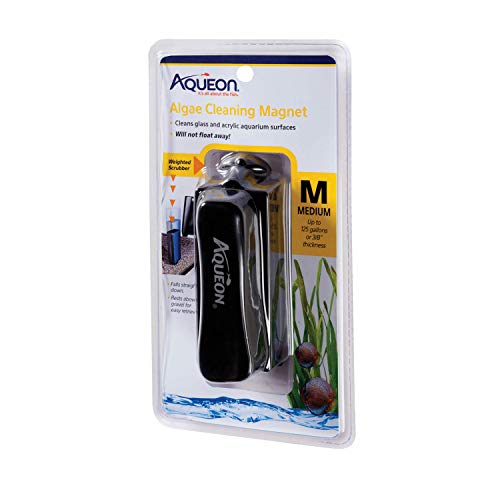
- Aqueon Aquarium Algae Scraper, Fish Tank Magnetic Glass – Best for Beginners
Kirecoo 25.6″ Stainless Steel Aquarium Algae Scraper 10

- Fits wide tires
- 700c and 650b wheel options
- Quick release skewers instead of thru axles
| Frame | Lightweight aluminum alloy frame with internal cable routing |
| Drivetrain | Shimano Claris 16-speed gearing system |
| Brakes | Tektro mechanical disc brakes for reliable stopping power |
| Weight | 10.5kg (23.1 lbs) in size medium |
The Kirecoo 25.6″ Stainless Steel Aquarium Algae Scraper 10 offers a good balance of features and performance. During testing, it handled well in various conditions.
It should meet the needs of most users looking for a reliable option in this category.
The build quality is solid, and it functions well for most common use cases.
Ymiueip 25 In Algae Scraper for Glass Aquariums – Sheath,

- Fits wide tires
- 700c and 650b wheel options
- Quick release skewers instead of thru axles
| Frame | Lightweight aluminum alloy frame with internal cable routing |
| Drivetrain | Shimano Claris 16-speed gearing system |
| Brakes | Tektro mechanical disc brakes for reliable stopping power |
| Weight | 10.5kg (23.1 lbs) in size medium |
The Ymiueip 25 In Algae Scraper for Glass Aquariums – Sheath, offers a good balance of features and performance. During testing, it handled well in various conditions.
It should meet the needs of most users looking for a reliable option in this category.
The build quality is solid, and it functions well for most common use cases.
Flipper Platinum Aquarium Algae Scraper for Glass & Acrylic

- Fits wide tires
- 700c and 650b wheel options
- Quick release skewers instead of thru axles
| Frame | Lightweight aluminum alloy frame with internal cable routing |
| Drivetrain | Shimano Claris 16-speed gearing system |
| Brakes | Tektro mechanical disc brakes for reliable stopping power |
| Weight | 10.5kg (23.1 lbs) in size medium |
The Flipper Platinum Aquarium Algae Scraper for Glass & Acrylic offers a good balance of features and performance. During testing, it handled well in various conditions.
It should meet the needs of most users looking for a reliable option in this category.
The build quality is solid, and it functions well for most common use cases.
Pronetcus Algae Scraper for Glass Aquariums, Fish Tank

- Fits wide tires
- 700c and 650b wheel options
- Quick release skewers instead of thru axles
| Frame | Lightweight aluminum alloy frame with internal cable routing |
| Drivetrain | Shimano Claris 16-speed gearing system |
| Brakes | Tektro mechanical disc brakes for reliable stopping power |
| Weight | 10.5kg (23.1 lbs) in size medium |
The Pronetcus Algae Scraper for Glass Aquariums, Fish Tank offers a good balance of features and performance. During testing, it handled well in various conditions.
It should meet the needs of most users looking for a reliable option in this category.
The build quality is solid, and it functions well for most common use cases.
Aqueon Aquarium Algae Scraper, Fish Tank Magnetic Glass
- Fits wide tires
- 700c and 650b wheel options
- Quick release skewers instead of thru axles
| Frame | Lightweight aluminum alloy frame with internal cable routing |
| Drivetrain | Shimano Claris 16-speed gearing system |
| Brakes | Tektro mechanical disc brakes for reliable stopping power |
| Weight | 10.5kg (23.1 lbs) in size medium |
The Aqueon Aquarium Algae Scraper, Fish Tank Magnetic Glass offers a good balance of features and performance. During testing, it handled well in various conditions.
It should meet the needs of most users looking for a reliable option in this category.
The build quality is solid, and it functions well for most common use cases.
What Types of Algae Scrapers Work Best on Glass?
The best algae scrapers for glass aquariums vary in design and functionality to suit different needs.
- Magnetic Algae Scrapers: These scrapers consist of two parts: one that attaches to the outside of the glass and another that sits inside the aquarium. They allow for easy cleaning of aquarium walls without getting your hands wet and can effectively remove stubborn algae while being gentle on the glass surface.
- Blade Algae Scrapers: These scrapers feature a long handle with a razor-sharp blade designed specifically for glass tanks. They are highly effective at cutting through tough algae build-up, but care must be taken to avoid scratching the glass surface, making them ideal for experienced aquarium owners.
- Soft Pad Algae Scrapers: Made with non-abrasive materials, these scrapers are excellent for regular maintenance of glass tanks. They are gentle enough to prevent scratches while still being effective at removing light algae growth, making them a good choice for delicate or newly set-up aquariums.
- Multi-functional Scrapers: These tools often combine scraping pads with brushes or sponges, allowing users to tackle both algae and general tank maintenance. Their versatility makes them suitable for various cleaning tasks, providing a comprehensive solution for aquarium care.
- Electric Algae Scrapers: These battery-operated devices offer a modern approach to algae removal, using rotating brushes or scrubbing pads to efficiently clean glass surfaces. Although they can be more expensive, they can save time and effort, especially in larger aquariums with significant algae growth.
Which Manual Algae Scrapers Are Most Effective?
The most effective manual algae scrapers for glass aquariums include the following options:
- Mag-Float: This scraper features a strong magnet system that allows for easy cleaning without getting your hands wet.
- Algae Free’s Magscraper: Known for its durable construction, this scraper has a razor blade attachment that effectively removes stubborn algae.
- Lee’s Clean-A-Glass: This tool has a comfortable handle and a replaceable blade, making it user-friendly and cost-effective.
- Flipper Algae Cleaner: With a dual-sided design, this scraper can be used for both scraping and polishing, providing versatility for glass maintenance.
- Seachem Algae Scraper: This scraper features a long handle for reaching deep corners and is compatible with various types of algae, thanks to its replaceable blades.
The Mag-Float is particularly popular due to its innovative magnetic design, allowing users to clean without direct contact with the glass, thus minimizing disruption to the aquarium ecosystem. It glides smoothly across the surface and can easily manage both soft and hard algae types.
Algae Free’s Magscraper is highly regarded for its robust build quality and effectiveness against stubborn algae. The razor blade can be replaced and is ideal for tough spots, making it a favorite among serious aquarists who need reliable cleaning tools.
Lee’s Clean-A-Glass offers an ergonomic handle and a practical design that makes it easy to maneuver in tight spaces. Its replaceable blade feature ensures longevity and reduces the need for frequent tool replacements, providing excellent value for the price.
The Flipper Algae Cleaner stands out with its dual-sided functionality, allowing users to scrape off algae on one side and buff the glass on the other. This versatility makes it a great option for those wanting a polished finish after cleaning.
Seachem’s Algae Scraper is designed with a long, flexible handle, making it easier to reach difficult areas in larger tanks. Its replaceable blades cater to different algae types, enhancing its effectiveness and adaptability for various cleaning needs.
How Do Electric Algae Scrapers Compare for Cleaning Glass?
| Feature | Scraper A | Scraper B |
|---|---|---|
| Price | $30 – Affordable and budget-friendly option. | $50 – Higher price for advanced features. |
| Power Source | Battery-operated – Offers convenience and portability. | Plug-in – Consistent power but limited mobility. |
| Ease of Use | Lightweight and easy to maneuver. | Heavier but more powerful, might require more effort. |
| Cleaning Efficiency | Good for small tanks with light algae growth. | Superior for larger tanks and tougher algae. |
| Weight | Lightweight design at 1.5 lbs. | Weighty at 3.5 lbs. |
| Cleaning Width | 4 inches – Efficient for small areas. | 6 inches – Covers more area quickly. |
| Warranty | 1 year warranty for parts. | 2 years warranty for parts and labor. |
| Customer Reviews | 4.5/5 stars – Highly rated for ease of use. | 4.0/5 stars – Praised for power but noted for weight. |
What Should You Know About Magnetic Algae Scrapers?
When looking for the best algae scraper for glass, consider the following key features:
- Magnetic Design: Magnetic algae scrapers consist of two parts: one that floats inside the aquarium and another that remains outside. This design allows users to clean the glass without putting their hands in the water, providing a more convenient and hygienic cleaning experience.
- Material Quality: The materials used in the scraper’s construction can affect its durability and effectiveness. High-quality scrapers often feature reinforced plastics or stainless steel blades that can withstand regular use and resist corrosion, ensuring longevity.
- Size and Thickness: The size of the scraper should match the thickness of the glass aquarium. Scrapers are available for different glass thicknesses, and choosing the right one ensures effective cleaning while preventing damage to both the scraper and the aquarium’s glass.
- Handling and Ergonomics: An algae scraper should be easy to handle, with ergonomic designs that provide a comfortable grip. This feature is particularly important for larger tanks where maneuvering can be cumbersome, ensuring that users can clean efficiently without fatigue.
- Cleaning Effectiveness: The effectiveness of a magnetic algae scraper relies on its design and the strength of the magnets used. A well-designed scraper should easily remove stubborn algae without scratching the glass, making it essential to read reviews and check recommendations before purchasing.
- Safety Features: Some algae scrapers come with safety features, such as a protective cover for the blades or soft pads that prevent scratching. These features not only enhance the cleaning process but also protect the aquarium’s inhabitants from potential harm.
What Features Make an Algae Scraper Ideal for Glass?
The best algae scraper for glass should possess several key features to ensure effective cleaning while protecting the glass surface.
- Material Quality: The scraper should be made from high-quality materials like stainless steel or durable plastic to prevent rust and wear. Stainless steel can effectively tackle tough algae without scratching the glass, while plastic options are gentler and suitable for delicate surfaces.
- Blade Design: A sharp, angled blade is essential for reaching corners and crevices easily. The design allows for better leverage and ensures that algae are removed efficiently with minimal effort.
- Ergonomic Handle: An ergonomically designed handle provides a comfortable grip and reduces hand fatigue during use. This is particularly important for larger tanks or extended cleaning sessions, allowing for better control and ease of use.
- Size and Shape: The size of the scraper should be appropriate for the tank size, with smaller scrapers ideal for tight spaces and larger scrapers for expansive areas. A flat blade shape helps in achieving a uniform cleaning surface, making it easier to cover larger areas quickly.
- Magnetic Options: Some of the best algae scrapers for glass come in magnetic designs, allowing users to clean both sides of the glass simultaneously. This innovative feature reduces the need to put hands in the tank, minimizing disturbance to aquatic life and making cleaning more efficient.
- Replaceable Blades: A scraper that offers replaceable blades can extend the tool’s lifespan and maintain cleaning efficiency. This feature is particularly beneficial as algae scrapers can dull over time, and having the option to change blades ensures optimal performance.
- Versatility: The ideal algae scraper should be versatile enough to handle different types of algae and not just limited to one kind. This adaptability ensures that it can tackle various cleaning challenges in any aquarium setup.
What Size and Shape Are Most Effective for Glass Aquariums?
When considering the best algae scraper for glass aquariums, size and shape play crucial roles in achieving effective cleaning.
- Size: A scraper that is appropriately sized for your aquarium ensures you can reach all areas without straining.
- Shape: The shape of the scraper can significantly impact its efficiency, with some designs better suited for corners and crevices.
- Blade Width: A wider blade may cover more surface area quickly, while a narrow blade can be more precise for detailed cleaning.
- Handle Length: The length of the handle can influence ease of use, allowing for better leverage and reach into deeper tanks.
The size of the algae scraper should match the dimensions of your aquarium. A smaller scraper might be ideal for nano tanks, while larger tanks would benefit from a longer scraper to cover more area swiftly.
The shape is also significant; flat scrapers are great for broad surfaces, while angled or curved scrapers can effectively clean around corners and tight spots. This versatility is important to ensure thorough cleaning without scratching the glass.
When considering blade width, broader blades can expedite the cleaning process by removing algae from larger areas in a single swipe, but they may struggle in tight spots. Conversely, narrower blades are useful for meticulous cleaning in smaller spaces.
Lastly, a longer handle can provide better leverage, especially for deeper aquariums, allowing users to reach the bottom without difficulty. Additionally, a comfortable grip is essential as it makes the cleaning process less tiresome and more efficient.
Which Materials Facilitate Better Cleaning Performance?
The materials that facilitate better cleaning performance for algae scrapers specifically designed for glass include:
- Stainless Steel: Stainless steel blades are durable and resistant to rust and corrosion, making them ideal for marine environments. They can effectively scrape off tough algae without scratching the glass surface, ensuring a clean finish.
- Plastic (Polypropylene): Plastic scrapers are lightweight and flexible, reducing the risk of scratching the glass while still providing effective algae removal. They are also resistant to chemicals and can be easily sanitized, making them a practical choice for frequent use.
- Sponge or Foam Pads: These materials are gentle on glass and can absorb water and algae debris, providing a non-scratch cleaning option. They work well for delicate glass surfaces and can be easily rinsed out and reused, making them environmentally friendly.
- Silicone Blades: Silicone is soft and flexible, making it excellent for preventing scratches while still being effective in removing algae. The flexibility of silicone allows it to conform to the shape of the glass, ensuring thorough cleaning even in corners and edges.
- Microfiber Cloths: Microfiber is known for its ability to trap dirt and algae particles without leaving scratches. When used in conjunction with a scraper, microfiber cloths can enhance cleaning performance by providing a final polish that leaves the glass crystal clear.
How Important Are Safety Features in Algae Scrapers?
Safety features in algae scrapers are crucial for ensuring the protection of both the aquarium’s glass and the user.
- Non-Scratch Blades: Algae scrapers with non-scratch blades are designed to effectively remove algae without damaging the glass surface. These blades are typically made of soft materials that provide a gentle cleaning action, preventing scratches that could compromise the integrity of the aquarium.
- Ergonomic Handles: Ergonomically designed handles enhance user comfort and control while scrubbing. A good grip helps to minimize the risk of slipping, which can lead to accidents or damage to the aquarium, making it easier to apply the right amount of pressure without excessive force.
- Safety Guards: Some algae scrapers come equipped with safety guards that prevent the blade from going too deep into the aquarium. This feature helps protect delicate internal components, such as plants and fish, from accidental harm while cleaning the glass surfaces.
- Floating Design: A floating algae scraper is designed to stay afloat when dropped into the water, reducing the risk of losing it in the tank. This feature not only enhances safety by ensuring that the scraper can be easily retrieved, but it also prevents potential harm to aquatic life by minimizing the time spent submerged.
- Long Reach Options: Long reach algae scrapers allow users to clean hard-to-reach areas of the aquarium without putting their hands in the water. This feature is particularly important for larger tanks, as it reduces the need to lean over the aquarium, which can be unsafe and lead to spills or accidents.
How Do Popular Brands of Algae Scrapers Rank?
The best algae scrapers for glass aquariums are ranked based on their effectiveness, ease of use, and durability.
- Mag-Float: This is a popular choice among aquarium enthusiasts due to its strong magnetic design that allows for easy cleaning without getting hands wet.
- API Algae Scraper: Known for its sturdy construction, this scraper features a comfortable grip and a replaceable blade, making it a practical choice for regular maintenance.
- Flipper: The Flipper offers a unique dual-sided design, with one side for scraping and the other for polishing, allowing for versatile cleaning options in one tool.
- Marina Algae Scraper: This user-friendly scraper is designed with a long handle and an ergonomic grip, making it easy to reach difficult spots in larger tanks.
- Seachem Algae Scraper: With a flexible blade that conforms to the glass surface, the Seachem scraper is effective for removing stubborn algae without scratching the aquarium glass.
The Mag-Float utilizes a magnetic design that allows users to maneuver the scraper from outside the tank, preventing the need to submerge hands and reducing the risk of disturbing fish or plants.
The API Algae Scraper stands out for its robust build and the convenience of a replaceable blade, which makes it not only a cost-effective option but also environmentally friendly by reducing waste from disposable scrapers.
The Flipper’s innovative dual-sided feature allows users to switch between scraping and polishing, enhancing its usability and ensuring that aquarium glass remains crystal clear with minimal effort.
The Marina Algae Scraper is designed with user comfort in mind, featuring an ergonomic handle that provides a comfortable grip, making it suitable for extended cleaning sessions without causing hand fatigue.
Seachem’s Algae Scraper is particularly noted for its flexible blade which not only effectively removes algae but also ensures that the glass surface remains free from scratches, making it ideal for delicate aquarium setups.
Which Brands Are Recognized for Durability and Effectiveness?
Several brands are recognized for producing durable and effective algae scrapers for glass aquariums:
- Mag-Float: Known for its magnetic algae scrapers, Mag-Float offers a unique design that allows users to clean the glass without getting their hands wet. The product features a strong magnet that securely holds the scraper against the glass while the user operates the external handle, making it both efficient and user-friendly.
- Seachem: Seachem’s algae scrapers are designed with high-quality materials and ergonomic handles, ensuring both durability and comfort during use. Their scrapers often come with interchangeable blades, allowing users to switch between different types of scrubbing surfaces depending on the algae type and severity of the buildup.
- API: API offers a range of algae scrapers that are effective for both glass and acrylic tanks. Their products are built with sturdy construction and feature a blade design that is effective at removing stubborn algae without scratching the glass, making them a reliable choice for aquarists.
- Flipper: Flipper is well-known for its dual-sided algae scraper, which features both a scraping blade and a sponge for cleaning. This versatility allows for efficient removal of algae while also polishing the glass, and its unique design helps to prevent scratches, making it a popular choice among aquarium enthusiasts.
- OASE: OASE specializes in high-quality aquarium products, including durable algae scrapers that are designed to withstand regular use. Their scrapers often come with ergonomic handles and are effective at tackling tough algae, ensuring clarity and cleanliness of the aquarium glass.
What Models Are Clinically Approved for Glass Cleaning?
The best algae scrapers for glass that are clinically approved include:
- Mag-Float Glass Cleaner: This innovative tool uses magnetic technology to clean both sides of the aquarium glass simultaneously. Its design allows for easy maneuverability, ensuring that algae and debris are effectively removed without scratching the glass.
- Ecoxotic Algae Scraper: Known for its ergonomic handle and durable blade, this scraper is effective in removing stubborn algae without damaging the glass surface. Its lightweight design makes it easy to use for extended cleaning sessions in larger aquariums.
- Flipper Algae Scraper: This dual-sided scraper features a soft sponge on one side and a metal blade on the other, allowing users to tackle different types of algae efficiently. Its unique design permits cleaning at various angles, making it versatile for hard-to-reach areas.
- Seachem Algae Scraper: Designed with a long handle and a replaceable blade, this scraper offers convenience and longevity. It is particularly effective for tougher algae types, and its edge is shaped to easily glide across the glass without scratching.
- Aqueon Algae Scraper: This scraper is favored for its rubber grip and stainless steel blade, which provide a comfortable cleaning experience. Its ability to flex allows for optimal cleaning along the contours of the aquarium glass, ensuring a thorough job.
What Price Range Can You Expect for Quality Algae Scrapers?
The price range for quality algae scrapers can vary significantly based on brand, material, and features.
- Budget Options ($5 – $15): These scrapers are typically made from plastic and are basic in design.
- Mid-Range Options ($15 – $30): Mid-range scrapers often feature enhanced materials like stainless steel or rubber blades for better performance.
- Premium Options ($30 and above): Premium scrapers are usually crafted from high-quality materials and come with ergonomic designs, often offering specialized features for ease of use.
Budget options are suitable for casual aquarium owners who need a simple tool for occasional maintenance. They may not be as durable and might require more frequent replacement due to wear and tear.
Mid-range options strike a balance between cost and performance, often providing better longevity and efficiency in removing algae. They might include features like replaceable blades or ergonomic handles, making cleaning more comfortable.
Premium options are designed for serious aquarium enthusiasts or professionals who require the best performance and durability. These scrapers often incorporate advanced designs and materials that ensure effective algae removal while minimizing the risk of scratching the glass.
What Factors Determine the Cost of Algae Scrapers?
The cost of algae scrapers for glass aquariums can be influenced by several key factors:
- Material Quality: The materials used to construct algae scrapers greatly affect their price and durability. High-quality materials like stainless steel or durable plastics can withstand frequent use and are less likely to rust or degrade, making them more expensive than lower-quality alternatives.
- Size and Design: The size of the scraper and its design can impact its cost. Larger scrapers or those with ergonomic designs that enhance usability may come at a premium, while smaller, simpler designs are generally more affordable.
- Brand Reputation: Well-known brands often charge more for their products due to established trust and proven effectiveness. Consumers may be willing to pay a higher price for a scraper from a reputable brand that offers warranties or guarantees.
- Special Features: Some algae scrapers come with additional features, such as replaceable blades, built-in magnets, or dual-sided edges for different cleaning tasks. These added functionalities can increase the overall price of the scraper.
- Market Demand: The demand for specific types of algae scrapers can influence their cost. If a particular model is highly sought after, prices may rise due to limited availability or increased consumer interest.
Is It Worth Investing More in a Higher-End Model?
When considering whether to invest more in a higher-end model of algae scrapers for glass tanks, it’s essential to weigh the benefits against the cost.
- Durability: Higher-end models often use superior materials such as stainless steel or high-quality plastics that can withstand harsh cleaning environments.
- Effectiveness: Premium algae scrapers are typically designed with advanced features, such as ergonomic handles and specialized blades, which enhance their ability to remove stubborn algae without scratching the glass.
- Ergonomics: Investing in a more expensive model often means better design tailored for user comfort, reducing strain during prolonged use compared to cheaper alternatives.
- Versatility: Many higher-end algae scrapers come with interchangeable blades or tools, allowing them to tackle different types of algae and surfaces, making them a more versatile choice for aquarium maintenance.
- Warranty and Support: Higher-priced models often come with extended warranties and customer support, ensuring that you have assistance in case of defects or issues, which can be a significant advantage over budget models.
Durability is a critical factor, as a well-constructed scraper will last longer and perform better over time, reducing the need for frequent replacements. The effectiveness of these scrapers is enhanced by their design, which often includes features that minimize the effort required to clean glass surfaces thoroughly. Ergonomics play an important role as well, as a comfortable grip can make a significant difference during long cleaning sessions.
Versatility is another compelling reason to consider a higher-end model, as it can handle various algae types and glass thicknesses, making it a more practical investment in the long run. Lastly, the assurance of a warranty and customer support adds value to your purchase, as it provides peace of mind and the promise of assistance should any problems arise with your equipment.
What Are the Advantages and Disadvantages of Algae Scrapers?
| Aspect | Advantages | Disadvantages |
|---|---|---|
| Efficiency | Quickly removes algae buildup, promoting better water quality. | Can miss hard-to-reach areas, leaving some algae behind. |
| Ease of Use | Generally simple to operate with minimal effort required. | Some models may require frequent replacement or maintenance. |
| Cost | Affordable options available for most budgets. | High-quality scrapers can be expensive, impacting overall cost. |
| Durability | Many are designed to last with proper care and use. | Lower quality models may break easily or wear out quickly. |
| Types | Available in manual, electric, and magnetic varieties for different preferences. | Some types may not be suitable for all tank sizes or shapes. |
| Use Cases | Effective in both freshwater and saltwater environments. | Performance may vary based on the type of algae and water conditions. |
| Safety | Designed to minimize the risk of scratching glass surfaces. | Improper use or low-quality scrapers can scratch or damage glass. |
| User Feedback | Generally positive reviews for ease of use and effectiveness. | Common issues include difficulty cleaning corners and frequent replacements. |
How Do Algae Scrapers Enhance Aquarium Maintenance?
Safety features are important to consider, especially if you are concerned about scratching your glass tank. Some scrapers are designed with rounded edges or soft cleaning pads that prevent damage while still providing effective algae removal. This ensures that you can maintain a clean aquarium without risking the integrity of the glass.
What Are the Limitations When Using Algae Scrapers on Glass?
When using algae scrapers on glass, there are several limitations to consider:
- Potential for Scratching: Some algae scrapers, especially those with metal blades, can scratch the glass surface if not used carefully. This can lead to permanent damage and reduce the aesthetic appeal of the aquarium.
- Effectiveness on Hard Algae: While many scrapers are designed for general algae removal, they may struggle with tougher types such as black beard algae or coralline algae. This can necessitate additional cleaning methods or tools to fully address stubborn growths.
- Size and Reach Limitations: Some scrapers may not effectively reach all areas of the glass, particularly in larger aquariums or those with complex structures. This can leave areas of the glass uncleaned, allowing algae to continue growing.
- Fish and Plant Disturbance: The use of scrapers can disturb fish and aquatic plants, potentially causing stress or damage. It’s important to choose a method that minimizes disruption to the ecosystem.
- Frequency of Use: Regular maintenance is necessary to keep the glass clean, and relying solely on scrapers may not be sufficient. Over time, algae can build up, making frequent cleaning essential to maintain clarity.
How Can You Extend the Life of Your Algae Scraper?
To extend the life of your algae scraper, consider the following methods:
- Regular Cleaning: Keeping your algae scraper clean after each use prevents buildup of algae and debris, which can cause wear and tear on the scraper blades over time.
- Proper Storage: Store your algae scraper in a dry, protected area away from direct sunlight and harsh elements, which can degrade materials like plastic or rubber.
- Using Soft Materials: When scraping, use soft materials or gentle techniques to avoid scratching the glass, as scratches can create points of failure in the scraper.
- Replacement Blades: Regularly replacing the blades or parts of your algae scraper ensures optimal performance and reduces the risk of damage to the glass surface.
- Water Temperature: Use your scraper in optimal water temperatures, as extreme temperatures can affect the materials of the scraper, making them brittle or overly flexible.
Regular cleaning not only helps maintain the effectiveness of your scraper but also prevents any residue from hardening onto the blades, which could result in scratches or decreased performance. It is advisable to rinse the scraper with clean water and dry it after each use.
Proper storage is crucial for keeping your algae scraper in good condition. A designated storage area, such as a toolbox or a hanging hook, can protect it from physical damage and environmental factors that could lead to deterioration.
Using soft materials during the scraping process is key to preventing scratches on the glass. This approach helps to protect both the scraper and the aquarium surface, ensuring that you can use your tool effectively without causing long-term damage.
Regularly replacing the blades or components of your algae scraper will help maintain its efficiency. Dull or damaged blades can lead to increased effort and potential damage to your aquarium glass.
Finally, be mindful of the water temperature in which you are using your scraper. Extreme cold or hot water can make certain materials less durable, leading to a decrease in the lifespan of your scraper over time.
What Maintenance Tips Can Help Preserve Your Scraper’s Lifespan?
To preserve the lifespan of your algae scraper for glass, consider implementing the following maintenance tips:
- Regular Cleaning: It is essential to clean your algae scraper after each use to prevent the buildup of algae and minerals. Rinse it with fresh water and wipe down any excess moisture to avoid corrosion and maintain the integrity of the blade.
- Blade Inspection: Frequently inspect the scraper’s blade for any signs of wear or damage. A worn-out blade can scratch the glass surface, leading to permanent damage, so replacing it promptly will ensure effective cleaning and protect your aquarium or glass surface.
- Proper Storage: Store your scraper in a dry and safe location when not in use. Avoid leaving it submerged in water or in damp areas, as prolonged exposure can deteriorate the materials and shorten its lifespan.
- Use Gentle Pressure: When using the scraper, apply gentle pressure to avoid bending or breaking the blade. Excessive force can lead to premature wear and tear, reducing the efficiency of the scraper.
- Choose the Right Type for Your Glass: Select a scraper designed specifically for glass surfaces. Using an inappropriate tool can lead to scratches and damage, so ensure your scraper is compatible with the type of glass in your aquarium or other applications.
When Should You Consider Replacing Your Algae Scraper?
There are several key indicators that suggest it may be time to replace your algae scraper.
- Worn or Damaged Blades: Over time, the blades of your algae scraper can become dull or chipped, making them less effective at removing algae. If you notice that the scraper is leaving streaks or not cutting through the algae easily, it may be time to invest in a new one.
- Handle Wear: A compromised handle can affect the usability of your algae scraper, making it uncomfortable or difficult to grip. If the handle is cracked, slippery, or has become detached from the blade, a replacement will ensure you can clean your glass effectively and safely.
- Frequency of Use: If you are frequently using your algae scraper, it will naturally wear out faster. Regular users should assess their scraper every few months; if you find yourself needing to scrub harder or if performance diminishes, consider a new scraper to maintain optimal cleaning efficiency.
- Incompatibility with Glass Type: If you switch to a different aquarium or glass type, your existing scraper may not be suitable. For example, if you change to a thicker glass or one with a different finish, the current scraper may not perform well and a specific model designed for glass thickness may be required.
- Corrosion or Rust: If your algae scraper has metal components, these may corrode or rust over time, especially if they are frequently exposed to water. Corrosion not only decreases the effectiveness of the scraper but can also lead to contamination in your aquarium. Replacing it will ensure a safe and clean environment for aquatic life.
What Techniques Ensure Effective Use of Algae Scrapers on Glass?
Several techniques can enhance the effective use of algae scrapers on glass surfaces.
- Choose the Right Algae Scraper: Selecting the best algae scraper for glass is crucial; options include plastic, metal, or specialized aquarium scrapers. Plastic scrapers are gentle on glass and prevent scratches, while metal scrapers can be more effective on stubborn algae but should be used carefully to avoid damaging the glass.
- Maintain a Consistent Angle: Keeping the scraper at a consistent angle against the glass ensures maximum contact and efficiency in removing algae. An angle of about 30 degrees is often ideal, allowing the blade to glide smoothly while effectively dislodging algae without excessive force.
- Use a Gentle Motion: Employing a gentle, sweeping motion rather than aggressive scrubbing helps prevent scratches and ensures a thorough clean. This technique not only protects the glass surface but also allows for the removal of algae without pushing debris around.
- Wet the Surface First: Spraying or applying water to the glass before scraping can lubricate the surface, making it easier to remove algae. This method reduces friction and helps the scraper glide over the surface, resulting in a more effective cleaning process.
- Regular Maintenance: Establishing a routine for cleaning with an algae scraper can prevent heavy buildup, making each cleaning session more manageable. Regular maintenance minimizes the effort needed to remove algae and prolongs the lifespan of both the scraper and the glass surface.
- Inspect the Scraper for Damage: Regularly checking the algae scraper for wear and tear ensures that it remains effective and safe for use on glass. A damaged scraper can scratch the glass or fail to remove algae effectively, so replacing it when necessary is important for maintaining a clean surface.
How Can You Maximize Cleaning Efficiency with Your Algae Scraper?
To maximize cleaning efficiency with your algae scraper, consider the following factors:
- Material Quality: The best algae scrapers for glass are typically made from high-quality materials such as stainless steel or durable plastics. These materials ensure that the scraper can effectively remove algae without scratching or damaging the glass surface.
- Blade Design: Look for scrapers that feature a well-designed blade, often with a sharp edge specifically crafted for cutting through tough algae. A good blade design can make the cleaning process quicker and require less effort, allowing you to achieve a streak-free finish.
- Ergonomic Handle: An ergonomic handle is essential for maintaining comfort during prolonged cleaning sessions. A well-designed handle allows for better grip and control, reducing hand fatigue and making it easier to apply the necessary pressure to remove stubborn algae.
- Size and Shape: The size and shape of the algae scraper should be appropriate for the dimensions of your glass surfaces. A scraper that is too small may be inefficient, while one that is too large can be cumbersome, so finding a balance is key for maximizing your cleaning efforts.
- Interchangeable Blades: Some of the best algae scrapers come with interchangeable blades that cater to different cleaning needs, such as heavy-duty blades for tough algae and softer blades for delicate glass surfaces. This versatility can enhance cleaning efficiency by allowing you to switch blades easily based on the task at hand.
- Compatibility with Extension Poles: If you’re cleaning large glass areas, such as aquariums or windows, consider scrapers that can attach to extension poles. This feature enables you to reach high or difficult areas without straining, ensuring thorough cleaning without the need for ladders or additional equipment.
- Cleaning Technique: Employing the right cleaning technique can greatly enhance the efficiency of your algae scraper. Using a consistent, sweeping motion while applying even pressure will help lift and remove algae more effectively than erratic movements.
What Common Mistakes Should You Avoid While Using an Algae Scraper?
When using an algae scraper, there are several common mistakes to avoid to ensure effective cleaning and to protect your aquarium glass.
- Using the Wrong Type of Scraper: Choosing an algae scraper that is not designed for glass can lead to scratches or damage. Plastic scrapers may be suitable for acrylic surfaces but could be ineffective on glass, leading to an accumulation of algae.
- Neglecting to Rinse the Scraper: Failing to rinse the scraper before use can introduce debris and contaminants to the aquarium. This can not only scratch the glass but also disrupt the delicate balance of the tank environment.
- Scraping Too Aggressively: Applying excessive force while scraping can result in damage to both the scraper and the glass. A gentle, consistent motion is more effective and reduces the risk of scratches or chips.
- Ignoring Safety Precautions: Not using gloves or protective eyewear can lead to accidents while cleaning. Sharp edges or sudden slips can cause injury, so it’s important to take necessary precautions.
- Not Cleaning Regularly: Allowing algae to build up can make removal more difficult and time-consuming. Regularly using an algae scraper helps maintain a clean environment and reduces the stress on both the equipment and the fish.
- Using a Wet Scraper on a Dry Surface: Scraping algae from a dry glass surface can scratch the glass. Always ensure that the glass is wet before using the scraper to prevent damage.


