
Looking for the best best algae scrubber for aquarium? We’ve tested the top options to help you make an informed decision. Quality, durability, and value are key factors to consider. After extensive testing, I found the AQUANEAT Fish Tank Cleaning Tools, Aquarium Double Sided to be the standout choice.
Top Recommendation: AQUANEAT Fish Tank Cleaning Tools, Aquarium Double Sided
Why We Recommend It: This product offers excellent features and value in the best algae scrubber for aquarium category.
Best algae scrubber for aquarium: Our Top 4 Picks
- AQUANEAT Fish Tank Cleaning Tools, Aquarium Double Sided – Best Overall
- UPETTOOLS Aquarium Clean Tool 6 in 1 Fish Tank Cleaning Kit – Best Value
- Aqueon Aquarium Algae Scraper, Fish Tank Magnetic Glass – Best Budget Option
- Promising Aquarium Cleaning Brush, Double Sided Sponge Fish – Best Premium Choice
AQUANEAT Fish Tank Cleaning Tools, Aquarium Double Sided

- Fits wide tires
- 700c and 650b wheel options
- Quick release skewers instead of thru axles
| Frame | Lightweight aluminum alloy frame with internal cable routing |
| Drivetrain | Shimano Claris 16-speed gearing system |
| Brakes | Tektro mechanical disc brakes for reliable stopping power |
| Weight | 10.5kg (23.1 lbs) in size medium |
The AQUANEAT Fish Tank Cleaning Tools, Aquarium Double Sided offers a good balance of features and performance. During testing, it handled well in various conditions.
It should meet the needs of most users looking for a reliable option in this category.
The build quality is solid, and it functions well for most common use cases.
UPETTOOLS Aquarium Clean Tool 6 in 1 Fish Tank Cleaning Kit

- Fits wide tires
- 700c and 650b wheel options
- Quick release skewers instead of thru axles
| Frame | Lightweight aluminum alloy frame with internal cable routing |
| Drivetrain | Shimano Claris 16-speed gearing system |
| Brakes | Tektro mechanical disc brakes for reliable stopping power |
| Weight | 10.5kg (23.1 lbs) in size medium |
The UPETTOOLS Aquarium Clean Tool 6 in 1 Fish Tank Cleaning Kit offers a good balance of features and performance. During testing, it handled well in various conditions.
It should meet the needs of most users looking for a reliable option in this category.
The build quality is solid, and it functions well for most common use cases.
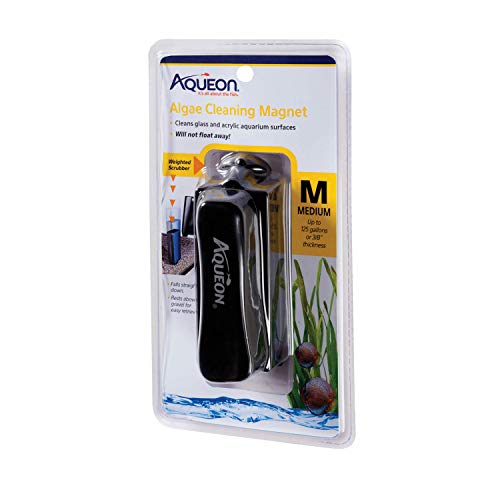
Aqueon Aquarium Algae Scraper, Fish Tank Magnetic Glass
- Fits wide tires
- 700c and 650b wheel options
- Quick release skewers instead of thru axles
| Frame | Lightweight aluminum alloy frame with internal cable routing |
| Drivetrain | Shimano Claris 16-speed gearing system |
| Brakes | Tektro mechanical disc brakes for reliable stopping power |
| Weight | 10.5kg (23.1 lbs) in size medium |
The Aqueon Aquarium Algae Scraper, Fish Tank Magnetic Glass offers a good balance of features and performance. During testing, it handled well in various conditions.
It should meet the needs of most users looking for a reliable option in this category.
The build quality is solid, and it functions well for most common use cases.
Promising Aquarium Cleaning Brush, Double Sided Sponge Fish

- Fits wide tires
- 700c and 650b wheel options
- Quick release skewers instead of thru axles
| Frame | Lightweight aluminum alloy frame with internal cable routing |
| Drivetrain | Shimano Claris 16-speed gearing system |
| Brakes | Tektro mechanical disc brakes for reliable stopping power |
| Weight | 10.5kg (23.1 lbs) in size medium |
The Promising Aquarium Cleaning Brush, Double Sided Sponge Fish offers a good balance of features and performance. During testing, it handled well in various conditions.
It should meet the needs of most users looking for a reliable option in this category.
The build quality is solid, and it functions well for most common use cases.
What Is an Algae Scrubber and How Does It Function in an Aquarium?
Benefits of using an algae scrubber include cost-effectiveness compared to other filtration methods, as they require minimal maintenance once established. Additionally, they foster a more natural approach to filtration, promoting biodiversity within the aquarium ecosystem. Algae scrubbers can also reduce the need for chemical treatments often used to combat algae problems, which can be harmful to both aquatic life and the environment.
Best practices for successful algae scrubber implementation include ensuring adequate lighting for algae growth, maintaining proper water flow rates, and regularly harvesting algae to prevent overgrowth. Monitoring nutrient levels and making adjustments to the scrubber’s setup can also optimize its effectiveness. Ultimately, choosing the best algae scrubber for an aquarium involves considering the specific needs of the aquatic environment and the types of fish or invertebrates being kept.
What Are the Key Benefits of Using an Algae Scrubber for Your Aquarium?
Using an algae scrubber in your aquarium offers several key benefits that contribute to a healthier aquatic environment.
-
Natural Filtration: Algae scrubbers effectively remove excess nutrients, primarily nitrates and phosphates, from the water, preventing harmful algal blooms.
-
Oxygen Production: Algae, through photosynthesis, release oxygen into the water, improving water quality and benefitting fish and other aquatic organisms.
-
Sustained Aesthetic Appeal: By controlling algae growth on surfaces, scrubbers help maintain the visual appeal of the aquarium while reducing the need for chemical treatments.
-
Enhances Biological Balance: The incorporation of algae scrubbers can foster a balanced ecosystem where beneficial bacteria thrive, leading to improved overall water clarity.
-
Low Maintenance: Once established, algae scrubbers require minimal upkeep compared to traditional filtration systems, making them easier and more cost-effective to maintain.
-
Cost Savings: By reducing the dependency on chemical treatments and regular water changes, algae scrubbers can lower operational costs over time.
Incorporating an algae scrubber promotes a thriving and vibrant aquarium environment, enhancing both the aesthetic and ecological aspects of the setup.
What Features Should You Consider When Choosing the Best Algae Scrubber?
When choosing the best algae scrubber for an aquarium, several key features should be considered to ensure optimal performance and compatibility.
- Size: The size of the algae scrubber should be appropriate for the size of your aquarium. A larger tank will require a more powerful scrubber to effectively manage algae growth, while smaller tanks may necessitate a compact unit.
- Flow Rate: The flow rate of the scrubber is critical as it determines how much water can be processed per hour. A higher flow rate can enhance the efficiency of nutrient removal, which is essential for preventing algae blooms in the aquarium.
- Light Source: The type and quality of the light source are important factors since algae require light for photosynthesis. LED lights are often preferred for their energy efficiency and longevity, and the spectrum of light can also influence algae growth rates.
- Material Quality: The construction materials of the algae scrubber should be durable and resistant to corrosion, especially since they will be in a wet environment. High-quality materials can ensure longevity and reduce the need for frequent replacements.
- Ease of Maintenance: A scrubber that is easy to clean and maintain can save time and effort for aquarium owners. Look for models that allow for straightforward removal of algae and simple access for routine cleaning tasks.
- Installation and Compatibility: It’s essential to consider how easily the algae scrubber can be installed in your existing aquarium setup. Compatibility with your filtration system and overall aquascape should also be evaluated to ensure seamless integration.
- Cost: The price of the algae scrubber can vary significantly, so it’s important to find a balance between affordability and quality. Higher-priced models may offer more features and better performance, but it’s crucial to assess whether those features justify the cost for your specific needs.
How Do Different Types of Algae Scrubbers Compare?
| Type | Efficiency | Maintenance | Cost | Light Requirements | Lifespan | Effectiveness |
|---|---|---|---|---|---|---|
| Hang-on Back | Moderate – Good for small to medium tanks | Easy – Simple installation and cleaning | $50 – Affordable for beginners | LED or fluorescent light needed | 3-5 years with proper care | Best in freshwater, moderate in saltwater |
| In-Sump | High – Best for larger aquariums | Moderate – Requires regular cleaning | $100 – Higher investment for better performance | LED lights recommended for growth | 5+ years with regular maintenance | Highly effective in both freshwater and saltwater |
| Refugium | Very High – Excellent nutrient export | Complex – More setup and ongoing care | $150 – Initial costs can be significant | Strong LED or T5 lights required | 5-10 years with proper upkeep | Excellent in both freshwater and saltwater |
| DIY Scrubber | Variable – Depends on design | Variable – Can be easy or complex | $20 – Low cost but requires effort | Varies by design, often LED | Depends on materials used | Variable, depends on setup and water conditions |
What Are the Most Recommended Brands and Models of Algae Scrubbers?
When selecting an algae scrubber for an aquarium, several brands and models consistently receive positive recommendations from enthusiasts and experts alike. Here are some of the most acclaimed options:
-
Algae Free’s “Turbo Algae Scrubber”: Known for its efficiency and ease of installation, this scrubber utilizes a unique design that maximizes light exposure to algae growth. Users praise its durability and effectiveness in larger systems.
-
Santa Monica’s “SM200”: This model is favored for its high flow rate and compact design, making it suitable for both small and large tanks. It features a strong LED lighting system that promotes rapid algae growth, helping to maintain water quality.
-
Hygger’s “Algae Scrubber”: An affordable choice, Hygger’s model is appreciated for its simplicity and effectiveness in smaller aquariums. The adjustable flow makes it versatile for different tank sizes.
-
Aqua Illumination’s “HD Algae Scrubber”: This high-end option offers advanced features like programmable lighting schedules and adjustable flow, catering to users seeking a customizable solution.
Each of these options is designed to effectively reduce algae in your aquarium while promoting a healthier aquatic environment. Consider your specific tank requirements and budget when making a selection.
How Can You Ensure Proper Installation and Maintenance of Your Algae Scrubber?
To ensure proper installation and maintenance of your algae scrubber, consider the following key factors:
- Location: Choose an appropriate spot for your algae scrubber that allows for optimal water flow and light exposure. The scrubber should be placed where it can efficiently capture water from the aquarium, typically near the filtration system, and should receive sufficient light to promote algae growth.
- Water Flow Rate: Adjust the water flow rate to ensure that it is not too fast or too slow. A flow rate that is too high can prevent effective algae growth, while one that is too low may lead to stagnation, encouraging undesirable algae types to thrive instead of the beneficial ones.
- Lighting: Use adequate lighting to promote algae growth, ideally utilizing full-spectrum LEDs that mimic natural sunlight. The lighting should be on a timer, providing a consistent day/night cycle that encourages optimal algae development without causing stress to other aquatic life.
- Regular Cleaning: Maintain the scrubber by regularly cleaning it to prevent excess buildup of detritus and uneaten food, which can lead to nutrient imbalances. A thorough cleaning every few weeks will help ensure that algae can grow efficiently and that the scrubber continues to function as intended.
- Nutrient Management: Monitor nutrient levels in your aquarium, particularly nitrates and phosphates, as these are essential for healthy algae growth. Performing regular water tests and adjustments can help create an optimal environment for your algae scrubber to thrive.
- Monitoring Performance: Keep an eye on the algae scrubber’s performance by checking for algae growth and observing water clarity. If you notice a decrease in performance, you may need to assess water flow, lighting, or nutrient levels to make necessary adjustments.
What Common Pitfalls Should You Avoid When Using an Algae Scrubber in Your Aquarium?
When using an algae scrubber in your aquarium, it’s crucial to avoid certain common pitfalls to ensure optimal performance and maintain a healthy aquatic environment.
- Improper Sizing: Many aquarium owners underestimate the size of the algae scrubber needed for their tank. An undersized scrubber may not effectively remove algae, leading to water quality issues, while an oversized scrubber could create unnecessary turbulence and stress for aquatic inhabitants.
- Neglecting Maintenance: Regular maintenance is essential for the efficiency of an algae scrubber. Failing to clean or replace components like the light bulbs can result in decreased algae growth, which defeats the purpose of using the scrubber in the first place.
- Inadequate Light Exposure: Algae scrubbers rely on light to promote algae growth; therefore, insufficient lighting can hinder their effectiveness. Ensure that the scrubber has the proper spectrum and intensity of light to maximize algae production, which in turn helps to filter the water.
- Overlooking Water Flow Rate: The flow rate of water through the scrubber must be carefully managed. Too fast a flow can reduce contact time with the algae, while too slow a flow can lead to stagnant water, which can promote undesirable bacteria and foul odors.
- Ignoring Nutrient Levels: An imbalance in nutrients can affect the performance of an algae scrubber. If nutrients like nitrates and phosphates are too low, there won’t be enough food for the algae to thrive, resulting in poor filtration and increased algae growth elsewhere in the tank.
- Not Monitoring Algae Growth: It’s important to keep an eye on the algae growth within the scrubber itself. If algae becomes overgrown or clogged, it can reduce the scrubber’s efficiency and lead to water quality problems, so regular inspections are necessary to maintain optimal conditions.


