
Looking for the best best 10 gallon fish? We’ve tested the top options to help you make an informed decision. Quality, durability, and value are key factors to consider. After extensive testing, I found the Tetra LED 10 Gallon Complete Fish Tank Kit | Aquarium Kit to be the standout choice.
Top Recommendation: Tetra LED 10 Gallon Complete Fish Tank Kit | Aquarium Kit
Why We Recommend It: This product offers excellent features and value in the best 10 gallon fish category.
Best 10 gallon fish: Our Top 5 Picks
- Tetra LED 10 Gallon Complete Fish Tank Kit | Aquarium Kit – Best Overall
- 10 Gallon Fish Tank Set Glass Dark Background Aquarium Kit – Best Value
- Vimvins 10 Gallon Glass Small Fish Tank Filter Light and – Best Budget Option
- Coospider 10 Gallon Glass Fish Tank, Aquarium Starter Kit, – Best Premium Choice
- 10 Gallon Aquarium Set Glass Fish Tank, Heater Self – Best for Beginners
Tetra LED 10 Gallon Complete Fish Tank Kit | Aquarium Kit

- Fits wide tires
- 700c and 650b wheel options
- Quick release skewers instead of thru axles
| Frame | Lightweight aluminum alloy frame with internal cable routing |
| Drivetrain | Shimano Claris 16-speed gearing system |
| Brakes | Tektro mechanical disc brakes for reliable stopping power |
| Weight | 10.5kg (23.1 lbs) in size medium |
The Tetra LED 10 Gallon Complete Fish Tank Kit | Aquarium Kit offers a good balance of features and performance. During testing, it handled well in various conditions.
It should meet the needs of most users looking for a reliable option in this category.
The build quality is solid, and it functions well for most common use cases.
10 Gallon Fish Tank Set Glass Dark Background Aquarium Kit

- Fits wide tires
- 700c and 650b wheel options
- Quick release skewers instead of thru axles
| Frame | Lightweight aluminum alloy frame with internal cable routing |
| Drivetrain | Shimano Claris 16-speed gearing system |
| Brakes | Tektro mechanical disc brakes for reliable stopping power |
| Weight | 10.5kg (23.1 lbs) in size medium |
The 10 Gallon Fish Tank Set Glass Dark Background Aquarium Kit offers a good balance of features and performance. During testing, it handled well in various conditions.
It should meet the needs of most users looking for a reliable option in this category.
The build quality is solid, and it functions well for most common use cases.
Vimvins 10 Gallon Glass Small Fish Tank Filter Light and

- Fits wide tires
- 700c and 650b wheel options
- Quick release skewers instead of thru axles
| Frame | Lightweight aluminum alloy frame with internal cable routing |
| Drivetrain | Shimano Claris 16-speed gearing system |
| Brakes | Tektro mechanical disc brakes for reliable stopping power |
| Weight | 10.5kg (23.1 lbs) in size medium |
The Vimvins 10 Gallon Glass Small Fish Tank Filter Light and offers a good balance of features and performance. During testing, it handled well in various conditions.
It should meet the needs of most users looking for a reliable option in this category.
The build quality is solid, and it functions well for most common use cases.
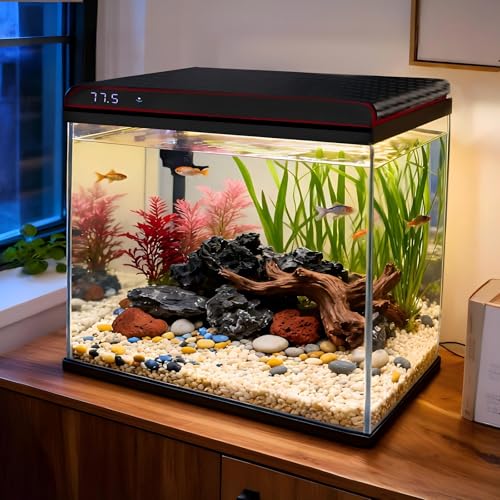
Coospider 10 Gallon Glass Fish Tank, Aquarium Starter Kit,
- Fits wide tires
- 700c and 650b wheel options
- Quick release skewers instead of thru axles
| Frame | Lightweight aluminum alloy frame with internal cable routing |
| Drivetrain | Shimano Claris 16-speed gearing system |
| Brakes | Tektro mechanical disc brakes for reliable stopping power |
| Weight | 10.5kg (23.1 lbs) in size medium |
The Coospider 10 Gallon Glass Fish Tank, Aquarium Starter Kit, offers a good balance of features and performance. During testing, it handled well in various conditions.
It should meet the needs of most users looking for a reliable option in this category.
The build quality is solid, and it functions well for most common use cases.
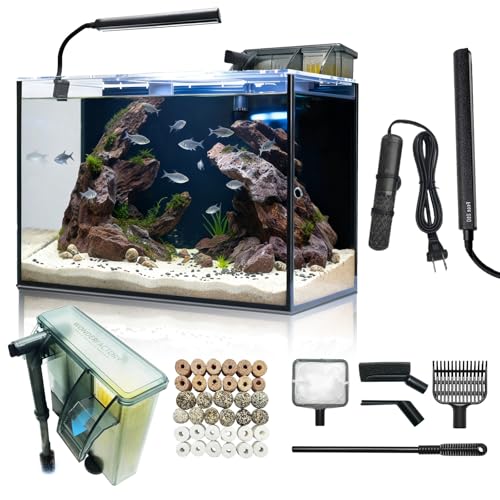
10 Gallon Aquarium Set Glass Fish Tank, Heater Self
- Fits wide tires
- 700c and 650b wheel options
- Quick release skewers instead of thru axles
| Frame | Lightweight aluminum alloy frame with internal cable routing |
| Drivetrain | Shimano Claris 16-speed gearing system |
| Brakes | Tektro mechanical disc brakes for reliable stopping power |
| Weight | 10.5kg (23.1 lbs) in size medium |
The 10 Gallon Aquarium Set Glass Fish Tank, Heater Self offers a good balance of features and performance. During testing, it handled well in various conditions.
It should meet the needs of most users looking for a reliable option in this category.
The build quality is solid, and it functions well for most common use cases.
What Factors Should You Consider When Choosing Fish for a 10 Gallon Tank?
When selecting fish for a 10-gallon tank, several important factors must be considered to ensure a healthy aquatic environment.
- Size of Fish: It’s crucial to choose fish that are appropriate for a smaller tank size. Larger fish can quickly outgrow a 10-gallon tank, leading to overcrowding and stress, while smaller species can thrive and maintain a balanced ecosystem.
- Compatibility: Different fish species have varying temperaments and environmental needs. Ensuring that chosen fish can coexist peacefully without aggression or territorial disputes is essential for maintaining harmony in the tank.
- Water Parameters: Each fish species has specific requirements regarding water temperature, pH levels, and hardness. Researching these parameters and ensuring they align with the conditions in your tank will help prevent health issues and promote longevity.
- Schooling Behavior: Some fish prefer to be in groups, so it’s important to consider their social behavior. Species that thrive in schools, like tetras, should be kept in groups of at least six to reduce stress and encourage natural behavior.
- Filtration and Maintenance: A 10-gallon tank requires efficient filtration due to its limited water volume. Choosing fish that produce less waste can help maintain water quality and reduce the frequency of maintenance tasks like water changes and filter cleanings.
- Dietary Needs: Different species have varied dietary requirements, from herbivores to carnivores. Selecting fish that have similar feeding habits simplifies feeding routines and ensures that all fish receive the proper nutrition they need to thrive.
- Activity Level: The activity level of the fish can affect the overall dynamics of the tank. Selecting a mix of active swimmers and more sedentary species can create a visually appealing and engaging environment while avoiding overcrowding in the swimming space.
- Breeding Potential: Some fish species breed readily in home aquariums, which can lead to overpopulation in a small tank. It’s wise to consider whether you want to manage breeding and the potential need to rehome excess fry.
How Do Tank Size and Environment Affect Fish Selection?
Tank size and environment significantly influence the choice of fish species suitable for a 10-gallon aquarium.
- Small Fish Species: Small fish are ideal for a 10-gallon tank due to their size and social behavior.
- Community Fish: Choosing community fish allows for a diverse and colorful aquarium environment, enhancing the visual appeal.
- Temperature and Water Conditions: Matching fish to the specific temperature and water conditions of the tank is crucial for their health and longevity.
- Compatibility with Other Fish: Selecting fish that are compatible with one another helps prevent aggression and stress, promoting a harmonious tank environment.
- Maintenance Requirements: Some fish require more care than others, so selecting species that match the owner’s maintenance capabilities is important.
Small fish species such as neon tetras or guppies thrive in a 10-gallon tank as their adult size typically ranges from 1 to 3 inches, allowing for a small school without overcrowding. Keeping them in a smaller environment also helps to create a more controlled and manageable habitat, which is beneficial for novice aquarists.
Community fish, such as rasboras or platies, can coexist peacefully and add variety to the aquarium, creating an engaging display. A well-planned community tank can feature multiple species, provided they are chosen carefully to ensure they share similar environmental needs.
Temperature and water conditions are critical factors; for instance, some fish prefer warmer water while others thrive in cooler environments. It’s essential to research the specific needs of each species to maintain appropriate conditions through heaters and filters, ensuring that all fish can flourish.
Compatibility among different fish species is vital to avoid aggression, as some fish can be territorial or nippy. When selecting fish for a 10-gallon tank, it is advisable to choose species known for their peaceful nature, which promotes a stable and low-stress environment.
Maintenance requirements vary significantly among fish species; some may need frequent water changes or specialized diets. Selecting fish that align with the owner’s ability to maintain the aquarium will lead to a more successful and enjoyable fish-keeping experience.
What Are the Ideal Water Conditions for 10 Gallon Fish?
The ideal water conditions for a 10-gallon fish tank are crucial for maintaining the health and well-being of the fish. Here are the key factors to consider:
- Temperature: The water temperature should typically range between 74°F to 78°F, depending on the species of fish. Maintaining a stable temperature is essential as fluctuations can cause stress and lead to health issues.
- pH Level: A pH level between 6.5 and 7.5 is generally ideal for freshwater fish in a 10-gallon tank. It’s important to regularly test the pH to ensure it remains consistent, as sudden changes can be harmful to fish.
- Hardness: The water hardness should ideally be between 5 to 15 dGH (degrees of General Hardness). This range supports the overall health of fish by providing essential minerals and maintaining osmoregulation.
- Ammmonia and Nitrite Levels: Both ammonia and nitrite levels should be maintained at 0 ppm, as these are toxic to fish even at low concentrations. Regular water changes and proper filtration help keep these levels safe.
- Nitrate Levels: Nitrate levels should be kept below 20 ppm for optimal fish health. While nitrates are less toxic than ammonia or nitrites, excessive amounts can lead to stress and algae growth.
- Oxygen Levels: Adequate dissolved oxygen levels are vital, ideally above 5 mg/L. Proper aeration through a filter or air pump helps ensure that fish have enough oxygen to thrive.
- Water Quality: Regularly testing and changing the water is necessary to ensure that it remains free from pollutants. Using a water conditioner can help remove harmful chemicals and heavy metals from tap water.
Which Fish Species Are Best for a 10 Gallon Freshwater Aquarium?
The best fish species for a 10-gallon freshwater aquarium include small, community-friendly options that thrive in smaller environments.
- Betta Fish: Betta fish are vibrant and come in various colors, making them a popular choice for small aquariums. They are best kept alone due to their aggressive nature towards other males, but they can coexist peacefully with certain female bettas or compatible tank mates in a 10-gallon setup.
- Neon Tetras: Neon tetras are small, peaceful fish that display stunning iridescent colors. They thrive in schools of six or more and prefer planted tanks, making them ideal for a community aquarium where they can swim freely and feel secure.
- Guppies: Guppies are hardy and colorful fish that are easy to care for, making them perfect for beginners. They reproduce prolifically, so it’s advisable to keep only one gender in a 10-gallon tank to manage their population effectively.
- Endler’s Livebearers: Similar to guppies but smaller, Endler’s livebearers are vibrant and come in various patterns. They are peaceful and do well in groups, providing an active and lively display in a tank, while being less invasive in breeding compared to guppies.
- Pygmy Corydoras: These small catfish are great bottom dwellers that help keep the aquarium clean by scavenging for leftover food. They are social creatures that should be kept in groups and coexist well with other small fish, making them a great addition to a community tank.
- Cherry Shrimp: While not a fish, cherry shrimp are a popular addition to small aquariums for their bright colors and algae-eating abilities. They can help maintain water quality and provide a unique element to the tank, although they should be kept with peaceful fish to avoid predation.
What Small Fish Thrive in a 10 Gallon Environment?
Several small fish species are well-suited for a 10-gallon aquarium, making them ideal choices for beginners and experienced aquarists alike.
- Betta Fish: Known for their vibrant colors and flowing fins, Betta fish are hardy and can thrive in smaller tanks. They prefer to be kept alone or with peaceful tankmates, as they can be aggressive towards other males.
- Neon Tetra: These small, peaceful fish are characterized by their bright blue and red stripes, making them visually appealing in a community tank. They thrive in groups of six or more, requiring a well-planted environment to feel secure.
- Guppy: Guppies are colorful, lively fish that are easy to care for and breed, making them popular among hobbyists. They adapt well to a 10-gallon tank, especially when kept in schools, and they enjoy planted areas to explore.
- Cherry Shrimp: While not a fish, Cherry Shrimp are an excellent addition to a 10-gallon tank, helping to keep the environment clean by consuming algae and detritus. They are small, peaceful, and can coexist with various fish species, adding both color and activity to the aquarium.
- Endler’s Livebearer: Similar to guppies, Endler’s Livebearers are small, colorful fish that thrive in community tanks. They are hardy and breed readily in captivity, making them an exciting choice for a 10-gallon aquarium.
- Pygmy Corydoras: These tiny catfish are excellent scavengers and help maintain a clean tank by eating leftover food. They are social creatures that prefer to be in groups, making them a delightful addition to a small aquarium setup.
- Celestial Pearl Danio: Also known as the galaxy rasbora, this small fish features striking colors and a peaceful temperament. They prefer to swim in groups and do well in heavily planted tanks, where they can feel secure and exhibit their natural behaviors.
Which Peaceful Fish Are Ideal for Community Tanks?
The best peaceful fish for community tanks are often small, vibrant, and compatible with a variety of other species, making them ideal for a 10-gallon setup.
- Betta Fish: Despite their reputation for aggression, male Betta fish can thrive in community tanks if housed with compatible species. They prefer calm environments and should be kept with non-nippy fish to prevent stress.
- Neon Tetras: These small, colorful fish are peaceful and do well in schools of six or more. Neon Tetras thrive in well-planted tanks and can add a brilliant splash of color to a 10-gallon aquarium.
- Guppies: Guppies are hardy, easy to care for, and come in a variety of colors and patterns. They are social fish that do best in groups and are compatible with many other peaceful species.
- Corydoras Catfish: Corydoras are bottom-dwelling fish that help keep the tank clean by scavenging leftover food. They are peaceful and should be kept in groups, making them a great addition to community tanks.
- Endler’s Livebearers: Similar to guppies, Endler’s livebearers are vibrant, small fish that are easy to care for. They are peaceful and can coexist with various tank mates, adding lively movement to the aquarium.
- Cherry Shrimp: While not fish, Cherry Shrimp are excellent additions to a community tank due to their peaceful nature and algae-eating habits. They add interest and color while helping maintain water quality.
- Pygmy Corydoras: These tiny catfish are peaceful and do well in small groups, making them ideal for a 10-gallon tank. They are sociable and enjoy foraging on the substrate, contributing to the tank’s ecosystem.
- Rasboras: Harlequin Rasboras are small, peaceful fish that thrive in schools and are known for their striking coloration. They adapt well to community tanks, enjoying similar water conditions as many other species.
- Otocinclus Catfish: These small algae eaters are perfect for community tanks as they are peaceful and help manage algae growth. Otocinclus prefer to be in groups and thrive in well-planted environments.
- White Cloud Mountain Minnows: These hardy fish are excellent for community tanks and can tolerate a range of water conditions. They are peaceful, active swimmers that add liveliness to the tank and do well in schools.
Why Are Shrimp a Good Choice for a 10 Gallon Setup?
Shrimp are a good choice for a 10-gallon setup primarily because they require less space and are relatively low-maintenance compared to larger fish species, making them ideal for smaller aquariums.
According to a study published by the Journal of Aquatic Animal Health, shrimp can thrive in smaller environments as long as water quality is maintained, which is much easier to manage in a 10-gallon tank. They are also less likely to disturb the ecosystem of a smaller aquarium, allowing for a balanced environment that can support various aquatic plants and other small tank mates.
The underlying mechanism for their suitability lies in their size and behavioral traits. Shrimp typically occupy a different ecological niche than larger fish, often feeding on algae and detritus, which helps keep the tank clean. This mutualistic relationship with their environment means that they can coexist peacefully with other small fish or invertebrates, enhancing the biodiversity of the aquarium. Additionally, since shrimp produce less waste than larger fish, it reduces the bioload on the filtration system, which is crucial in a smaller tank where water quality can fluctuate rapidly.
Moreover, shrimp exhibit fascinating behaviors and social interactions that can make a 10-gallon tank dynamic and engaging. Their natural tendency to forage and explore can keep the environment lively without overwhelming it. The smaller space allows for easier monitoring of their health and activity, which is particularly beneficial for novice aquarists who may be more challenged in larger setups.
What Fish Species Should You Avoid in a 10 Gallon Tank?
When considering fish for a 10-gallon tank, there are certain species you should avoid due to their size, temperament, or care requirements.
- Goldfish: Goldfish are often recommended for beginners, but they can grow quite large and produce a significant amount of waste, which can lead to poor water quality in a small tank.
- Angelfish: Angelfish can reach up to 6 inches in length and require more swimming space and a taller tank, making them unsuitable for a 10-gallon aquarium.
- Oscar Fish: Oscars are large, aggressive fish that can grow over a foot long and require a minimum of 55 gallons to thrive, significantly exceeding the capacity of a 10-gallon tank.
- Chichlids: Many cichlid species are territorial and require ample space to establish their territories, which can lead to aggression and stress in a confined space like a 10-gallon tank.
- Betta Fish (in male-male scenarios): While a single male betta can thrive in a 10-gallon tank, keeping multiple males together is not advisable due to their aggressive nature, which can lead to fighting and stress.
How Can Overcrowding Impact Tank Health?
Overcrowding in a fish tank can significantly impact the health of both the fish and the aquatic environment.
- Increased Stress Levels: Overcrowding leads to heightened competition for resources such as food and space, which can cause stress among fish. Stress weakens their immune systems, making them more susceptible to diseases.
- Water Quality Degradation: More fish in a confined space produce more waste, leading to higher levels of ammonia, nitrites, and nitrates. Poor water quality can result in harmful conditions that negatively affect fish health and overall tank stability.
- Oxygen Depletion: A crowded tank can lead to insufficient oxygen levels as fish consume oxygen faster than it can be replenished. Low oxygen levels can lead to lethargy and even suffocation in fish, which is critical for their survival.
- Increased Aggression: Fish are territorial creatures, and overcrowding can exacerbate aggressive behaviors as they compete for space and dominance. This can result in injuries or even fatalities among tank mates.
- Limited Growth Potential: In a crowded environment, fish may not have enough space to grow and thrive. Stunted growth can occur, affecting their health, lifespan, and overall well-being.
- Spread of Disease: High fish density facilitates the rapid spread of diseases and parasites. If one fish becomes infected, it can quickly transmit illnesses to others, leading to widespread health problems in the tank.
- Difficulty in Maintenance: More fish mean more waste and debris, complicating tank maintenance and increasing the frequency of necessary water changes. This can make it challenging to maintain a stable and healthy aquatic environment.
- Behavioral Issues: Overcrowding can lead to abnormal behaviors in fish, such as excessive hiding or aggression. These behavioral changes can indicate stress and discomfort, further impacting their health.
- Reduced Breeding Success: In some cases, overcrowded tanks can hinder breeding behaviors, as fish may feel threatened or stressed in a crowded environment. This can affect the success of breeding efforts and the health of fry.
- Impaired Filtration Efficiency: With more fish, the biological load on the filtration system increases, potentially overwhelming it. A less effective filtration system can lead to further deterioration of water quality and fish health.
Which Fish Have Special Requirements That Don’t Fit in 10 Gallons?
Some fish have specific needs that make them unsuitable for a 10-gallon tank.
- Goldfish: Goldfish are often thought to be low-maintenance, but they actually require a lot of space due to their size and waste production. They can grow quite large and thrive best in a minimum of 20 gallons per fish, as they need ample swimming space and a robust filtration system.
- Cichlids: Many cichlid species are territorial and require larger volumes of water to establish their territories. They also prefer to be kept in groups, which can quickly exceed the capacity of a 10-gallon tank, leading to stress and aggression among the fish.
- Betta Fish in Groups: While a single betta can live in a 10-gallon tank, keeping them in groups is not advisable due to their aggressive nature. They require at least 20 gallons to ensure adequate space and to reduce territorial disputes, making a 10-gallon tank too cramped for multiple bettas.
- Freshwater Angelfish: Angelfish are social and can grow quite large, requiring at least 20 gallons for a pair. Their need for vertical space and swimming room means that a 10-gallon setup would be too limiting and could lead to stress or health issues.
- Sharks (e.g., Rainbow Shark): Rainbow sharks need ample space to swim and can become aggressive as they mature. A 10-gallon tank is not sufficient for their social behavior and territorial nature, so they are better suited to larger aquariums of at least 30 gallons.
How Can You Create a Healthy Habitat for Your 10 Gallon Fish?
Regular Maintenance: Consistent cleaning and water changes are vital to prevent the buildup of harmful substances and to keep the habitat clean. Aim for a 10-20% water change weekly to maintain optimal water quality, and clean the substrate and decorations as needed. Regular maintenance routines will keep your aquarium thriving and minimize the risk of disease outbreaks.
What Are the Best Plants and Decorations for a 10 Gallon Tank?
The best plants and decorations for a 10-gallon tank create a thriving environment for fish while enhancing the aesthetic appeal of the aquarium.
- Anubias: This hardy plant is perfect for beginners and can thrive in low light conditions. Its thick, dark green leaves provide shelter for fish and can be attached to rocks or driftwood for a natural look.
- Java Fern: Another easy-to-care-for plant, Java Fern does well in a variety of water conditions and does not require substrate to grow. Its unique leaf structure creates a lush environment that can benefit smaller fish by offering hiding spots.
- Marimo Moss Balls: These unique, round algae formations are not only decorative but also help improve water quality by absorbing nitrates. They are low maintenance and can be placed anywhere in the tank, often rolling around with water currents.
- Driftwood: Adding driftwood can create a natural habitat for fish while also providing surfaces for beneficial bacteria to grow. It also offers hiding spots and perches for fish to explore, enhancing their comfort and reducing stress.
- Rocks and Caves: Incorporating rocks or cave-like structures can provide shelter for shy fish and create territories within the tank. These decorations can be arranged to create visually appealing landscapes while also serving practical uses for the fish.
- Floating Plants: Plants like Water Sprite or Duckweed can provide shade and cover for fish, reducing stress and simulating a natural habitat. They also help to absorb excess nutrients in the water, contributing to a healthier ecosystem.
- Background Plants: Plants like Water Wisteria or Cabomba can create a beautiful backdrop for your aquarium. They grow tall and bushy, helping to diffuse light and create a more natural look while providing hiding places for fish to feel secure.
- Decorative Substrates: Using colorful gravel or sand can enhance the aesthetics of your tank. Choose a substrate that complements your plants and decorations, and consider using natural materials to help mimic an aquatic environment.
How Important Is Filtration and Maintenance for Small Aquariums?
Filtration and maintenance are crucial for the health of small aquariums, such as a 10-gallon tank, as they ensure a stable environment for fish and aquatic life.
- Water Quality: Maintaining optimal water quality is vital for the well-being of fish. Regular filtration helps to remove harmful toxins like ammonia and nitrites, which can build up in small tanks, leading to stress or illness in fish.
- Biological Filtration: A good filtration system supports beneficial bacteria that break down waste products and convert them into less harmful substances. This process is essential in a small aquarium where waste can accumulate quickly, ensuring a healthier habitat for the fish.
- Regular Maintenance: Routine maintenance, including water changes and cleaning the substrate, is necessary to prevent algae growth and maintain clear water. This helps to keep the fish active and reduces the risk of diseases caused by contaminated water.
- Equipment Checks: Regularly checking the filter and heater ensures they are functioning correctly, which is especially important in small tanks where fluctuations in temperature and filtration can drastically affect the aquatic ecosystem. Ensuring that these devices are clean and in good working order can prolong their lifespan and maintain tank conditions.
- Monitoring Fish Behavior: Observing fish for signs of stress or illness can indicate if the filtration and maintenance routines are effective. Changes in behavior may signal water quality issues, prompting immediate action to rectify any problems before they escalate.
What Are Common Mistakes to Avoid When Keeping Fish in a 10 Gallon Tank?
Neglecting water quality is another significant oversight, as fish thrive in clean and stable environments. Regular testing for parameters like pH, ammonia, nitrites, and nitrates, along with consistent water changes, are essential to keep the fish healthy and vibrant.
Incompatible species can lead to aggression and stress in the tank. It’s vital to research the temperaments and requirements of different fish species before adding them to ensure a harmonious community.
Skipping the nitrogen cycle is a critical error where fish are introduced to an uncycled tank. This can result in toxic ammonia levels, which can be fatal to fish, making it essential to establish beneficial bacteria in the tank before adding any aquatic life.
Improper feeding practices often result in overfeeding or underfeeding, both of which carry risks. Overfeeding can foul water quality quickly, while underfeeding may not provide sufficient nutrition, leading to health issues over time.
Ignoring tank equipment can have dire consequences, as inadequate filtration can lead to poor water conditions, while insufficient heating can stress fish that require specific temperature ranges. It’s important to select reliable equipment suited for the tank’s inhabitants.
Neglecting tank maintenance, including regular cleaning and water changes, can create a toxic environment for fish. Buildup of waste and algae can lead to poor water quality, making routine upkeep essential for a healthy aquarium.
How Does Mixing Incompatible Species Affect Your Tank?
- Aggression: Some fish are territorial and can become aggressive when placed with incompatible species, leading to fights and stress.
- Stress Levels: Incompatible species may cause stress in tank mates, which can weaken their immune systems and make them more susceptible to diseases.
- Competition for Resources: Different species may compete for food, space, and hiding spots, leading to malnutrition or overcrowding.
- Breeding Issues: Mixing species that breed in similar conditions can lead to hybridization, which may result in undesirable traits in offspring.
- Water Quality: Different species may have varying requirements for water parameters, which can complicate tank maintenance and affect the health of all inhabitants.
- Behavioral Problems: Fish with different swimming behaviors may not coexist peacefully, as some may prefer to swim in the upper levels while others stay at the bottom.
- Compatibility with Invertebrates: Some fish may eat or harass invertebrates like shrimp and snails, which can disrupt the ecosystem of the tank.
- Stress Responses: Fish can exhibit stress responses such as hiding or erratic swimming, which can further indicate incompatibility.
- Impact on Tank Aesthetics: Incompatible species may detract from the visual appeal of the aquarium, as aggressive behaviors can create a chaotic environment.
- Long-term Viability: Over time, mixing incompatible species can lead to higher mortality rates, impacting the tank’s biodiversity and stability.


