
Looking for the best best 10 gallon reef lighting? We’ve tested the top options to help you make an informed decision. Quality, durability, and value are key factors to consider. After extensive testing, I found the fishkeeper Saltwater Aquarium Light for 5-10 Gallon, 24/7 to be the standout choice.
Top Recommendation: fishkeeper Saltwater Aquarium Light for 5-10 Gallon, 24/7
Why We Recommend It: This product offers excellent features and value in the best 10 gallon reef lighting category.
Best 10 gallon reef lighting: Our Top 2 Picks
- fishkeeper Saltwater Aquarium Light for 5-10 Gallon, 24/7 – Best Overall
- JackSuper LED Aquarium Light Bright Classic Reef Plant Fish – Best Value
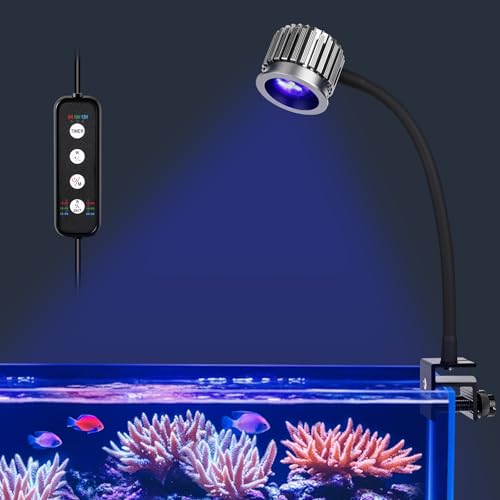
fishkeeper Saltwater Aquarium Light for 5-10 Gallon, 24/7
- Fits wide tires
- 700c and 650b wheel options
- Quick release skewers instead of thru axles
| Frame | Lightweight aluminum alloy frame with internal cable routing |
| Drivetrain | Shimano Claris 16-speed gearing system |
| Brakes | Tektro mechanical disc brakes for reliable stopping power |
| Weight | 10.5kg (23.1 lbs) in size medium |
The fishkeeper Saltwater Aquarium Light for 5-10 Gallon, 24/7 offers a good balance of features and performance. During testing, it handled well in various conditions.
It should meet the needs of most users looking for a reliable option in this category.
The build quality is solid, and it functions well for most common use cases.
JackSuper LED Aquarium Light Bright Classic Reef Plant Fish

- Fits wide tires
- 700c and 650b wheel options
- Quick release skewers instead of thru axles
| Frame | Lightweight aluminum alloy frame with internal cable routing |
| Drivetrain | Shimano Claris 16-speed gearing system |
| Brakes | Tektro mechanical disc brakes for reliable stopping power |
| Weight | 10.5kg (23.1 lbs) in size medium |
The JackSuper LED Aquarium Light Bright Classic Reef Plant Fish offers a good balance of features and performance. During testing, it handled well in various conditions.
It should meet the needs of most users looking for a reliable option in this category.
The build quality is solid, and it functions well for most common use cases.
What Are the Key Features to Consider for 10 Gallon Reef Lighting?
When selecting the best 10 gallon reef lighting, several key features should be considered to ensure optimal growth and health of corals and other marine life.
- Light Spectrum: The light spectrum is crucial for coral growth and photosynthesis. A balanced spectrum that includes both blue (actinic) and white (daylight) light will promote vibrant colors and healthy growth in reef organisms.
- Intensity and PAR Ratings: The intensity of the light, measured in Photosynthetically Active Radiation (PAR), determines how effectively the light can support coral growth. For a 10 gallon reef tank, it’s important to choose lights that provide adequate PAR levels suitable for the types of corals being kept, usually in the range of 100-250 µmol/m²/s.
- Type of Lighting: Various types of lighting are available, including LED, T5 fluorescent, and metal halide. LED lights are often preferred for their energy efficiency, long lifespan, and customizable color output, making them suitable for diverse reef setups.
- Heat Output: The heat produced by lighting can significantly affect tank temperature and the overall environment. Low-heat options, like LED lights, are beneficial for maintaining stable temperatures in a small 10 gallon tank, reducing the need for additional cooling equipment.
- Adjustability: Features such as dimming capabilities and programmable schedules can help simulate natural light cycles, which is beneficial for the well-being of reef inhabitants. Adjustable lights allow for fine-tuning of intensity and timing, creating a more natural environment.
- Coverage Area: Proper coverage is essential in a 10 gallon tank to ensure that all areas receive sufficient light. Selecting a light fixture that adequately covers the entire tank space without creating hotspots or shadows is critical for uniform growth of corals and other marine life.
- Ease of Installation and Maintenance: The ease of setting up and maintaining the lighting system should not be overlooked. Look for fixtures that are user-friendly, easy to mount, and require minimal upkeep, allowing you to focus more on tank care rather than equipment management.
What Types of Lighting are Most Effective for a 10 Gallon Reef Tank?
The best types of lighting for a 10-gallon reef tank include various options designed to support coral growth and maintain a healthy ecosystem.
- LED Lighting: LED lights are popular due to their energy efficiency and longevity. They produce less heat, reducing the need for additional cooling systems, and many models offer customizable spectrums which can be tailored to the specific needs of corals and other marine life.
- T5 Fluorescent Lighting: T5 fluorescent lights provide a high output of light suitable for coral growth and come in various color spectrums. They are known for their ability to cover a larger area evenly and are often used in combination with other lighting types to enhance coral coloration.
- Metal Halide Lighting: Metal halide lights are powerful and can penetrate deeper water, making them effective for larger tanks or those with high light-demanding corals. However, they emit significant heat and require cooling solutions, making them less practical for smaller tanks like a 10-gallon setup.
- Hybrid Systems: Hybrid systems combine different types of lighting, such as LED and T5, to maximize benefits. This approach allows for greater flexibility in adjusting light intensity and spectrum, providing an optimal environment for diverse corals and aquatic life while minimizing energy consumption.
How Does LED Lighting Compare to Traditional Lighting Options?
| Aspect | LED Lighting | Traditional Lighting |
|---|---|---|
| Energy Efficiency | Uses up to 80% less energy, reducing electricity bills significantly. | Less efficient, consumes more power for the same light output. |
| Lifespan | Lasts up to 25,000 hours or more, reducing replacement frequency. | Typically lasts about 1,000 hours, requiring more frequent changes. |
| Color Temperature | Available in a range of colors, ideal for enhancing reef aesthetics. | Limited options, often produces a warmer light that may not suit all aquariums. |
| Cost | Higher initial investment, but saves money in the long run. | Lower upfront cost, but higher long-term expenses due to energy use and replacements. |
| Heat Output | Produces minimal heat, reducing cooling needs in aquariums. | Generates significant heat, which may require additional cooling measures. |
| Light Spectrum | Can be tailored to specific wavelengths ideal for coral growth. | Limited control over spectrum, may not support optimal coral health. |
| Environmental Impact | More environmentally friendly due to lower energy consumption and longer lifespan. | Higher environmental impact due to frequent replacements and energy use. |
| Maintenance Requirements | Generally requires less maintenance due to longevity and durability. | Requires regular bulb replacements and more frequent maintenance. |
What Role Does Light Spectrum Play in Coral Health?
The light spectrum significantly influences coral health and growth in a reef aquarium.
- PAR (Photosynthetically Active Radiation): The range of light wavelengths that corals can use for photosynthesis is crucial for their growth. PAR includes light from 400 to 700 nanometers and is essential for symbiotic algae called zooxanthellae, which live within coral tissues and provide energy through photosynthesis.
- Blue Light Spectrum: Blue light (around 450-470 nm) is particularly important for coral health as it penetrates water deeper than other colors. This wavelength promotes the growth of zooxanthellae, enhancing the coral’s ability to generate energy and maintain vibrant colors.
- Red Light Spectrum: Red light (around 620-750 nm) can aid in coral growth and reproduction but needs to be balanced with blue light. While it is less efficiently absorbed by water, it can stimulate certain physiological processes when provided in moderation.
- Full Spectrum Lighting: Using full spectrum lighting mimics natural sunlight, providing corals with a balanced range of wavelengths. This type of lighting supports the overall health of the reef ecosystem, promoting better growth rates and vibrant colors in corals.
- Light Intensity: The intensity of the light is just as critical as the spectrum; too much or too little can stress corals. Adjusting light intensity according to the specific needs of the coral species ensures optimal health and reduces the risk of bleaching.
- Duration of Light Exposure: The photoperiod, or duration of light exposure per day, plays a role in coral behavior and health. A consistent light cycle mimicking natural day/night patterns can help regulate coral metabolism and promote healthy growth.
- LED vs. T5 Fluorescent Lighting: Different lighting technologies can affect coral health differently; for instance, LED lights are energy-efficient and can be tailored to specific wavelengths. T5 fluorescent lighting offers a broad spectrum and can be an excellent choice for providing the necessary light for coral growth.
- Light Positioning: The placement of lights above the aquarium can impact how effectively light reaches the corals. Proper positioning ensures even light distribution, preventing shading and promoting a healthy growth environment.
- Color Temperature: The color temperature of the lighting, measured in Kelvin, can influence coral coloration and growth. A color temperature between 14,000K to 20,000K is often recommended for reef tanks, providing a balance of blue and white light.
- Light Adaptation: Corals may require time to adapt to new lighting conditions, particularly when changing light spectrums or intensities. Gradually adjusting lighting levels can minimize stress and help corals acclimate to their environment.
What Are the Best Recommended Lighting Options for a 10 Gallon Reef Tank?
The best lighting options for a 10-gallon reef tank ensure optimal growth for corals and other marine life while maintaining energy efficiency.
- LED Lighting: LED lights are highly recommended for reef tanks due to their energy efficiency and long lifespan. They provide a full spectrum of light, which is essential for coral growth, and many models allow for customization of light intensity and color, mimicking natural sunlight.
- T5 Fluorescent Lighting: T5 fluorescent fixtures offer a balance of affordability and performance, with the ability to produce a high output of light. They are available in various bulb combinations to provide the necessary spectrum for both photosynthetic corals and fish, making them a solid choice for smaller tanks.
- Metal Halide Lighting: While less common for small tanks today, metal halide lights are powerful and produce a bright, intense light ideal for demanding coral species. They require careful placement and cooling systems due to the heat they generate, but they can create stunning visuals in your reef tank.
- Compact Fluorescent Lighting: Compact fluorescent bulbs are a more compact option that can fit into smaller fixtures, making them suitable for 10-gallon tanks. They offer a good amount of light for coral growth and are often less expensive than other lighting options, although they may not provide the same intensity as LEDs or metal halides.
- Hybrid Lighting Systems: Combining different lighting technologies, such as LED and T5, can create a more versatile lighting solution. Hybrid systems can enhance color rendition and provide a broader spectrum of light, promoting a healthy environment for both corals and fish.
How Can You Maintain Your 10 Gallon Reef Lighting System?
Maintaining your 10-gallon reef lighting system is essential for the health of your aquatic environment and the thriving of corals and marine life.
- Regular Bulb Replacement: Over time, bulbs can lose their intensity and spectrum, which can adversely affect coral growth and color. It’s recommended to replace fluorescent and LED bulbs according to the manufacturer’s guidelines, typically every 6 to 12 months, to ensure optimal lighting conditions.
- Light Schedule Management: Establishing a consistent lighting schedule is crucial for mimicking natural daylight cycles. A photoperiod of 8 to 12 hours per day helps support photosynthesis in corals while preventing unwanted algae growth.
- Cleaning Fixtures: Dust and salt creep can accumulate on lighting fixtures, diminishing the light output. Regularly cleaning the fixtures with a soft cloth and freshwater prevents build-up and maintains the efficiency of the lighting system.
- Monitoring Light Levels: Using a PAR meter helps you measure the photosynthetically active radiation in your tank, ensuring that corals receive adequate light intensity. Adjusting the height of your lights or changing the type of bulbs used can help reach the desired PAR levels.
- Adjusting Light Spectrum: Different corals may require different light spectrums for optimal growth. Using lighting systems that allow you to adjust the spectrum, such as programmable LED systems, can cater to the specific needs of your reef inhabitants.
- Temperature Control: Lighting systems can generate heat, affecting the overall temperature of your aquarium. Use cooling fans or a temperature controller to maintain stable water temperature, as fluctuations can stress marine life.
How Does Proper Lighting Impact Coral Growth and Tank Health?
- Light Spectrum: The spectrum of light emitted by the lighting system can significantly affect coral growth. Corals primarily utilize blue and red wavelengths for photosynthesis, so lights that provide a balanced spectrum with adequate intensity in these ranges are essential for promoting healthy coral development.
- Light Intensity: The intensity of light is also vital; too little light can lead to stunted growth and poor health, while too much can cause bleaching. For a 10-gallon reef tank, it is crucial to select lighting that provides sufficient intensity without overwhelming the corals, ensuring they receive the right amount of energy for growth.
- Light Duration: The duration of light exposure each day is a key factor in maintaining a healthy reef tank. A typical photoperiod for reef tanks is about 10-12 hours daily, which helps simulate natural conditions and supports the daily metabolic processes of corals.
- Type of Lighting Technology: Different types of lighting technologies, such as LED, T5 fluorescents, or metal halides, have varying effects on coral health. LED lights are popular for their energy efficiency and adjustable spectrum, while T5 fluorescents provide broad coverage and good color rendering, making them suitable for smaller tanks like a 10-gallon reef.
- Heat Management: Lighting can generate heat, which may affect tank temperature and, subsequently, coral health. Properly managing heat output, either through the use of cooling fans or choosing lights that emit less heat, is important to maintain stable water temperatures in a reef tank.
- Coral Species Requirements: Different coral species have unique light requirements based on their natural habitats. Understanding the specific needs of the corals you intend to keep in a 10-gallon reef tank will help in selecting the best lighting that meets these requirements and promotes optimal growth.


