
Looking for the best best all around substrate for a planted tank? We’ve tested the top options to help you make an informed decision. Quality, durability, and value are key factors to consider. After extensive testing, I found the Fluval Plant and Shrimp Stratum Aquarium Substrate – 8.8 lb to be the standout choice.
Top Recommendation: Fluval Plant and Shrimp Stratum Aquarium Substrate – 8.8 lb
Why We Recommend It: This product offers excellent features and value in the best all around substrate for a planted tank category.
Best all around substrate for a planted tank: Our Top 5 Picks
- Fluval Plant and Shrimp Stratum Aquarium Substrate – 8.8 lb – Best Overall
- Fluval 12695 Plant and Shrimp Stratum for Freshwater Fish – Best Value
- Aqua Natural Aquarium Substrate, Diamond Black Fine Gravel, – Best Budget Option
- Fluval 12693 Plant and Shrimp Stratum for Freshwater Fish – Best Premium Choice
- Fluval 12697 Volcanic Soil Bio Stratum for Planted Tanks, – Best for Beginners
Fluval Plant and Shrimp Stratum Aquarium Substrate – 8.8 lb

- Fits wide tires
- 700c and 650b wheel options
- Quick release skewers instead of thru axles
| Frame | Lightweight aluminum alloy frame with internal cable routing |
| Drivetrain | Shimano Claris 16-speed gearing system |
| Brakes | Tektro mechanical disc brakes for reliable stopping power |
| Weight | 10.5kg (23.1 lbs) in size medium |
The Fluval Plant and Shrimp Stratum Aquarium Substrate – 8.8 lb offers a good balance of features and performance. During testing, it handled well in various conditions.
It should meet the needs of most users looking for a reliable option in this category.
The build quality is solid, and it functions well for most common use cases.
Fluval 12695 Plant and Shrimp Stratum for Freshwater Fish

- Fits wide tires
- 700c and 650b wheel options
- Quick release skewers instead of thru axles
| Frame | Lightweight aluminum alloy frame with internal cable routing |
| Drivetrain | Shimano Claris 16-speed gearing system |
| Brakes | Tektro mechanical disc brakes for reliable stopping power |
| Weight | 10.5kg (23.1 lbs) in size medium |
The Fluval 12695 Plant and Shrimp Stratum for Freshwater Fish offers a good balance of features and performance. During testing, it handled well in various conditions.
It should meet the needs of most users looking for a reliable option in this category.
The build quality is solid, and it functions well for most common use cases.
Aqua Natural Aquarium Substrate, Diamond Black Fine Gravel,

- Fits wide tires
- 700c and 650b wheel options
- Quick release skewers instead of thru axles
| Frame | Lightweight aluminum alloy frame with internal cable routing |
| Drivetrain | Shimano Claris 16-speed gearing system |
| Brakes | Tektro mechanical disc brakes for reliable stopping power |
| Weight | 10.5kg (23.1 lbs) in size medium |
The Aqua Natural Aquarium Substrate, Diamond Black Fine Gravel, offers a good balance of features and performance. During testing, it handled well in various conditions.
It should meet the needs of most users looking for a reliable option in this category.
The build quality is solid, and it functions well for most common use cases.
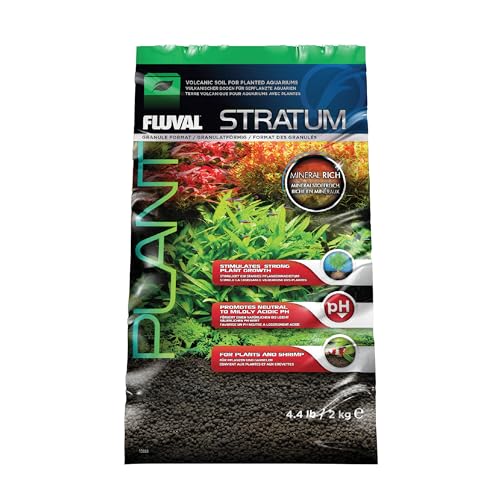
Fluval 12693 Plant and Shrimp Stratum for Freshwater Fish
- Fits wide tires
- 700c and 650b wheel options
- Quick release skewers instead of thru axles
| Frame | Lightweight aluminum alloy frame with internal cable routing |
| Drivetrain | Shimano Claris 16-speed gearing system |
| Brakes | Tektro mechanical disc brakes for reliable stopping power |
| Weight | 10.5kg (23.1 lbs) in size medium |
The Fluval 12693 Plant and Shrimp Stratum for Freshwater Fish offers a good balance of features and performance. During testing, it handled well in various conditions.
It should meet the needs of most users looking for a reliable option in this category.
The build quality is solid, and it functions well for most common use cases.
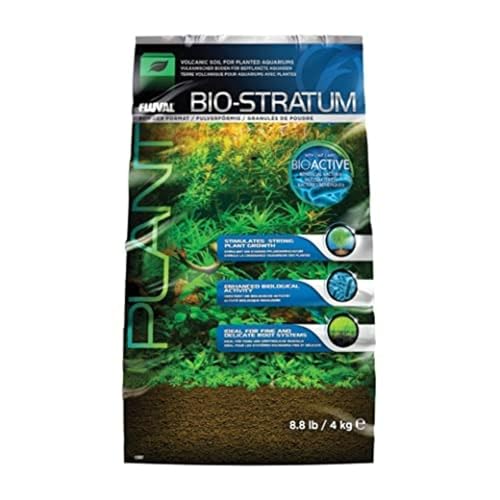
Fluval 12697 Volcanic Soil Bio Stratum for Planted Tanks,
- Fits wide tires
- 700c and 650b wheel options
- Quick release skewers instead of thru axles
| Frame | Lightweight aluminum alloy frame with internal cable routing |
| Drivetrain | Shimano Claris 16-speed gearing system |
| Brakes | Tektro mechanical disc brakes for reliable stopping power |
| Weight | 10.5kg (23.1 lbs) in size medium |
The Fluval 12697 Volcanic Soil Bio Stratum for Planted Tanks, offers a good balance of features and performance. During testing, it handled well in various conditions.
It should meet the needs of most users looking for a reliable option in this category.
The build quality is solid, and it functions well for most common use cases.
What is the Importance of Substrate in a Planted Tank?
This impacts the growth and health of aquatic plants, as well as the balance of the tank’s ecosystem. A well-chosen substrate can lead to robust plant growth, which in turn helps improve water quality by absorbing excess nutrients and providing oxygen. Statistics indicate that a well-planted aquarium can reduce nitrates by up to 90% compared to a tank without plants, demonstrating the importance of a suitable substrate for fostering healthy plant life.
The benefits of selecting the best all-around substrate for a planted tank include enhanced plant growth, better water quality, and improved aesthetic appeal. By providing essential nutrients and a suitable environment for root systems, the right substrate can lead to a thriving aquatic environment. Additionally, a well-designed substrate can help maintain stable pH levels and reduce algae growth by promoting healthy competition for nutrients among plants.
Solutions and best practices for substrate selection involve choosing a substrate that meets the specific needs of the plants you wish to cultivate. For example, a nutrient-rich substrate may be ideal for heavy root feeders like Cryptocorynes and Echinodorus, while lighter substrates may be better suited for delicate plants such as hairgrass or dwarf baby tears. Regular maintenance and monitoring of substrate health, including the management of detritus buildup and ensuring adequate water circulation, can also contribute to a successful planted tank environment.
What Types of Substrates are Best for Promoting Plant Growth?
Several substrates are ideal for promoting plant growth in a planted tank, each offering unique benefits.
- Fluorite: This clay-based substrate is rich in iron and other nutrients essential for plant growth. Its porous structure provides excellent root anchoring and allows for beneficial bacteria to thrive, which helps in maintaining a healthy ecosystem.
- Eco-Complete: Comprised of volcanic soil, Eco-Complete is designed specifically for planted tanks and contains a rich blend of nutrients and trace minerals. It also has a dark color that enhances the aesthetic of the aquarium while providing a fertile environment for plant roots to establish.
- Substrate Gold: A natural substrate that is made from premium-grade mineral-rich soil, Substrate Gold enhances nutrient availability for plants. Its unique composition helps to create a balanced environment that supports both plant and microorganism growth.
- ADA Aqua Soil: This product is specially formulated for aquascaping and is made from natural Japanese soil. ADA Aqua Soil not only provides essential nutrients but also helps maintain optimal water parameters by softening the water and reducing pH levels, making it ideal for sensitive aquatic plants.
- Gravel with Fertilizer Layer: Using a layer of gravel on top of nutrient-rich soil can be an economical option. The gravel provides a stable base while the underlying layer supplies plants with nutrients; however, care must be taken to avoid compaction that might hinder root growth.
How Does Nutrient Content Impact Plant Development in Substrates?
Micronutrients, although needed in smaller quantities, play critical roles in enzyme function and photosynthesis. Deficiencies in any of these trace elements can lead to stunted growth or health issues, making their presence in the substrate crucial for a thriving planted tank.
The pH levels of the substrate can significantly affect how well plants can absorb nutrients. Most aquatic plants thrive in a slightly acidic to neutral pH, and extreme pH levels may lead to nutrient lockout, preventing plants from taking up the necessary elements for growth.
Organic matter in a substrate enhances nutrient availability as it decomposes, providing a slow-release source of essential nutrients over time. Additionally, it improves the microbial activity in the substrate, which can further aid in the breakdown of nutrients for plant uptake.
The composition of the substrate, including its texture and porosity, affects how well roots can penetrate and access nutrients. A well-structured substrate allows for good water flow and aeration, which are vital for healthy root systems and effective nutrient absorption.
Why is Drainage Essential When Choosing a Substrate?
When selecting a substrate for a planted tank, ensuring proper drainage is crucial for several reasons:
-
Root Health: Adequate drainage prevents water from pooling at the base of the substrate, which can lead to root rot and decay. Healthy roots are essential for nutrient uptake, enabling plants to thrive.
-
Aeration: Good drainage allows oxygen to penetrate the substrate, promoting beneficial bacterial activity and preventing anaerobic conditions. These conditions can create harmful toxins detrimental to both plants and fish.
-
Nutrient Distribution: Well-draining substrates support even distribution of nutrients throughout the substrate layer. This ensures that all plants receive adequate nourishment without any areas becoming oversaturated with fertilizers.
-
Water Quality Maintenance: Efficient drainage helps in maintaining overall water quality by preventing excess organic matter accumulation, which can contribute to algae growth and poor tank health.
Common substrate options that provide good drainage include porous materials like clay, gravel, and specialized soil mixes designed specifically for aquascaping. Balancing particle size and composition is vital for achieving optimal drainage while retaining the beneficial properties necessary for plant growth.
What Should You Consider When Selecting the Best Substrate?
When selecting the best all-around substrate for a planted tank, several crucial factors need to be considered.
- Grain Size: The grain size of the substrate affects water flow and root penetration. Finer substrates allow for better root systems in plants, while coarser grains can provide better aeration and drainage.
- Nutrient Content: Some substrates come pre-loaded with nutrients essential for plant growth. Choosing a substrate with adequate nutrients can reduce the need for additional fertilizers and promote healthy plant development.
- pH Level: The pH of the substrate can influence the overall water chemistry in your tank. It’s important to select a substrate that maintains a stable pH suitable for the specific plants and fish you want to keep.
- Texture: The texture of the substrate can impact both plant growth and the behavior of fish. A rougher texture can provide better anchorage for plants, while a smoother texture may be better for certain fish species that prefer softer surfaces.
- Aesthetic Appeal: The visual aspect of the substrate plays a role in the overall design of your planted tank. Choosing a substrate that complements the plants and decor can enhance the beauty of the aquarium.
- Compatibility with Aquatic Life: It’s essential to consider how the substrate will affect the fish and other aquatic organisms in your tank. Certain substrates may be harmful or irritating to sensitive species, so selecting a compatible option is crucial.
- Maintenance Requirements: Different substrates have varying maintenance needs. Some may require regular cleaning or replacement, while others are more low-maintenance, making them more suitable for beginner aquarists.
- Cost: The price of substrate can vary significantly based on type and quality. Budgeting for the substrate while also considering its long-term benefits and durability is important for making a wise investment.
How Do pH Levels Influence Substrate Selection for Aquatic Plants?
- Acidic Substrates: These are best suited for plants that prefer lower pH levels, typically around 6.0 or below, such as certain types of mosses and ferns.
- Neutral Substrates: Substrates that maintain a pH around 7.0 are versatile and can support a wide range of aquatic plants, making them a popular choice for many hobbyists.
- Alkaline Substrates: These are suitable for plants that thrive in higher pH levels, generally above 7.5, such as some species of Vallisneria and Anubias, which can flourish in harder water conditions.
- Soil-based Substrates: Often enriched with organic matter, these substrates can buffer pH levels, providing a more stable environment for plants that prefer specific conditions while also enhancing nutrient availability.
- Mineral-based Substrates: These tend to have a stable pH and are especially good for growing plants that require specific minerals, as they can release trace elements slowly into the water.
Acidic substrates, like those made from peat or specific types of clay, help plants that thrive in lower pH environments by preventing nutrient lockout and promoting healthy root development. They often help maintain the desired acidity level in the tank, which is beneficial for certain fish species as well.
Neutral substrates are advantageous because they do not significantly alter the water chemistry, allowing for a diverse array of plants to flourish. Many aquarists choose these substrates for community tanks where multiple species coexist, as they provide a balanced environment.
Alkaline substrates can raise the pH of the water, making them suitable for plants that are accustomed to harder water conditions. These substrates often contain components that increase carbonate hardness, which can benefit specific aquatic flora and fauna.
Soil-based substrates are particularly effective at buffering pH, which helps to stabilize the conditions in a planted tank. These substrates not only support plant growth but can also provide essential nutrients over time, enriching the tank’s ecosystem.
Mineral-based substrates, such as those containing clay or volcanic rock, can maintain a stable pH while slowly releasing minerals into the water column. This slow release is crucial for plants that require specific nutrients to thrive, making these substrates a favorite for serious aquascapers.
Why is Particle Size Critical for Effective Water Flow?
Particle size plays a crucial role in facilitating effective water flow in a planted tank substrate. The right particle size ensures optimal conditions for both aquascaping and aquatic life. Here are the key considerations:
-
Water Flow and Circulation: Ideal substrate allows water to pass through without clogging. Larger particles can create gaps that promote strong water circulation, which is essential for distributing nutrients and maintaining even temperature throughout the substrate.
-
Root Health: For plant roots, a balanced particle size provides adequate space for growth while still retaining moisture. Fine particles may compact, restricting root development and hindering water and nutrient absorption.
-
Detritus and Debris: A substrate with varied particle sizes can trap useful bacteria and organic waste without allowing it to become stagnant. This helps in maintaining a clean environment while facilitating beneficial microbial activity.
-
Pressure and Compaction: Uniformly sized grains can lead to compacted layers, which disrupts water flow. Diverse particle sizes can mitigate this issue, preventing anoxic zones that may harm root systems.
Selecting the right particle size not only enhances water flow but also contributes to a balanced ecosystem within the planted tank.
What Are Some Recommended Substrates for Various Plant Types?
Several substrates are recommended for creating an optimal environment in a planted tank:
- ADA Aqua Soil: This substrate is specifically designed for planted aquariums, offering excellent nutrients for aquatic plants.
- Fluval Stratum: Made from volcanic soil, Fluval Stratum provides a natural look and is great for promoting plant growth while also being pH neutral.
- Seachem Flourite: A clay-based substrate that is rich in iron and other minerals, Flourite is ideal for heavy feeding plants and helps maintain a stable environment.
- CaribSea Eco-Complete: This substrate contains live bacteria and is designed for growth, offering a rich nutrient base and promoting healthy root systems.
- Black Diamond Blasting Sand: While not specifically designed for plants, it can be a cost-effective option that provides good drainage and stability for plant roots.
ADA Aqua Soil is a highly regarded substrate among aquarists as it is rich in organic matter and provides essential nutrients that promote healthy plant growth. Its ability to retain water and nutrients makes it an ideal choice for both established and newly planted tanks.
Fluval Stratum not only enhances the aesthetic of your aquarium with its natural look but also supports the growth of aquatic plants due to its volcanic origin. It helps to maintain a stable pH level, which is crucial for the health of both plants and fish in the tank.
Seachem Flourite is a long-lasting substrate that does not require replacement, making it a favorite among serious aquarists. Its mineral-rich composition, particularly in iron, benefits plants that require heavy feeding, and it also encourages beneficial bacteria growth, which aids in tank health.
CaribSea Eco-Complete is unique because it includes live, beneficial bacteria that help establish a healthy biological filter in your aquarium. This substrate is also packed with essential nutrients, making it a great option for promoting robust root systems in aquatic plants.
Black Diamond Blasting Sand is a more budget-friendly substrate that, while not specially formulated for planted tanks, offers good drainage and root stability. It can be used effectively with plants that are adaptable to various substrates, making it a versatile option for aquarists on a budget.
How Can You Properly Maintain Your Chosen Substrate for Longevity?
Monitoring pH and hardness is essential because extreme fluctuations can negatively impact both plants and beneficial organisms within the substrate. Maintaining stable levels supports the health of your aquatic ecosystem and ensures that the plants can properly absorb nutrients.
Avoiding soil compaction is important as it allows for better water flow and gas exchange within the substrate. By using a gentle approach when interacting with the substrate, you can promote a thriving environment for plant roots and beneficial bacteria, which are crucial for the health of your planted tank.
What Common Pitfalls Should You Avoid When Picking Substrates for Your Aquarium?
When selecting substrates for a planted aquarium, it’s crucial to avoid common pitfalls to ensure a healthy environment for both plants and aquatic life.
- Ignoring Plant Needs: Many aquarists overlook the specific requirements of the plants they intend to keep. Each plant species has different nutrient needs and root structures, which can dictate the substrate type required for optimal growth.
- Choosing the Wrong Grain Size: The grain size of the substrate can significantly impact water flow and root penetration. A substrate that is too coarse may not support delicate root systems, while one that is too fine can compact easily, limiting oxygen availability to the roots.
- Neglecting Nutrient Content: Some substrates are inert and provide no nutrients, which can hinder plant growth. It’s essential to choose a substrate that contains essential macro and micronutrients, or to supplement with fertilizers to promote healthy plant development.
- Overlooking pH and Hardness Impact: The substrate can influence the water chemistry in your tank. Selecting a substrate that raises or lowers pH or hardness unexpectedly can lead to stress for fish and plants, especially if they are sensitive to such changes.
- Not Considering Maintenance Requirements: Some substrates can be more challenging to maintain than others. Fine substrates may trap debris and waste, requiring more frequent cleaning, while larger particles may allow for easier maintenance but can shift and disturb the aquascape.
- Failing to Plan for Layering: Many aquarists forget to layer their substrates effectively. A proper layering system, with a nutrient-rich base topped by a more aesthetic layer, can support plant growth while maintaining a visually appealing tank.
- Ignoring Compatibility with Other Tank Inhabitants: The substrate should be suitable for all tank inhabitants, including fish and invertebrates. Some substrates can be abrasive or harmful to certain species, so it’s important to choose one that works well with the entire ecosystem.


