
Looking for the best best ammonia test ki? We’ve tested the top options to help you make an informed decision. Quality, durability, and value are key factors to consider. After extensive testing, I found the API Ammonia 130-Test Freshwater and Saltwater Aquarium to be the standout choice.
Top Recommendation: API Ammonia 130-Test Freshwater and Saltwater Aquarium
Why We Recommend It: This product offers excellent features and value in the best ammonia test ki category.
Best ammonia test ki: Our Top 5 Picks
- API Ammonia 130-Test Freshwater and Saltwater Aquarium – Best Overall
- Salifert AMPT Ammonia Test Kit – Best Value
- AAwipes Aquarium Ammonia Test Strips 8-in-1 |100 Strips | – Best Budget Option
- AAwipes Aquarium Ammonia Test Strips 8-in-1 |25 Strips | – Best Premium Choice
- EASYTEST 8-Way Aquarium Test Strips Ammonia, 50PCS Fish – Best for Beginners
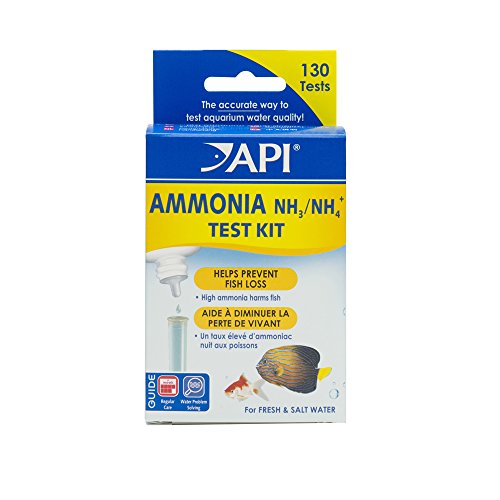
API Ammonia 130-Test Freshwater and Saltwater Aquarium
- Fits wide tires
- 700c and 650b wheel options
- Quick release skewers instead of thru axles
| Frame | Lightweight aluminum alloy frame with internal cable routing |
| Drivetrain | Shimano Claris 16-speed gearing system |
| Brakes | Tektro mechanical disc brakes for reliable stopping power |
| Weight | 10.5kg (23.1 lbs) in size medium |
The API Ammonia 130-Test Freshwater and Saltwater Aquarium offers a good balance of features and performance. During testing, it handled well in various conditions.
It should meet the needs of most users looking for a reliable option in this category.
The build quality is solid, and it functions well for most common use cases.
Salifert AMPT Ammonia Test Kit

- Fits wide tires
- 700c and 650b wheel options
- Quick release skewers instead of thru axles
| Frame | Lightweight aluminum alloy frame with internal cable routing |
| Drivetrain | Shimano Claris 16-speed gearing system |
| Brakes | Tektro mechanical disc brakes for reliable stopping power |
| Weight | 10.5kg (23.1 lbs) in size medium |
The Salifert AMPT Ammonia Test Kit offers a good balance of features and performance. During testing, it handled well in various conditions.
It should meet the needs of most users looking for a reliable option in this category.
The build quality is solid, and it functions well for most common use cases.
AAwipes Aquarium Ammonia Test Strips 8-in-1 |100 Strips |

- Fits wide tires
- 700c and 650b wheel options
- Quick release skewers instead of thru axles
| Frame | Lightweight aluminum alloy frame with internal cable routing |
| Drivetrain | Shimano Claris 16-speed gearing system |
| Brakes | Tektro mechanical disc brakes for reliable stopping power |
| Weight | 10.5kg (23.1 lbs) in size medium |
The AAwipes Aquarium Ammonia Test Strips 8-in-1 |100 Strips | offers a good balance of features and performance. During testing, it handled well in various conditions.
It should meet the needs of most users looking for a reliable option in this category.
The build quality is solid, and it functions well for most common use cases.
AAwipes Aquarium Ammonia Test Strips 8-in-1 |25 Strips |

- Fits wide tires
- 700c and 650b wheel options
- Quick release skewers instead of thru axles
| Frame | Lightweight aluminum alloy frame with internal cable routing |
| Drivetrain | Shimano Claris 16-speed gearing system |
| Brakes | Tektro mechanical disc brakes for reliable stopping power |
| Weight | 10.5kg (23.1 lbs) in size medium |
The AAwipes Aquarium Ammonia Test Strips 8-in-1 |25 Strips | offers a good balance of features and performance. During testing, it handled well in various conditions.
It should meet the needs of most users looking for a reliable option in this category.
The build quality is solid, and it functions well for most common use cases.
EASYTEST 8-Way Aquarium Test Strips Ammonia, 50PCS Fish

- Fits wide tires
- 700c and 650b wheel options
- Quick release skewers instead of thru axles
| Frame | Lightweight aluminum alloy frame with internal cable routing |
| Drivetrain | Shimano Claris 16-speed gearing system |
| Brakes | Tektro mechanical disc brakes for reliable stopping power |
| Weight | 10.5kg (23.1 lbs) in size medium |
The EASYTEST 8-Way Aquarium Test Strips Ammonia, 50PCS Fish offers a good balance of features and performance. During testing, it handled well in various conditions.
It should meet the needs of most users looking for a reliable option in this category.
The build quality is solid, and it functions well for most common use cases.
What Should You Look for in the Best Ammonia Test Kit?
When selecting the best ammonia test kit, several critical factors should be evaluated to ensure accurate and reliable results:
-
Accuracy and Precision: Look for kits that offer high accuracy in readings. Check customer reviews and product specifications to ensure the kit has a reputation for providing precise results.
-
Ease of Use: Choose a kit that is user-friendly, especially if you are not experienced in water testing. Kits that come with clear instructions and straightforward procedures will save time and reduce the likelihood of errors.
-
Detection Range: Consider the detection limits of the kit. Some kits can measure ammonia levels in very low concentrations, which is essential for maintaining healthy water conditions in aquariums or agricultural applications.
-
Type of Test: There are various types of ammonia tests, including colorimetric tests, titration tests, and electronic meters. Select one that fits your needs and skill level. Colorimetric tests are often preferred for quick assessments.
-
Cost-Effectiveness: While it’s essential to invest in quality, also consider the cost in relation to the number of tests you can perform with a single kit. Ensure it provides good value without compromising quality.
-
Reputation and Reviews: Always check reviews and ratings from other users. Products that are well-reviewed and recommended by other customers indicate reliability and performance.
Choosing the right ammonia test kit ensures effective monitoring and control of ammonia levels, which is crucial for aquatic life and agricultural health.
Which Types of Ammonia Test Kits Are Available on the Market?
The market offers several types of ammonia test kits, each tailored for specific needs and environments.
- Liquid Test Kits: These kits typically involve mixing a water sample with a series of reagents to produce a color change.
- Test Strips: Ammonia test strips provide a quick and easy way to measure ammonia levels by dipping the strip into the water sample.
- Colorimetric Test Kits: These kits use a color comparison chart to determine ammonia concentration based on the color intensity of the sample after the reaction with reagents.
- Digital Meters: Digital ammonia meters provide precise readings of ammonia levels and often come with calibration features for improved accuracy.
- Professional Lab Kits: These are comprehensive kits designed for laboratory use, offering precise measurements and detailed analysis of ammonia levels.
Liquid Test Kits: These kits involve a two-step process where a sample of water is mixed with specific reagents that react to the ammonia present. The resulting color change is then compared to a chart to determine ammonia concentration, making them reliable for both freshwater and saltwater testing.
Test Strips: Ammonia test strips are user-friendly and require no special equipment—simply dip the strip into the water sample and wait for a specified time. The color change on the strip is then matched against a color chart, providing a quick reference for ammonia levels, although they may not be as precise as liquid kits.
Colorimetric Test Kits: These kits are similar to liquid test kits but often include a more detailed color comparison chart. The intensity of the color developed in the sample after adding reagents gives a visual representation of ammonia concentration, making them suitable for hobbyists and professionals alike.
Digital Meters: These advanced devices measure ammonia levels electronically and display the results on a digital screen. They often come with features like automatic calibration and temperature compensation, ensuring accurate readings under various conditions, which is beneficial for serious aquarists or researchers.
Professional Lab Kits: Designed for accuracy and comprehensive testing, these kits are often used in scientific research or environmental monitoring. They include a range of reagents and equipment to conduct multiple tests and offer detailed analysis, making them ideal for professionals needing precise data on ammonia levels.
How Do Colorimetric Ammonia Test Kits Differ from Electronic Kits?
Colorimetric ammonia test kits and electronic ammonia test kits differ primarily in their methodology and ease of use.
- Colorimetric Ammonia Test Kits: These kits utilize a chemical reaction that produces a color change in the presence of ammonia, allowing users to visually compare the resulting color to a standard chart to determine ammonia concentration.
- Electronic Ammonia Test Kits: These kits employ electronic sensors to detect ammonia levels, providing a digital readout of concentration, which can be more precise and easier to interpret than colorimetric methods.
Colorimetric ammonia test kits are often more affordable and straightforward, making them accessible for hobbyists and casual users. However, they require careful handling and interpretation of results, which can lead to user error if not done correctly.
On the other hand, electronic ammonia test kits offer enhanced accuracy and convenience, often featuring automatic calibration and data logging capabilities. While they tend to be more expensive, they can provide quick results and eliminate the subjective color interpretation required in colorimetric kits.
What Key Features Enhance Ammonia Test Kits’ Usability?
The key features that enhance the usability of ammonia test kits include:
- Ease of Use: User-friendly instructions allow even beginners to conduct tests accurately. Clear labeling and intuitive design reduce the possibility of user error, making it accessible for hobbyists and professionals alike.
- Rapid Results: Quick testing methods provide results in minutes, which is crucial for timely decision-making, especially in aquaculture and water quality management. This feature allows users to monitor ammonia levels frequently without significant delays.
- High Sensitivity: Advanced kits can detect low levels of ammonia, ensuring that even minor fluctuations in water quality are identified. This sensitivity is particularly important for sensitive aquatic life, where small changes can have significant impacts.
- Color Comparison Chart: Many kits include a color chart to easily compare the test results visually. This feature simplifies interpreting results, allowing users to quickly assess ammonia levels without needing complex calculations.
- Portability: Compact and lightweight designs make it easy to transport the kits for field testing or regular monitoring. This feature is beneficial for users who need to test water quality in various locations or during travel.
- Reusability: Some ammonia test kits come with reusable components, which can be more economical and environmentally friendly. This feature reduces waste and the need for frequent repurchases, making it a sustainable choice for ongoing testing needs.
- Comprehensive Testing Range: Kits that test for various nitrogen compounds alongside ammonia provide a more complete picture of water quality. This multi-parameter testing is useful for users who want to understand the broader context of their water systems.
- Detailed Instructions and Support: Providing thorough user manuals and customer support enhances user confidence and helps resolve any issues. Online resources such as videos or FAQs can further assist users in understanding how to operate the kit effectively.
How Do Different Brands of Ammonia Test Kits Compare?
| Brand | Test Type | Accuracy | Price | Test Range (ppm) | Number of Tests | User Reviews |
|---|---|---|---|---|---|---|
| API | Liquid Test Kit | High accuracy with clear readings | $20 – Affordable for regular use | 0-8 ppm | 150 tests | 4.5/5 stars |
| Seachem | Test Strips | Quick results, moderate accuracy | $15 – Budget-friendly option | 0-6 ppm | 50 tests | 4/5 stars |
| Salifert | Liquid Test Kit | Very high accuracy, complex procedure | $30 – Ideal for serious hobbyists | 0-8 ppm | 60 tests | 4.8/5 stars |
| Red Sea | Test Strips | Good accuracy, easy to use | $25 – Convenient for quick checks | 0-8 ppm | 75 tests | 4.2/5 stars |
Why Is Brand A Considered a Leader in Ammonia Testing?
Brand A is considered a leader in ammonia testing primarily due to its innovative technology, reliability, and extensive research backing its products.
According to a report by the American Society for Testing and Materials (ASTM), Brand A’s testing kits consistently deliver accurate results, which is crucial for industries where ammonia levels can impact safety and compliance (ASTM, 2022). Additionally, the brand has received numerous accolades for its user-friendly design and comprehensive support services, making it a preferred choice among professionals.
The underlying mechanism for Brand A’s leadership lies in its commitment to research and development. The company invests significantly in advancing detection technologies, allowing for quicker and more accurate readings compared to competitors. Furthermore, the integration of digital technologies, such as smartphone compatibility for data logging and analysis, enhances user experience and facilitates better decision-making based on test results.
Additionally, Brand A maintains strong partnerships with environmental agencies and industry experts, which not only validates its products but also ensures that their testing methods align with the latest regulatory standards. This collaborative approach fosters trust and credibility, further solidifying Brand A’s reputation as a leader in ammonia testing.
What Unique Features Does Brand B Offer?
Fast results are another hallmark of Brand B’s offering, providing users with timely information that is vital for making immediate adjustments to water quality. This quick feedback loop is especially important in situations where ammonia levels may fluctuate rapidly.
Additionally, the wide range of applications means that the test kits can be used in various settings, making them a versatile choice for different types of aquatic systems. Whether it’s for a home aquarium or a commercial hydroponics setup, Brand B’s kits cater to a broad spectrum of needs.
Lastly, the use of eco-friendly materials aligns with the growing trend towards sustainability in consumer products. By opting for environmentally responsible components, Brand B appeals to consumers who are conscious of their environmental impact while maintaining the effectiveness of their testing solutions.
Where Are Ammonia Test Kits Most Commonly Used?
Ammonia test kits are most commonly used in various environments to monitor ammonia levels for safety and health purposes.
- Aquariums: These kits are essential for hobbyists and professionals managing fish tanks, as ammonia is toxic to aquatic life.
Ammonia test kits are vital in these facilities to ensure that the levels of ammonia do not exceed regulatory limits, protecting the environment. These kits are employed in the food industry to detect ammonia levels, particularly in meat processing, to ensure food safety and quality.
Aquariums often require regular testing to prevent ammonia buildup, which can lead to fish stress or death. By using ammonia test kits, aquarium owners can quickly assess water quality and make necessary adjustments to maintain a healthy environment.
In wastewater treatment plants, ammonia is a key parameter monitored to comply with environmental regulations. Test kits help operators measure ammonia concentrations, enabling them to manage treatment processes effectively and minimize environmental impact.
In agriculture, ammonia test kits allow farmers to evaluate soil health and the effectiveness of fertilizers. This monitoring helps them optimize fertilizer use, preventing excess ammonia from contaminating nearby water sources.
Laboratories utilize ammonia test kits for various experiments and analyses, particularly in environmental sciences. Accurate measurement of ammonia levels is crucial for understanding ecological impacts and chemical behaviors in different environments.
In food processing, ammonia levels must be monitored to avoid contamination risks. Test kits help ensure that ammonia does not exceed safe levels, protecting consumer health and maintaining food safety standards.
What Is the Importance of Ammonia Testing in Aquaculture?
Solutions for effective ammonia testing include utilizing reliable testing kits that provide accurate and timely results, conducting regular water quality assessments, and employing biological filtration systems to convert ammonia into less harmful compounds. Best practices also involve educating farm staff on the importance of ammonia monitoring and developing emergency response plans for managing ammonia spikes, thereby ensuring a proactive approach to aquaculture management.
How Are Ammonia Test Kits Utilized in Home Aquariums?
Ammonia test kits are essential tools for maintaining water quality in home aquariums, ensuring the health of aquatic life.
- Types of Test Kits: There are various types of ammonia test kits available, including liquid test kits, test strips, and digital testers.
- How to Use the Kits: Proper usage involves collecting a water sample and following the kit instructions to obtain accurate readings.
- Interpreting Results: Understanding the results is crucial, as ammonia levels can indicate the health of the aquarium and the need for maintenance.
- Frequency of Testing: Regular testing is recommended, especially in newly established tanks or when introducing new fish or plants.
- Impact on Fish Health: High ammonia levels can be toxic to fish, making it vital to monitor and manage these levels to avoid stressful conditions.
The main types of ammonia test kits include liquid test kits, which use chemical reagents to produce a color change corresponding to ammonia concentration, test strips that provide rapid results by matching colors, and digital testers that offer precise measurements using electronic sensors. Each type has its advantages, with liquid kits generally being more accurate, while strips and digital testers offer convenience and speed.
To use an ammonia test kit, one typically collects a sample of aquarium water using a clean container, then follows the manufacturer’s instructions, which may involve adding reagents or dipping strips into the water. It’s important to ensure that the sample is free from contamination and that the testing is done in adequate lighting for accurate color comparison.
Interpreting the results involves comparing the tested sample against a color chart provided with the kit. Ammonia levels are usually measured in parts per million (ppm), and understanding these levels is crucial for determining if they are within safe limits for the fish and other aquatic organisms in the tank.
Frequency of testing should be adjusted based on the aquarium’s conditions, with new tanks requiring more frequent checks due to the establishment of beneficial bacteria that help break down ammonia. For established aquariums, testing can be done weekly or biweekly, particularly after significant changes, such as adding new fish or plants.
High ammonia levels can lead to serious health issues for fish, including stress, gill damage, and even death. Monitoring ammonia levels is essential for preventing toxic conditions, ensuring a stable and healthy environment for aquatic life.
Why Is Regular Ammonia Testing Essential for Aquatic Health?
Regular ammonia testing is vital for maintaining aquatic health in both freshwater and saltwater environments. Ammonia, a toxic byproduct of fish waste, uneaten food, and decaying plant matter, can accumulate quickly and lead to detrimental effects on aquatic life. Here are key reasons why consistent testing is essential:
-
Toxicity Levels: Ammonia exists in two forms: unionized (NH3), which is highly toxic, and ionized (NH4+), which is less harmful. Regular testing helps determine the balance between these forms, ensuring that toxicity levels remain safe for aquatic inhabitants.
-
Preventing Stress: Elevated ammonia levels can cause stress in fish and other aquatic organisms, making them susceptible to diseases and impairing their immune systems.
-
Aquatic Ecosystem Health: Testing allows for early detection of ammonia spikes, enabling swift action to prevent ecosystem collapse, such as water changes or adjustments in feeding habits.
-
Monitoring Biological Filtration: Regular ammonia tests can provide insight into the effectiveness of biological filtration systems, ensuring beneficial bacteria are thriving to convert harmful ammonia into less toxic compounds.
By integrating ammonia testing into regular maintenance routines, aquarists can safeguard their fish and plant life, promoting a balanced and thriving aquatic ecosystem.
How Can You Ensure Accurate Results When Using an Ammonia Test Kit?
To ensure accurate results when using an ammonia test kit, consider the following key practices:
- Follow Instructions Carefully: Adhering to the manufacturer’s guidelines is crucial for obtaining reliable results. Each test kit may have specific procedures for sample collection, reagent mixing, and timing that must be followed meticulously.
- Use Fresh Reagents: The accuracy of test results can be significantly impacted by the age and condition of the reagents. Always check expiration dates and store reagents properly to avoid degradation, which can lead to false readings.
- Calibrate the Test Kit: Some ammonia test kits require calibration against known standards. Regular calibration ensures that the kit provides accurate readings and helps to identify any drift in measurement accuracy over time.
- Maintain Consistent Temperature: Temperature can affect the chemical reactions involved in ammonia testing. Conduct tests at consistent temperatures, ideally within the range specified by the manufacturer, to ensure reliable results.
- Use a Clean Sample Container: Contaminants in sample containers can skew the results. Always use clean, non-reactive containers for collecting water samples and avoid using containers that have previously held other chemicals.
- Perform Multiple Tests: Running multiple tests on the same sample can help identify inconsistencies and give a better overall picture of ammonia levels. This practice can also help detect potential errors in testing procedures.
- Compare with Additional Testing Methods: If possible, corroborate results from the ammonia test kit with other testing methods or kits. This cross-referencing can confirm the accuracy of your initial findings and provide additional confidence in the results.


