
Looking for the best best ammonia test kit for reef tank? We’ve tested the top options to help you make an informed decision. Quality, durability, and value are key factors to consider. After extensive testing, I found the Salifert AMPT Ammonia Test Kit to be the standout choice.
Top Recommendation: Salifert AMPT Ammonia Test Kit
Why We Recommend It: This product offers excellent features and value in the best ammonia test kit for reef tank category.
Best ammonia test kit for reef tank: Our Top 5 Picks
- Salifert AMPT Ammonia Test Kit – Best Overall
- Digital Aquarium Water Test Kit, App-Enabled 10-in-1 Fish – Best Value
- 11 in 1 – Aquarium Test Strips | 950 Tests – 150 Strips | – Best Budget Option
- API Ammonia 130-Test Freshwater and Saltwater Aquarium – Best Premium Choice
- API Saltwater Master Test Kit 550-Test Saltwater Aquarium – Best for Beginners
Salifert AMPT Ammonia Test Kit

- Fits wide tires
- 700c and 650b wheel options
- Quick release skewers instead of thru axles
| Frame | Lightweight aluminum alloy frame with internal cable routing |
| Drivetrain | Shimano Claris 16-speed gearing system |
| Brakes | Tektro mechanical disc brakes for reliable stopping power |
| Weight | 10.5kg (23.1 lbs) in size medium |
The Salifert AMPT Ammonia Test Kit offers a good balance of features and performance. During testing, it handled well in various conditions.
It should meet the needs of most users looking for a reliable option in this category.
The build quality is solid, and it functions well for most common use cases.
Digital Aquarium Water Test Kit, App-Enabled 10-in-1 Fish

- Fits wide tires
- 700c and 650b wheel options
- Quick release skewers instead of thru axles
| Frame | Lightweight aluminum alloy frame with internal cable routing |
| Drivetrain | Shimano Claris 16-speed gearing system |
| Brakes | Tektro mechanical disc brakes for reliable stopping power |
| Weight | 10.5kg (23.1 lbs) in size medium |
The Digital Aquarium Water Test Kit, App-Enabled 10-in-1 Fish offers a good balance of features and performance. During testing, it handled well in various conditions.
It should meet the needs of most users looking for a reliable option in this category.
The build quality is solid, and it functions well for most common use cases.
11 in 1 – Aquarium Test Strips | 950 Tests – 150 Strips |

- Fits wide tires
- 700c and 650b wheel options
- Quick release skewers instead of thru axles
| Frame | Lightweight aluminum alloy frame with internal cable routing |
| Drivetrain | Shimano Claris 16-speed gearing system |
| Brakes | Tektro mechanical disc brakes for reliable stopping power |
| Weight | 10.5kg (23.1 lbs) in size medium |
The 11 in 1 – Aquarium Test Strips | 950 Tests – 150 Strips | offers a good balance of features and performance. During testing, it handled well in various conditions.
It should meet the needs of most users looking for a reliable option in this category.
The build quality is solid, and it functions well for most common use cases.
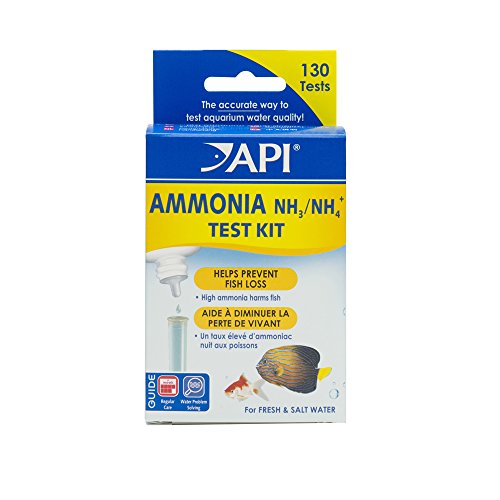
API Ammonia 130-Test Freshwater and Saltwater Aquarium
- Fits wide tires
- 700c and 650b wheel options
- Quick release skewers instead of thru axles
| Frame | Lightweight aluminum alloy frame with internal cable routing |
| Drivetrain | Shimano Claris 16-speed gearing system |
| Brakes | Tektro mechanical disc brakes for reliable stopping power |
| Weight | 10.5kg (23.1 lbs) in size medium |
The API Ammonia 130-Test Freshwater and Saltwater Aquarium offers a good balance of features and performance. During testing, it handled well in various conditions.
It should meet the needs of most users looking for a reliable option in this category.
The build quality is solid, and it functions well for most common use cases.
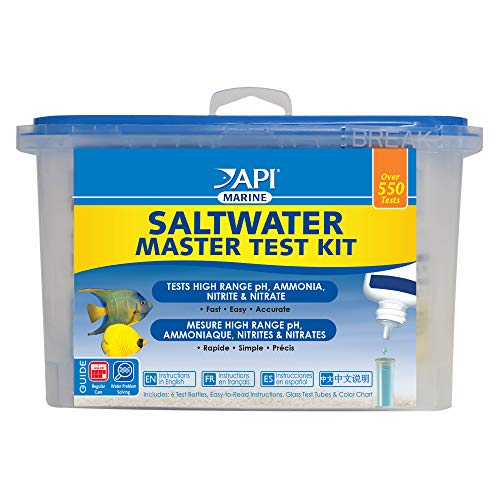
API Saltwater Master Test Kit 550-Test Saltwater Aquarium
- Fits wide tires
- 700c and 650b wheel options
- Quick release skewers instead of thru axles
| Frame | Lightweight aluminum alloy frame with internal cable routing |
| Drivetrain | Shimano Claris 16-speed gearing system |
| Brakes | Tektro mechanical disc brakes for reliable stopping power |
| Weight | 10.5kg (23.1 lbs) in size medium |
The API Saltwater Master Test Kit 550-Test Saltwater Aquarium offers a good balance of features and performance. During testing, it handled well in various conditions.
It should meet the needs of most users looking for a reliable option in this category.
The build quality is solid, and it functions well for most common use cases.
What is Ammonia and Why Does It Matter in a Reef Tank?
Benefits of using an ammonia test kit include the ability to quickly assess water quality and take corrective measures before toxic levels are reached. Regular testing allows aquarists to track fluctuations in ammonia and respond accordingly, ensuring a safe environment for their marine inhabitants. Moreover, ammonia test kits can help detect issues early, potentially saving costs associated with fish loss and tank recovery.
Best practices for managing ammonia levels in a reef tank include investing in a reliable ammonia test kit, such as those from Salifert or API, which are well-regarded in the aquarist community. Additionally, establishing a robust biological filtration system, maintaining proper stocking levels, and performing routine water changes can help keep ammonia levels in check. It is also advisable to monitor other parameters, such as nitrite and nitrate levels, to gain a comprehensive understanding of the tank’s health.
What Features Are Essential in an Ammonia Test Kit for Reef Tanks?
An ammonia test kit for reef tanks should possess several essential features to ensure accurate and reliable results for maintaining a healthy aquatic environment.
- Accuracy: The test kit must provide precise readings of ammonia levels to avoid harmful spikes that can affect marine life. Accurate measurements help aquarists make informed decisions regarding water changes and treatment options.
- Ease of Use: A user-friendly interface is crucial for hobbyists, especially for beginners. Clear instructions and straightforward procedures ensure that users can perform tests quickly and accurately without confusion.
- Range of Measurement: The kit should cover a suitable range of ammonia concentrations, typically from low levels to higher concentrations. This allows for monitoring various conditions, from newly set up tanks to established systems where ammonia may fluctuate.
- Type of Test (Colorimetric vs. Digital): Colorimetric tests require visual comparison with a color chart, while digital testers provide numerical results. Each type has its advantages, but digital testers often offer more precision and ease of interpretation.
- Reagent Shelf Life: The longevity of reagents is important for the kit’s reliability. A test kit with longer-lasting reagents reduces the frequency of replacement and ensures that tests remain accurate over time.
- Cost Effectiveness: Evaluate the cost per test and the overall price of the kit. A good ammonia test kit should provide a balance between affordability and the number of tests included, ensuring value for regular monitoring.
- Reputation and Reviews: Consider kits that are well-reviewed by other reef tank enthusiasts. Trusted brands with positive feedback often indicate reliability and effectiveness in real-world applications.
- Compatibility with Other Tests: A kit that can integrate or is compatible with other water testing kits for parameters such as nitrites, nitrates, and pH adds value. This allows for a more comprehensive understanding of the tank’s overall water quality.
How Do You Choose Between Colorimetric and Digital Ammonia Test Kits?
When choosing between colorimetric and digital ammonia test kits for a reef tank, consider accuracy, ease of use, and your specific testing needs.
- Colorimetric Test Kits: These kits use color change reactions to indicate ammonia levels and are widely used due to their affordability.
- Digital Test Kits: Utilizing electronic sensors, these kits provide digital readings and often come with advanced features for precise measurements.
- Ease of Use: The simplicity of the testing process can significantly affect your choice, particularly if you are new to aquarium care.
- Cost Considerations: The price of both types of kits can vary, impacting your decision based on budget constraints.
Colorimetric Test Kits: These kits typically involve adding a reagent to a water sample, which changes color based on the ammonia concentration. They are generally less expensive and readily available, making them a popular choice for hobbyists. However, results can be subjective, as color interpretation may vary from person to person, potentially leading to inaccuracies.
Digital Test Kits: Digital kits provide a more precise measurement by using sensors that can detect ammonia levels and display the results on a digital screen. They eliminate the color interpretation issue and often include features such as data logging or connectivity with mobile apps for tracking trends over time. However, these kits tend to be more expensive and may require calibration or battery replacements.
Ease of Use: For beginners or those who prefer straightforward procedures, colorimetric kits may be more appealing due to their simple step-by-step process. Digital kits, while often easier in terms of reading results, may involve more complex setup or maintenance, which could be a consideration for novice aquarists.
Cost Considerations: Colorimetric kits are usually budget-friendly, making them accessible for most aquarists, especially those who are just starting or maintaining a small reef tank. In contrast, digital test kits, while providing superior accuracy and convenience, can be a significant investment, which might not be justifiable for every hobbyist, especially in smaller setups.
Which Ammonia Test Kits Are Most Recommended for Reef Tanks?
The best ammonia test kits for reef tanks are essential for maintaining a healthy aquatic environment.
- Salifert Ammonia Test Kit: This kit is highly praised for its accuracy and sensitivity, making it ideal for detecting even the smallest changes in ammonia levels.
- API Ammonia Test Kit: Known for its simplicity and ease of use, the API kit provides reliable results and is a favorite among both beginners and experienced aquarists.
- Red Sea Ammonia Pro Test Kit: This test kit is designed for precision, offering a dual-range measurement that helps in monitoring ammonia levels accurately during various stages of the aquarium cycle.
- Hanna Instruments Ammonia Checker: A digital photo colorimeter that offers unparalleled accuracy, this device is perfect for those who prefer high-tech solutions for monitoring water quality.
The Salifert Ammonia Test Kit stands out for its precision and ability to detect ammonia levels as low as 0.05 ppm, which is critical for reef tanks where sensitive corals and fish are kept. Its straightforward instructions and high-quality reagents make it a reliable choice for serious aquarists.
The API Ammonia Test Kit is favored for its user-friendly design and clear color chart, which allows for quick readings. It is a cost-effective option that provides accurate results, making it a great choice for hobbyists who want to keep their tanks safe without breaking the bank.
Red Sea’s Ammonia Pro Test Kit offers a unique dual-range feature, allowing users to measure ammonia in both freshwater and saltwater environments effectively. This versatility, combined with its high precision, makes it an excellent option for reef enthusiasts who need to monitor ammonia during different aquarium cycles.
Hanna Instruments’ Ammonia Checker represents cutting-edge technology in aquarium testing. This device eliminates human error associated with color matching and provides instant digital results, making it a preferred option for those who want to ensure the highest level of accuracy in their reef tank management.
What Are the Pros and Cons of Each Recommended Ammonia Test Kit?
| Test Kit | Pros | Cons |
|---|---|---|
| API Ammonia Test Kit | Easy to use, cost-effective, reliable results. | Color chart can be hard to read, limited to freshwater, not suitable for saltwater or reef tanks. |
| Salifert Ammonia Test Kit | Highly accurate, suitable for both freshwater and saltwater, user-friendly. | More expensive, requires careful handling of reagents. |
| Red Sea Ammonia Test Kit | Includes a color-blind friendly chart, good for reef tanks, user-friendly. | Smaller sample volume needed, can be pricier than others. |
| Seachem Ammonia Alert | Continuous monitoring, easy to read, no reagents needed, long-term monitoring. | Cannot provide precise ammonia levels, only indicates presence. |
How Should You Accurately Use an Ammonia Test Kit in Your Reef Tank?
To accurately use an ammonia test kit in your reef tank, follow these essential steps:
- Gather Your Supplies: Ensure you have the best ammonia test kit for reef tank setups, a clean sample container, and a timer for accurate readings.
- Collect a Water Sample: Take a water sample from your reef tank, typically from the middle of the tank to avoid surface debris and ensure a representative sample.
- Follow Kit Instructions: Carefully read and follow the specific instructions provided with your ammonia test kit, as different kits may have varying procedures.
- Wait for Color Development: Allow the reagents in the test kit to react for the specified time, as this will ensure the color development is accurate and reliable.
- Compare Results Accurately: Use the color chart provided in the kit to compare the resulting color of your sample to determine the ammonia level in your tank.
Gather Your Supplies: Before starting the test, make sure you have the best ammonia test kit for reef tank conditions. High-quality kits, such as those from API or Salifert, provide reliable readings. Additionally, have a clean sample container and a timer handy to maintain accuracy during the testing process.
Collect a Water Sample: When collecting your water sample, aim to take it from the middle of the tank rather than the surface or bottom. This helps avoid contaminants and gives a more accurate representation of the water conditions in your reef tank. Fill the sample container appropriately to ensure you’re testing the right volume.
Follow Kit Instructions: Each ammonia test kit comes with its own set of instructions, so it is crucial to read them carefully before proceeding. Some kits may require you to add specific reagents in a particular order or wait for a set amount of time before taking readings. Adhering closely to these instructions is essential for obtaining accurate results.
Wait for Color Development: After adding the necessary reagents to your water sample, allow sufficient time for the color to develop as specified in the kit instructions. This waiting period is crucial because the chemical reaction that indicates ammonia levels needs time to occur fully. Rushing this step could lead to inaccurate results.
Compare Results Accurately: Once the reaction time has elapsed, use the color chart that comes with your test kit to compare the color of your sample. Match the color closely to the chart to determine the ammonia concentration in your reef tank. Accurate interpretation of the color is key to understanding the health of your tank and taking appropriate actions if ammonia levels are elevated.
What Immediate Actions Should You Take if High Ammonia Levels Are Detected in Your Reef Tank?
Performing a water change is one of the most effective ways to quickly reduce ammonia levels. By changing out a significant portion of the tank’s water, you can dilute harmful substances and provide a more stable environment for your aquatic life.
Increasing aeration can be beneficial, as it promotes gas exchange at the water’s surface, allowing for more oxygen to dissolve in the water. This enhanced oxygen level supports the growth and activity of beneficial bacteria that convert ammonia into less harmful compounds.
Adding ammonia detoxifiers can be a temporary solution, as they convert ammonia into a non-toxic form, giving you time to address the underlying causes of the spike. However, these products should not replace effective biological filtration and regular maintenance.
Inspecting your filtration system is essential because a malfunctioning filter can lead to poor water quality and ammonia buildup. Make sure the filter is clean and functioning correctly, as this will ensure that beneficial bacteria are present and working efficiently.
Finally, reducing feeding is a crucial step in managing ammonia levels. Overfeeding can lead to excess waste, which contributes to increased ammonia levels, so it’s wise to adjust feeding habits until the water quality improves.
Related Post:

