
Looking for the best best ammonia test kits? We’ve tested the top options to help you make an informed decision. Quality, durability, and value are key factors to consider. After extensive testing, I found the API Ammonia 130-Test Freshwater and Saltwater Aquarium to be the standout choice.
Top Recommendation: API Ammonia 130-Test Freshwater and Saltwater Aquarium
Why We Recommend It: This product offers excellent features and value in the best ammonia test kits category.
Best ammonia test kits: Our Top 2 Picks
- API Ammonia 130-Test Freshwater and Saltwater Aquarium – Best Overall
- Monitor Ammonia Test KIT – Monitor Aquarium and aquaculture – Best Value
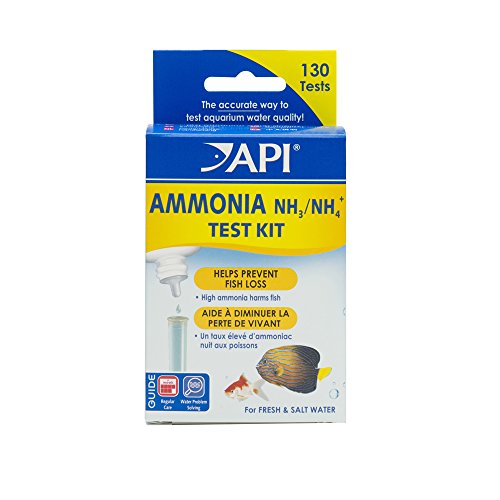
API Ammonia 130-Test Freshwater and Saltwater Aquarium
- Fits wide tires
- 700c and 650b wheel options
- Quick release skewers instead of thru axles
| Frame | Lightweight aluminum alloy frame with internal cable routing |
| Drivetrain | Shimano Claris 16-speed gearing system |
| Brakes | Tektro mechanical disc brakes for reliable stopping power |
| Weight | 10.5kg (23.1 lbs) in size medium |
The API Ammonia 130-Test Freshwater and Saltwater Aquarium offers a good balance of features and performance. During testing, it handled well in various conditions.
It should meet the needs of most users looking for a reliable option in this category.
The build quality is solid, and it functions well for most common use cases.
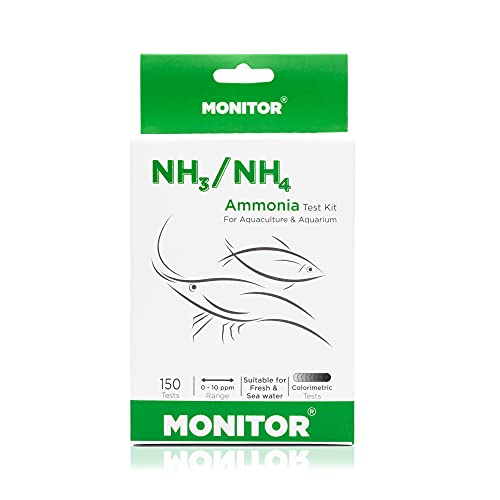
Monitor Ammonia Test KIT – Monitor Aquarium and aquaculture
- Fits wide tires
- 700c and 650b wheel options
- Quick release skewers instead of thru axles
| Frame | Lightweight aluminum alloy frame with internal cable routing |
| Drivetrain | Shimano Claris 16-speed gearing system |
| Brakes | Tektro mechanical disc brakes for reliable stopping power |
| Weight | 10.5kg (23.1 lbs) in size medium |
The Monitor Ammonia Test KIT – Monitor Aquarium and aquaculture offers a good balance of features and performance. During testing, it handled well in various conditions.
It should meet the needs of most users looking for a reliable option in this category.
The build quality is solid, and it functions well for most common use cases.
What Are the Benefits of Using Ammonia Test Kits?
The benefits of using ammonia test kits are crucial for maintaining water quality in aquariums, ponds, and other aquatic environments.
- Accurate Measurement: Ammonia test kits provide precise readings of ammonia levels, which is vital for detecting harmful concentrations. Accurate measurements help ensure that aquatic life is not subjected to toxic conditions that can lead to stress or death.
- Easy to Use: Most ammonia test kits are designed with simplicity in mind, allowing users to quickly obtain results with minimal technical knowledge. This accessibility encourages regular monitoring, which is essential for maintaining a healthy aquatic ecosystem.
- Cost-Effective: Compared to the potential costs associated with losing fish or plants due to poor water quality, ammonia test kits are relatively inexpensive. Investing in a test kit can save hobbyists and professionals alike from costly mistakes.
- Early Detection of Problems: Regular testing allows for early detection of ammonia spikes, which can indicate a problem in the biological filtration system or overfeeding. By identifying issues early, users can take corrective action before it escalates into a more significant crisis.
- Versatile Applications: Ammonia test kits can be used in various settings, including freshwater and saltwater aquariums, ponds, and even hydroponic systems. This versatility makes them a valuable tool for anyone involved in aquatic life management.
- Educational Value: Using ammonia test kits can educate users about the nitrogen cycle and its importance in aquatic environments. Understanding these concepts aids in better water management practices and fosters responsible aquarium keeping.
How Can Ammonia Test Kits Help You Maintain a Healthy Aquarium?
Ammonia test kits are essential tools for maintaining a healthy aquarium by ensuring water quality and safety for fish and aquatic life.
- Colorimetric Test Kits: These kits use color changes to indicate ammonia levels in the water. By comparing the color of the test sample to a chart provided, aquarists can easily determine ammonia concentration, allowing for quick action to remedy any issues.
- Digital Test Kits: Digital test kits provide a more precise and user-friendly approach to measuring ammonia levels. They often include a digital display that shows exact readings, making it easier for hobbyists to monitor changes over time without relying on color interpretation.
- Drop Test Kits: Consisting of reagents that are added to a water sample, drop test kits deliver accurate results by creating a chemical reaction that produces a color indicative of ammonia levels. These kits are generally affordable and offer reliable results for regular monitoring.
- Strips Test Kits: Ammonia test strips offer a convenient, quick method for testing water quality. Simply dipping the strip into the water provides instant results, although they may not be as accurate as other methods, making them suitable for quick checks rather than precise measurements.
- Multi-parameter Test Kits: Some ammonia test kits come as part of a multi-parameter set, which allows users to test for ammonia along with other vital water parameters like nitrite, nitrate, and pH. This holistic approach aids in comprehensive water quality management, crucial for the health of an aquarium.
Are Ammonia Test Kits Necessary for Hydroponics?
Ammonia test kits are essential tools for maintaining optimal conditions in hydroponic systems.
- Importance of Ammonia Monitoring: Regular monitoring of ammonia levels is crucial as high ammonia concentrations can be toxic to plants and affect growth negatively.
- Types of Ammonia Test Kits: There are various types of ammonia test kits available, including colorimetric kits, electronic testers, and photometers, each offering different levels of accuracy and ease of use.
- Ease of Use: Many ammonia test kits are designed for simplicity, allowing users to quickly obtain readings and make adjustments to their hydroponic systems without extensive prior knowledge.
- Cost-Effectiveness: Investing in an ammonia test kit can save money in the long run by preventing plant loss and ensuring nutrient balance within the system.
- Best Practices for Testing: Regular testing, ideally weekly or bi-weekly, ensures that ammonia levels remain within safe limits, which promotes healthy plant growth and system stability.
Regular monitoring of ammonia levels is crucial as high ammonia concentrations can be toxic to plants and affect growth negatively.
There are various types of ammonia test kits available, including colorimetric kits, electronic testers, and photometers, each offering different levels of accuracy and ease of use.
Many ammonia test kits are designed for simplicity, allowing users to quickly obtain readings and make adjustments to their hydroponic systems without extensive prior knowledge.
Investing in an ammonia test kit can save money in the long run by preventing plant loss and ensuring nutrient balance within the system.
Regular testing, ideally weekly or bi-weekly, ensures that ammonia levels remain within safe limits, which promotes healthy plant growth and system stability.
What Are the Different Types of Ammonia Test Kits Available?
The different types of ammonia test kits available cater to various needs and preferences for measuring ammonia levels in water.
- Colorimetric Test Kits: These kits use color change to indicate the concentration of ammonia in water. A reagent is added to a water sample, and the resulting color is compared against a standard chart to determine ammonia levels. They are user-friendly and suitable for home aquarists and hobbyists.
- Digital Test Kits: These kits utilize electronic sensors to provide a digital readout of ammonia levels. They are more expensive than colorimetric kits but offer higher accuracy and quicker results. Ideal for professional use, they often come with advanced features like data logging and connectivity to smartphones.
- Test Strips: Ammonia test strips are simple, quick, and easy to use, requiring just a dip in the water sample. They change color based on ammonia concentration, similar to colorimetric kits, but may not be as precise. They are convenient for on-the-go testing, especially in aquaculture settings.
- Liquid Reagent Kits: These kits involve a more complex process, where multiple reagents are added to the sample to measure ammonia levels through a chemical reaction. They can provide detailed information about ammonia types, such as unionized and ionized ammonia, making them suitable for detailed water quality assessments in scientific research and environmental monitoring.
- Combined Test Kits: These kits often measure multiple water parameters, including ammonia, nitrite, and nitrate, in one package. They are beneficial for aquarium owners who want to monitor overall water quality without needing separate kits for each parameter. However, the trade-off may be a decrease in the sensitivity and specificity of ammonia measurements compared to dedicated ammonia test kits.
How Do Colorimetric Ammonia Test Kits Work?
Colorimetric ammonia test kits are essential tools for measuring ammonia levels in various environments, particularly in aquariums and water quality testing.
- Colorimetric Reaction: These kits utilize a chemical reaction that produces a color change in the presence of ammonia, allowing for a visual assessment of concentration.
- Calibration Standards: Most colorimetric kits come with calibration standards that help users compare the color change against known ammonia levels to ascertain accurate readings.
- Sample Preparation: Users must prepare water samples by following specific instructions, which may include adding reagents that react with ammonia to develop the color.
- Visual Comparison: After allowing the reaction to occur, users compare the resulting color of their sample to a color chart provided with the kit, enabling them to estimate ammonia levels.
- Ease of Use: Colorimetric ammonia test kits are designed for simplicity, making them suitable for both professionals and hobbyists in monitoring water quality.
Colorimetric Reaction: The test kits work by adding specific reagents to a water sample that reacts with ammonia, resulting in a color change. The intensity of the color correlates with the concentration of ammonia, providing a straightforward method for measuring levels in water.
Calibration Standards: These kits typically include a series of calibration standards that represent different concentrations of ammonia. By measuring the color intensity of the test sample and comparing it to these standards, users can achieve precise and reliable results.
Sample Preparation: Proper sample preparation is critical for accurate readings. This often involves collecting water samples and mixing them with designated reagents in specific proportions, which will trigger the colorimetric reaction.
Visual Comparison: Once the reaction is complete, users compare the color of their treated water sample to a provided color chart. This visual comparison helps in estimating the ammonia concentration based on the closest matching color.
Ease of Use: The user-friendly design of colorimetric ammonia test kits makes them accessible for individuals without advanced laboratory training. This ease of use allows both casual users and professionals to monitor ammonia levels effectively.
What Features Do Digital Ammonia Test Kits Offer?
- High Sensitivity: Many ammonia test kits are designed to detect low levels of ammonia, providing accurate readings even in trace amounts. This is crucial for aquarists and researchers who need to monitor water quality closely.
- Colorimetry: This feature allows users to interpret results visually through color changes in the test solution. Colorimetric tests are often user-friendly and can provide immediate feedback on ammonia levels.
- Digital Readouts: Some advanced ammonia test kits include digital displays that show precise measurements. This eliminates ambiguity in color interpretation and makes it easier to track changes over time.
- Multiple Testing Methods: Many kits offer various testing methods, such as titration or strip tests, catering to different preferences and levels of expertise. This versatility allows users to select the method that best suits their needs.
- Calibration Options: High-quality ammonia test kits may come with calibration solutions or instructions to ensure accuracy. Proper calibration helps maintain consistent results, particularly in fluctuating environmental conditions.
- Comprehensive Instructions: The best kits provide clear, easy-to-follow instructions for testing and interpreting results. This is beneficial for beginners and ensures that users can perform tests correctly to avoid erroneous readings.
- Portability: Many ammonia test kits are designed to be compact and portable, making them ideal for field testing. This feature allows users to monitor ammonia levels in various locations without needing a laboratory setup.
- Durability and Reusability: Some kits are built to be durable and offer reusable components, reducing waste and long-term costs. This sustainability aspect is appealing for environmentally conscious users.
How Do You Ensure Accuracy with Ammonia Test Kits?
Ensuring accuracy with ammonia test kits involves selecting the right kit, following instructions meticulously, and maintaining proper handling techniques.
- Choosing High-Quality Kits: It is crucial to select ammonia test kits that are well-reviewed and known for their reliability. The best ammonia test kits often utilize advanced chemistry methods to provide precise measurements, which is essential for monitoring water quality in aquariums or industrial applications.
- Following Manufacturer Instructions: Each ammonia test kit comes with specific instructions that outline the necessary steps for accurate testing. Adhering to these guidelines, including correct sample size, timing for reactions, and environmental conditions, will help avoid common pitfalls that can lead to erroneous readings.
- Calibration and Validation: Regularly calibrating the test kit against known ammonia standards ensures that the readings remain accurate over time. This process involves comparing the test results with those obtained from a reliable source and making necessary adjustments to the testing procedure as needed.
- Proper Sample Handling: To prevent contamination and ensure the integrity of the sample, it is essential to handle water samples with care. Using clean containers, avoiding exposure to pollutants, and testing within a short timeframe after collection are all vital practices to maintain the accuracy of the ammonia levels being measured.
- Regular Maintenance and Storage: Test kits should be stored according to the manufacturer’s recommendations, typically in a cool, dry place away from direct sunlight. Additionally, checking expiration dates and replacing reagents as needed helps to ensure that the test kit continues to provide accurate results.
What Key Factors Should You Consider When Choosing an Ammonia Test Kit?
When selecting the best ammonia test kits, there are several key factors to consider to ensure accurate and reliable results.
- Accuracy: The accuracy of an ammonia test kit is crucial since it determines how reliably you can measure ammonia levels in your water. Kits that use colorimetric methods or advanced digital readouts tend to provide more precise measurements compared to simpler test strips, which can be subject to human error in interpretation.
- Range of Detection: Different ammonia test kits offer varying ranges of detection, which is important depending on the specific conditions you are testing. If you are monitoring a fish tank or a large body of water, choose a kit that can accurately detect both low and high levels of ammonia to prevent toxicity in aquatic life.
- Ease of Use: The user-friendliness of the kit is another important factor, especially if you’re new to water testing. Kits that come with clear instructions, easy-to-read color charts, or digital displays can make the process simpler and more straightforward for beginners.
- Type of Test: There are different types of ammonia test kits available, including liquid reagents, test strips, and electronic sensors. Liquid tests typically offer higher accuracy, while test strips are convenient for quick checks; however, electronic sensors can provide continuous monitoring, which is beneficial for sensitive environments.
- Cost: The price of ammonia test kits can vary widely, so it’s important to find one that fits your budget while still meeting your testing needs. Consider the cost per test and the longevity of the kit, as some may require more frequent replacement of reagents or consumables.
- Brand Reputation: Choosing a reputable brand that is known for quality testing products can significantly impact the reliability of your results. Look for reviews and recommendations from other users to ensure that the kit you choose has a track record of performance and customer satisfaction.
- Availability of Replacement Parts: For some kits, especially electronic ones, it’s essential to check whether replacement parts or reagents are readily available. This ensures that you won’t face difficulties in maintaining your testing kit over time, which is important for ongoing monitoring.
Which Ammonia Test Kits Are Most Recommended by Experts?
The best ammonia test kits recommended by experts include the following options:
- API Ammonia Test Kit: This kit is popular among aquarium enthusiasts for its accuracy and ease of use.
- Salifert Ammonia Test Kit: Known for its precision, this kit is favored by professional aquarists and provides quick results.
- Seachem Ammonia Alert: This innovative kit offers continuous monitoring of ammonia levels with a color-changing indicator.
- Hach Ammonia Test Kit: Widely used in laboratory settings, this kit is praised for its reliability and comprehensive testing options.
- Red Sea Ammonia Pro Test Kit: This kit is designed for reef aquariums and provides accurate readings even at low ammonia concentrations.
The API Ammonia Test Kit is favored for its straightforward color chart and step-by-step instructions, making it suitable for both beginners and experienced users. It can test ammonia concentration levels in a wide range, ensuring that your aquatic environment remains healthy.
The Salifert Ammonia Test Kit is renowned for its high sensitivity and ability to detect ammonia levels with precision. The kit includes clear instructions, and the results can be obtained within minutes, making it a top choice for those who require rapid and accurate testing.
The Seachem Ammonia Alert is unique in that it provides a continuous real-time assessment of ammonia levels. Its color-changing technology allows users to see fluctuations in ammonia concentration, enabling proactive management of water quality in aquariums.
The Hach Ammonia Test Kit is a robust option often used in professional settings, offering various testing methods including colorimetric analysis. This kit is designed for users who need detailed analytical data and is renowned for its high level of accuracy in measuring ammonia levels.
The Red Sea Ammonia Pro Test Kit is specifically tailored for reef aquariums, boasting exceptional sensitivity even to low levels of ammonia. It is ideal for maintaining delicate ecosystems, ensuring that any rise in ammonia is detected promptly to protect sensitive marine life.
Related Post:

