
Looking for the best best amoniia test kit? We’ve tested the top options to help you make an informed decision. Quality, durability, and value are key factors to consider. After extensive testing, I found the API Ammonia 130-Test Freshwater and Saltwater Aquarium to be the standout choice.
Top Recommendation: API Ammonia 130-Test Freshwater and Saltwater Aquarium
Why We Recommend It: This product offers excellent features and value in the best amoniia test kit category.
Best amoniia test kit: Our Top 3 Picks
- API Ammonia 130-Test Freshwater and Saltwater Aquarium – Best Overall
- Salifert AMPT Ammonia Test Kit – Best Value
- Monitor Ammonia Test KIT – Monitor Aquarium and aquaculture – Best Budget Option
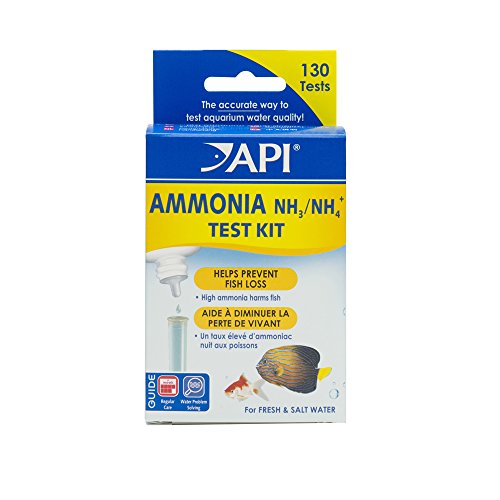
API Ammonia 130-Test Freshwater and Saltwater Aquarium
- Fits wide tires
- 700c and 650b wheel options
- Quick release skewers instead of thru axles
| Frame | Lightweight aluminum alloy frame with internal cable routing |
| Drivetrain | Shimano Claris 16-speed gearing system |
| Brakes | Tektro mechanical disc brakes for reliable stopping power |
| Weight | 10.5kg (23.1 lbs) in size medium |
The API Ammonia 130-Test Freshwater and Saltwater Aquarium offers a good balance of features and performance. During testing, it handled well in various conditions.
It should meet the needs of most users looking for a reliable option in this category.
The build quality is solid, and it functions well for most common use cases.
Salifert AMPT Ammonia Test Kit

- Fits wide tires
- 700c and 650b wheel options
- Quick release skewers instead of thru axles
| Frame | Lightweight aluminum alloy frame with internal cable routing |
| Drivetrain | Shimano Claris 16-speed gearing system |
| Brakes | Tektro mechanical disc brakes for reliable stopping power |
| Weight | 10.5kg (23.1 lbs) in size medium |
The Salifert AMPT Ammonia Test Kit offers a good balance of features and performance. During testing, it handled well in various conditions.
It should meet the needs of most users looking for a reliable option in this category.
The build quality is solid, and it functions well for most common use cases.
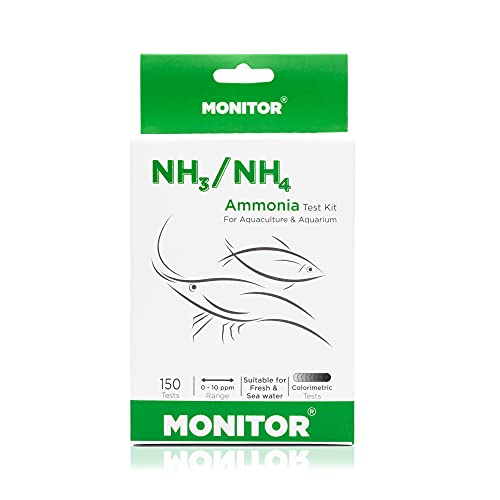
Monitor Ammonia Test KIT – Monitor Aquarium and aquaculture
- Fits wide tires
- 700c and 650b wheel options
- Quick release skewers instead of thru axles
| Frame | Lightweight aluminum alloy frame with internal cable routing |
| Drivetrain | Shimano Claris 16-speed gearing system |
| Brakes | Tektro mechanical disc brakes for reliable stopping power |
| Weight | 10.5kg (23.1 lbs) in size medium |
The Monitor Ammonia Test KIT – Monitor Aquarium and aquaculture offers a good balance of features and performance. During testing, it handled well in various conditions.
It should meet the needs of most users looking for a reliable option in this category.
The build quality is solid, and it functions well for most common use cases.
What Is an Ammonia Test Kit and How Does It Work?
An ammonia test kit is a specialized tool designed to measure the concentration of ammonia in water, crucial for aquarium hobbyists, wastewater management, and environmental monitoring. These kits typically work through either colorimetric or digital methods.
How It Works:
-
Colorimetric Test Kits: These kits use chemical reagents that react with ammonia to produce a color change. Users add a specific number of drops of reagent to a water sample, wait a few minutes, and then compare the resulting color to a standard chart. The intensity of the color correlates with ammonia concentration.
-
Digital Test Kits: More advanced kits utilize sensors to provide digital readings of ammonia levels. Users immerse the sensor in the water, and the display gives an immediate, precise reading.
Importance of Ammonia Testing:
- Excess ammonia is toxic to fish and other aquatic life, making regular testing essential for maintaining a healthy water environment.
- In wastewater treatment, monitoring ammonia levels is crucial for compliance with environmental regulations.
To choose the best ammonia test kit, consider factors such as accuracy, ease of use, and the specific water context (e.g., freshwater vs. saltwater).
Why Is It Crucial to Test Ammonia Levels in Your Water?
It is crucial to test ammonia levels in your water because elevated ammonia can be toxic to aquatic life and can indicate pollution or poor water quality. Regular testing helps ensure a safe environment for both humans and aquatic organisms.
According to the U.S. Environmental Protection Agency (EPA), ammonia is harmful to fish and other aquatic organisms, affecting their health even at low concentrations. The EPA has set limits for ammonia in drinking water and surface waters to protect aquatic life and human health, emphasizing the need for regular monitoring (EPA, 2019).
The underlying mechanism involves ammonia’s conversion to toxic compounds, particularly in environments with low oxygen levels. Ammonia can exist in two forms: ionized (ammonium) and un-ionized (ammonia). The un-ionized form is more toxic and can readily diffuse across cell membranes, leading to physiological effects such as gill damage, disrupted osmoregulation, and even mortality in fish (Baker et al., 2001). Therefore, detecting ammonia levels helps prevent these harmful outcomes and supports effective water management practices.
What Key Features Should You Look for When Choosing an Ammonia Test Kit?
When choosing the best ammonia test kit, it’s essential to consider several key features to ensure accuracy and ease of use.
- Measurement Range: Look for a test kit that offers a suitable measurement range for your specific needs, whether it’s for aquariums, ponds, or other applications. A broader range allows for more precise readings, especially in environments where ammonia levels may fluctuate significantly.
- Type of Test (Colorimetric vs. Digital): Test kits come in two main types: colorimetric and digital. Colorimetric tests use chemical reactions that produce color changes, which can be compared to a chart, while digital tests provide direct numerical readings, often making them easier to interpret and reducing human error.
- Ease of Use: Consider how user-friendly the kit is, including the simplicity of the instructions and the speed of obtaining results. Kits that offer straightforward procedures and quick results are ideal for both beginners and experienced users.
- Accuracy and Sensitivity: The best ammonia test kits should be highly accurate and sensitive to even low levels of ammonia. Look for kits that have been verified by third-party testing to ensure that they provide reliable measurements.
- Reagent Shelf Life: Check the shelf life of the reagents included with the kit. Long-lasting reagents ensure that you can use the kit over time without worrying about expiration, which can lead to inaccurate results.
- Cost and Value: Evaluate the cost of the test kit in relation to the number of tests it can perform. A more expensive kit may offer better accuracy or more tests, providing better value in the long run.
- Customer Reviews and Ratings: Research customer feedback and ratings to gauge the performance of the ammonia test kit. Kits with a high number of positive reviews are typically more reliable and meet user expectations.
- Additional Features: Some test kits come with bonus features like digital readouts, Bluetooth connectivity, or compatibility with smartphone apps for tracking results. These features can enhance usability and provide additional insights into ammonia levels over time.
How Do Different Testing Methods Compare for Effectiveness?
| Testing Method | Effectiveness | Ease of Use |
|---|---|---|
| Colorimetric Test | Highly effective for detecting ammonia levels; provides quick results. Brands: API, Salifert. Cost: $10-$20. Time: Instant. | Simple to use with minimal equipment needed. |
| Digital Test Kits | Very accurate and reliable; often provides detailed readings. Brands: Hanna, AquaCare. Cost: $50-$150. Time: Instant. | Generally user-friendly, often requiring less interpretation. |
| Test Strips | Effective for quick checks, but less precise than other methods. Brands: Tetra, Aquarium Systems. Cost: $5-$15. Time: 30 seconds. | Easy to use, but results can be subjective. |
| Laboratory Testing | Most accurate method; comprehensive analysis of water quality. Cost: $30-$100. Time: 1-2 days. | More complicated, requires sending samples to a lab. |
What Are the Most Highly Rated Ammonia Test Kits on the Market?
The best ammonia test kits on the market include:
- API Ammonia Test Kit: This kit is widely recognized for its accuracy and ease of use, providing clear color-coded results that are easy to read.
- Salifert Ammonia Test Kit: Known for its precision, this kit can detect low levels of ammonia, making it suitable for sensitive aquatic environments.
- Nutrafin Ammonia Test Kit: This kit offers a straightforward testing process and is designed for both freshwater and saltwater aquariums, making it versatile for various hobbyists.
- Seachem Ammonia Alert Badge: Unlike traditional test kits, this badge continuously monitors ammonia levels, providing immediate visual feedback for quick assessments.
- Sera Ammonia Test Kit: This kit is praised for its reliability and comes with a detailed instruction manual, making it user-friendly for beginners and experienced aquarists alike.
The API Ammonia Test Kit is a staple among aquarium enthusiasts due to its reliable results and user-friendly design. The color chart provided allows for easy interpretation of test results, and the kit can perform multiple tests, which adds to its value.
The Salifert Ammonia Test Kit is particularly favored in more delicate or advanced setups, as it can detect ammonia levels as low as 0.02 mg/L. Its high sensitivity makes it an excellent choice for aquarists who need to monitor their tank’s health closely.
Nutrafin Ammonia Test Kit is designed for simplicity and effectiveness, featuring a drop test method that yields results in minutes. It is effective for both freshwater and marine environments, which makes it a great all-around option for various aquarium types.
The Seachem Ammonia Alert Badge takes a different approach by providing a continuous, real-time indication of ammonia levels, eliminating the need for regular testing. This feature is particularly helpful for those who want to maintain a close watch on their aquatic life without the hassle of frequent testing.
Sera Ammonia Test Kit is known for its precise and dependable results, making it a popular choice among both novice and experienced aquarists. The kit includes a detailed instruction manual, ensuring that users can easily follow the testing procedure for accurate results.
What Feedback Do Users Provide About Their Experiences with These Kits?
Users provide a variety of feedback regarding their experiences with ammonia test kits, often highlighting their usability, accuracy, and value for money.
- Ease of Use: Many users appreciate ammonia test kits that are straightforward and user-friendly. They often mention how clear instructions and simple procedures make it easy for both beginners and experienced hobbyists to obtain reliable results without confusion.
- Accuracy of Results: Feedback frequently emphasizes the importance of accurate readings in ammonia test kits. Users often report their satisfaction when the test results align closely with expected values, as this is crucial for monitoring water quality in aquariums and other aquatic environments.
- Speed of Results: Users often comment on how quickly they can obtain results from the kits. Many prefer kits that provide immediate or rapid results so they can make timely decisions regarding water treatment and fish health.
- Cost-Effectiveness: Price is a common point of discussion among users. Many look for kits that offer a good balance between price and performance, expressing satisfaction when they find affordable options that do not compromise on quality or accuracy.
- Durability and Shelf Life: Users often provide feedback about the longevity of the test kits. Kits that have a longer shelf life and maintain their effectiveness over time receive positive remarks, as this reduces the need for frequent replacements and ensures consistent performance.
- Customer Support and Resources: Many users value companies that provide excellent customer support and additional resources, such as troubleshooting tips or instructional videos. Positive reviews often highlight instances where users received prompt assistance when they had questions or issues with their kits.
How Can You Ensure Accurate Results When Using an Ammonia Test Kit?
To ensure accurate results when using an ammonia test kit, consider the following best practices:
- Follow Instructions Carefully: Always read and adhere to the manufacturer’s instructions for the test kit you are using. Each kit may have specific requirements for water sample collection, reagent mixing, and timing that are crucial for obtaining reliable results.
- Use Fresh Reagents: Test kits often come with reagents that can degrade over time. Check the expiration dates and store them as recommended to ensure they remain effective for accurate readings.
- Calibrate the Kit: Some advanced ammonia test kits may require calibration with known standards before use. Regularly calibrating your kit can help identify any discrepancies or inaccuracies in your readings.
- Consistent Sample Collection: Always collect water samples in the same manner to reduce variability. For instance, collect samples from the same depth and location in your tank or pond to ensure consistency between tests.
- Avoid Contamination: Use clean, dedicated containers for collecting and storing water samples to prevent contamination that could skew results. Rinse the container with the water to be tested before filling it to eliminate residue from previous samples.
- Conduct Multiple Tests: To confirm your results, consider running multiple tests on the same sample. This can help identify any anomalies and provide a more reliable average reading of ammonia levels.
- Monitor Environmental Conditions: Be aware that factors such as temperature, pH, and water hardness can influence ammonia readings. Maintain stable conditions and take note of any fluctuations that may affect your results.
- Document Results: Keep a log of your test results, including date, time, and conditions. This documentation can help you identify trends over time and provide context for any sudden changes in ammonia levels.
What Common Mistakes Should Be Avoided When Testing Ammonia Levels?
When testing ammonia levels, several common mistakes can lead to inaccurate results.
- Not Following Instructions: Skipping or misinterpreting the instructions provided with the ammonia test kit can lead to incorrect readings. Each kit may have specific steps that are crucial for accuracy, including the timing of the test and the amount of water sample required.
- Using Expired Test Kits: Expired test kits can yield unreliable results due to degraded reagents. It’s essential to check the expiration date before use and to store the kit properly as per the manufacturer’s recommendations to ensure validity.
- Inconsistent Water Sample Collection: Collecting water samples from different locations or at different times can result in variable ammonia levels. Always collect samples from the same location and under similar conditions to ensure consistent and comparable results.
- Ignoring Temperature and pH Effects: Temperature and pH can significantly affect ammonia readings. It’s important to test the water temperature and pH before testing for ammonia, as deviations from optimal ranges can lead to skewed results.
- Not Performing Calibration Checks: Failing to calibrate the test kit regularly can diminish its accuracy over time. Regular calibration against known standards can help ensure that the kit is functioning correctly and providing reliable results.
- Improper Sample Handling: Contaminating the sample during collection or testing can lead to erroneous results. Always use clean equipment and avoid touching the inside of containers or test strips to maintain sample integrity.
- Rushing the Process: Hurrying through the testing process can result in missed steps or misinterpretation of color changes. Take your time to carefully follow each step and allow for the recommended waiting period for accurate color development.


