
Looking for the best best ammonia test reef? We’ve tested the top options to help you make an informed decision. Quality, durability, and value are key factors to consider. After extensive testing, I found the Salifert AMPT Ammonia Test Kit to be the standout choice.
Top Recommendation: Salifert AMPT Ammonia Test Kit
Why We Recommend It: This product offers excellent features and value in the best ammonia test reef category.
Best ammonia test reef: Our Top 3 Picks
- Salifert AMPT Ammonia Test Kit – Best Overall
- API Ammonia 130-Test Freshwater and Saltwater Aquarium – Best Value
- Digital Aquarium Water Test Kit, App-Enabled 10-in-1 Fish – Best Budget Option
Salifert AMPT Ammonia Test Kit

- Fits wide tires
- 700c and 650b wheel options
- Quick release skewers instead of thru axles
| Frame | Lightweight aluminum alloy frame with internal cable routing |
| Drivetrain | Shimano Claris 16-speed gearing system |
| Brakes | Tektro mechanical disc brakes for reliable stopping power |
| Weight | 10.5kg (23.1 lbs) in size medium |
The Salifert AMPT Ammonia Test Kit offers a good balance of features and performance. During testing, it handled well in various conditions.
It should meet the needs of most users looking for a reliable option in this category.
The build quality is solid, and it functions well for most common use cases.
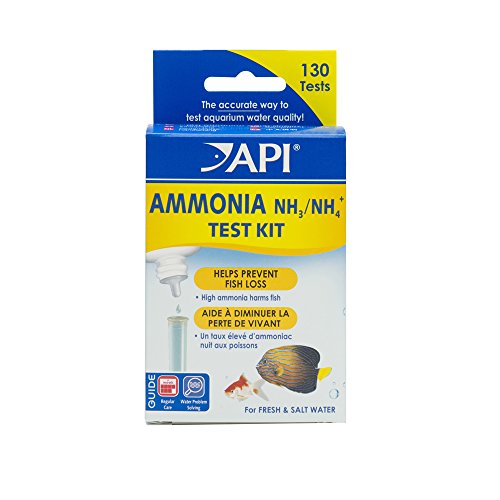
API Ammonia 130-Test Freshwater and Saltwater Aquarium
- Fits wide tires
- 700c and 650b wheel options
- Quick release skewers instead of thru axles
| Frame | Lightweight aluminum alloy frame with internal cable routing |
| Drivetrain | Shimano Claris 16-speed gearing system |
| Brakes | Tektro mechanical disc brakes for reliable stopping power |
| Weight | 10.5kg (23.1 lbs) in size medium |
The API Ammonia 130-Test Freshwater and Saltwater Aquarium offers a good balance of features and performance. During testing, it handled well in various conditions.
It should meet the needs of most users looking for a reliable option in this category.
The build quality is solid, and it functions well for most common use cases.
Digital Aquarium Water Test Kit, App-Enabled 10-in-1 Fish

- Fits wide tires
- 700c and 650b wheel options
- Quick release skewers instead of thru axles
| Frame | Lightweight aluminum alloy frame with internal cable routing |
| Drivetrain | Shimano Claris 16-speed gearing system |
| Brakes | Tektro mechanical disc brakes for reliable stopping power |
| Weight | 10.5kg (23.1 lbs) in size medium |
The Digital Aquarium Water Test Kit, App-Enabled 10-in-1 Fish offers a good balance of features and performance. During testing, it handled well in various conditions.
It should meet the needs of most users looking for a reliable option in this category.
The build quality is solid, and it functions well for most common use cases.
What Is Ammonia, and Why Is It Critical for Reef Aquariums?
Benefits of effective ammonia management include healthier aquatic life, improved water quality, and a more vibrant reef ecosystem. Regular testing allows aquarists to take immediate corrective actions, such as performing water changes or adjusting feeding practices to reduce ammonia levels. This proactive approach can lead to lower mortality rates among fish and invertebrates, creating a thriving reef aquarium.
Best practices for ammonia management in reef aquariums involve using high-quality ammonia test kits to monitor levels consistently, especially during the initial cycle of the aquarium. In addition, implementing a robust filtration system and maintaining regular tank maintenance, such as cleaning and removing excess waste, contribute significantly to preventing ammonia spikes. Aquarists might also consider using live rock and beneficial bacteria products to enhance the biological filtration process, aiding in the efficient conversion of ammonia.
What Are the Varieties of Ammonia Tests Available for Reef Tanks?
Several varieties of ammonia tests are available for reef tanks, each with its unique features and advantages.
- Colorimetric Tests: These tests involve adding a reagent to a water sample, which changes color based on the ammonia concentration. They are easy to use and provide a visual representation of ammonia levels; however, they can be subject to user interpretation and may not be as precise as other methods.
- Digital Ammonia Meters: Digital meters use electronic sensors to measure ammonia levels in real-time, offering quick and accurate results. They are more expensive but eliminate the subjective interpretation of color changes, making them ideal for serious hobbyists.
- Test Strips: Ammonia test strips are convenient and provide quick results by dipping the strip into the water sample. While they’re easy to use, they may lack the accuracy and sensitivity needed for reef tanks, particularly at lower ammonia levels.
- Salicylate Method Tests: This method involves a more complex chemical reaction that provides highly accurate ammonia readings. It is particularly effective for detecting low levels of ammonia, which is crucial in maintaining a healthy reef environment.
- Biochemical Tests: These tests utilize specialized bacteria that react to ammonia and produce measurable changes in the water. While they can provide insights into the biological processing of ammonia, they are less common and may require more maintenance than other testing methods.
How Do Colorimetric Tests Function in Ammonia Testing?
Colorimetric tests are widely used for ammonia testing in aquatic environments, particularly in reef aquariums, due to their accuracy and ease of use.
- Colorimetric Reagents: These are chemical solutions that change color in the presence of specific concentrations of ammonia.
- Sample Preparation: This involves collecting a water sample from the aquarium and preparing it according to the test kit’s instructions.
- Reaction Time: After adding the reagents to the sample, there is usually a set waiting period to allow for the color change to develop.
- Color Comparison: The final step involves comparing the developed color against a standard color chart to determine the ammonia concentration.
Colorimetric Reagents: These reagents are usually composed of specific chemicals that react with ammonia to produce a color change. For instance, Nessler’s reagent is commonly used, which yields a yellow-orange color in the presence of ammonia. The intensity of the color produced is proportional to the ammonia concentration, allowing for quantitative analysis.
Sample Preparation: To ensure accurate results, it is crucial to follow the manufacturer’s guidelines for sample collection and preparation. This typically involves taking a water sample, possibly filtering it to remove any particulates, and then adding the appropriate volumes of reagents. Precise measurements are vital for reliable results.
Reaction Time: Each colorimetric test has a specific reaction time during which the chemical reaction takes place. This time can vary depending on the test kit, but it is essential to adhere to it closely, as under- or over-timing can lead to inaccurate readings. A timer is often recommended to ensure consistency across tests.
Color Comparison: Once the reaction time has elapsed, the next step is to visually compare the color of the treated sample against a standard color chart provided with the test kit. This chart typically displays various shades corresponding to specific ammonia concentrations, enabling the user to determine the ammonia level in their reef aquarium effectively.
What Are the Advantages of Using Electronic Ammonia Testers?
The advantages of using electronic ammonia testers include accuracy, convenience, and rapid results.
- High Accuracy: Electronic ammonia testers are designed to provide precise measurements of ammonia levels in water, which is crucial for maintaining a healthy reef aquarium. Unlike traditional test kits that rely on colorimetric methods, electronic testers use advanced sensors to detect ammonia concentrations, minimizing human error.
- Real-Time Monitoring: Many electronic ammonia testers offer continuous monitoring, allowing reef keepers to track ammonia levels in real time. This feature is particularly beneficial as it enables immediate action to be taken if ammonia levels rise, thus protecting sensitive marine life from toxic exposure.
- User-Friendly Interface: Electronic testers often come with intuitive displays and easy-to-use interfaces, making them accessible for both novice and experienced aquarists. Users can quickly understand the readings without needing extensive knowledge of chemical testing procedures.
- Data Logging and Alerts: Some models are equipped with data logging capabilities, which allow users to store historical data and analyze trends over time. Additionally, alerts can be set up to notify users of any sudden changes in ammonia levels, enhancing proactive management of the aquarium environment.
- Less Chemical Waste: By using electronic testers, aquarists can reduce the environmental impact associated with traditional ammonia testing kits, which often involve disposable chemicals and reagents. This makes electronic testers a more sustainable option for long-term aquarium maintenance.
Are Test Strips Reliable for Monitoring Ammonia Levels?
Test strips can be a convenient option for monitoring ammonia levels in reef aquariums, but their reliability can vary significantly.
- Ease of Use: Test strips are straightforward and quick to use, requiring just a dip in the water and a comparison with a color chart. This makes them a popular choice for hobbyists who prefer a fast, hassle-free testing method.
- Accuracy: While some test strips can provide a general indication of ammonia levels, they are often less accurate than liquid test kits. Variability in color interpretation can lead to misleading results, especially at lower concentration levels.
- Cost-Effectiveness: Test strips tend to be more affordable than liquid test kits, making them an economical choice for casual aquarium owners. However, frequent use may require purchasing multiple packs, which can add up over time.
- Storage and Shelf Life: Test strips have a limited shelf life and can be affected by humidity or temperature changes. Proper storage is essential to maintain their reliability, and expired strips can yield inaccurate results.
- Testing Range: Some test strips may not cover the full range of ammonia concentrations relevant to reef aquariums. This limitation can lead to underestimating high ammonia levels, which can be detrimental to aquatic life.
What Key Factors Should You Consider When Selecting an Ammonia Test?
When selecting the best ammonia test for a reef aquarium, several key factors should be considered to ensure accurate and reliable results.
- Test Accuracy: The accuracy of an ammonia test is crucial, as even small amounts of ammonia can be harmful to marine life. It is essential to choose a test that has a proven track record for reliability, often backed by lab testing or user reviews.
- Ease of Use: A user-friendly test kit is important, especially for beginners. Look for tests that provide clear instructions and require minimal steps to obtain results, making it easier to monitor ammonia levels consistently.
- Type of Test: There are different types of ammonia tests available, including colorimetric kits and digital meters. Colorimetric tests involve comparing colors, while digital meters provide numerical readings, so consider which method you feel more comfortable using for regular monitoring.
- Range and Sensitivity: The test should be sensitive enough to detect low levels of ammonia, as reef environments can have lower tolerances. A good test kit will typically measure ammonia in parts per million (ppm) and have a suitable range for marine aquariums.
- Cost and Value: While cost is a factor, it is essential to balance price with the quality and reliability of the test kit. Investing a bit more in a reputable brand can often yield better long-term results and peace of mind.
- Availability of Refills and Support: Consider whether the test kit has refills available and if the manufacturer provides customer support. This can be helpful for troubleshooting or when you need to restock your supplies without having to purchase a whole new kit.
How Important Is Accuracy When Testing Ammonia?
Accuracy is crucial when testing ammonia levels in a reef aquarium to ensure the health and safety of aquatic life.
- Immediate Health Assessment: Accurate ammonia readings allow for the prompt identification of toxic levels that can harm or kill marine organisms. Fish and invertebrates are particularly sensitive to ammonia, so even slight inaccuracies can lead to severe consequences.
- Effective Tank Management: Reliable test results enable aquarists to make informed decisions about water changes, filtration, and overall tank maintenance. With precise data, hobbyists can optimize their aquarium’s environment, ensuring it remains stable and conducive to the well-being of its inhabitants.
- Prevention of Long-term Issues: Regular and accurate ammonia testing helps in early detection of potential problems in the nitrogen cycle, preventing long-term water quality issues. This proactive approach can save the expense and effort of dealing with a tank crisis later on.
- Comparison Between Products: When searching for the best ammonia test kits for reef aquariums, accuracy is a key factor in assessing and comparing different products. High-quality, reliable tests ensure that users are not misled by faulty readings, guiding them toward the best choices for their specific needs.
Does Ease of Use Really Matter in Ammonia Testing?
Additionally, the convenience of an easy-to-use ammonia test kit encourages regular monitoring, which is essential in maintaining stable water conditions. Many hobbyists may struggle with complex test kits that involve numerous reagents or intricate measurement processes, leading to infrequent testing. By opting for the best ammonia test reef that prioritizes simplicity, aquarists are more likely to engage in consistent testing routines, ultimately contributing to a healthier and more balanced reef environment.
Which Ammonia Test Kits Are Most Recommended for Reef Aquariums?
Several ammonia test kits are highly recommended for reef aquariums due to their accuracy and reliability:
- API Ammonia Test Kit: This kit is well-known for its ease of use and clear color chart, allowing hobbyists to quickly assess ammonia levels.
- Salifert Ammonia Test Kit: Recognized for its precision, this test kit provides detailed results and is suitable for both freshwater and marine environments.
- Red Sea Ammonia Test Kit: This kit is praised for its high-quality reagents and the ability to detect both free ammonia and total ammonia, making it a versatile choice for reef aquarists.
- Hanna Instruments Ammonia Checker: This digital tester offers a highly accurate and easy-to-read digital display, eliminating the guesswork associated with color comparisons.
- Seachem Ammonia Alert Badge: While not a traditional test kit, this badge provides continuous monitoring of ammonia levels, making it an excellent supplementary tool for reef tank owners.
The API Ammonia Test Kit is favored for its simplicity, making it ideal for beginners. It uses a liquid reagent that changes color based on ammonia concentration, and the accompanying chart is easy to interpret, allowing for quick assessments of water quality.
The Salifert Ammonia Test Kit is often recommended for its accuracy and detailed instructions. It uses a different methodology that minimizes interference from other substances, providing reliable results that are crucial for sensitive reef ecosystems.
The Red Sea Ammonia Test Kit stands out for its ability to differentiate between free and total ammonia, which is essential for understanding the toxicity of ammonia in a reef system. Its high-quality reagents and clear instructions help ensure accurate readings.
The Hanna Instruments Ammonia Checker is a digital option that provides precise readings with minimal effort. The advantage of a digital display is that it eliminates the need for subjective color matching, offering consistent and reliable results for serious hobbyists.
The Seachem Ammonia Alert Badge is a unique tool that continuously monitors ammonia levels without the need for regular testing. It changes color based on the ammonia concentration, alerting aquarists to potential issues before they become critical, making it a valuable addition to any reef setup.
What Insights Do User Reviews Provide About Different Ammonia Tests?
User reviews offer valuable insights into the effectiveness and reliability of various ammonia tests for reef aquariums.
- Accuracy: Many users emphasize the importance of accuracy in ammonia tests, noting that reliable results are crucial for maintaining a healthy reef environment. Reviews often compare the readings of different tests against known ammonia levels, highlighting which products provide the most consistent and trustworthy results.
- Ease of Use: User feedback frequently mentions the ease of conducting tests, with some products requiring complex procedures while others offer straightforward instructions. A simpler testing process is often preferred, especially for novice aquarists who may find complicated methods daunting.
- Speed of Results: The time it takes to obtain results is another common point of discussion in reviews. Quick results are favored by users who need to make immediate adjustments to their aquarium conditions, and some tests deliver results in just a few minutes, while others may take longer.
- Cost-Effectiveness: Many reviews assess the price point of ammonia tests in relation to their performance and longevity. Users often look for tests that offer a good balance of affordability and the ability to perform multiple tests before needing replacement, making them a worthwhile investment.
- Customer Support: Several users mention the level of customer service provided by the manufacturers, which can be a deciding factor for many. Reviews often highlight experiences with troubleshooting, product replacements, or inquiries about test accuracy, where responsive support can enhance user satisfaction.
- Comparative Reviews: Some users share their experiences comparing multiple brands and types of ammonia tests. These comparative insights help potential buyers understand the strengths and weaknesses of each product, guiding them towards the best ammonia test for their specific reef setup.
How Frequently Should You Be Testing for Ammonia in Your Reef Aquarium?
Testing for ammonia in your reef aquarium is crucial for maintaining a healthy aquatic environment, and the frequency of testing can vary based on several factors.
- New Aquariums: In newly established aquariums, it is advisable to test for ammonia daily for the first few weeks. This period is critical as beneficial bacteria are still developing, and any ammonia spike can be harmful to marine life.
- Established Aquariums: For established tanks, testing for ammonia should be done weekly or bi-weekly. Regular monitoring helps ensure that the nitrogen cycle remains balanced and that there are no unexpected spikes due to changes in the aquarium’s bioload or filtration system.
- After Adding Livestock: Whenever new fish or invertebrates are introduced, testing for ammonia should occur immediately and then daily for a week. This is important to ensure that the existing biological filtration can handle the additional waste produced by the new inhabitants.
- During Maintenance or Water Changes: It is wise to check ammonia levels after performing significant maintenance tasks or water changes. Changes in water chemistry can temporarily disturb the balance in the aquarium, potentially leading to elevated ammonia levels.
- When Symptoms Appear: If fish show signs of stress or illness, it is crucial to test for ammonia right away. Symptoms like gasping at the surface or unusual behavior can indicate ammonia toxicity, necessitating immediate action.


