
Looking for the best best ammonia test kit? We’ve tested the top options to help you make an informed decision. Quality, durability, and value are key factors to consider. After extensive testing, I found the API Ammonia 130-Test Freshwater and Saltwater Aquarium to be the standout choice.
Top Recommendation: API Ammonia 130-Test Freshwater and Saltwater Aquarium
Why We Recommend It: This product offers excellent features and value in the best ammonia test kit category.
Best ammonia test kit: Our Top 4 Picks
- API Ammonia 130-Test Freshwater and Saltwater Aquarium – Best Overall
- Salifert AMPT Ammonia Test Kit – Best Value
- Monitor Ammonia Test KIT – Monitor Aquarium and aquaculture – Best Budget Option
- Monitor Nitrite, Ammonia Test KIT_Combo Set – Best Premium Choice
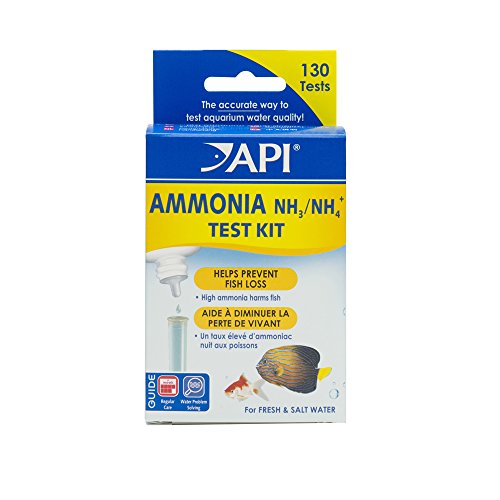
API Ammonia 130-Test Freshwater and Saltwater Aquarium
- Fits wide tires
- 700c and 650b wheel options
- Quick release skewers instead of thru axles
| Frame | Lightweight aluminum alloy frame with internal cable routing |
| Drivetrain | Shimano Claris 16-speed gearing system |
| Brakes | Tektro mechanical disc brakes for reliable stopping power |
| Weight | 10.5kg (23.1 lbs) in size medium |
The API Ammonia 130-Test Freshwater and Saltwater Aquarium offers a good balance of features and performance. During testing, it handled well in various conditions.
It should meet the needs of most users looking for a reliable option in this category.
The build quality is solid, and it functions well for most common use cases.
Salifert AMPT Ammonia Test Kit

- Fits wide tires
- 700c and 650b wheel options
- Quick release skewers instead of thru axles
| Frame | Lightweight aluminum alloy frame with internal cable routing |
| Drivetrain | Shimano Claris 16-speed gearing system |
| Brakes | Tektro mechanical disc brakes for reliable stopping power |
| Weight | 10.5kg (23.1 lbs) in size medium |
The Salifert AMPT Ammonia Test Kit offers a good balance of features and performance. During testing, it handled well in various conditions.
It should meet the needs of most users looking for a reliable option in this category.
The build quality is solid, and it functions well for most common use cases.
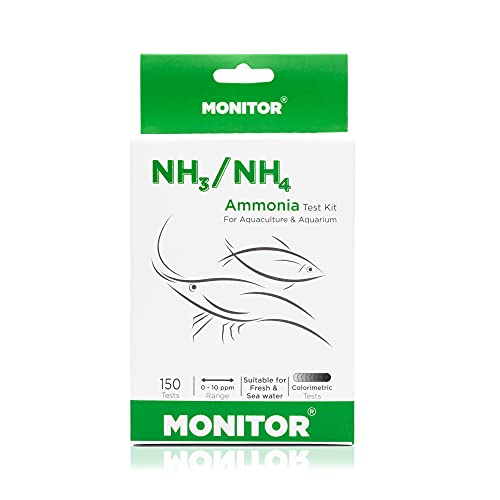
Monitor Ammonia Test KIT – Monitor Aquarium and aquaculture
- Fits wide tires
- 700c and 650b wheel options
- Quick release skewers instead of thru axles
| Frame | Lightweight aluminum alloy frame with internal cable routing |
| Drivetrain | Shimano Claris 16-speed gearing system |
| Brakes | Tektro mechanical disc brakes for reliable stopping power |
| Weight | 10.5kg (23.1 lbs) in size medium |
The Monitor Ammonia Test KIT – Monitor Aquarium and aquaculture offers a good balance of features and performance. During testing, it handled well in various conditions.
It should meet the needs of most users looking for a reliable option in this category.
The build quality is solid, and it functions well for most common use cases.
Monitor Nitrite, Ammonia Test KIT_Combo Set

- Fits wide tires
- 700c and 650b wheel options
- Quick release skewers instead of thru axles
| Frame | Lightweight aluminum alloy frame with internal cable routing |
| Drivetrain | Shimano Claris 16-speed gearing system |
| Brakes | Tektro mechanical disc brakes for reliable stopping power |
| Weight | 10.5kg (23.1 lbs) in size medium |
The Monitor Nitrite, Ammonia Test KIT_Combo Set offers a good balance of features and performance. During testing, it handled well in various conditions.
It should meet the needs of most users looking for a reliable option in this category.
The build quality is solid, and it functions well for most common use cases.
What Makes an Ammonia Test Kit the Best Choice for You?
The best ammonia test kit for you should consider several factors that ensure accurate and reliable results.
- Accuracy: Look for kits that provide precise measurements of ammonia levels in various ranges. High accuracy is crucial as even small variations in ammonia concentration can significantly affect aquatic life.
- Ease of Use: A user-friendly kit often includes clear instructions and easy-to-read color charts. This ensures that even beginners can perform tests without confusion and obtain reliable results.
- Test Type: Consider whether you prefer a liquid test, which often provides a broader range of detection, or test strips, which are quicker and more convenient. Each type has its pros and cons depending on your testing needs and frequency.
- Cost Efficiency: Evaluate the cost per test for the kit you choose, as some kits may be more expensive upfront but provide more tests or longer shelf life. A cost-effective kit can save you money in the long run, especially if you need to monitor ammonia levels regularly.
- Reputation and Reviews: Research customer feedback and expert reviews to identify trusted brands. Kits with positive testimonials and high ratings typically indicate reliability and effectiveness in measuring ammonia levels.
- Additional Features: Some kits come with extras such as a digital display, built-in calibration features, or the ability to test for other parameters. These added functionalities can enhance your testing experience and provide more comprehensive water quality insights.
How Do Ammonia Test Kits Work and Why Are They Necessary?
Ammonia test kits are crucial for monitoring ammonia levels in aquatic environments, ensuring the health of fish and other aquatic life.
- Colorimetric Test Kits: These kits use a chemical reagent that reacts with ammonia to produce a color change, which can be compared to a color chart to determine concentration levels.
- Digital Test Kits: Utilizing sensors and advanced technology, these kits provide precise readings of ammonia levels and often feature digital displays for ease of use.
- Test Strips: Ammonia test strips are convenient and quick to use; just dip the strip into the water sample and compare the resulting color against a scale.
- Professional Lab Kits: These kits are designed for more accurate and comprehensive analysis, often used by aquarists and researchers to measure ammonia in various conditions.
- API Test Kits: Known for their reliability, these kits involve adding a reagent to a water sample that will change color based on the ammonia concentration, making them popular among aquarium hobbyists.
Colorimetric Test Kits: These kits are popular due to their straightforward method of testing. The process involves adding a specific reagent to a water sample, which reacts with the ammonia present, resulting in a color change. Users can then match the color to a provided chart to ascertain the ammonia concentration, making it a simple yet effective method for monitoring water quality.
Digital Test Kits: Digital test kits offer a modern approach to water testing, often using probes that measure ammonia levels electronically. This technology provides highly accurate readings and eliminates the guesswork associated with color matching in traditional kits. Many digital kits also store historical data, making it easier to track changes over time.
Test Strips: Ammonia test strips are favored for their convenience and speed, allowing for quick assessments of water quality. Users simply dip the strip into the sample, wait for a few moments, and then compare the resulting color against a scale provided on the packaging. While they may not be as precise as liquid tests, they are excellent for a rapid check.
Professional Lab Kits: These kits provide a more in-depth analysis and are often used by professionals in aquaculture or research. They typically involve multiple steps and may require additional equipment, but they yield detailed information about ammonia levels and other water parameters. This level of precision is crucial for maintaining the health of sensitive aquatic ecosystems.
API Test Kits: API test kits are well-known in the aquarium community for their accuracy and ease of use. The ammonia test involves adding a few drops of reagent to a water sample, which will then produce a noticeable color change depending on the ammonia concentration. Their reliability makes them a top choice for both novice and experienced aquarists alike.
What Key Features Should You Look for in an Ammonia Test Kit?
When searching for the best ammonia test kit, consider the following key features:
- Accuracy: The accuracy of the test kit is crucial for reliable results, which can help prevent toxic ammonia buildup in aquatic environments.
- Ease of Use: A user-friendly kit allows both beginners and experienced users to perform tests quickly and interpret results easily.
- Range of Detection: A good test kit should be able to measure a wide range of ammonia concentrations to accommodate various water conditions.
- Time to Results: The time it takes to get results can be an important factor, especially for aquarists needing immediate feedback on water quality.
- Reagent Quality: High-quality reagents ensure consistent and reliable testing without the risk of contamination or degradation over time.
- Cost-Effectiveness: Consider the price of the kit in relation to the number of tests it can perform, ensuring it provides good value over time.
- Compatibility: The kit should be compatible with various water types, including freshwater and saltwater, making it versatile for different aquariums.
Accuracy is vital in an ammonia test kit, as even small inaccuracies can lead to significant misinterpretations of water quality, which can be harmful to aquatic life. Look for kits that have been independently tested or validated for precise readings.
Ease of use is another important feature, as a user-friendly kit typically includes clear instructions and straightforward procedures that can help avoid errors during testing. This is especially beneficial for beginners who may not be familiar with water testing protocols.
The range of detection is significant because different aquatic systems may have varying levels of ammonia. A kit that offers a broad detection range will provide more flexibility and usability in different conditions.
Time to results can vary between test kits; some provide instant results while others might require a waiting period. Quick results can be essential for managing the health of fish and plants in an aquarium, particularly in emergency situations.
Reagent quality is essential for ensuring that the results are not only accurate but also repeatable. Poor quality reagents may degrade faster, leading to unreliable test outcomes or requiring more frequent replacements.
Cost-effectiveness should be evaluated by considering the kit’s initial price compared to the number of tests it can perform. A more expensive kit that lasts longer and provides more tests may be a better investment in the long run.
Compatibility is important because some test kits are designed specifically for either freshwater or saltwater. A versatile kit that works well in both environments can save money and simplify testing routines for aquarium enthusiasts.
Which Brands Are Considered Top-Performers in Ammonia Testing?
The main brands considered top-performers in ammonia testing are:
- API Freshwater Ammonia Test Kit: Known for its accuracy and ease of use, this kit allows aquarium enthusiasts to quickly gauge ammonia levels in freshwater systems.
- Salifert Ammonia Test Kit: This kit is praised for its precision and sensitivity, making it ideal for both freshwater and marine aquariums, offering detailed results even at low concentrations.
- Seachem Ammonia Alert: A unique continuous monitoring tool that provides a visual indicator of ammonia levels, allowing for immediate awareness of changes in water quality.
- Hach Ammonia Test Kit: Renowned in professional and laboratory settings, this kit uses colorimetric analysis for highly accurate readings, making it suitable for serious hobbyists and researchers alike.
The API Freshwater Ammonia Test Kit includes a simple color-coded chart for easy interpretation and is well-loved for its straightforward procedure, making it a popular choice among beginners.
Salifert Ammonia Test Kit features a high resolution that detects low ammonia levels, which is crucial for sensitive aquatic environments, and it comes with detailed instructions to ensure accurate results.
The Seachem Ammonia Alert utilizes a unique sensor that changes color based on the ammonia concentration, providing an ongoing assessment that helps prevent toxic levels before they become a problem.
The Hach Ammonia Test Kit is often utilized in environmental testing, featuring advanced techniques that yield consistent and reliable results, which is why it’s favored by professionals who require stringent accuracy in their testing protocols.
How Should You Properly Use an Ammonia Test Kit for Accurate Results?
To properly use an ammonia test kit for accurate results, follow these essential steps:
- Read the Instructions: Always start by thoroughly reading the manufacturer’s instructions that come with the test kit, as different kits may have varying procedures and requirements.
- Gather Supplies: Ensure you have all necessary materials ready, including the test kit, a clean container for water samples, and a timer for accurate timing of reactions.
- Collect Water Sample: Use a clean container to collect a water sample from the source to be tested, ensuring no contaminants interfere with the results.
- Perform the Test: Follow the specified steps for adding reagents to your water sample, paying close attention to timing and mixing instructions to ensure a proper reaction.
- Compare Results: After the reaction period, compare the color of your sample against the provided color chart to determine ammonia levels accurately.
- Document Results: Keep a record of your results for future reference, which can help track changes over time and inform water quality management.
Reading the instructions is crucial because it ensures that you are aware of any specific requirements or variations in testing procedures that could impact accuracy. Each ammonia test kit may have different reagents and measurement scales, so familiarizing yourself with these details can prevent mistakes.
Gathering supplies is essential to ensure you have everything on hand before beginning the test. This includes not only the test kit and water sample but also clean containers and tools to mix or measure, which helps maintain the integrity of the sample and results.
Collecting a water sample should be done carefully to avoid contamination. Using a clean container and taking the sample from the appropriate depth or location will yield the most accurate results, as ammonia levels can vary significantly within a water body.
When performing the test, it is important to follow the steps precisely as specified by the kit. The timing of adding reagents and allowing the reaction to occur is critical, as variations in these times can lead to inaccurate readings and misleading results.
Comparing results against the color chart provided with the kit is the final step to determine ammonia levels. Ensure you have good lighting and a clear view to accurately judge the color, as even slight differences can indicate significant variations in ammonia concentration.
Documenting results is vital for tracking changes over time and can provide insights into water quality and potential issues. Keeping a log allows you to analyze trends and make informed decisions regarding water management or treatment needs.
What Are the Common Errors to Avoid When Using Ammonia Test Kits?
When using ammonia test kits, there are several common errors to avoid to ensure accurate results.
- Not Following Instructions: Many users neglect to carefully read the manufacturer’s instructions, which can lead to improper testing methods. Each kit may have specific requirements for sample size, timing, and interpretation of results, and failing to adhere to these can produce inaccurate measurements.
- Using Expired Kits: Test kits have a shelf life, and using an expired kit can result in unreliable readings. Before conducting any tests, it’s crucial to check the expiration date and ensure that the reagents are still effective to maintain the integrity of the results.
- Inconsistent Water Sampling: Taking samples from different locations or at different times can yield variable results due to localized ammonia concentrations. Consistency in where and when samples are collected is essential for reliable comparisons over time.
- Improper Storage of Reagents: Many users fail to store test kit reagents correctly, often exposing them to extreme temperatures or direct sunlight. Proper storage is vital to prevent degradation of the chemicals, which can alter their effectiveness and lead to inaccurate test outcomes.
- Ignoring Environmental Factors: Factors such as water temperature, pH, and the presence of other chemicals can affect ammonia readings. It’s important to consider these variables, as they can interfere with the test and must often be accounted for in interpretation.
- Not Performing Calibration: Some ammonia test kits require calibration against known standards to ensure accuracy. Neglecting this step can lead to systematic errors in readings, making it essential to regularly calibrate the kit according to the manufacturer’s recommendations.
How Can You Accurately Interpret the Results from Your Ammonia Test Kit?
To accurately interpret the results from your ammonia test kit, consider the following factors:
- Calibration of the Test Kit: Ensure that your ammonia test kit is properly calibrated according to the manufacturer’s instructions. Calibration helps to eliminate variations in readings caused by environmental factors or equipment inconsistencies, leading to more accurate results.
- Sample Handling: Proper sample handling is crucial for reliable results. Ensure that the water sample is collected in a clean container and tested promptly to avoid changes in ammonia concentration due to bacterial activity or evaporation.
- Understanding Color Charts: Most ammonia test kits use colorimetric methods where the resulting color indicates ammonia concentration. Familiarize yourself with the color chart provided by the kit, ensuring you can accurately match the test result to the corresponding ammonia level.
- Water Conditions: Be aware of the specific water conditions, such as pH and temperature, as these can affect ammonia levels. High pH and temperature can increase the toxicity of ammonia, so it’s important to consider these factors when interpreting results.
- Frequency of Testing: Regular testing can help you track ammonia levels over time and identify trends. Establishing a testing routine allows you to detect potential problems early, ensuring your aquatic environment remains healthy.
- Comparison with Other Parameters: Ammonia levels should be considered alongside other water quality parameters, such as nitrite and nitrate levels. Understanding how these parameters interact can provide a more holistic view of your water quality and help in making informed decisions.


