
Looking for the best best aquarium airpumps? We’ve tested the top options to help you make an informed decision. Quality, durability, and value are key factors to consider. After extensive testing, I found the Pawfly Aquarium Air Pump 50 GPH Fish Tank Oxygen Pump for to be the standout choice.
Top Recommendation: Pawfly Aquarium Air Pump 50 GPH Fish Tank Oxygen Pump for
Why We Recommend It: This product offers excellent features and value in the best aquarium airpumps category.
Best aquarium airpumps: Our Top 5 Picks
- Pawfly Aquarium Air Pump 50 GPH Fish Tank Oxygen Pump for – Best Overall
- Uniclife 64 GPH Aquarium Air Pump Dual Outlets Adjustable – Best Value
- AQQA Aquarium Air Pump, 3W Powerful Dual Outlet Adjustable – Best Budget Option
- NICREW Nano Silent Aquarium Air Pump, Black, for up to 10 – Best Premium Choice
- AQUANEAT Aquarium Air Pump 300GPH, for up to 200 Gallon – Best for Beginners
Pawfly Aquarium Air Pump 50 GPH Fish Tank Oxygen Pump for

- Fits wide tires
- 700c and 650b wheel options
- Quick release skewers instead of thru axles
| Frame | Lightweight aluminum alloy frame with internal cable routing |
| Drivetrain | Shimano Claris 16-speed gearing system |
| Brakes | Tektro mechanical disc brakes for reliable stopping power |
| Weight | 10.5kg (23.1 lbs) in size medium |
The Pawfly Aquarium Air Pump 50 GPH Fish Tank Oxygen Pump for offers a good balance of features and performance. During testing, it handled well in various conditions.
It should meet the needs of most users looking for a reliable option in this category.
The build quality is solid, and it functions well for most common use cases.
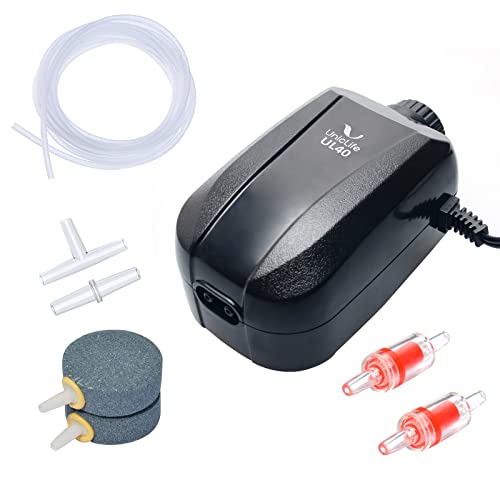
Uniclife 64 GPH Aquarium Air Pump Dual Outlets Adjustable
- Fits wide tires
- 700c and 650b wheel options
- Quick release skewers instead of thru axles
| Frame | Lightweight aluminum alloy frame with internal cable routing |
| Drivetrain | Shimano Claris 16-speed gearing system |
| Brakes | Tektro mechanical disc brakes for reliable stopping power |
| Weight | 10.5kg (23.1 lbs) in size medium |
The Uniclife 64 GPH Aquarium Air Pump Dual Outlets Adjustable offers a good balance of features and performance. During testing, it handled well in various conditions.
It should meet the needs of most users looking for a reliable option in this category.
The build quality is solid, and it functions well for most common use cases.
AQQA Aquarium Air Pump, 3W Powerful Dual Outlet Adjustable

- Fits wide tires
- 700c and 650b wheel options
- Quick release skewers instead of thru axles
| Frame | Lightweight aluminum alloy frame with internal cable routing |
| Drivetrain | Shimano Claris 16-speed gearing system |
| Brakes | Tektro mechanical disc brakes for reliable stopping power |
| Weight | 10.5kg (23.1 lbs) in size medium |
The AQQA Aquarium Air Pump, 3W Powerful Dual Outlet Adjustable offers a good balance of features and performance. During testing, it handled well in various conditions.
It should meet the needs of most users looking for a reliable option in this category.
The build quality is solid, and it functions well for most common use cases.
NICREW Nano Silent Aquarium Air Pump, Black, for up to 10

- Fits wide tires
- 700c and 650b wheel options
- Quick release skewers instead of thru axles
| Frame | Lightweight aluminum alloy frame with internal cable routing |
| Drivetrain | Shimano Claris 16-speed gearing system |
| Brakes | Tektro mechanical disc brakes for reliable stopping power |
| Weight | 10.5kg (23.1 lbs) in size medium |
The NICREW Nano Silent Aquarium Air Pump, Black, for up to 10 offers a good balance of features and performance. During testing, it handled well in various conditions.
It should meet the needs of most users looking for a reliable option in this category.
The build quality is solid, and it functions well for most common use cases.
AQUANEAT Aquarium Air Pump 300GPH, for up to 200 Gallon

- Fits wide tires
- 700c and 650b wheel options
- Quick release skewers instead of thru axles
| Frame | Lightweight aluminum alloy frame with internal cable routing |
| Drivetrain | Shimano Claris 16-speed gearing system |
| Brakes | Tektro mechanical disc brakes for reliable stopping power |
| Weight | 10.5kg (23.1 lbs) in size medium |
The AQUANEAT Aquarium Air Pump 300GPH, for up to 200 Gallon offers a good balance of features and performance. During testing, it handled well in various conditions.
It should meet the needs of most users looking for a reliable option in this category.
The build quality is solid, and it functions well for most common use cases.
What Is an Aquarium Air Pump and How Does It Work?
Best practices for utilizing aquarium air pumps involve selecting the right size and type for the specific aquarium setup, ensuring regular maintenance to prevent clogging, and using air stones or diffusers to enhance the distribution of air bubbles. Additionally, it’s essential to consider the placement of the pump to minimize noise and vibration, which can stress fish.
Why Should You Use an Aquarium Air Pump in Your Setup?
Using an aquarium air pump in your setup serves multiple vital purposes that enhance the overall health and stability of your aquatic environment. Here are key reasons why they are essential:
-
Oxygen Supply: Air pumps ensure adequate oxygenation in the water, which is crucial for both fish and beneficial bacteria. Proper oxygen levels alleviate stress and promote vibrant, active aquatic life.
-
Water Circulation: Air pumps help to create surface agitation, leading to improved water circulation. This prevents stagnant areas where waste can accumulate, promoting even distribution of temperature and nutrients.
-
Enhanced Filtration: When combined with a sponge filter, air pumps assist in biological filtration. The rising bubbles draw water through the sponge, capturing debris and supporting beneficial bacteria growth, which aids in breaking down harmful substances.
-
Disease Prevention: Stagnant water can promote harmful bacteria and create an environment conducive to diseases. By maintaining water movement, air pumps decrease the likelihood of problematic conditions such as algae blooms or anaerobic zones.
-
Aesthetic Appeal: Bubbles and surface movement add visual interest to your tank, enhancing its beauty and creating a more dynamic environment for both fish and observers.
Choosing the best aquarium air pump tailored to your tank size and needs can greatly enhance these benefits, ensuring your aquatic ecosystem thrives.
How Does an Air Pump Affect Oxygen Levels in Your Aquarium?
An air pump is crucial for maintaining optimal oxygen levels in an aquarium, as it enhances water circulation and gas exchange. Fish and other aquatic organisms require oxygen for survival, and stagnant water can lead to insufficient oxygen levels, particularly in densely populated or heavily planted tanks.
Here’s how air pumps impact oxygen levels:
-
Surface Agitation: Air pumps create bubbles, which rise to the surface and break, facilitating gas exchange. This process allows oxygen from the atmosphere to dissolve into the water while releasing carbon dioxide.
-
Water Movement: By promoting water circulation, air pumps help distribute oxygen more evenly throughout the tank. This movement prevents dead spots where oxygen depletion could occur.
-
Biological Filtration: Enhanced oxygen levels stimulate beneficial bacteria in the aquarium, which is essential for breaking down waste products. This biological filtration process reduces toxins in the water and improves overall water quality.
To ensure effective oxygenation, consider the following when choosing an air pump:
- Size of the aquarium: Select a pump with suitable output to match your tank’s size.
- Noise Level: Some air pumps operate quietly, which can be beneficial for household environments.
- Adjustable Flow: Certain models allow you to control the flow rate, enabling customization based on the needs of your aquatic life.
Selecting the right air pump not only boosts oxygen levels but also contributes to a healthy and thriving aquarium ecosystem.
What Are the Benefits of Improved Water Circulation from Air Pumps?
The benefits of improved water circulation from air pumps in aquariums are significant for maintaining a healthy aquatic environment.
- Enhanced Oxygenation: Improved water circulation allows oxygen-rich water to reach all areas of the tank, which is vital for the survival of fish and other aquatic organisms. Air pumps facilitate the movement of water, ensuring that oxygen is evenly distributed, preventing dead zones where oxygen levels could drop dangerously low.
- Better Nutrient Distribution: With enhanced circulation, nutrients from fish waste and uneaten food are more effectively dispersed throughout the aquarium. This helps in evenly feeding plants and beneficial bacteria, contributing to a balanced ecosystem and promoting overall tank health.
- Temperature Regulation: Air pumps help in maintaining a uniform temperature throughout the aquarium by promoting water movement. This reduces the risk of temperature stratification, which can lead to stress in fish and other aquatic life, ensuring a stable environment.
- Reduction of Algae Growth: Improved circulation can help limit the growth of algae by preventing stagnation and distributing light more evenly. This reduces the likelihood of excessive algae blooms, which can compete with fish for oxygen and create an unbalanced environment.
- Surface Agitation: Air pumps create surface agitation, which increases gas exchange at the water’s surface. This process is essential for removing carbon dioxide and introducing oxygen, contributing to a healthier aquatic habitat.
- Improved Filtration Efficiency: When water is circulated effectively, it allows the filtration system to operate more efficiently. Particles are drawn into the filter more consistently, which enhances overall water clarity and quality.
What Factors Should You Consider When Selecting an Aquarium Air Pump?
When selecting an aquarium air pump, there are several important factors to consider to ensure optimal performance and compatibility with your aquarium setup.
- Size of the Aquarium: The size of your aquarium greatly influences the type of air pump you need. Larger tanks require more powerful pumps to effectively circulate air and maintain proper oxygen levels, while smaller tanks can function well with less powerful options.
- Noise Level: The noise produced by an air pump can be a significant factor, especially in living spaces where silence is preferred. Look for models specifically designed to operate quietly, as this will enhance your overall aquarium experience without disruptive sounds.
- Air Flow Rate: Measured in liters per hour (LPH), the air flow rate indicates how much air the pump can deliver. It is essential to choose a pump with an appropriate flow rate for your tank size to ensure adequate aeration and prevent stagnation.
- Durability and Build Quality: An aquarium air pump should be made from high-quality materials to ensure longevity and reliability. Consider pumps that have a solid construction and are resistant to wear and tear from prolonged use in a wet environment.
- Power Consumption: Air pumps can vary in their energy efficiency, so it’s wise to consider the power consumption of the model. Opting for an energy-efficient air pump can help reduce electricity costs over time while still providing adequate aeration for your aquarium.
- Adjustable Output: Some air pumps come with adjustable output settings, allowing you to control the amount of air being pumped into the aquarium. This feature is particularly useful for tanks with sensitive inhabitants that require specific oxygen levels.
- Type of Pump: There are different types of air pumps, including diaphragm and piston pumps. Diaphragm pumps are generally quieter and more efficient, while piston pumps may provide stronger airflow but can be noisier, so choose based on your needs.
- Price and Warranty: Finally, consider your budget and the warranty offered by the manufacturer. While it’s tempting to go for cheaper options, investing in a quality air pump with a good warranty can save you money in the long run by reducing the need for replacements.
How Do Tank Size and Type Influence Your Pump Choice?
Choosing the right aquarium air pump depends significantly on your tank’s size and type. Different setups require varying air output levels and features to maintain optimal water quality and gas exchange.
Tank Size:
– Small Tanks (10-20 gallons): A low-flow air pump is ideal, as excessive air can disturb fish or invertebrates. Pumps with adjustable airflow are effective here.
– Medium Tanks (20-50 gallons): A moderate pump is necessary, providing sufficient aeration without overwhelming the inhabitants. A dual-outlet pump can push air to multiple airstones or filters.
– Large Tanks (over 50 gallons): High-capacity pumps that deliver greater airflow are required. Consider models designed for larger volumes, possibly with additional power and durability features.
Tank Type:
– Freshwater: Standard air pumps work well; look for quiet models to avoid disturbing the peace.
– Saltwater: Higher-quality pumps may be necessary, as they often need to support protein skimmers or other specialized equipment.
– Aquascaped Tanks: Adjustable or high-efficiency pumps help control bubbles and maintain aesthetics without compromising functionality.
Understanding these factors ensures effective aeration tailored to your aquarium environment.
What Noise Levels Are Acceptable for an Aquarium Air Pump?
When considering the noise levels of aquarium air pumps, it’s important to identify what is deemed acceptable for both the fish and the surrounding environment.
- Quiet Operation (Less than 30 dB): These air pumps are designed for minimal noise, making them ideal for home aquariums where noise can be a distraction. They utilize advanced technology and materials to dampen sound, ensuring that the fish are not stressed by excessive noise, and that the pump can run unobtrusively in living spaces.
- Moderate Noise (30-50 dB): This range is common for many standard aquarium air pumps. While they may produce some noticeable sound, it is generally acceptable for most aquarists, especially if the aquarium is located in a less frequented area of the home. Users may find that this level of noise becomes a background hum that is easily ignored over time.
- Loud Operation (Over 50 dB): Air pumps in this category can be disruptive and may cause stress to both fish and human inhabitants. These pumps often generate significant vibrations and noise, making them unsuitable for quiet environments. If you choose a louder pump, consider placing it in a utility area or using sound-dampening materials to mitigate the noise.
What Are the Top Features to Look for in a Quality Aquarium Air Pump?
The top features to consider when selecting the best aquarium air pumps include:
- Airflow Rate: The airflow rate, measured in liters per hour (LPH), indicates how much air the pump can deliver to your aquarium. A higher airflow rate is essential for larger tanks or those with more demanding aquatic life, as it ensures adequate oxygenation and water circulation.
- Noise Level: The noise level of an air pump is a crucial consideration, especially for indoor aquariums. Look for models designed to operate quietly, as excessive noise can be disruptive in a home or office setting, potentially leading to a more enjoyable aquatic environment.
- Energy Efficiency: An energy-efficient air pump can save you money on electricity bills over time. Look for pumps that offer a good balance between performance and power consumption, ideally with eco-friendly features or ratings to minimize environmental impact.
- Durability: The materials used in the construction of the air pump affect its longevity and reliability. Pumps made from high-quality, corrosion-resistant materials are better suited for long-term use in aquatic environments, ensuring consistent performance over time.
- Adjustable Flow Rate: Some air pumps come with options to adjust the flow rate, allowing you to customize the air output based on the specific needs of your aquarium. This feature can be particularly useful for tanks containing delicate fish or plants that require gentle water movement.
- Size and Design: The size and design of the air pump should fit well within your aquarium setup. Compact models are ideal for smaller tanks or for those with limited space, while larger models may be necessary for bigger aquariums to ensure optimal performance without taking up too much room.
- Included Accessories: Many air pumps come with essential accessories such as air stones, tubing, and check valves. These extras can enhance the performance of the pump and provide better aeration and water movement, contributing to a healthier aquarium environment.
How Important Is Adjustable Airflow in an Aquarium Air Pump?
- Control Over Oxygen Levels: Adjustable airflow allows aquarists to fine-tune the amount of oxygen being delivered to the tank. This is essential because different species of fish and plants have varying oxygen requirements, and maintaining optimal levels can prevent stress and ensure a thriving ecosystem.
- Customization for Tank Size: Having the ability to adjust airflow helps accommodate different tank sizes and setups. A pump that works well for a smaller tank may overpower a larger one if airflow is not adjustable, leading to unnecessary turbulence and stress for the inhabitants.
- Flexibility for Different Activities: The needs of the aquarium can change based on activities such as feeding or breeding. Adjustable airflow allows for increased aeration when necessary, promoting better water circulation and health during critical periods.
- Noise Reduction: Some aquarium air pumps can be quite loud, especially at higher airflow settings. By adjusting the airflow, users can find a balance that minimizes noise while still providing adequate aeration, creating a more peaceful environment both for the tank inhabitants and those enjoying the aquarium.
- Energy Efficiency: Adjustable airflow can also contribute to energy savings, as users can operate the pump at lower settings when full aeration isn’t needed. This not only reduces electricity costs but also prolongs the lifespan of the pump by preventing it from working harder than necessary.
Which Brands Offer the Best Aquarium Air Pumps for Various Needs?
The best aquarium air pumps cater to different needs such as tank size, noise levels, and aeration efficiency.
- Hydor Koralia Nano: Ideal for small to medium tanks with a focus on energy efficiency and quiet operation.
- Sicce Air Pump: Known for its durability and powerful performance, suitable for larger aquariums.
- Marina 200 Air Pump: A versatile option for aquarists looking for reliability at an affordable price.
- Eheim Air Pump: Offers a combination of high performance and low noise, making it great for both freshwater and saltwater tanks.
- Aqueon QuietFlow Air Pump: Perfect for hobbyists who prioritize silent operation without sacrificing airflow.
Hydor Koralia Nano: This air pump is specifically designed for smaller aquariums, offering energy efficiency with a minimalistic design. It operates quietly, making it a great choice for home environments where noise levels need to be kept low.
Sicce Air Pump: Renowned for its robust build, the Sicce Air Pump delivers powerful aeration, making it a perfect fit for larger tanks or heavily stocked aquariums. Its reliability and performance are backed by a strong user base, ensuring it can handle the demands of serious aquarists.
Marina 200 Air Pump: This model is favored for its affordability and efficiency, providing sufficient airflow for tanks up to 50 gallons. It’s easy to set up and maintain, making it a popular choice for beginners and seasoned aquarists alike.
Eheim Air Pump: Eheim is synonymous with quality in the aquarium industry, and this air pump is no exception. It combines high airflow with low noise, making it suitable for both freshwater and saltwater aquariums, ensuring that fish and plants receive adequate oxygenation without disturbing the peace.
Aqueon QuietFlow Air Pump: As the name suggests, this air pump emphasizes silent operation, making it ideal for bedroom or living areas. It features an adjustable airflow control and is designed to be user-friendly while still providing effective aeration for aquariums of various sizes.
What Maintenance Tips Can Help Prolong the Life of Your Aquarium Air Pump?
To prolong the life of your aquarium air pump, consider the following maintenance tips:
- Regular Cleaning: Keeping the air pump and its components clean is crucial for optimal performance. Dust and debris can accumulate in the pump and the air stones, leading to reduced efficiency and airflow.
- Check Air Filters: Many aquarium air pumps come with air filters that trap impurities. Regularly checking and replacing these filters ensures that your pump operates efficiently and extends its lifespan.
- Inspect Tubing and Connections: Over time, the tubing connecting the pump to the aquarium can wear out or develop leaks. Inspecting these connections regularly helps maintain air pressure and prevents any potential water damage to the pump.
- Positioning: The placement of the air pump can affect its operation. Keeping it above the water level prevents back siphoning, which can damage the pump and lead to malfunctions.
- Use a Surge Protector: Power surges can damage electronic components of the air pump. Using a surge protector can help safeguard your air pump from unexpected electrical issues and prolong its lifespan.
Regular cleaning is essential for maintaining the functionality of your air pump. You should remove any dust or debris that may hinder airflow through the pump and clean the air stones to ensure they are not clogged. This routine maintenance prevents performance degradation over time.
Checking the air filters is another vital step in maintenance. Filters can accumulate dirt and impurities, which can restrict airflow and strain the pump. Replacing these filters regularly will help maintain the efficiency of your air pump.
Inspecting tubing and connections is important for maintaining proper airflow. Leaks or blockages can lead to reduced performance, so ensuring that all components are intact and functioning properly will help your pump work effectively for a longer period.
The positioning of the air pump also plays a crucial role in its longevity. Placing the pump above the water level prevents back siphoning, which can cause water to enter the pump and cause electrical issues. Proper placement is key to ensuring safe and efficient operation.
Lastly, using a surge protector can shield your air pump from electrical surges that could potentially damage its internal components. This precaution can save you from costly repairs or replacements, ensuring your pump remains in good working condition for years to come.
Related Post:

