
Looking for the best best aquarium algae scraper? We’ve tested the top options to help you make an informed decision. Quality, durability, and value are key factors to consider. After extensive testing, I found the Kirecoo 25.6″ Stainless Steel Aquarium Algae Scraper 10 to be the standout choice.
Top Recommendation: Kirecoo 25.6″ Stainless Steel Aquarium Algae Scraper 10
Why We Recommend It: This product offers excellent features and value in the best aquarium algae scraper category.
Best aquarium algae scraper: Our Top 5 Picks
- Kirecoo 25.6″ Stainless Steel Aquarium Algae Scraper 10 – Best Overall
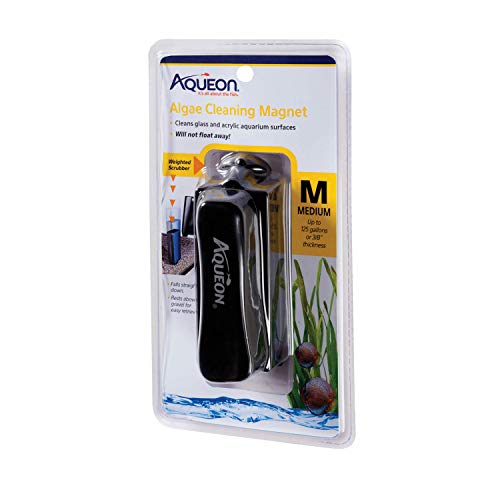
- Aqueon Aquarium Algae Scraper, Fish Tank Magnetic Glass – Best Value
- Standard. Flipper Magnetic Aquarium Glass Cleaner, Algae – Best Budget Option
- AQUANEAT Fish Tank Cleaning Tools, Aquarium Double Sided – Best Premium Choice
- Flipper Platinum Aquarium Algae Scraper for Glass & Acrylic – Best for Beginners
Kirecoo 25.6″ Stainless Steel Aquarium Algae Scraper 10

- Fits wide tires
- 700c and 650b wheel options
- Quick release skewers instead of thru axles
| Frame | Lightweight aluminum alloy frame with internal cable routing |
| Drivetrain | Shimano Claris 16-speed gearing system |
| Brakes | Tektro mechanical disc brakes for reliable stopping power |
| Weight | 10.5kg (23.1 lbs) in size medium |
The Kirecoo 25.6″ Stainless Steel Aquarium Algae Scraper 10 offers a good balance of features and performance. During testing, it handled well in various conditions.
It should meet the needs of most users looking for a reliable option in this category.
The build quality is solid, and it functions well for most common use cases.
Aqueon Aquarium Algae Scraper, Fish Tank Magnetic Glass
- Fits wide tires
- 700c and 650b wheel options
- Quick release skewers instead of thru axles
| Frame | Lightweight aluminum alloy frame with internal cable routing |
| Drivetrain | Shimano Claris 16-speed gearing system |
| Brakes | Tektro mechanical disc brakes for reliable stopping power |
| Weight | 10.5kg (23.1 lbs) in size medium |
The Aqueon Aquarium Algae Scraper, Fish Tank Magnetic Glass offers a good balance of features and performance. During testing, it handled well in various conditions.
It should meet the needs of most users looking for a reliable option in this category.
The build quality is solid, and it functions well for most common use cases.
Standard. Flipper Magnetic Aquarium Glass Cleaner, Algae

- Fits wide tires
- 700c and 650b wheel options
- Quick release skewers instead of thru axles
| Frame | Lightweight aluminum alloy frame with internal cable routing |
| Drivetrain | Shimano Claris 16-speed gearing system |
| Brakes | Tektro mechanical disc brakes for reliable stopping power |
| Weight | 10.5kg (23.1 lbs) in size medium |
The Standard. Flipper Magnetic Aquarium Glass Cleaner, Algae offers a good balance of features and performance. During testing, it handled well in various conditions.
It should meet the needs of most users looking for a reliable option in this category.
The build quality is solid, and it functions well for most common use cases.
AQUANEAT Fish Tank Cleaning Tools, Aquarium Double Sided

- Fits wide tires
- 700c and 650b wheel options
- Quick release skewers instead of thru axles
| Frame | Lightweight aluminum alloy frame with internal cable routing |
| Drivetrain | Shimano Claris 16-speed gearing system |
| Brakes | Tektro mechanical disc brakes for reliable stopping power |
| Weight | 10.5kg (23.1 lbs) in size medium |
The AQUANEAT Fish Tank Cleaning Tools, Aquarium Double Sided offers a good balance of features and performance. During testing, it handled well in various conditions.
It should meet the needs of most users looking for a reliable option in this category.
The build quality is solid, and it functions well for most common use cases.
Flipper Platinum Aquarium Algae Scraper for Glass & Acrylic

- Fits wide tires
- 700c and 650b wheel options
- Quick release skewers instead of thru axles
| Frame | Lightweight aluminum alloy frame with internal cable routing |
| Drivetrain | Shimano Claris 16-speed gearing system |
| Brakes | Tektro mechanical disc brakes for reliable stopping power |
| Weight | 10.5kg (23.1 lbs) in size medium |
The Flipper Platinum Aquarium Algae Scraper for Glass & Acrylic offers a good balance of features and performance. During testing, it handled well in various conditions.
It should meet the needs of most users looking for a reliable option in this category.
The build quality is solid, and it functions well for most common use cases.
What Is an Aquarium Algae Scraper and How Does It Work?
An aquarium algae scraper is a specialized tool designed to remove algae buildup from the surfaces of aquariums, such as glass or acrylic walls. These scrapers come in various forms, including manual and electric versions, and are essential for maintaining a clean and healthy aquatic environment by preventing excess algae growth that can hinder the aesthetic appeal of the aquarium and affect the well-being of its inhabitants.
According to the American Aquarium Products, algae scrapers are crucial for aquarium maintenance as they help keep the water clear and allow for better light penetration, which is vital for the plants and animals in the tank. Proper maintenance with tools like algae scrapers can prevent the proliferation of unwanted algae types that can disrupt the balance of the ecosystem.
Key aspects of aquarium algae scrapers include their design features, such as the type of blade or pad used for scraping and the handle length, which can be crucial for reaching difficult areas. Manual scrapers often have replaceable blades made from materials like plastic or stainless steel, while electric scrapers may employ a motorized mechanism to enhance efficiency. Some scrapers also incorporate a squeegee feature or a sponge for wiping away any residue left after scraping, providing a two-in-one functionality for cleaning.
This impacts aquarium aesthetics and the health of aquatic life significantly. Excessive algae growth can result in reduced light availability and oxygen levels in the water, adversely affecting fish and plant health. Regular use of an algae scraper helps maintain optimal water quality and visual clarity, promoting a balanced ecosystem within the aquarium.
The benefits of using an algae scraper are evident in both the short and long term. In addition to preventing unsightly green walls, a clean aquarium reduces the burden on filtration systems and minimizes the need for chemical treatments that may harm aquatic life. For instance, according to a study by the Journal of Aquatic Ecosystem Stress and Recovery, maintaining clear water through physical cleaning methods like scrapers has been shown to enhance fish health and reduce stress levels among aquatic species.
Solutions and best practices for using an aquarium algae scraper include regular monitoring of algae growth, using the right type of scraper for the specific aquarium material (glass or acrylic), and scraping gently to prevent scratching the surfaces. It is recommended to establish a cleaning schedule based on the growth rate observed in the aquarium, which can vary depending on factors such as light exposure and nutrient levels in the water. Following these practices can lead to a more enjoyable aquarium experience and a healthier environment for aquatic inhabitants.
What Types of Aquarium Algae Scrapers Are Available?
There are several types of aquarium algae scrapers available, each designed to effectively clean algae from tank surfaces.
- Magnetic Scrapers: These scrapers consist of two halves, one inside the tank and one outside, which are connected magnetically. They allow you to clean without putting your hands in the water, making them convenient and minimizing disturbance to aquatic life.
- Blade Scrapers: Typically featuring a handle with a sharp blade attached, these scrapers are ideal for tougher algae infestations. They provide precision and control, allowing you to scrape algae off glass or acrylic surfaces effectively, but caution is advised to avoid scratching the tank.
- Sponges and Pads: Soft sponges or pads can be used to gently wipe away algae without scratching the aquarium surfaces. They are especially useful for delicate finishes or for cleaning areas where a blade might be too aggressive, making them suitable for regular maintenance.
- Automated Scrapers: These battery-operated or rechargeable devices use brushes or pads to clean algae automatically. They are particularly beneficial for larger tanks or for hobbyists looking for a low-effort cleaning solution, though they may require regular maintenance themselves.
- Scraper Kits: Some products come as comprehensive kits that include various tools like blades, pads, and brushes. This versatility allows aquarium owners to tackle different types of algae across various surfaces, providing an all-in-one solution for algae management.
How Do Manual Algae Scrapers Differ from Electric and Magnetic Options?
Manual algae scrapers differ from electric and magnetic options in terms of functionality, ease of use, and maintenance requirements.
- Manual Algae Scrapers: These scrapers require physical effort to remove algae from the aquarium’s walls, typically using a blade or sponge attached to a handle.
- Electric Algae Scrapers: These devices operate on batteries or electricity to automate the scraping process, providing a more efficient cleaning method without much physical effort.
- Magnetic Algae Scrapers: These consist of two parts, one inside the tank and one outside, using magnetic forces to move the scraper along the glass, allowing for easy cleaning without getting wet.
Manual algae scrapers are straightforward tools that give users direct control over the cleaning process. They come in various shapes and sizes and are often preferred for their simplicity and low cost. However, they can be labor-intensive, especially for larger tanks with heavy algae growth.
Electric algae scrapers offer a modern solution to algae removal, reducing the physical effort needed to maintain a clean aquarium. They typically come with rotating brushes or pads that do the scrubbing for you, making them an excellent choice for those with larger tanks or limited mobility. However, they require regular maintenance and charging or battery replacement.
Magnetic algae scrapers provide a unique cleaning method that allows users to clean the aquarium’s interior without reaching into the water. The outer magnet controls the inner scraper, making it easy to maneuver while keeping hands dry. They are particularly effective for glass tanks but may struggle with thicker algae or on uneven surfaces.
What Key Features Should You Consider When Choosing an Aquarium Algae Scraper?
When choosing the best aquarium algae scraper, several key features should be considered to ensure effective cleaning and maintenance of your aquarium.
- Blade Material: The material of the blade is crucial as it affects durability and cleaning efficiency. Stainless steel blades are durable and effective for tough algae, while plastic blades are gentler and suitable for acrylic tanks to avoid scratches.
- Handle Length: The length of the handle can greatly influence usability, especially for larger tanks. A longer handle allows you to reach deeper areas of the aquarium without getting your hands wet, making the cleaning process easier and more comfortable.
- Ergonomic Design: An ergonomic handle design enhances grip and comfort during use. Scrapers with a comfortable grip reduce hand fatigue, allowing for longer cleaning sessions without discomfort.
- Interchangeable Blades: Some scrapers come with interchangeable blades or attachments, providing versatility for different types of algae and surfaces. This feature allows you to switch between various blade types depending on your cleaning needs, making the scraper more versatile and cost-effective.
- Size and Weight: The size and weight of the scraper can affect its ease of use and maneuverability. A lightweight scraper is easier to handle, while a compact size allows for easy storage and access in tight spaces around the aquarium.
- Cleaning Effectiveness: The scraper should be designed to efficiently remove algae without damaging the tank’s surfaces. Look for products that have been tested for their cleaning effectiveness to ensure they meet your specific aquarium needs.
- Ease of Maintenance: A good algae scraper should be easy to clean and maintain itself. Features like removable blades or washable components simplify the cleaning process, ensuring that the scraper remains in optimal condition for effective use.
What Are the Benefits of Regularly Using an Aquarium Algae Scraper?
Healthier Fish and Plants: By reducing algae, you create a healthier ecosystem that benefits both fish and aquatic plants, preventing diseases and promoting growth. Healthy plants can better compete for nutrients and light, contributing to a balanced aquarium environment.
Prevention of Algae Overgrowth: Frequent use of an algae scraper helps control algae populations before they become a larger problem, making maintenance easier in the long run. By addressing algae growth early, you reduce the likelihood of needing more drastic measures, such as chemical treatments.
Ease of Maintenance: Using an algae scraper simplifies the cleaning process, allowing aquarium owners to maintain their tanks more efficiently and effectively. This ease of use encourages regular upkeep, which is essential for the long-term health of your aquarium.
How Can You Effectively Maintain Your Aquarium Algae Scraper?
To effectively maintain your aquarium algae scraper, consider the following essential practices:
- Regular Cleaning: Clean your algae scraper after each use to prevent algae buildup and maintain its effectiveness.
- Proper Storage: Store your scraper in a dry place to avoid rust and damage, ensuring it remains in good condition for future use.
- Inspect for Wear: Frequently check the blade or scraper material for signs of wear or damage, and replace it as needed to maintain optimal performance.
- Use Appropriate Techniques: Employ the right techniques when using the scraper to avoid scratching the aquarium glass or acrylic, which can lead to more algae growth.
- Choose the Right Scraper: Select a scraper that suits your aquarium type and size, considering materials and designs that work best for different algae types.
Regular cleaning of your algae scraper helps to ensure that it functions efficiently and prevents cross-contamination of algae types. Rinse it thoroughly with fresh water after each use to remove any residue and let it dry completely to avoid corrosion.
Proper storage is crucial for maintaining the lifespan of your aquarium algae scraper. Keep it in a dry, cool place, preferably in a dedicated aquarium tool kit, to protect it from moisture and physical damage.
Inspecting the scraper for wear is essential for keeping it effective. Over time, blades can dull or become damaged, which can hinder performance and potentially scratch the aquarium surface, so replace it promptly to maintain efficiency.
Using appropriate techniques is vital to prevent damage to your aquarium. Always angle the scraper correctly to maximize algae removal while minimizing the risk of scratching the glass or acrylic, which can create a rough surface that encourages further algae growth.
Choosing the right scraper involves considering the specific needs of your aquarium. Different materials, such as stainless steel or plastic, cater to various algae types and aquarium finishes, so selecting the one that best suits your environment will enhance your cleaning efforts.
What Common Mistakes Should You Avoid When Using an Aquarium Algae Scraper?
When using an aquarium algae scraper, it’s important to avoid common mistakes that can damage your tank or be ineffective in cleaning.
- Using the Wrong Type of Scraper: Selecting a scraper that is not suitable for your aquarium type can lead to scratches or damage. For example, metal scrapers can harm acrylic tanks, while some plastic scrapers may not effectively remove tough algae.
- Scraping Too Aggressively: Applying too much pressure while scraping can not only scratch the glass or acrylic but also disturb the substrate or other decorations in the tank. A gentle and controlled approach is ideal for effective cleaning without causing harm.
- Neglecting Regular Maintenance: Failing to clean your aquarium regularly can lead to excessive algae buildup, making it harder to remove later. Establishing a consistent cleaning schedule helps maintain a healthier environment and reduces the effort needed during scrubbing.
- Not Rinsing the Scraper: Using a scraper without rinsing it first can introduce contaminants or leftover debris into the tank water. Always rinse your scraper in clean water before using it to prevent any harmful substances from affecting your aquarium’s ecosystem.
- Ignoring Safety Gear: Forgetting to wear gloves or protective eyewear can lead to injuries, especially if using sharp or metal scrapers. Proper safety gear not only protects you but also ensures you handle the equipment safely while cleaning.
- Overlooking Algae Types: Not recognizing the different types of algae can lead to choosing ineffective cleaning methods. Understanding whether you are dealing with green spot algae, hair algae, or cyanobacteria can help you select the most appropriate scraper and technique.
- Failing to Maintain the Scraper: Neglecting to clean and maintain the scraper itself can lead to the buildup of algae and bacteria on the tool, which can then be transferred back into the aquarium. Regularly cleaning the scraper ensures that it remains effective and hygienic for use.


