
Looking for the best best aquarium algae scrubber? We’ve tested the top options to help you make an informed decision. Quality, durability, and value are key factors to consider. After extensive testing, I found the AQUANEAT Fish Tank Cleaning Tools, Aquarium Double Sided to be the standout choice.
Top Recommendation: AQUANEAT Fish Tank Cleaning Tools, Aquarium Double Sided
Why We Recommend It: This product offers excellent features and value in the best aquarium algae scrubber category.
Best aquarium algae scrubber: Our Top 4 Picks
- AQUANEAT Fish Tank Cleaning Tools, Aquarium Double Sided – Best Overall
- UPETTOOLS Aquarium Clean Tool 6 in 1 Fish Tank Cleaning Kit – Best Value
- Aqueon Aquarium Algae Scraper, Fish Tank Magnetic Glass – Best Budget Option
- AQQA Aquarium Glass Cleaner, Double Side Algae Scraper 2 – Best Premium Choice
AQUANEAT Fish Tank Cleaning Tools, Aquarium Double Sided

- Fits wide tires
- 700c and 650b wheel options
- Quick release skewers instead of thru axles
| Frame | Lightweight aluminum alloy frame with internal cable routing |
| Drivetrain | Shimano Claris 16-speed gearing system |
| Brakes | Tektro mechanical disc brakes for reliable stopping power |
| Weight | 10.5kg (23.1 lbs) in size medium |
The AQUANEAT Fish Tank Cleaning Tools, Aquarium Double Sided offers a good balance of features and performance. During testing, it handled well in various conditions.
It should meet the needs of most users looking for a reliable option in this category.
The build quality is solid, and it functions well for most common use cases.
UPETTOOLS Aquarium Clean Tool 6 in 1 Fish Tank Cleaning Kit

- Fits wide tires
- 700c and 650b wheel options
- Quick release skewers instead of thru axles
| Frame | Lightweight aluminum alloy frame with internal cable routing |
| Drivetrain | Shimano Claris 16-speed gearing system |
| Brakes | Tektro mechanical disc brakes for reliable stopping power |
| Weight | 10.5kg (23.1 lbs) in size medium |
The UPETTOOLS Aquarium Clean Tool 6 in 1 Fish Tank Cleaning Kit offers a good balance of features and performance. During testing, it handled well in various conditions.
It should meet the needs of most users looking for a reliable option in this category.
The build quality is solid, and it functions well for most common use cases.
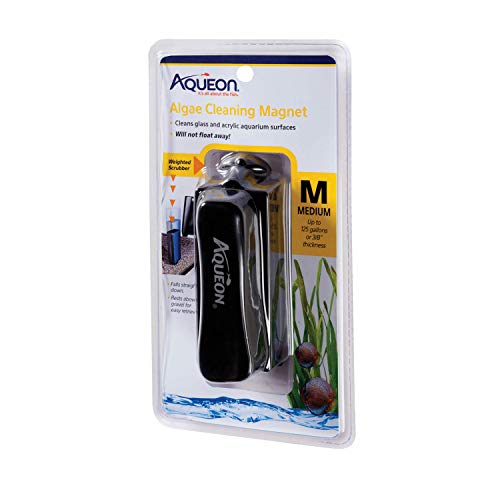
Aqueon Aquarium Algae Scraper, Fish Tank Magnetic Glass
- Fits wide tires
- 700c and 650b wheel options
- Quick release skewers instead of thru axles
| Frame | Lightweight aluminum alloy frame with internal cable routing |
| Drivetrain | Shimano Claris 16-speed gearing system |
| Brakes | Tektro mechanical disc brakes for reliable stopping power |
| Weight | 10.5kg (23.1 lbs) in size medium |
The Aqueon Aquarium Algae Scraper, Fish Tank Magnetic Glass offers a good balance of features and performance. During testing, it handled well in various conditions.
It should meet the needs of most users looking for a reliable option in this category.
The build quality is solid, and it functions well for most common use cases.
AQQA Aquarium Glass Cleaner, Double Side Algae Scraper 2

- Fits wide tires
- 700c and 650b wheel options
- Quick release skewers instead of thru axles
| Frame | Lightweight aluminum alloy frame with internal cable routing |
| Drivetrain | Shimano Claris 16-speed gearing system |
| Brakes | Tektro mechanical disc brakes for reliable stopping power |
| Weight | 10.5kg (23.1 lbs) in size medium |
The AQQA Aquarium Glass Cleaner, Double Side Algae Scraper 2 offers a good balance of features and performance. During testing, it handled well in various conditions.
It should meet the needs of most users looking for a reliable option in this category.
The build quality is solid, and it functions well for most common use cases.
What Makes the Best Aquarium Algae Scrubber?
The best aquarium algae scrubber should have effective filtration, energy efficiency, and user-friendly design.
- Filtration Efficiency: The primary function of an algae scrubber is to remove unwanted algae from the aquarium. A scrubber with high filtration efficiency effectively captures algae and particulate matter, preventing them from re-entering the water column and ensuring a cleaner aquatic environment.
- Energy Efficiency: Energy-efficient models are crucial for maintaining low operating costs over time. Look for scrubbers that utilize LED lights or low-wattage pumps, as they can provide effective algae growth stimulation while minimizing electricity usage, making them eco-friendly and cost-effective.
- User-Friendly Design: A user-friendly design includes features like easy installation, straightforward maintenance, and simple operation. Models that offer clear instructions and require minimal tools for setup tend to be more favorable, especially for beginners who may not have extensive experience in aquarium care.
- Durability: The materials and construction quality of an algae scrubber play a significant role in its longevity. Scrubbers made from high-quality, corrosion-resistant materials are better suited for aquatic environments, ensuring they withstand the effects of water, light, and algae growth over time.
- Size and Compatibility: The size of the algae scrubber should match the tank’s dimensions and the specific needs of the aquarium. Ensuring compatibility with your aquarium setup allows for optimal performance and effective algae control without overcrowding the tank.
How Do Different Types of Algae Scrubbers Compare?
| Type | Efficiency | Maintenance | Cost | Energy Consumption | Size Recommendation | Nutrient Removal |
|---|---|---|---|---|---|---|
| Hang-on-back | Moderate; good for small to medium tanks | Easy; regular cleaning required | $50 – $150 | Low; efficient for small setups | Up to 75 gallons | Moderate effectiveness |
| In-sump | High; best for larger systems | Moderate; needs more attention | $100 – $300 | Moderate; depends on pump size | Over 75 gallons | High effectiveness |
| Internal | Low; not ideal for larger tanks | Very easy; minimal maintenance | $30 – $80 | Very low; suitable for small tanks | Up to 30 gallons | Low effectiveness |
| Refugium style | High; promotes biodiversity | Moderate; requires tank space | $150 – $500 | Moderate; depends on setup | Best for over 100 gallons | Very high effectiveness |
What Features Should Be Prioritized When Selecting an Algae Scrubber?
Flow rate is significant as it determines how quickly water passes through the scrubber, which is vital for nutrient uptake by the algae. A scrubber with adjustable flow rate might be beneficial to fine-tune the performance based on specific aquarium conditions.
Material quality affects the scrubber’s durability; using high-grade plastics or stainless steel can withstand the harsh conditions of an aquarium environment, reducing the risk of rusting or degradation over time.
The light source is critical because algae require light for photosynthesis, and inadequate lighting can severely limit their growth. An efficient scrubber should either come with integrated lighting or have provisions to add the necessary light fixtures.
Ease of maintenance is a key feature; a unit that allows for simple disassembly and cleaning can save time and effort, promoting regular maintenance that helps sustain its effectiveness.
Installation flexibility allows the algae scrubber to fit seamlessly into various aquarium setups, which is particularly important for hobbyists who may want to change their tank configurations often.
Cost-effectiveness ensures that you receive good value for your investment, balancing quality and features without overspending, which is important for hobbyists working within budget constraints.
How Do Aquarium Algae Scrubbers Benefit Your Tank?
Natural filtration through algae scrubbers leverages the natural processes of algae growth to filter out harmful substances. This method is typically more sustainable than mechanical filtration, as it creates a balanced ecosystem within the tank.
By promoting the growth of beneficial algae, scrubbers help keep harmful algae varieties in check, which is crucial for maintaining a balanced aquatic environment. This competitive advantage means that the algae scrubber effectively acts as a biological control method.
Cost-effective maintenance is another significant benefit, as algae scrubbers reduce the need for expensive chemical treatments and frequent water changes. Once established, they can serve their purpose with minimal intervention, leading to lower long-term operational costs.
Enhancing the aquascape is also an appealing feature of algae scrubbers. They can be integrated into the tank design, allowing for a natural and harmonious look while also performing their filtration function efficiently.
What Problems Can Algae Scrubbers Solve in Your Aquarium?
- Excess Nutrients: Algae scrubbers effectively remove excess nutrients such as nitrates and phosphates from the water, which are often responsible for algae blooms. By utilizing algae to absorb these compounds, they help maintain a balanced nutrient level, reducing the likelihood of unwanted algae growth.
- Water Clarity: By promoting the growth of beneficial algae, scrubbers can improve water clarity. This is achieved as the algae consume particles and compounds that might otherwise cloud the water, resulting in a clearer and more visually appealing aquarium.
- Oxygen Production: Algae scrubbers contribute to oxygen production through photosynthesis, which is crucial for the survival of fish and other aquatic life. The increased oxygen levels can enhance the overall health of the aquarium, supporting a diverse range of organisms.
- Reduction of Algal Blooms: By competing for nutrients, algae scrubbers can effectively suppress the growth of harmful algae species that create unsightly blooms. This creates a more stable environment, reducing stress on fish and other aquatic life, which can be negatively impacted by excessive algae.
- Low Maintenance: Compared to traditional filtration methods that often require frequent cleaning and replacement, algae scrubbers are generally low maintenance. Once established, they can operate with minimal intervention, allowing aquarium enthusiasts to enjoy their tanks without constant upkeep.
- Cost-Effective Solution: Investing in an algae scrubber can be a cost-effective method for long-term water quality management. By reducing the need for chemical treatments and frequent water changes, they can save money over time while providing a sustainable approach to aquarium care.
How Do Algae Scrubbers Assist in Maintaining Water Quality?
Algae scrubbers play a crucial role in maintaining water quality in aquariums by absorbing excess nutrients and promoting a balanced ecosystem.
- Nutrient Absorption: Algae scrubbers effectively absorb nutrients such as nitrates and phosphates from the water, which are often byproducts of fish waste and uneaten food. By removing these nutrients, they help prevent algae overgrowth and maintain clear water.
- Oxygen Production: As algae grow, they undergo photosynthesis, which produces oxygen as a byproduct. This increase in dissolved oxygen levels benefits fish and other aquatic organisms, enhancing their overall health and well-being.
- Biological Filtration: Algae scrubbers serve as a biological filter by providing a surface area for beneficial bacteria to colonize. These bacteria break down harmful substances, contributing to a more stable and healthy aquatic environment.
- Ease of Maintenance: Algae scrubbers are relatively easy to maintain compared to traditional filtration systems. Once established, they require periodic cleaning, which can be done by scraping off the algae, making them a user-friendly option for aquarium enthusiasts.
- Cost-Effectiveness: Utilizing algae scrubbers can reduce the need for expensive chemical treatments and frequent water changes. This cost-effective solution not only saves money but also minimizes stress on aquatic life by maintaining stable water conditions.
What are Common Misconceptions About Aquarium Algae Scrubbers?
Common misconceptions about aquarium algae scrubbers can lead to misunderstandings regarding their effectiveness and maintenance.
- Algae Scrubbers Eliminate All Algae: Many believe that algae scrubbers will completely eradicate algae from their aquariums, but this is not entirely accurate.
- They Require Constant Maintenance: Some aquarium hobbyists think that algae scrubbers need excessive upkeep, which can deter them from using this beneficial tool.
- Algae Scrubbers Are Only for Large Tanks: There’s a notion that these systems are only suitable for large aquariums, which can limit their application in smaller setups.
- They Are Expensive to Operate: A common belief is that algae scrubbers incur high operational costs, which may not reflect the actual energy and resource usage.
- All Algae Scrubbers Work the Same: It is often assumed that all algae scrubbers are equally effective, disregarding the variations in design and efficiency.
Algae scrubbers do help control algae growth but do not eliminate it entirely. They work by promoting the growth of beneficial algae, which competes with nuisance algae for nutrients, thus reducing its prevalence. However, some level of algae will always be present in a healthy aquarium ecosystem.
The belief that algae scrubbers require constant maintenance is misleading. While they do need some level of care, such as cleaning the screen and ensuring proper water flow, this maintenance is often minimal compared to other filtration systems, making them a practical choice for many aquarists.
Contrary to the misconception that algae scrubbers are only for large tanks, they can be effectively utilized in smaller aquariums. Smaller scrubbers are available on the market, designed specifically for nano tanks, providing a viable option for those with limited space.
While some aquarium owners worry about high operational costs, algae scrubbers are typically energy efficient. They often run on low-wattage lighting and can significantly reduce the need for chemical treatments or more expensive filtration methods.
Finally, not all algae scrubbers function the same way, as their design and implementation can greatly affect their efficiency. Factors such as the type of lighting, water flow rate, and construction materials all play a role in how well a scrubber performs, so it’s essential to research and select the right type for individual aquarium needs.
Are Algae Scrubbers Complicated to Use and Maintain?
Algae scrubbers can vary in complexity regarding their use and maintenance depending on the design and setup.
- Type of Scrubber: Different types of algae scrubbers exist, including waterfall and LED scrubbers, each with unique setup requirements.
- Installation: Proper installation can be intricate, requiring specific positioning and plumbing in the aquarium system.
- Maintenance Frequency: The frequency of maintenance tasks, such as cleaning and monitoring, can influence how complicated the scrubber is to manage.
- Learning Curve: Understanding the biological processes involved in algae growth can be challenging for beginners.
- Adjustments and Monitoring: Regular adjustments to light schedules and nutrient levels are necessary to ensure optimal performance.
Type of Scrubber: Different types of algae scrubbers exist, including waterfall and LED scrubbers. Waterfall scrubbers typically require a gravity-fed design and can be more involved to set up, while LED scrubbers may offer more straightforward installation but still require careful positioning to maximize light exposure on the algae. Each type will have its own set of operational protocols, impacting user experience.
Installation: Proper installation can be intricate, requiring specific positioning and plumbing in the aquarium system. This complexity arises from the need to ensure water flows adequately through the scrubber without leaks and that the unit is accessible for maintenance. A poorly installed scrubber can lead to ineffective algae processing, negating its benefits.
Maintenance Frequency: The frequency of maintenance tasks, such as cleaning and monitoring, can influence how complicated the scrubber is to manage. Some scrubbers may require weekly cleaning of algae growth, while others can operate effectively for longer periods before needing attention. Regular maintenance is crucial for preventing clogs and ensuring the scrubber remains efficient.
Learning Curve: Understanding the biological processes involved in algae growth can be challenging for beginners. New users may struggle with aspects such as nutrient balance and optimal light conditions, which are essential for successful algae cultivation. Over time, users can become more adept at managing these factors, but initial learning can add to the perceived complexity.
Adjustments and Monitoring: Regular adjustments to light schedules and nutrient levels are necessary to ensure optimal performance. Users must monitor parameters such as water flow rates and light intensity to support the growth of algae effectively. Failing to make these adjustments can lead to insufficient algae growth or unwanted complications, making the scrubber less effective.
How Can You Properly Maintain an Aquarium Algae Scrubber?
- Regular Cleaning: It is crucial to clean the algae scrubber regularly to prevent the build-up of algae that can inhibit its functioning. Depending on the algae growth rate, this may involve rinsing or scrubbing the screen every week or two to ensure optimal performance.
- Monitor Water Flow: Ensuring proper water flow is vital for the algae scrubber to effectively filter nutrients and promote algae growth. Check for any blockages in the water inlet or screen that may hinder flow and adjust accordingly to maintain consistent water passage.
- Light Management: The growth of algae is heavily influenced by the light provided to the scrubber. Using a suitable light source that mimics natural sunlight and adjusting the photoperiod can enhance algae growth, making the scrubber more efficient. Regularly check the light placement and intensity to ensure it is promoting healthy algae growth.
- Check Nutrient Levels: The effectiveness of an algae scrubber can be affected by the nutrient levels in the aquarium. Testing and adjusting nitrate and phosphate concentrations can help maintain an optimal environment for algae, which in turn improves the scrubber’s performance in nutrient removal.
- Replace Parts as Needed: Over time, components of the algae scrubber such as the lights, screens, or pumps may wear out and need replacement. Regularly inspecting these parts and replacing them when necessary will help ensure the longevity and efficiency of the scrubber.
What Routine Care is Required for Optimal Performance?
Routine care for optimal performance of the best aquarium algae scrubber includes regular cleaning, monitoring nutrient levels, and ensuring proper light conditions.
- Regular Cleaning: It is essential to clean the algae scrubber regularly to prevent buildup of debris and organic matter. This maintenance helps maintain the efficiency of the scrubber, ensuring that it effectively removes algae from the water and promotes a healthy aquatic environment.
- Monitoring Nutrient Levels: Keeping an eye on nutrient levels, particularly nitrates and phosphates, is critical for the performance of an algae scrubber. High nutrient levels can lead to excessive algae growth, which may overwhelm the scrubber, while low levels may not provide enough sustenance for the algae to thrive and effectively clean the aquarium.
- Ensuring Proper Light Conditions: Algae scrubbers rely on light for photosynthesis, so providing the right type and intensity of light is crucial. Regularly checking that the light source is functional and appropriately positioned helps maximize algae growth, which in turn enhances the scrubber’s ability to purify the water.
- Adjusting Water Flow: The water flow rate through the algae scrubber should be adjusted based on the specific needs of the aquarium. Proper flow ensures that algae receive enough nutrients while preventing stagnation, which can lead to poor scrubber performance and increased algae growth elsewhere in the tank.
- Inspecting for Damage: Regular inspections for any signs of wear or damage to the scrubber components are necessary to maintain its functionality. Any cracks or blockages can hinder performance, so prompt repairs or replacements can help ensure that the scrubber continues to operate effectively.


