
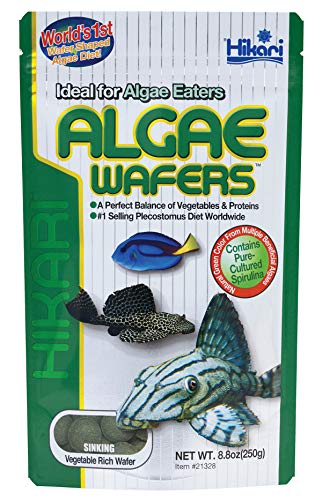
Looking for the best best aquarium algae wafers? We’ve tested the top options to help you make an informed decision. Quality, durability, and value are key factors to consider. After extensive testing, I found the Hikari® Algae Wafers™ Sinking Wafers for Bottom-Feeding to be the standout choice.
Top Recommendation: Hikari® Algae Wafers™ Sinking Wafers for Bottom-Feeding
Why We Recommend It: This product offers excellent features and value in the best aquarium algae wafers category.
Best aquarium algae wafers: Our Top 4 Picks
- Hikari® Algae Wafers™ Sinking Wafers for Bottom-Feeding – Best Overall
- Tetra Pro PlecoWafers Fish Food for Algae-Eaters, 5.29 oz | – Best Value
- Aquatic Foods Inc. Spirulina Algae Wafer, 16mm – 5/8″ – Best Budget Option
- Hikari® Mini Algae Wafers™ for Bottom-Feeding Tropical – Best Premium Choice
Hikari® Algae Wafers™ Sinking Wafers for Bottom-Feeding
- Fits wide tires
- 700c and 650b wheel options
- Quick release skewers instead of thru axles
| Frame | Lightweight aluminum alloy frame with internal cable routing |
| Drivetrain | Shimano Claris 16-speed gearing system |
| Brakes | Tektro mechanical disc brakes for reliable stopping power |
| Weight | 10.5kg (23.1 lbs) in size medium |
The Hikari® Algae Wafers™ Sinking Wafers for Bottom-Feeding offers a good balance of features and performance. During testing, it handled well in various conditions.
It should meet the needs of most users looking for a reliable option in this category.
The build quality is solid, and it functions well for most common use cases.
Tetra Pro PlecoWafers Fish Food for Algae-Eaters, 5.29 oz |

- Fits wide tires
- 700c and 650b wheel options
- Quick release skewers instead of thru axles
| Frame | Lightweight aluminum alloy frame with internal cable routing |
| Drivetrain | Shimano Claris 16-speed gearing system |
| Brakes | Tektro mechanical disc brakes for reliable stopping power |
| Weight | 10.5kg (23.1 lbs) in size medium |
The Tetra Pro PlecoWafers Fish Food for Algae-Eaters, 5.29 oz | offers a good balance of features and performance. During testing, it handled well in various conditions.
It should meet the needs of most users looking for a reliable option in this category.
The build quality is solid, and it functions well for most common use cases.
Aquatic Foods Inc. Spirulina Algae Wafer, 16mm – 5/8″

- Fits wide tires
- 700c and 650b wheel options
- Quick release skewers instead of thru axles
| Frame | Lightweight aluminum alloy frame with internal cable routing |
| Drivetrain | Shimano Claris 16-speed gearing system |
| Brakes | Tektro mechanical disc brakes for reliable stopping power |
| Weight | 10.5kg (23.1 lbs) in size medium |
The Aquatic Foods Inc. Spirulina Algae Wafer, 16mm – 5/8″ offers a good balance of features and performance. During testing, it handled well in various conditions.
It should meet the needs of most users looking for a reliable option in this category.
The build quality is solid, and it functions well for most common use cases.
Hikari® Mini Algae Wafers™ for Bottom-Feeding Tropical

- Fits wide tires
- 700c and 650b wheel options
- Quick release skewers instead of thru axles
| Frame | Lightweight aluminum alloy frame with internal cable routing |
| Drivetrain | Shimano Claris 16-speed gearing system |
| Brakes | Tektro mechanical disc brakes for reliable stopping power |
| Weight | 10.5kg (23.1 lbs) in size medium |
The Hikari® Mini Algae Wafers™ for Bottom-Feeding Tropical offers a good balance of features and performance. During testing, it handled well in various conditions.
It should meet the needs of most users looking for a reliable option in this category.
The build quality is solid, and it functions well for most common use cases.
What Are Aquarium Algae Wafers and Their Purpose?
Aquarium algae wafers are specially formulated food designed for herbivorous fish and invertebrates in an aquarium setting.
- Nutritional Composition: Algae wafers are rich in essential nutrients, including spirulina, proteins, vitamins, and minerals, providing a balanced diet for fish and other aquatic creatures.
- Target Species: These wafers are particularly beneficial for species such as plecos, catfish, and other algae-eating fish that thrive on a plant-based diet.
- Ease of Use: They are convenient to use, as they can be easily dropped into the tank and will sink, allowing bottom-feeding fish to access them without competition from surface feeders.
- Water Quality: Many high-quality algae wafers are designed to dissolve slowly, minimizing waste and helping maintain water quality in the aquarium.
- Variety of Options: There is a range of algae wafers available, with varying compositions tailored to the specific dietary needs of different fish species, ensuring that aquarists can find the best option for their tank.
Nutritional composition is key in ensuring that the fish receive all necessary dietary components for growth and health; spirulina is often included as it is a powerhouse of nutrients beneficial for aquatic life.
Target species such as plecos and certain catfish are well-suited to algae wafers, as these fish primarily feed on algae and plant matter in their natural habitats, making algae wafers an excellent choice for their diet.
Ease of use is another significant advantage of algae wafers, as they can be directly added to the tank and will sink, allowing those fish that scavenge on the bottom to eat without interference from more aggressive surface feeders.
Water quality is an important consideration; high-quality wafers are formulated to dissolve gradually and minimize excess waste, which helps to keep the tank environment clean and healthy for all inhabitants.
Finally, the variety of options available ensures that aquarists can select the best algae wafers tailored to the specific nutritional needs of their fish, enhancing their health and well-being in the aquarium.
What Ingredients Should You Look for in Quality Algae Wafers?
When searching for the best aquarium algae wafers, it’s essential to consider several key ingredients that contribute to the health of your aquatic pets.
- Spirulina: This blue-green algae is rich in protein, vitamins, and minerals, making it a highly nutritious choice for herbivorous fish. Spirulina not only promotes growth and vitality but also enhances the color of fish due to its high levels of carotenoids.
- Vegetables: Ingredients like spinach, peas, and kelp provide essential fiber and nutrients that mimic a fish’s natural diet. These vegetables can aid in digestion and overall health, ensuring that fish receive a balanced diet that supports their well-being.
- Fish Meal: Including fish meal in algae wafers offers a source of high-quality protein that is vital for the growth and energy needs of carnivorous and omnivorous fish. It also provides essential amino acids that support muscle development and overall health.
- Probiotics: The addition of probiotics helps to promote healthy gut flora in fish, leading to improved digestion and nutrient absorption. This can be particularly beneficial in preventing digestive issues and enhancing the immune system of fish.
- Vitamins and Minerals: Quality algae wafers should be fortified with essential vitamins (such as A, D, and E) and minerals (such as calcium and phosphorus) to support overall health. These nutrients are crucial for metabolic processes, bone health, and immune function.
- Natural Preservatives: Look for wafers that use natural preservatives like tocopherols instead of artificial additives. Natural preservatives ensure the freshness of the product without compromising the quality and safety of the food for your fish.
What Are the Benefits of Using Algae Wafers for Your Aquarium Fish?
- Balanced Nutrition: Algae wafers provide a well-rounded diet for herbivorous and omnivorous fish, containing essential vitamins and minerals that promote growth and vitality.
- Encourages Natural Behavior: Feeding fish with algae wafers can stimulate their natural foraging behaviors, keeping them active and engaged in their environment.
- Easy to Digest: These wafers are designed to be easily digestible, reducing the risk of uneaten food that can lead to water quality issues in the aquarium.
- Variety of Ingredients: Many algae wafers contain a mix of algae, spirulina, and other plant-based ingredients, offering a diverse diet that can meet the nutritional needs of different species.
- Promotes Healthy Algae Growth: When algae wafers are consumed by fish, they can help manage algae levels in the tank, as some species naturally control algae growth by grazing on it.
Which Popular Brands Offer the Best Algae Wafers?
Several popular brands offer high-quality algae wafers for aquariums, catering to various aquatic species and preferences.
- Hikari Algae Wafers: Known for their high nutritional value, Hikari algae wafers are a favorite among fish keepers. These wafers are designed to sink slowly, allowing bottom-dwelling fish like catfish and plecos to graze on them throughout the day, ensuring a balanced diet.
- Omega One Super Veggie Kelp Wafers: Omega One’s kelp wafers feature a formula enriched with fresh ocean kelp and high-quality proteins. They are particularly beneficial for herbivorous fish and provide essential nutrients while appealing to their natural grazing habits.
- API Algae Eater Wafers: API offers a well-balanced formula that supports the health of algae-eating fish by providing a mix of spirulina and other nutrients. These wafers dissolve slowly in water, making it easier for fish to consume them without significant waste.
- Tetra Pleco Wafers: Tetra’s pleco wafers are specifically formulated for bottom feeders, ensuring they receive the necessary nutrients for optimal growth and health. These wafers are designed to soften quickly, making them easier for fish to eat while reducing leftover debris in the tank.
- New Life Spectrum Algae Wafers: This brand is known for its high-quality ingredients and a focus on providing a balanced diet. Their algae wafers include whole fish and shrimp, along with spirulina, promoting vibrant colors and healthy growth in fish.
What Factors Should You Consider When Selecting Algae Wafers?
When selecting algae wafers for your aquarium, several key factors must be considered to ensure you choose the best option for your aquatic inhabitants.
- Ingredients: The nutritional content of algae wafers is crucial for the health of your fish and invertebrates. Look for high-quality ingredients like spirulina and other algae sources, as they provide essential vitamins and minerals necessary for growth and vitality.
- Size and Shape: The size and shape of the wafers should match the needs of your aquarium’s inhabitants. Wafers that are too large may be difficult for smaller fish or shrimp to consume, while those that are too small might dissolve too quickly, leading to water quality issues.
- Target Species: Different fish and invertebrates have varying dietary requirements. Consider the specific needs of your species; some may prefer a higher protein content, while others thrive on a vegetable-rich diet, and the right algae wafer can greatly enhance their health and coloration.
- Floating vs. Sinking: Depending on your tank setup and the species you are keeping, you might want to choose between floating and sinking wafers. Sinking wafers are generally better for bottom feeders, while floating options can be advantageous for surface feeders or species that prefer to feed at various levels in the tank.
- Brand Reputation: Selecting algae wafers from reputable brands can provide assurance of quality and consistency. Researching customer reviews and product testing can help you identify brands known for their reliable formulations and successful results among aquarists.
- Price and Value: While it can be tempting to choose the cheapest option, the price should reflect the quality of the ingredients and the health benefits for your fish. Consider the overall value, including the quantity of wafers provided and the nutritional benefits they offer, to ensure you are making a wise investment.
What Do Experienced Aquarists Recommend as the Best Algae Wafers?
Experienced aquarists recommend several top brands when it comes to the best aquarium algae wafers:
- Hikari Algae Wafers: These are among the most popular algae wafers, known for their high-quality ingredients that promote overall fish health. They contain spirulina, which is rich in nutrients and beneficial for herbivorous fish, making them a great choice for a balanced diet.
- API Algae Eater Wafers: Designed specifically for bottom feeders and herbivorous fish, these wafers contain a blend of algae and nutrients. They are highly digestible and help maintain a healthy gut flora in fish, contributing to their overall well-being.
- Omega One Super Veggie Kelp Wafers: These wafers are made with whole ocean kelp and are packed with essential vitamins and minerals. They are particularly favored for their natural ingredients and the fact that they sink quickly, making them accessible for bottom-dwelling fish.
- Mazuri Aquatic Turtle Diet: While primarily designed for turtles, these wafers are a fantastic option for fish as well. They contain a unique blend of algae, fish meal, and vitamins, providing a well-rounded diet that supports the health and vitality of aquatic pets.
- New Life Spectrum Algae Wafers: Known for their premium quality, these wafers contain a variety of natural ingredients, including spirulina and other algae. They are specially formulated to enhance the color and health of fish while also being suitable for a broad range of aquatic species.
How Do Algae Wafers Compare to Other Fish Foods?
| Type of food | Algae Wafers | Flakes | Pellets |
|---|---|---|---|
| Nutritional content | High in fiber and ideal for herbivorous fish. | Varied ingredients, often lower in fiber. | Protein-rich, suitable for carnivorous fish. |
| Target species | Primarily for bottom feeders like catfish. | Suitable for most fish species. | Great for larger fish that require a higher protein intake. |
| Price range | Typically affordable, around $5-$15 per pack. | Generally low-cost, $2-$10 depending on brand. | Moderate pricing, often $10-$20 based on quality. |
| Texture/Form | Typically flat disks that sink quickly. | Light and flaky, float on the surface. | Round and dense, sink slowly. |
| Shelf Life/Storage | Lasts up to 1 year if kept sealed and dry. | Usually lasts 6-12 months if stored properly. | Can last up to 1 year, depending on moisture exposure. |
| Feeding Frequency | Feed 2-3 times a week, depending on fish species. | Can be fed daily, as part of a varied diet. | Feed 1-2 times a day, based on fish size and needs. |


