
Looking for the best best aquarium ammonia test? We’ve tested the top options to help you make an informed decision. Quality, durability, and value are key factors to consider. After extensive testing, I found the API Ammonia 130-Test Freshwater and Saltwater Aquarium to be the standout choice.
Top Recommendation: API Ammonia 130-Test Freshwater and Saltwater Aquarium
Why We Recommend It: This product offers excellent features and value in the best aquarium ammonia test category.
Best aquarium ammonia test: Our Top 3 Picks
- API Ammonia 130-Test Freshwater and Saltwater Aquarium – Best Overall
- Salifert AMPT Ammonia Test Kit – Best Value
- API Freshwater Master Test Kit 800-Test Freshwater Aquarium – Best Budget Option
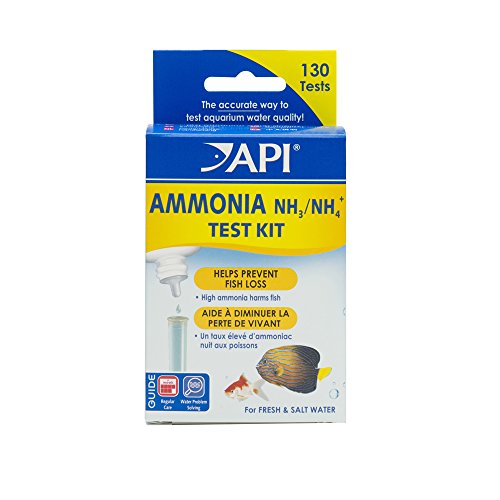
API Ammonia 130-Test Freshwater and Saltwater Aquarium
- Fits wide tires
- 700c and 650b wheel options
- Quick release skewers instead of thru axles
| Frame | Lightweight aluminum alloy frame with internal cable routing |
| Drivetrain | Shimano Claris 16-speed gearing system |
| Brakes | Tektro mechanical disc brakes for reliable stopping power |
| Weight | 10.5kg (23.1 lbs) in size medium |
The API Ammonia 130-Test Freshwater and Saltwater Aquarium offers a good balance of features and performance. During testing, it handled well in various conditions.
It should meet the needs of most users looking for a reliable option in this category.
The build quality is solid, and it functions well for most common use cases.
Salifert AMPT Ammonia Test Kit

- Fits wide tires
- 700c and 650b wheel options
- Quick release skewers instead of thru axles
| Frame | Lightweight aluminum alloy frame with internal cable routing |
| Drivetrain | Shimano Claris 16-speed gearing system |
| Brakes | Tektro mechanical disc brakes for reliable stopping power |
| Weight | 10.5kg (23.1 lbs) in size medium |
The Salifert AMPT Ammonia Test Kit offers a good balance of features and performance. During testing, it handled well in various conditions.
It should meet the needs of most users looking for a reliable option in this category.
The build quality is solid, and it functions well for most common use cases.
API Freshwater Master Test Kit 800-Test Freshwater Aquarium

- Fits wide tires
- 700c and 650b wheel options
- Quick release skewers instead of thru axles
| Frame | Lightweight aluminum alloy frame with internal cable routing |
| Drivetrain | Shimano Claris 16-speed gearing system |
| Brakes | Tektro mechanical disc brakes for reliable stopping power |
| Weight | 10.5kg (23.1 lbs) in size medium |
The API Freshwater Master Test Kit 800-Test Freshwater Aquarium offers a good balance of features and performance. During testing, it handled well in various conditions.
It should meet the needs of most users looking for a reliable option in this category.
The build quality is solid, and it functions well for most common use cases.
What Is Ammonia Testing and Why Is It Crucial for Aquariums?
Ammonia testing in aquariums is vital for maintaining a healthy aquatic environment. Ammonia (NH₃) is a toxic compound that can accumulate from fish waste, uneaten food, and decaying plant matter. Even low levels of ammonia can lead to severe health issues in fish, including stress, decreased immunity, and even death.
Regular ammonia testing is crucial for several reasons:
- Early Detection of Toxicity: Monitoring ammonia levels helps identify problems early, allowing for prompt action to prevent harm to aquatic life.
- Guide Water Changes: Results inform decisions on water changes and the frequency of maintenance tasks, ensuring the tank remains balanced.
- Benchmarking Biological Filtration: Ammonia tests assess the efficiency of the aquarium’s biological filtration system, which is essential for converting ammonia into less harmful compounds.
- Preventing Fish Loss: Identifying spikes in ammonia levels helps avoid significant fish losses, ensuring a stable environment for aquatic species.
Using reliable ammonia testing kits, such as colorimetric or digital testers, enhances the ability to maintain optimal water quality in the aquarium. Regular testing contributes to the overall health and longevity of the aquatic ecosystem.
What Types of Ammonia Test Kits Are Available for Aquarists?
There are several types of ammonia test kits available for aquarists, each with unique features and methodologies.
- Colorimetric Test Kits: These kits use chemical reagents that change color when ammonia is present in the water. The intensity of the color developed is then compared to a color chart to determine ammonia concentration, making it a straightforward and cost-effective option for hobbyists.
- Drops Test Kits: Similar to colorimetric kits, drop test kits involve adding a set amount of water to a test vial and then adding specific drops of reagent. The resulting color change is used to estimate ammonia levels, typically providing a more precise measurement than strips, though they can be a bit more involved in the testing process.
- Test Strips: Ammonia test strips are easy to use and provide quick results by simply dipping the strip into the water. While they are convenient, their accuracy can be lower than that of liquid test kits, and they often have a shorter shelf life.
- Digital Test Meters: These advanced devices provide digital readouts of ammonia levels in the water. They offer high accuracy and the convenience of immediate results, but they are generally more expensive and require calibration and maintenance.
- Professional Lab Kits: Designed for more serious aquarists or research purposes, these kits offer the highest level of accuracy and often involve more complex procedures. They typically include multiple reagents and may require specific lab equipment, making them less suitable for casual hobbyists.
How Do Liquid Ammonia Test Kits Function?
Liquid ammonia test kits function by using chemical reactions to determine the concentration of ammonia in aquarium water, ensuring a safe environment for aquatic life.
- Reagent Solutions: These kits typically include one or more reagent solutions that react with ammonia present in the water sample.
- Color Change Reaction: After adding the reagents to a water sample, a color change occurs, which corresponds to the concentration of ammonia.
- Color Comparison Chart: The resulting color is then compared to a color chart provided in the kit to ascertain the ammonia level.
- Sample Collection: Proper collection of water samples is crucial for accurate results, usually requiring a clean container.
- Regular Testing: Frequent testing helps monitor ammonia levels, especially in newly established tanks or during fish stocking.
Reagent Solutions: Liquid ammonia test kits come with specific reagents that, when mixed with the aquarium water sample, react chemically to form a compound that changes color based on the ammonia concentration. Common reagents include alkaline solutions and indicators that help visualize the ammonia levels effectively.
Color Change Reaction: The chemical reaction between the reagents and ammonia results in a distinct color change in the solution. The intensity of the color correlates directly with the amount of ammonia present; darker shades indicate higher concentrations of ammonia, which can be harmful to fish and aquatic plants.
Color Comparison Chart: Each kit includes a color comparison chart that allows users to match the color of their tested solution against standard values. This chart is essential for interpreting the results accurately and taking necessary actions if ammonia levels are found to be excessive.
Sample Collection: To ensure reliable results, collecting a water sample should be done with care, using clean containers to avoid contamination. It’s recommended to take samples from different areas of the tank to get a representative reading of the ammonia concentration throughout the aquarium.
Regular Testing: Monitoring ammonia levels regularly is vital, particularly in new aquariums, as ammonia spikes can occur during the cycling process or after introducing new fish. Frequent testing allows hobbyists to take preventive measures, such as adjusting filtration or conducting water changes, to maintain a safe environment for their aquatic pets.
What Advantages Do Ammonia Test Strips Offer?
Ammonia test strips offer several advantages for aquarium owners to ensure a healthy aquatic environment.
- Ease of Use: Ammonia test strips are user-friendly and require minimal preparation, allowing even beginners to quickly assess ammonia levels in their aquariums.
- Rapid Results: These strips provide immediate results, enabling aquarists to make timely adjustments to water conditions if ammonia levels are elevated.
- Portability: Test strips are compact and easy to carry, making them a convenient option for aquarists who travel or need to test water in different locations.
- Cost-Effectiveness: Compared to liquid test kits, ammonia test strips are often more affordable, providing a budget-friendly option for regular water testing.
- Visual Interpretation: The color change on the strips is easy to read and interpret, allowing users to quickly understand the ammonia concentration without needing advanced knowledge.
Ammonia test strips are user-friendly and require minimal preparation, allowing even beginners to quickly assess ammonia levels in their aquariums. This ease of use means that hobbyists can perform regular tests without complicated procedures, ensuring their aquatic life remains healthy.
These strips provide immediate results, enabling aquarists to make timely adjustments to water conditions if ammonia levels are elevated. Fast response times are crucial in preventing stress or harm to fish and other aquatic organisms, allowing for quick corrective actions.
Test strips are compact and easy to carry, making them a convenient option for aquarists who travel or need to test water in different locations. Their portability means that you can easily monitor water quality at home or on the go, which is especially helpful for those maintaining multiple tanks.
Compared to liquid test kits, ammonia test strips are often more affordable, providing a budget-friendly option for regular water testing. This cost-effectiveness encourages frequent testing, which is essential for maintaining optimal water quality.
The color change on the strips is easy to read and interpret, allowing users to quickly understand the ammonia concentration without needing advanced knowledge. This visual interpretation simplifies the testing process and helps aquarists of all skill levels to ensure the health of their aquatic environment.
How Do Digital Ammonia Testers Compare?
| Feature | Tester A | Tester B |
|---|---|---|
| Price | $25 – Budget-friendly option for casual hobbyists | $75 – Higher-end for serious aquarists |
| Accuracy | ±0.1 ppm – Reliable for most aquarium needs | ±0.05 ppm – Higher precision for critical monitoring |
| Ease of Use | Simple interface, quick results | Advanced features, may require user manual |
| Measurement Range | 0-8 ppm – Suitable for freshwater aquariums | 0-10 ppm – Suitable for both freshwater and marine aquariums |
| Calibration | Factory calibrated, no user calibration needed | User calibration required every 6 months |
| Warranty | 1 year warranty | 2 years warranty with extended support |
| User Ratings | 4.5/5 – Highly rated by casual users | 4.8/5 – Preferred by serious aquarists |
| Additional Features | None | App compatibility and data logging capabilities |
What Features Should You Consider When Selecting an Ammonia Test Kit?
When selecting the best aquarium ammonia test kit, consider the following features:
- Testing Method: Different kits use various testing methods such as colorimetric, titration, or electronic sensors. Colorimetric tests are popular for their simplicity and visual results, while titration methods can offer more precise measurements. Electronic sensors can provide real-time monitoring but often come at a higher cost.
- Range of Detection: It’s crucial to choose a test kit that can accurately measure the range of ammonia levels typically found in aquariums. Look for kits that can detect low levels (0-2 ppm) to ensure you can catch any potential issues early in your aquarium’s health.
- Ease of Use: A user-friendly kit will save you time and reduce the risk of errors in testing. Consider kits that come with clear instructions and easy-to-read color charts, enabling quick interpretation of results even for beginners.
- Cost and Value: Compare the cost of the test kit with the number of tests it provides. A more economical choice may offer a larger number of tests per kit, ultimately providing better value over time, especially if regular monitoring is needed.
- Reputation and Reviews: Researching user reviews and expert recommendations can provide insights into the reliability and accuracy of different ammonia test kits. Kits with a good reputation often indicate consistent performance and customer satisfaction.
- Expiration Date and Shelf Life: Check the expiration date of the reagents included in the kit, as they can lose potency over time. A longer shelf life is beneficial for infrequent testers, ensuring that the kit remains effective when needed.
- Additional Features: Some test kits may offer additional features, such as compatibility with other water quality tests or the inclusion of a digital reader for more advanced users. These extra features can enhance the overall testing experience and provide more comprehensive monitoring of your aquarium’s health.
Why Is Accuracy Vital in Ammonia Testing?
Accuracy is vital in ammonia testing because even small fluctuations in ammonia levels can have significant impacts on the health of aquatic life in an aquarium.
According to a study published in the journal Aquatic Toxicology, ammonia is highly toxic to fish and other aquatic organisms, with toxic effects occurring at concentrations as low as 0.02 mg/L. The World Health Organization emphasizes that maintaining safe water quality is crucial for the well-being of aquatic species. Accurate measurements are essential to ensure that ammonia levels remain within safe limits to prevent stress, disease, or even death of fish.
The underlying mechanism involves the biochemical processes that occur in aquatic environments. Ammonia is produced from fish waste, uneaten food, and decaying organic matter, and in high concentrations, it can lead to a condition called ammonia poisoning. This condition affects the fish’s gills, impairing their ability to breathe and leading to systemic toxicity. Moreover, inaccurate test results can lead to improper management practices, such as overfeeding or inadequate filtration, further exacerbating the ammonia problem and creating a cycle of poor water quality that can harm the entire aquatic ecosystem.
How Does Price Affect the Quality of Ammonia Test Kits?
The price of ammonia test kits can significantly influence their quality and reliability, impacting the results you obtain in your aquarium management.
- Budget Test Kits: These kits are often lower in price and may use simpler methods such as color comparison, which can lead to less accurate readings.
- Mid-Range Test Kits: These offer a balance between affordability and quality, typically featuring more accurate reagents and better colorimetric analysis for reliable results.
- Premium Test Kits: Higher-priced kits usually incorporate advanced technology and precise measurement techniques, providing the most accurate readings and often including digital displays or smartphone connectivity.
Budget test kits are generally the most affordable, but they often sacrifice accuracy for price. These kits may utilize basic color charts for interpretation, which can lead to subjective readings depending on lighting conditions and individual perception. As a result, while they are appealing to novice aquarists or those on a tight budget, they may not provide the reliability needed for sensitive aquatic environments.
Mid-range test kits strike a balance by using better quality reagents that improve accuracy and consistency. They often include more detailed instructions and may feature improved color charts that reduce the chances of misinterpretation. This category is ideal for hobbyists who want reliable results without breaking the bank, making them suitable for regular monitoring of ammonia levels.
Premium test kits are the top-tier options, designed for serious aquarists who require high precision. These kits often utilize advanced technologies such as photometers or digital readers that eliminate human error in color matching. The investment in a premium kit can pay off in the long run by providing accurate and consistent results, which are crucial for maintaining a healthy aquarium environment.
What Are the Most Highly Rated Ammonia Test Kits on the Market?
The Nutrafin Ammonia Test Kit is designed for ease of use, providing results in just a few minutes. With clear instructions and a simple format, it is particularly well-suited for those new to aquarium keeping, ensuring they can monitor and maintain water quality effectively.
What Common Mistakes Should You Avoid in Ammonia Testing?
When conducting ammonia testing in aquariums, there are several common mistakes to avoid to ensure accurate results.
- Using Expired Test Kits: Many aquarium owners neglect to check the expiration date on their ammonia test kits. Using expired kits can lead to inaccurate readings, as the chemicals may degrade over time and not respond correctly to ammonia levels.
- Improper Sample Collection: How you collect your water sample can significantly impact test results. It’s essential to take a sample from the middle of the tank rather than the surface, as surface water may not accurately reflect the ammonia concentration present throughout the aquarium.
- Not Following Instructions: Each ammonia test kit comes with specific instructions that must be followed closely for reliable results. Skipping steps or misinterpreting the timing for reagent reactions can lead to erroneous readings, making it crucial to adhere strictly to the manufacturer’s guidelines.
- Testing at Inconsistent Times: Regular testing at different times of the day can lead to confusing results, as ammonia levels may fluctuate throughout the day due to factors like feeding or biological activity. To obtain consistent data, tests should be conducted at the same time and under similar conditions.
- Ignoring Temperature and pH Effects: The temperature and pH of the water can influence ammonia toxicity levels. Higher temperatures and certain pH levels can increase the proportion of toxic ammonia (NH3) compared to ammonium (NH4+), so it’s important to consider these factors when interpreting your results.
- Not Calibrating the Test Kit: Some aquarium owners may assume their test kits are accurate without calibrating them against known standards. Regular calibration helps ensure that the test kit provides reliable results, particularly if water chemistry is critical to the health of the aquarium.
What Other Water Parameters Should You Test in Conjunction with Ammonia?
When testing for ammonia levels in an aquarium, it’s crucial to also assess other water parameters to ensure a healthy environment for aquatic life.
- Nitrite: Testing for nitrite is essential as it is a toxic byproduct of ammonia oxidation. Elevated nitrite levels can harm fish and indicate an imbalance in the nitrogen cycle, often requiring immediate action to stabilize water conditions.
- Nitrate: Nitrate levels should also be monitored, as they are the end product of the nitrogen cycle. While less toxic than ammonia and nitrite, high nitrate concentrations can lead to poor water quality and stress on fish if not managed through regular water changes.
- pH: The pH level of aquarium water affects ammonia toxicity; higher pH levels increase the proportion of toxic un-ionized ammonia. Testing pH helps in understanding the overall health of the water and in making informed adjustments to maintain a stable environment.
- Hardness (GH and KH): General hardness (GH) and carbonate hardness (KH) are important for the overall stability of the aquarium. GH affects the fish’s osmoregulation, while KH buffers pH levels, helping to prevent drastic changes that could be harmful to aquatic life.
- Temperature: Water temperature can influence ammonia toxicity and the metabolic rates of fish. Higher temperatures can increase ammonia’s harmful effects and promote faster cycling, so it’s vital to keep temperature within species-appropriate ranges.
- Chlorine/Chloramine: Testing for chlorine and chloramine is important especially for new water being added to the tank. These substances are harmful to fish and invertebrates, so it’s crucial to ensure they are removed or neutralized before introducing new water.


