
Looking for the best best aquarium bottom filler? We’ve tested the top options to help you make an informed decision. Quality, durability, and value are key factors to consider. After extensive testing, I found the Virekm River Rocks, Decorative Ornamental Pebbles,Garden to be the standout choice.
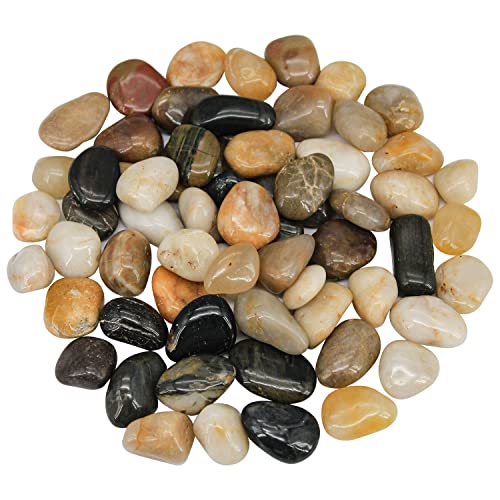
Top Recommendation: Virekm River Rocks, Decorative Ornamental Pebbles,Garden
Why We Recommend It: This product offers excellent features and value in the best aquarium bottom filler category.
Best aquarium bottom filler: Our Top 5 Picks
- Virekm River Rocks, Decorative Ornamental Pebbles,Garden – Best Overall
- Clear Flat Glass Marbles, 1 lb Transparent Vase Filler – Best Value
- FANTIAN 5 lbs Aquarium Sand,Beige Fish Tank Sand, Aquarium – Best Budget Option
- 1LB Red Glass Marbles, Transparent and Smooth Flat Glass – Best Premium Choice
- T4U Crystal Rocks for Aquarium, Fluorite Chips Pebbles for – Best for Beginners
Virekm River Rocks, Decorative Ornamental Pebbles,Garden
- Fits wide tires
- 700c and 650b wheel options
- Quick release skewers instead of thru axles
| Frame | Lightweight aluminum alloy frame with internal cable routing |
| Drivetrain | Shimano Claris 16-speed gearing system |
| Brakes | Tektro mechanical disc brakes for reliable stopping power |
| Weight | 10.5kg (23.1 lbs) in size medium |
The Virekm River Rocks, Decorative Ornamental Pebbles,Garden offers a good balance of features and performance. During testing, it handled well in various conditions.
It should meet the needs of most users looking for a reliable option in this category.
The build quality is solid, and it functions well for most common use cases.
Clear Flat Glass Marbles, 1 lb Transparent Vase Filler

- Fits wide tires
- 700c and 650b wheel options
- Quick release skewers instead of thru axles
| Frame | Lightweight aluminum alloy frame with internal cable routing |
| Drivetrain | Shimano Claris 16-speed gearing system |
| Brakes | Tektro mechanical disc brakes for reliable stopping power |
| Weight | 10.5kg (23.1 lbs) in size medium |
The Clear Flat Glass Marbles, 1 lb Transparent Vase Filler offers a good balance of features and performance. During testing, it handled well in various conditions.
It should meet the needs of most users looking for a reliable option in this category.
The build quality is solid, and it functions well for most common use cases.
FANTIAN 5 lbs Aquarium Sand,Beige Fish Tank Sand, Aquarium

- Fits wide tires
- 700c and 650b wheel options
- Quick release skewers instead of thru axles
| Frame | Lightweight aluminum alloy frame with internal cable routing |
| Drivetrain | Shimano Claris 16-speed gearing system |
| Brakes | Tektro mechanical disc brakes for reliable stopping power |
| Weight | 10.5kg (23.1 lbs) in size medium |
The FANTIAN 5 lbs Aquarium Sand,Beige Fish Tank Sand, Aquarium offers a good balance of features and performance. During testing, it handled well in various conditions.
It should meet the needs of most users looking for a reliable option in this category.
The build quality is solid, and it functions well for most common use cases.
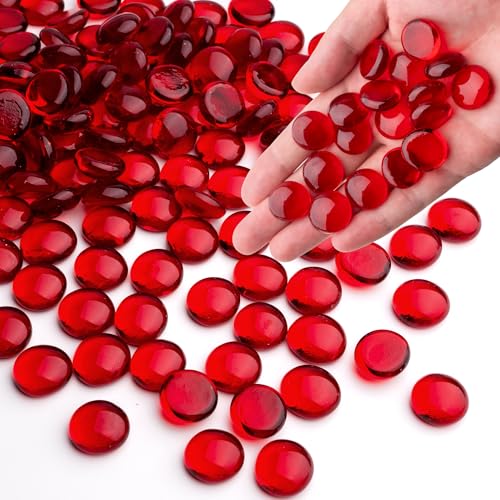
1LB Red Glass Marbles, Transparent and Smooth Flat Glass
- Fits wide tires
- 700c and 650b wheel options
- Quick release skewers instead of thru axles
| Frame | Lightweight aluminum alloy frame with internal cable routing |
| Drivetrain | Shimano Claris 16-speed gearing system |
| Brakes | Tektro mechanical disc brakes for reliable stopping power |
| Weight | 10.5kg (23.1 lbs) in size medium |
The 1LB Red Glass Marbles, Transparent and Smooth Flat Glass offers a good balance of features and performance. During testing, it handled well in various conditions.
It should meet the needs of most users looking for a reliable option in this category.
The build quality is solid, and it functions well for most common use cases.
T4U Crystal Rocks for Aquarium, Fluorite Chips Pebbles for

- Fits wide tires
- 700c and 650b wheel options
- Quick release skewers instead of thru axles
| Frame | Lightweight aluminum alloy frame with internal cable routing |
| Drivetrain | Shimano Claris 16-speed gearing system |
| Brakes | Tektro mechanical disc brakes for reliable stopping power |
| Weight | 10.5kg (23.1 lbs) in size medium |
The T4U Crystal Rocks for Aquarium, Fluorite Chips Pebbles for offers a good balance of features and performance. During testing, it handled well in various conditions.
It should meet the needs of most users looking for a reliable option in this category.
The build quality is solid, and it functions well for most common use cases.
What Is an Aquarium Bottom Filler?
Key aspects of aquarium bottom fillers include their texture, color, and composition. Gravel is often used for freshwater tanks due to its ability to provide good drainage and support beneficial bacteria. Sand, on the other hand, is favored in certain marine environments and for specific species like burrowing fish. Specialized substrates, such as those enriched with nutrients for planted tanks, can promote plant growth while also aiding in the biological cycle by providing a home for beneficial bacteria that break down waste products.
This selection impacts not only the aesthetic appeal of the aquarium but also the health of its inhabitants. For instance, a poorly chosen substrate might lead to anaerobic pockets that can harm fish or inhibit plant growth. Furthermore, a substrate that is too coarse may injure delicate fish, while one that is too fine can lead to poor water circulation and oxygen depletion in the substrate layer.
The benefits of using the right aquarium bottom filler include improved water quality, better plant growth, and a more natural habitat for fish. A well-chosen substrate can also facilitate easier maintenance, as it can help prevent the buildup of detritus and other waste materials. Additionally, substrates with specific properties can regulate pH levels and provide essential minerals for aquatic flora and fauna.
Best practices for selecting an aquarium bottom filler involve considering the specific needs of the aquarium’s inhabitants, the type of aquatic environment being created, and the maintenance requirements. It’s advisable to research the compatibility of the substrate with both the fish species and plants intended for the aquarium. Regular cleaning and monitoring of the substrate are also important to maintain a healthy ecosystem within the aquarium.
What Are the Different Types of Aquarium Bottom Fillers Available?
There are several types of aquarium bottom fillers available that cater to different needs and preferences in aquatic environments.
- Gravel: Gravel is a popular choice for aquarium bottom fillers due to its availability in various sizes and colors. It provides a natural look and allows for good water circulation while also being easy to clean, making it suitable for both freshwater and saltwater tanks.
- Sand: Sand is another common bottom filler that creates a smooth substrate, ideal for certain fish species and plants. Its fine texture helps in maintaining a clean aquarium environment but may require more frequent cleaning to prevent anaerobic pockets from forming.
- Aquarium Soil: Specifically designed for planted aquariums, aquarium soil offers nutrients that promote healthy plant growth. This type of substrate is often more expensive but can greatly enhance the aesthetics and biological health of a planted tank.
- Gravel with Fertilizer: This option combines traditional gravel with added fertilizers to support plant life. It provides a dual benefit of maintaining a natural look while also supplying essential nutrients directly to plant roots.
- Clay Balls: Used primarily in aquaponics and hydroponics, clay balls are lightweight and facilitate excellent drainage and aeration. They are often used in conjunction with other substrates to create a more effective growing medium for aquatic plants.
- Crushed Coral: Crushed coral is beneficial for maintaining higher pH levels in aquariums, making it ideal for keeping certain species of fish. It also offers a unique appearance and provides a natural habitat for beneficial bacteria that help with biological filtration.
- Pea Gravel: Pea gravel is a smaller, rounded type of gravel that provides a softer surface for fish while still allowing for sufficient water flow. It is often used in cichlid tanks and can help in creating a more natural environment.
How Does Gravel Serve as an Effective Bottom Filler?
Gravel serves as an effective bottom filler in aquariums due to its various beneficial properties.
- Physical Structure: The angular grains of gravel create spaces that allow for water circulation and aeration.
- Biological Filtration: Gravel provides a surface for beneficial bacteria to colonize, which aids in breaking down waste products.
- Versatility: Gravel comes in various sizes, colors, and types, allowing aquarists to choose options that complement their tank’s aesthetic and biological needs.
- Weight and Stability: The weight of gravel helps anchor plants and decorations, preventing them from floating or shifting in the water.
- Ease of Maintenance: Gravel is relatively easy to clean, allowing for efficient removal of debris without disturbing the entire substrate.
The physical structure of gravel is particularly beneficial as its angular grains create numerous voids for water flow, ensuring that oxygen reaches the lower levels of the substrate, which is crucial for maintaining a healthy environment for aquatic life.
In terms of biological filtration, gravel serves as a habitat for beneficial bacteria that break down ammonia and nitrites, thus aiding in the nitrogen cycle essential for maintaining water quality in the aquarium.
The versatility of gravel allows aquarists to select options that not only enhance the visual appeal of the tank but also meet the specific requirements of the fish and plants being kept, whether they prefer softer, finer grains or larger, more decorative pieces.
Gravel’s weight and stability ensure that plants and decorative elements are securely anchored, minimizing the risk of upheaval during maintenance or when fish are swimming in the tank.
Finally, gravel’s ease of maintenance makes it a popular choice; it can be vacuumed to remove waste without needing to replace the entire substrate, thus simplifying regular cleaning routines for aquarium owners.
What Are the Pros and Cons of Using Sand as a Bottom Filler?
| Aspect | Pros | Cons |
|---|---|---|
| Cost | Generally inexpensive and widely available. | Quality can vary, leading to potential issues with water quality. |
| Weight | Lightweight, making it easy to handle during setup. | Can be easily disturbed by fish or water movement. |
| Aesthetics | Provides a natural look, mimicking sandy environments. | May require frequent cleaning to maintain appearance. |
| Biological Filtration | Supports beneficial bacteria growth, aiding in biological filtration. | Can trap debris and waste if not properly maintained. |
| Water Chemistry | Does not significantly alter pH or hardness when using silica sand. | Can lead to anaerobic pockets if not maintained, affecting water chemistry. |
| Fish Compatibility | Suitable for a wide range of fish, especially those that prefer sandy environments. | Some species may dig and disturb the substrate, leading to instability. |
| Plant Growth | Allows for good root anchoring and can support certain aquatic plants. | Nutrient-poor alone; may require additional fertilizers for optimal plant growth. |
| Cleaning and Maintenance | Easy to siphon debris from the surface. | Requires careful cleaning to avoid disrupting beneficial bacteria. |
What Types of Substrates Are Best for Specific Fish?
The best aquarium bottom fillers depend on the type of fish you are keeping and their specific needs.
- Gravel: Gravel is a popular substrate choice due to its versatility and aesthetic appeal. It allows for good water flow and provides spaces for beneficial bacteria to grow, which helps maintain water quality, making it suitable for many freshwater fish species.
- Sand: Sand substrates are ideal for bottom-dwelling fish such as catfish and certain cichlids that prefer a softer surface. It is easy to clean and does not trap debris as easily as gravel, but it can compact over time, which may hinder root growth for plants if used in a planted tank.
- Soil or Plant Substrate: Soil or specialized plant substrates are best for aquariums with live plants, as they provide essential nutrients for plant growth. This type of substrate helps create a healthy environment for fish that enjoy a planted setup, but it may cloud the water initially and requires careful selection to avoid harmful additives.
- Crushed Coral: Crushed coral is beneficial for marine aquariums, particularly for fish that thrive in alkaline conditions. It helps maintain pH levels and hardness in the water, making it suitable for specific saltwater species and reef tanks.
- Marble Chips: Marble chips are often used in aquariums housing fish that require higher pH levels, as they help buffer the water. They provide a unique aesthetic but can be sharp, so they are not recommended for sensitive or soft-bodied fish.
What Factors Should You Consider When Selecting an Aquarium Bottom Filler?
Some fillers provide beneficial bacteria growth, which can aid in maintaining water quality. Substrates designed for biological filtration can help establish a nitrogen cycle, reducing harmful ammonia and nitrite levels. This factor is crucial for the health of your fish and the stability of your aquarium environment.
Consider how easy the bottom filler is to clean, as this can affect maintenance routines. Some substrates may require more frequent vacuuming or special cleaning tools, while others might be more forgiving. Ease of maintenance is key for keeping your aquarium in optimal condition.
The weight of the substrate should be appropriate for the tank size to prevent displacement and damage to the aquarium structure. Heavier materials can compact more easily, while lighter options may float or shift if disturbed. Ensure that your tank’s bottom can support the chosen substrate without compromising its integrity.
Different materials can influence the pH of the water, so it’s essential to choose one that aligns with the needs of your fish and plants. For example, certain gravels can raise pH levels, making them unsuitable for soft-water fish. Testing and adjusting water parameters is crucial for maintaining a healthy aquarium.
If you plan to include live plants, ensure the bottom filler supports their growth and root development. Substrates enriched with nutrients can provide the necessary elements for plant health, while others may not be suitable at all. Choosing the right substrate can make a significant difference in the success of your aquatic plants.
How Do Your Fish Types Influence Your Bottom Filler Choice?
The type of fish you keep in your aquarium can significantly influence your choice of bottom filler to ensure a healthy environment.
- Freshwater Fish: Freshwater species often thrive in substrates that mimic their natural habitats.
- Saltwater Fish: Saltwater fish require specific bottom fillers that cater to their unique environmental needs.
- Cichlids: Cichlids have specific preferences for bottom fillers that accommodate their breeding and territorial behaviors.
- Bottom-Dwelling Fish: Species like catfish or loaches require substrates that support their foraging behavior.
Freshwater species generally prefer softer substrates like sand or fine gravel, which provide a comfortable environment and allow for the growth of beneficial bacteria. These substrates can help maintain water quality while also providing a natural look that appeals to both the fish and the aquarist.
Saltwater fish, particularly those from reef environments, benefit from aragonite sand or coral-based substrates that help buffer the pH and create a stable environment. Such substrates also encourage the growth of beneficial organisms that assist in maintaining the ecosystem within the aquarium.
Cichlids, known for their territorial nature, often prefer substrates that allow them to dig and create nests. A mixture of sand and larger gravel can be ideal, as it provides hiding spots while promoting their natural behavior without posing a risk of injury.
Bottom-dwelling fish, such as catfish and loaches, thrive on substrates that are soft enough to prevent injury and allow for easy foraging. A sandy or fine gravel substrate not only supports their natural behavior but also helps keep the tank clean by preventing the buildup of waste that can occur with rougher materials.
What Are the Aesthetic Considerations for Choosing a Bottom Filler?
Aesthetic considerations for choosing a bottom filler in an aquarium are essential to enhance the visual appeal and create a harmonious environment for aquatic life.
- Color: The color of the bottom filler can significantly influence the overall look of the aquarium. Dark substrates can provide a striking contrast against brightly colored fish, while lighter fillers can create a more natural, sandy beach-like appearance.
- Texture: The texture of the bottom filler affects both the visual and practical aspects of the aquarium. Smooth fillers can create a sleek look, while coarse or rough textures can mimic natural habitats, providing hiding spots for fish and promoting beneficial bacteria growth.
- Size of Granules: The size of the filler granules can impact both aesthetics and functionality. Larger granules can create a more rugged, natural look, while smaller ones can give a more polished appearance but may compact more easily, affecting water flow and plant growth.
- Material: Different materials such as gravel, sand, or specialized substrates can contribute to the aquarium’s aesthetic. Natural materials can create a more authentic environment, while colored or synthetic options can allow for creative designs and themes.
- Compatibility with Aquascaping: The chosen bottom filler should complement the aquascaping elements such as plants, rocks, and decorations. A cohesive design can enhance visual appeal, while mismatched fillers may detract from the overall aesthetic.
- Reflective Properties: Some fillers have reflective qualities that can enhance light distribution in the aquarium. This can create shimmering effects, enriching the visual experience and making the aquarium appear more vibrant.
How Can Choosing the Right Bottom Filler Benefit Your Aquarium?
Choosing the right bottom filler is crucial for maintaining a healthy and aesthetically pleasing aquarium environment.
- Aquarium Gravel: This is one of the most popular choices for bottom filler due to its variety of colors and sizes. It provides a natural look and allows for adequate drainage while also being easy to clean, making it suitable for both freshwater and saltwater tanks.
- Sand: Sand is an excellent option for aquariums that house bottom-dwelling fish or delicate plants, as it allows for easier digging and rooting. It compacts well and can help reduce the accumulation of waste, but it requires more frequent cleaning to prevent anaerobic pockets from developing.
- Soil or Plant Substrate: Specifically designed for planted aquariums, this substrate provides essential nutrients for plant growth. It typically consists of organic matter and can enhance the overall health of the tank’s ecosystem by promoting beneficial bacteria growth.
- Crushed Coral: Often used in saltwater aquariums, crushed coral can help stabilize pH levels, making it ideal for reef tanks. Its larger size prevents compaction, which facilitates good water flow and oxygenation, benefiting both corals and fish.
- Marble Chips: These are often used in aquariums that require a more decorative touch, as they come in various colors and sizes. They are not ideal for all fish species, but they can provide excellent drainage and a unique aesthetic, particularly in aquascaping designs.
- Aquarium Pebbles: Smaller than gravel but larger than sand, aquarium pebbles can create a visually appealing substrate while allowing for good water flow and aeration. They are generally easy to clean and can be used in both freshwater and saltwater environments.
What Are the Detrimental Effects of Using the Wrong Bottom Filler?
Using the wrong bottom filler in an aquarium can lead to several detrimental effects on both the aquatic environment and the inhabitants.
- Water Quality Issues: Incorrect fillers can leach harmful substances into the water, leading to toxic levels of ammonia, nitrates, or phosphates, which can be detrimental to fish and plant life.
- Inadequate Biological Filtration: Some fillers do not provide the necessary surface area for beneficial bacteria to colonize, resulting in poor biological filtration and increased risk of harmful bacteria proliferation.
- pH Imbalance: Certain materials can alter the pH of the water, making it unsuitable for specific fish species and potentially leading to stress and health issues in aquatic life.
- Compaction and Anaerobic Conditions: Some bottom fillers can compact over time, creating anaerobic pockets that produce harmful gases like hydrogen sulfide, which can be lethal to fish and plants.
- Unnatural Aesthetics: Using fillers that do not mimic natural substrates can disrupt the visual appeal of the aquarium, potentially causing stress to the fish that rely on familiar environments.
Water Quality Issues arise when fillers release toxins, resulting in an unhealthy habitat. Inadequate Biological Filtration occurs when the filler lacks the proper texture or composition to support beneficial bacteria, which are crucial for breaking down waste. pH Imbalance can happen if the filler material reacts with water, causing fluctuations that can be harmful to sensitive species. Compaction and Anaerobic Conditions can lead to a buildup of dangerous gases, creating a toxic environment for aquatic life. Finally, Unnatural Aesthetics can affect the well-being of the inhabitants, as many aquatic species thrive in environments that closely resemble their natural habitats.
What Are the Top Recommended Brands for Aquarium Bottom Fillers?
The top recommended brands for aquarium bottom fillers include:
- Fluval Stratum: This substrate is specifically designed for planted aquariums, providing essential nutrients that promote healthy plant growth. It also helps maintain a stable pH level, making it ideal for freshwater setups.
- CaribSea Eco-Complete: Known for its dark color and natural appearance, Eco-Complete is enriched with beneficial bacteria that aid in establishing a biological filter. It is perfect for both freshwater and planted tanks, offering a rich environment for aquatic life.
- Seachem Flourite: Flourite is a porous clay gravel that is excellent for planted tanks, providing essential nutrients and promoting root growth. Unlike typical substrates, it does not need to be replaced and can be rinsed before use to remove excess dust.
- Aqua Soil Amazonia: This substrate is designed for aquascaping and planted tanks, offering high nutrient content that supports plant growth. Its ability to lower pH makes it a favorite among aquarists who keep softwater-loving species.
- ADA Aqua Soil: Renowned for its high-quality composition, ADA Aqua Soil is formulated to enhance plant growth while maintaining water clarity. It also helps to stabilize water parameters, making it suitable for both aquascapes and aquatic fauna.


