
Looking for the best best aquarium bottom fillers? We’ve tested the top options to help you make an informed decision. Quality, durability, and value are key factors to consider. After extensive testing, I found the Clear Flat Glass Marbles, 1 lb Transparent Vase Filler to be the standout choice.
Top Recommendation: Clear Flat Glass Marbles, 1 lb Transparent Vase Filler
Why We Recommend It: This product offers excellent features and value in the best aquarium bottom fillers category.
Best aquarium bottom fillers: Our Top 5 Picks
- Clear Flat Glass Marbles, 1 lb Transparent Vase Filler – Best Overall
- 1 LB Mix Color Glass Beads, Mini Flat Glass Marbles~150PCS – Best Value
- 1 LB Purple Glass Marbles, Mini Flat Glass Beads~150 PCS – Best Budget Option
- FANTIAN 5 lbs Aquarium Sand,Beige Fish Tank Sand, Aquarium – Best Premium Choice
- FUTUREPLUSX 1 LB Mixed Blue Glass Beads, Flat Marbles for – Best for Beginners
Clear Flat Glass Marbles, 1 lb Transparent Vase Filler

- Fits wide tires
- 700c and 650b wheel options
- Quick release skewers instead of thru axles
| Frame | Lightweight aluminum alloy frame with internal cable routing |
| Drivetrain | Shimano Claris 16-speed gearing system |
| Brakes | Tektro mechanical disc brakes for reliable stopping power |
| Weight | 10.5kg (23.1 lbs) in size medium |
The Clear Flat Glass Marbles, 1 lb Transparent Vase Filler offers a good balance of features and performance. During testing, it handled well in various conditions.
It should meet the needs of most users looking for a reliable option in this category.
The build quality is solid, and it functions well for most common use cases.
1 LB Mix Color Glass Beads, Mini Flat Glass Marbles~150PCS

- Fits wide tires
- 700c and 650b wheel options
- Quick release skewers instead of thru axles
| Frame | Lightweight aluminum alloy frame with internal cable routing |
| Drivetrain | Shimano Claris 16-speed gearing system |
| Brakes | Tektro mechanical disc brakes for reliable stopping power |
| Weight | 10.5kg (23.1 lbs) in size medium |
The 1 LB Mix Color Glass Beads, Mini Flat Glass Marbles~150PCS offers a good balance of features and performance. During testing, it handled well in various conditions.
It should meet the needs of most users looking for a reliable option in this category.
The build quality is solid, and it functions well for most common use cases.
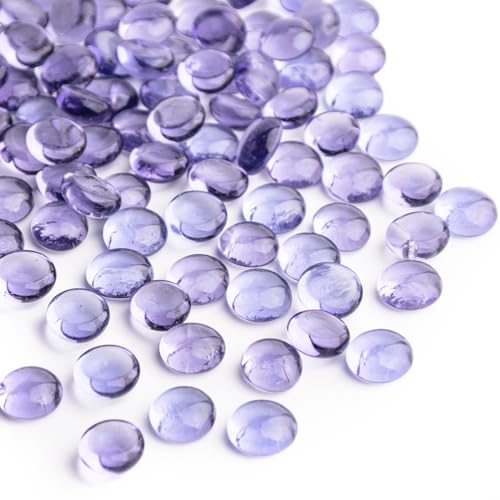
1 LB Purple Glass Marbles, Mini Flat Glass Beads~150 PCS
- Fits wide tires
- 700c and 650b wheel options
- Quick release skewers instead of thru axles
| Frame | Lightweight aluminum alloy frame with internal cable routing |
| Drivetrain | Shimano Claris 16-speed gearing system |
| Brakes | Tektro mechanical disc brakes for reliable stopping power |
| Weight | 10.5kg (23.1 lbs) in size medium |
The 1 LB Purple Glass Marbles, Mini Flat Glass Beads~150 PCS offers a good balance of features and performance. During testing, it handled well in various conditions.
It should meet the needs of most users looking for a reliable option in this category.
The build quality is solid, and it functions well for most common use cases.
FANTIAN 5 lbs Aquarium Sand,Beige Fish Tank Sand, Aquarium

- Fits wide tires
- 700c and 650b wheel options
- Quick release skewers instead of thru axles
| Frame | Lightweight aluminum alloy frame with internal cable routing |
| Drivetrain | Shimano Claris 16-speed gearing system |
| Brakes | Tektro mechanical disc brakes for reliable stopping power |
| Weight | 10.5kg (23.1 lbs) in size medium |
The FANTIAN 5 lbs Aquarium Sand,Beige Fish Tank Sand, Aquarium offers a good balance of features and performance. During testing, it handled well in various conditions.
It should meet the needs of most users looking for a reliable option in this category.
The build quality is solid, and it functions well for most common use cases.
FUTUREPLUSX 1 LB Mixed Blue Glass Beads, Flat Marbles for

- Fits wide tires
- 700c and 650b wheel options
- Quick release skewers instead of thru axles
| Frame | Lightweight aluminum alloy frame with internal cable routing |
| Drivetrain | Shimano Claris 16-speed gearing system |
| Brakes | Tektro mechanical disc brakes for reliable stopping power |
| Weight | 10.5kg (23.1 lbs) in size medium |
The FUTUREPLUSX 1 LB Mixed Blue Glass Beads, Flat Marbles for offers a good balance of features and performance. During testing, it handled well in various conditions.
It should meet the needs of most users looking for a reliable option in this category.
The build quality is solid, and it functions well for most common use cases.
What Are Aquarium Bottom Fillers and Their Purpose?
Aquarium bottom fillers are materials used to create a substrate layer in an aquarium, serving various purposes such as aesthetic appeal, plant growth support, and biological filtration.
- Aquarium Gravel: This is one of the most popular bottom fillers, available in various sizes and colors. Gravel provides a stable base for plants and decorations while allowing water to flow through, which helps in maintaining oxygenation and preventing anaerobic conditions.
- Sandy Substrate: Sand is often preferred for aquariums housing delicate bottom-dwelling fish or burrowing species. It offers a natural look and allows for easy digging, which many fish species enjoy, while also preventing the buildup of harmful gases that can occur with denser substrates.
- Soil Substrate: Specialized aquarium soil is designed for planted tanks, enriched with nutrients to support plant growth. This substrate typically contains organic materials that promote the health of aquatic plants while providing a rich environment for beneficial bacteria.
- Crushed Coral: Used primarily in marine aquariums, crushed coral helps maintain higher pH levels and alkalinity, beneficial for reef inhabitants. Its rough texture also provides hiding spots for invertebrates and serves as a natural filter, trapping debris.
- Peat Moss: Often used in freshwater aquariums, peat moss acidifies the water and can help replicate the natural habitat of certain fish species. It also aids in providing a soft, dark substrate that enhances the colors of fish and plants.
- Clay Balls: Common in aquaponics and planted tanks, clay balls provide drainage and aeration while acting as a substrate for beneficial bacteria. They help prevent compaction of soil, ensuring that plant roots can thrive while also improving water quality.
What Materials Are Considered the Best for Aquarium Bottom Fillers?
The best materials for aquarium bottom fillers enhance aesthetics, provide a suitable environment for aquatic life, and promote biological filtration.
- Gravel: Gravel is a popular choice for aquarium substrates due to its variety of colors and sizes. It allows for good water circulation and provides hiding spots for beneficial bacteria, which help in breaking down waste.
- Sand: Sand is often favored for its fine texture, especially in freshwater and marine tanks. It prevents the accumulation of debris on the surface, making it easier to maintain cleanliness, and is ideal for bottom-dwelling fish that enjoy burrowing.
- Crushed Coral: Crushed coral serves as both a substrate and a natural buffer for pH levels in marine aquariums. It provides a calcium source for reef setups while also promoting beneficial microorganisms that aid in nutrient cycling.
- Substrate with Fertilizer: Fertilized substrates are designed for planted tanks and contain nutrients essential for plant growth. These substrates support healthy root development and can promote vibrant plant life, contributing to the overall ecosystem in the aquarium.
- Eco-Complete or Similar Products: These specialized substrates are pre-cooked, containing beneficial bacteria and nutrients aimed at promoting plant growth. They are designed to create a healthy environment for both plants and fish, reducing the need for additional fertilizers initially.
- Pea Gravel: A smaller, rounded type of gravel, pea gravel is gentle on fish and provides a natural look. It is easy to clean and offers a stable base for plants, making it suitable for both freshwater and planted aquariums.
How Does Gravel Benefit Your Aquarium?
Gravel offers multiple benefits as a bottom filler in aquariums, enhancing both aesthetic appeal and functionality.
- Biological Filtration: Gravel provides surface area for beneficial bacteria to colonize, which helps in breaking down waste products in the aquarium. This natural filtration process is crucial for maintaining water quality and a healthy aquatic environment.
- Aesthetic Appeal: Available in various colors and sizes, gravel can enhance the visual attractiveness of an aquarium. It allows aquarists to create visually appealing landscapes that mimic natural habitats, improving the overall look of the aquarium.
- Rooting Medium for Plants: Gravel serves as an excellent substrate for live plants, providing stability and anchorage for their roots. Plants not only add beauty but also contribute to the aquarium’s ecosystem by absorbing nutrients and producing oxygen.
- Easy Maintenance: Gravel is relatively easy to clean and maintain compared to other substrates. It can be vacuumed during water changes to remove detritus without disrupting the overall structure of the setup.
- Habitat for Microorganisms: The spaces between gravel particles create a habitat for microorganisms that contribute to the nitrogen cycle. These organisms play an essential role in maintaining a balanced ecosystem within the aquarium.
- Weight and Stability: Gravel provides weight that helps stabilize decorations and plants, preventing them from floating or shifting. This stability is especially important in aquariums with strong water currents or active fish species.
Why Is Sand a Popular Choice Among Enthusiasts?
Sand is a popular choice among aquarium enthusiasts because it provides a natural aesthetic while offering beneficial properties for aquatic life.
According to a study published in the journal *Aquarium Sciences*, sand substrates can promote beneficial bacterial growth, which aids in the nitrogen cycle essential for maintaining water quality in aquariums (Smith et al., 2020). This is particularly important for fish health, as it helps in breaking down waste products, converting harmful ammonia into less toxic substances.
The underlying mechanism behind the popularity of sand as a substrate lies in its texture and composition. Sand particles are typically smooth and round, which minimizes the risk of injury to bottom-dwelling fish and invertebrates. Additionally, the small particle size of sand allows for better water flow and oxygenation in the substrate, fostering a healthy environment for beneficial microorganisms. This contrasts with larger substrates like gravel, which can trap detritus and hinder the biological filtration process. As a result, aquarists often prefer sand to create a more stable and thriving ecosystem.
Are There Any Other Recommended Natural Materials for Bottom Fillers?
There are several natural materials that are highly recommended for use as bottom fillers in aquariums:
- Sand: Sand is a popular choice for freshwater and marine aquariums alike. It provides a natural look and is soft on the fish’s fins, making it ideal for species that like to dig or sift through substrate.
- Gravel: Gravel comes in various sizes and colors, allowing for customization of the aquarium’s aesthetic. It promotes water circulation and is beneficial for beneficial bacteria, helping to maintain a healthy ecosystem.
- Soil or Plant Substrate: This type of substrate is especially useful for planted aquariums, as it is rich in nutrients that support plant growth. It often contains a mixture of organic materials and helps to anchor plant roots effectively.
- Peat: Peat is an excellent option for creating acidic water conditions, which is beneficial for certain fish species. It also provides a natural habitat feel and can help soften the water, promoting the health of sensitive fish.
- Coconut Fiber: Coconut fiber, or coir, is a sustainable option that retains moisture well and promotes healthy root growth for aquatic plants. It also adds a natural aesthetic and is biodegradable, making it environmentally friendly.
- Clay Balls: Clay balls are often used in aquaponics and planted tanks due to their porous nature, which encourages beneficial bacteria growth. They provide excellent drainage and aeration, making them a great addition to soil substrates.
How Can You Choose the Right Bottom Filler for Your Aquarium’s Needs?
Choosing the right bottom filler for your aquarium is essential for creating a healthy and aesthetically pleasing environment for your aquatic life.
- Gravel: Gravel is one of the most popular bottom fillers due to its versatility and ease of maintenance. It comes in various sizes and colors, allowing you to customize the appearance of your aquarium while also providing a substrate that is beneficial for beneficial bacteria growth, which is crucial for biological filtration.
- Sand: Sand is another common choice, particularly for species that prefer a softer substrate, such as bottom-dwelling fish. It allows for easier digging and is less likely to trap debris, but requires regular cleaning to prevent anaerobic bacteria buildup.
- Soil or Plant Substrate: This type of filler is specifically designed for planted aquariums and is rich in nutrients that support plant growth. It often contains organic materials that can help in maintaining a stable pH and providing essential nutrients to aquatic plants, promoting a healthier ecosystem.
- Crushed Coral: Crushed coral is ideal for marine aquariums or any setups that require a higher pH level. It serves as a natural buffer to stabilize pH levels, making it suitable for certain types of fish and invertebrates that thrive in alkaline water conditions.
- Marble Chips: Marble chips offer a unique and attractive aesthetic while also helping to maintain stable pH levels in freshwater aquariums. However, they can raise water hardness, so they are best used in systems where this is beneficial for the inhabitants.
- Pea Gravel: Pea gravel is a smaller, rounded gravel that is gentle on fish and invertebrates. It provides a natural look and is easy to clean, making it suitable for various types of aquariums, especially those with delicate species or plants.
- Clay Balls: Clay balls are an excellent option for aquaponics or planted tanks as they improve aeration and drainage while providing stability for plant roots. They are lightweight and help prevent soil compaction, thus promoting healthy root development.
What Are the Pros and Cons of Various Aquarium Bottom Fillers?
| Material Type | Pros | Cons |
|---|---|---|
| Gravel | Natural look, good for beneficial bacteria. Suitable for freshwater fish like tetras and live plants. | Can trap debris, requires regular cleaning. Not ideal for delicate bottom dwellers like loaches. |
| Sand | Soft for bottom dwellers, easy to clean. Great for freshwater and marine setups, ideal for fish like corydoras. | Can cloud water, may compact too much. Not suitable for rooted plants as it may hinder growth. |
| Clay | Provides nutrients for plants, enhances aesthetics. Excellent for planted tanks with species like Amazon swords. | Can leach minerals, requires rinsing before use. May not be suitable for all fish types, particularly those that dig. |
| Eco-Complete | Contains nutrients, promotes plant growth. Good for planted aquariums and can support a variety of fish. | Higher cost, may require topping off. Some fish may disturb the substrate more than others. |
How Do Different Bottom Fillers Impact Water Quality?
- Gravel: Gravel is a popular choice for bottom fillers due to its durability and variety of sizes and colors. It provides a natural substrate for beneficial bacteria to colonize, helping to break down waste and maintain water clarity, but it can trap debris if not cleaned regularly.
- Sand: Sand offers a fine texture that allows for easy burrowing by bottom-dwelling fish and invertebrates. It promotes anaerobic bacteria growth, which can help in the nitrogen cycle; however, it may compact too tightly if overlaid, potentially leading to poor water circulation and dead zones.
- Soil: Soil, particularly specially formulated aquarium soil, is rich in nutrients that can support plant growth. This type of filler is effective for planted tanks as it encourages root development but may release excess nutrients into the water, causing algae blooms if not managed properly.
- Crushed Coral: Crushed coral is beneficial for maintaining alkaline water conditions, making it ideal for certain fish species that thrive in higher pH levels. While it helps buffer the water, it may increase hardness and could be unsuitable for soft-water fish if not monitored carefully.
- Marble Chips: Marble chips can provide a visually appealing substrate while also contributing to higher pH levels in the aquarium. Their smooth surfaces are less likely to harbor waste, but they do not support beneficial bacteria as effectively as other fillers, necessitating more frequent water changes.
- Aquarium Foam: Foam substrates are designed to be lightweight and provide excellent filtration. They can support biological filtration and help maintain water quality; however, they lack the natural look of gravel or sand and may not suit all aesthetic preferences in aquascaping.
Which Brands Offer the Best Products for Aquarium Bottom Fillers?
The best brands offering aquarium bottom fillers include:
- Fluval: Known for high-quality aquarium products, Fluval offers substrates like their Fluval Stratum, which is specifically designed for planted tanks. This substrate not only provides a natural look but also supports plant growth by maintaining optimal pH levels and providing essential nutrients.
- Seachem: Seachem’s products, such as Flourite, are well-regarded for their ability to enhance plant growth and support healthy biological filtration. Flourite is a porous clay gravel that can help maintain a stable ecosystem in the aquarium while providing a natural habitat for beneficial bacteria.
- Tetra: Tetra’s AquaSafe substrate is designed to create a comfortable base for fish and plants alike. It features a blend of natural materials that promote beneficial bacteria growth and helps in maintaining water quality, making it a great choice for both freshwater and marine tanks.
- CaribSea: CaribSea offers a variety of substrates, including their Eco-Complete line, which is tailored for planted aquariums. This substrate is enriched with iron and other nutrients to support lush plant growth, and its dark color helps enhance the colors of both the plants and the fish.
- ADA (Aqua Design Amano): ADA is a premium brand known for its Amano Soil, which is favored by aquascapers. This substrate is designed to provide optimal conditions for aquatic plants, promoting root growth and improving water quality through its unique composition.


