
Looking for the best best aquarium co2 drop checker? We’ve tested the top options to help you make an informed decision. Quality, durability, and value are key factors to consider. After extensive testing, I found the Pawfly Glass CO2 Drop Checker for Aquarium CO2 Indicator to be the standout choice.
Top Recommendation: Pawfly Glass CO2 Drop Checker for Aquarium CO2 Indicator
Why We Recommend It: This product offers excellent features and value in the best aquarium co2 drop checker category.
Best aquarium co2 drop checker: Our Top 4 Picks
- Pawfly Glass CO2 Drop Checker for Aquarium CO2 Indicator – Best Overall
- Novique CO2 Glass Drop Checker Aquatic CO2 Test Monitor Kit – Best Value
- Clscea CO2 Indicator Solution Drop Checker Solution for – Best Budget Option
- JARDLI Glass CO2 Drop Checker – CO2 Monitor Kit for – Best Premium Choice
Pawfly Glass CO2 Drop Checker for Aquarium CO2 Indicator

- Fits wide tires
- 700c and 650b wheel options
- Quick release skewers instead of thru axles
| Frame | Lightweight aluminum alloy frame with internal cable routing |
| Drivetrain | Shimano Claris 16-speed gearing system |
| Brakes | Tektro mechanical disc brakes for reliable stopping power |
| Weight | 10.5kg (23.1 lbs) in size medium |
The Pawfly Glass CO2 Drop Checker for Aquarium CO2 Indicator offers a good balance of features and performance. During testing, it handled well in various conditions.
It should meet the needs of most users looking for a reliable option in this category.
The build quality is solid, and it functions well for most common use cases.
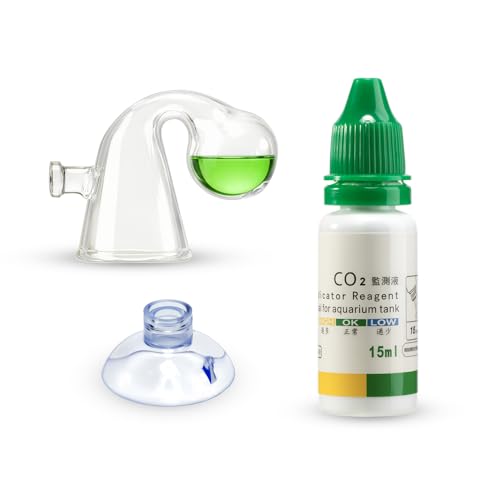
Novique CO2 Glass Drop Checker Aquatic CO2 Test Monitor Kit
- Fits wide tires
- 700c and 650b wheel options
- Quick release skewers instead of thru axles
| Frame | Lightweight aluminum alloy frame with internal cable routing |
| Drivetrain | Shimano Claris 16-speed gearing system |
| Brakes | Tektro mechanical disc brakes for reliable stopping power |
| Weight | 10.5kg (23.1 lbs) in size medium |
The Novique CO2 Glass Drop Checker Aquatic CO2 Test Monitor Kit offers a good balance of features and performance. During testing, it handled well in various conditions.
It should meet the needs of most users looking for a reliable option in this category.
The build quality is solid, and it functions well for most common use cases.
Clscea CO2 Indicator Solution Drop Checker Solution for

- Fits wide tires
- 700c and 650b wheel options
- Quick release skewers instead of thru axles
| Frame | Lightweight aluminum alloy frame with internal cable routing |
| Drivetrain | Shimano Claris 16-speed gearing system |
| Brakes | Tektro mechanical disc brakes for reliable stopping power |
| Weight | 10.5kg (23.1 lbs) in size medium |
The Clscea CO2 Indicator Solution Drop Checker Solution for offers a good balance of features and performance. During testing, it handled well in various conditions.
It should meet the needs of most users looking for a reliable option in this category.
The build quality is solid, and it functions well for most common use cases.
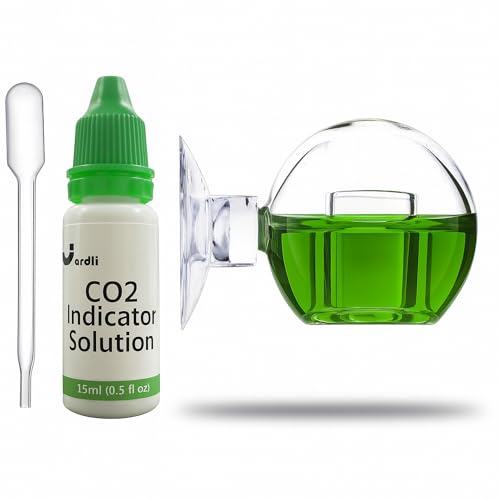
JARDLI Glass CO2 Drop Checker – CO2 Monitor Kit for
- Fits wide tires
- 700c and 650b wheel options
- Quick release skewers instead of thru axles
| Frame | Lightweight aluminum alloy frame with internal cable routing |
| Drivetrain | Shimano Claris 16-speed gearing system |
| Brakes | Tektro mechanical disc brakes for reliable stopping power |
| Weight | 10.5kg (23.1 lbs) in size medium |
The JARDLI Glass CO2 Drop Checker – CO2 Monitor Kit for offers a good balance of features and performance. During testing, it handled well in various conditions.
It should meet the needs of most users looking for a reliable option in this category.
The build quality is solid, and it functions well for most common use cases.
What is a CO2 Drop Checker and Why Is It Important for Aquariums?
Benefits of using a CO2 Drop Checker include improved plant growth, better water quality, and a more stable environment for fish. By regularly monitoring CO2 levels, aquarists can make informed adjustments to their CO2 injection systems, ensuring that plants receive adequate levels while minimizing stress on fish. This proactive approach can lead to a thriving aquatic environment that showcases healthy plants and happy fish.
Best practices for utilizing a CO2 Drop Checker include placing the device in an area of high water circulation within the aquarium to ensure accurate readings. Regularly checking and calibrating the drop checker solution is also recommended to maintain its effectiveness. Furthermore, aquarists should be aware of the specific needs of their plants and fish species, as different organisms may thrive under varying CO2 concentrations.
How Does a CO2 Drop Checker Work to Monitor CO2 Levels?
A CO2 drop checker is an essential device for monitoring the carbon dioxide levels in an aquarium, providing visual feedback on the water’s CO2 concentration. Here’s how it works:
-
Basic Functionality: The drop checker is typically a small glass or plastic container filled with a pH-sensitive solution, usually bromothymol blue, which changes color based on the acidity of the water.
-
Color Indicators:
- Yellow: Indicates high CO2 levels (generally above 30 mg/L), suggesting that CO2 injection is sufficient.
- Green: This is the target color, indicating optimal CO2 levels (around 20-30 mg/L) for plant growth.
-
Blue: Signifies low CO2 levels (below 20 mg/L), suggesting that additional CO2 might be needed for healthy aquarium plants.
-
Placement: The drop checker should be placed near the water surface, where it can easily equilibrate with the water and accurately reflect CO2 levels.
-
Regular Monitoring: Regularly checking the drop checker’s color helps maintain appropriate CO2 levels in the aquarium, ensuring a healthy environment for aquatic plants and fish.
Incorporating a CO2 drop checker allows hobbyists to effectively manage and optimize their aquarium’s CO2 levels for thriving aquatic life.
What Features Should You Consider When Choosing a CO2 Drop Checker?
When choosing the best aquarium CO2 drop checker, several key features should be considered to ensure effective monitoring of CO2 levels in your aquarium.
- Material: The drop checker should be made from high-quality glass or durable plastic to withstand the aquarium environment. Glass options often provide better visibility of the color change, while plastic can be more resistant to breakage.
- Size: A compact design is beneficial as it takes up less space in the aquarium and is less obtrusive. However, it should also be large enough to provide accurate readings and accommodate the CO2 solution without excessive dilution.
- Calibration Solution: It is essential that the drop checker comes with a reliable calibration solution, typically using a pH indicator that changes color based on CO2 concentration. This ensures that you can accurately assess the CO2 levels in your aquarium based on the color displayed.
- Ease of Installation: Look for a drop checker that is easy to install and does not require complex setup procedures. A simple suction cup or clip mechanism can make it more user-friendly and allow for easy adjustments within the tank.
- Visibility: The drop checker should be designed for clear visibility, enabling you to quickly assess the CO2 levels at a glance. Transparent or brightly colored solutions enhance visibility and make it easier to observe any changes in color.
- Compatibility: Ensure that the drop checker is compatible with your aquarium size and the type of CO2 system you are using. Some models may work better with specific CO2 setups, so checking compatibility can save you from future issues.
- Price: Consider the cost in relation to the features offered. While budget-friendly options exist, investing in a slightly more expensive model can provide better durability, accuracy, and ease of use, making it worthwhile in the long run.
Which CO2 Drop Checker Models Are the Most Recommended by Aquarists?
The most recommended CO2 drop checker models by aquarists include:
- Aqua Medic CO2 Drop Checker: This model is praised for its accuracy and ease of use.
- Green Leaf Aquariums Drop Checker: Known for its high-quality construction and precise results.
- Dennerle CO2 Drop Checker: Offers a reliable way to monitor CO2 levels with a sleek design.
- GROVE CO2 Drop Checker: Valued for its affordability and effectiveness in various aquarium setups.
- Milwaukee Instruments CO2 Drop Checker: Features a durable design and is favored for its clear color indicators.
Aqua Medic CO2 Drop Checker: This model is praised for its accuracy and ease of use. It features a clear glass design that allows for easy observation of the color change, indicating the CO2 levels in the aquarium. Its reliable performance makes it a favorite among both novice and experienced aquarists.
Green Leaf Aquariums Drop Checker: Known for its high-quality construction and precise results, this drop checker is designed to provide consistent readings over time. The robust materials used ensure longevity, and its easy attachment to the aquarium makes it a user-friendly option for monitoring CO2 levels.
Dennerle CO2 Drop Checker: Offers a reliable way to monitor CO2 levels with a sleek design that blends well into most aquarium aesthetics. The color change is easily observable, providing quick insights into the CO2 concentration, which is crucial for plant health. Aquarists appreciate its simplicity and effectiveness in maintaining optimal conditions.
GROVE CO2 Drop Checker: Valued for its affordability and effectiveness in various aquarium setups, this model is an excellent choice for budget-conscious hobbyists. It features a straightforward design that provides clear readings, making it easy to assess CO2 levels without breaking the bank. Its versatility makes it suitable for both small and large aquariums.
Milwaukee Instruments CO2 Drop Checker: Features a durable design and is favored for its clear color indicators, which help in easily determining CO2 levels. This model is known for its precision and reliability, making it an essential tool for serious aquarists looking to maintain ideal water conditions for their aquatic plants. Its robust construction ensures it withstands the rigors of aquarium life.
How Should You Properly Use a CO2 Drop Checker for Optimal Results?
Using a CO2 drop checker effectively is essential for maintaining optimal CO2 levels in your aquarium.
- Choose the Right Location: Place the drop checker in an area with good water circulation, ideally near the water surface and away from the CO2 diffuser.
- Correct Water Sample: Use aquarium water mixed with a specific pH indicator solution that changes color based on CO2 levels for accurate reading.
- Regular Monitoring: Check the color of the drop checker regularly, ideally daily, to ensure that CO2 levels are within the desired range.
- Adjust CO2 Levels: Based on the readings from the drop checker, adjust your CO2 injection rate accordingly to maintain stable and appropriate levels.
- Calibration and Maintenance: Regularly clean and calibrate your drop checker to ensure it provides accurate readings consistently.
Choosing the right location for your CO2 drop checker is crucial; it should be positioned in an area where water is well-circulated but not directly influenced by the CO2 bubbles from the diffuser. This ensures that the readings reflect the general water conditions rather than localized CO2 concentrations.
The water sample in the drop checker should be mixed with a pH indicator solution, such as bromothymol blue, which changes color in response to CO2 levels. This allows you to visually assess whether CO2 levels are in the optimal range for your aquarium’s plants.
Regular monitoring of the drop checker is important, as fluctuations in CO2 levels can significantly affect the health of your aquatic plants and fish. By checking the color daily, you can quickly identify any necessary adjustments to your CO2 system.
Adjusting CO2 levels based on the drop checker’s readings helps maintain a balance that supports plant growth without harming fish. If the drop checker indicates that CO2 levels are too low or too high, you can tweak your CO2 injection rate to achieve desired conditions.
Finally, calibration and maintenance of the drop checker are essential for ensuring its accuracy. Clean the device regularly to prevent algae buildup and recalibrate if necessary to ensure that the color changes correspond correctly to CO2 levels.
What Maintenance Practices Can Extend the Life of a CO2 Drop Checker?
Maintaining a CO2 drop checker is essential for ensuring its longevity and accuracy in monitoring CO2 levels in aquariums.
- Regular Cleaning: Periodically clean the drop checker to remove any algae buildup or debris that may obstruct the view of the color-changing solution. Use a soft brush and aquarium-safe cleaning solution to prevent scratching the glass and ensure that it remains transparent for accurate readings.
- Solution Replacement: Replace the bromothymol blue solution in the drop checker every 4-6 weeks to maintain its effectiveness. Over time, the solution can lose its ability to accurately reflect CO2 levels due to contamination or evaporation, leading to misleading readings.
- Proper Placement: Position the drop checker at an appropriate height and location in the aquarium to ensure it gets accurate readings of CO2 levels. Avoid placing it near strong water currents or surface agitation, as this can cause fluctuations in the readings and affect the overall health of the aquatic environment.
- Temperature Monitoring: Keep the drop checker away from direct heat sources or areas with significant temperature fluctuations. High temperatures can affect the chemical properties of the solution inside, leading to inaccurate CO2 level indications.
- Check for Leaks: Regularly inspect the drop checker for any signs of leaks or cracks that could compromise its function. A damaged drop checker may allow the solution to escape, leading to inaccurate readings and potentially harmful conditions in your aquarium.


