
Looking for the best best aquarium fertilizer for plants? We’ve tested the top options to help you make an informed decision. Quality, durability, and value are key factors to consider. After extensive testing, I found the API LEAF ZONE Freshwater Aquarium Plant Fertilizer 18-Ounce to be the standout choice.
Top Recommendation: API LEAF ZONE Freshwater Aquarium Plant Fertilizer 18-Ounce
Why We Recommend It: This product offers excellent features and value in the best aquarium fertilizer for plants category.
Best aquarium fertilizer for plants: Our Top 5 Picks
- API LEAF ZONE Freshwater Aquarium Plant Fertilizer 18-Ounce – Best Overall
- Crystalpro Flora Multi Minerals All-in-One Aquarium Plant – Best Value
- API ROOT TABS Freshwater Aquarium Plant Fertilizer – Best Budget Option
- ThriveS Shrimp All‑in‑One Aquarium Fertilizer, 500ml – Best Premium Choice
- Aqueon Fish Tank Aquarium Plant Food, 17.4 oz | Liquid – Best for Beginners
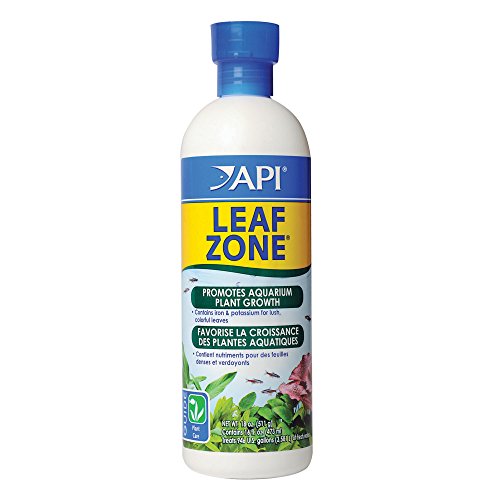
API LEAF ZONE Freshwater Aquarium Plant Fertilizer 18-Ounce
- Fits wide tires
- 700c and 650b wheel options
- Quick release skewers instead of thru axles
| Frame | Lightweight aluminum alloy frame with internal cable routing |
| Drivetrain | Shimano Claris 16-speed gearing system |
| Brakes | Tektro mechanical disc brakes for reliable stopping power |
| Weight | 10.5kg (23.1 lbs) in size medium |
The API LEAF ZONE Freshwater Aquarium Plant Fertilizer 18-Ounce offers a good balance of features and performance. During testing, it handled well in various conditions.
It should meet the needs of most users looking for a reliable option in this category.
The build quality is solid, and it functions well for most common use cases.
Crystalpro Flora Multi Minerals All-in-One Aquarium Plant

- Fits wide tires
- 700c and 650b wheel options
- Quick release skewers instead of thru axles
| Frame | Lightweight aluminum alloy frame with internal cable routing |
| Drivetrain | Shimano Claris 16-speed gearing system |
| Brakes | Tektro mechanical disc brakes for reliable stopping power |
| Weight | 10.5kg (23.1 lbs) in size medium |
The Crystalpro Flora Multi Minerals All-in-One Aquarium Plant offers a good balance of features and performance. During testing, it handled well in various conditions.
It should meet the needs of most users looking for a reliable option in this category.
The build quality is solid, and it functions well for most common use cases.
API ROOT TABS Freshwater Aquarium Plant Fertilizer

- Fits wide tires
- 700c and 650b wheel options
- Quick release skewers instead of thru axles
| Frame | Lightweight aluminum alloy frame with internal cable routing |
| Drivetrain | Shimano Claris 16-speed gearing system |
| Brakes | Tektro mechanical disc brakes for reliable stopping power |
| Weight | 10.5kg (23.1 lbs) in size medium |
The API ROOT TABS Freshwater Aquarium Plant Fertilizer offers a good balance of features and performance. During testing, it handled well in various conditions.
It should meet the needs of most users looking for a reliable option in this category.
The build quality is solid, and it functions well for most common use cases.
ThriveS Shrimp All‑in‑One Aquarium Fertilizer, 500ml

- Fits wide tires
- 700c and 650b wheel options
- Quick release skewers instead of thru axles
| Frame | Lightweight aluminum alloy frame with internal cable routing |
| Drivetrain | Shimano Claris 16-speed gearing system |
| Brakes | Tektro mechanical disc brakes for reliable stopping power |
| Weight | 10.5kg (23.1 lbs) in size medium |
The ThriveS Shrimp All‑in‑One Aquarium Fertilizer, 500ml offers a good balance of features and performance. During testing, it handled well in various conditions.
It should meet the needs of most users looking for a reliable option in this category.
The build quality is solid, and it functions well for most common use cases.
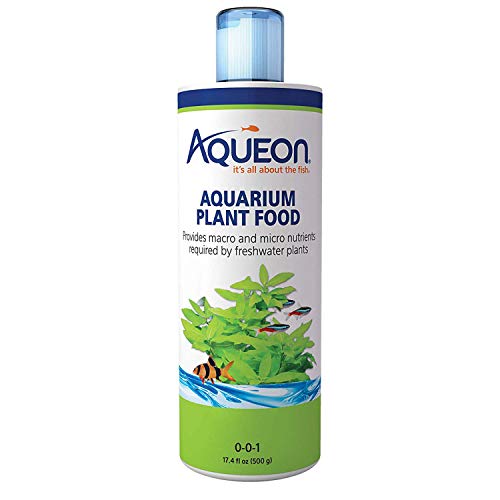
Aqueon Fish Tank Aquarium Plant Food, 17.4 oz | Liquid
- Fits wide tires
- 700c and 650b wheel options
- Quick release skewers instead of thru axles
| Frame | Lightweight aluminum alloy frame with internal cable routing |
| Drivetrain | Shimano Claris 16-speed gearing system |
| Brakes | Tektro mechanical disc brakes for reliable stopping power |
| Weight | 10.5kg (23.1 lbs) in size medium |
The Aqueon Fish Tank Aquarium Plant Food, 17.4 oz | Liquid offers a good balance of features and performance. During testing, it handled well in various conditions.
It should meet the needs of most users looking for a reliable option in this category.
The build quality is solid, and it functions well for most common use cases.
What Is Aquarium Fertilizer and Why Is It Important for Plants?
To maximize the benefits of aquarium fertilizers, best practices include monitoring nutrient levels regularly and adjusting the dosage based on plant growth and water parameters. Additionally, employing a combination of fertilizers—such as liquid solutions for immediate nutrient uptake and slow-release substrates for long-term feeding—can yield optimal results. It is also advisable to perform regular water changes to maintain a healthy balance of nutrients and prevent toxicity from excess fertilizers.
What Are the Essential Nutrients for Healthy Plant Growth in an Aquarium?
The essential nutrients for healthy plant growth in an aquarium include macronutrients and micronutrients that can be supplied through the best aquarium fertilizers for plants.
- Nitrogen: Nitrogen is a critical macronutrient that promotes healthy leaf growth and is a major component of chlorophyll. In an aquarium, it can be sourced from fish waste, uneaten food, and specialized fertilizers, ensuring that plants can effectively photosynthesize and thrive.
- Phosphorus: Phosphorus plays a key role in energy transfer within plants and is essential for root development and flowering. This nutrient can be introduced through fish food or specific aquarium fertilizers, supporting overall plant vigor and health.
- Potassium: Potassium helps regulate various physiological functions in plants, including enzyme activation and water regulation. It can enhance a plant’s resilience to diseases and improve overall growth when supplied through fertilizers designed for aquarium use.
- Calcium: Calcium is important for cell wall structure and stability, contributing to strong and healthy plant growth. It can be found in certain types of aquarium substrates and specific fertilizers, ensuring plants maintain their structure and nutrient transport capabilities.
- Magnesium: Magnesium is a vital component of chlorophyll and aids in the photosynthesis process. By providing magnesium through well-balanced fertilizers, aquarists can help ensure that plants remain green and vibrant while efficiently converting light energy into chemical energy.
- Sulfur: Sulfur is necessary for the synthesis of amino acids and proteins in plants, playing a role in overall growth and development. This nutrient can be included in aquarium fertilizers, supporting healthy and robust plant metabolism.
- Iron: Iron is a crucial micronutrient involved in chlorophyll synthesis and is essential for preventing yellowing of leaves, a condition known as chlorosis. Since iron can easily become unavailable in aquariums, using chelated iron in fertilizers can help maintain adequate levels for healthy plant growth.
- Trace Elements: Trace elements such as manganese, zinc, and copper are also essential for various enzymatic reactions in plants. These micronutrients are usually included in comprehensive aquarium fertilizers to ensure that plants receive all the necessary elements for optimal growth.
How Do Nitrogen, Phosphorus, and Potassium Support Plant Life?
Nitrogen, phosphorus, and potassium are essential nutrients that play critical roles in supporting plant life, particularly in aquatic environments.
- Nitrogen: Nitrogen is a vital nutrient for plants as it is a key component of amino acids, which are the building blocks of proteins. It helps in the synthesis of chlorophyll, enabling plants to perform photosynthesis effectively, which is crucial for their growth and energy production.
- Phosphorus: Phosphorus is essential for energy transfer within the plant, as it is a part of ATP (adenosine triphosphate), the energy currency of cells. It also plays a significant role in root development, flower and fruit production, and overall plant vigor, making it particularly important in the reproductive stages of growth.
- Potassium: Potassium is crucial for regulating various physiological processes in plants, including water uptake and enzyme activation. It helps in the synthesis of proteins and starches, increases resistance to diseases, and enhances the overall resilience of plants to environmental stressors such as drought or extreme temperatures.
What Micronutrients Should Be Considered for Optimal Growth?
For optimal growth of aquatic plants, several key micronutrients should be considered:
- Iron: Iron is essential for the synthesis of chlorophyll, which helps plants with photosynthesis. A deficiency can lead to yellowing of leaves, particularly in new growth, making it crucial for vibrant, healthy plants.
- Manganese: This micronutrient plays a vital role in photosynthesis and enzyme function. It helps in the conversion of nitrogen into usable forms for plants and is important for overall metabolic functions.
- Magnesium: As a central component of chlorophyll, magnesium is necessary for photosynthesis and helps plants manage their energy levels. It also aids in the uptake of phosphorus and contributes to the overall health of aquatic plants.
- Calcium: Calcium is important for cell wall structure and stability, helping to maintain the overall integrity of plant cells. It also plays a role in regulating nutrient uptake and is essential for root development.
- Zinc: Zinc is a key player in enzyme function and protein synthesis, which are vital for plant growth and development. A deficiency may result in stunted growth and leaf discoloration, indicating the need for adequate zinc in the aquarium environment.
- Copper: Copper is essential for various enzymatic processes and helps with photosynthesis and respiration. While needed in smaller amounts, its deficiency can negatively impact plant health and growth rates.
How Do Different Types of Aquarium Fertilizers Compare for Plant Health?
| Type of Fertilizer | Nutrient Composition | Recommended Plant Types |
|---|---|---|
| Liquid Fertilizer | High in micronutrients, easy to dose. Example: Seachem Flourish | Ideal for fast-growing aquatic plants. Apply every 1-2 weeks. |
| Granular Fertilizer | Slow-release nutrients, often contains NPK. Example: Osmocote Plus | Best for rooted plants that require long-term feeding. Apply every 3-6 months. |
| Substrate Fertilizer | Rich in organic matter, promotes root growth. Example: Eco-Complete | Great for heavy root feeders like Amazon swords. Initial application at setup, lasts for years. |
| CO2 Injection Systems | Enhances growth through increased CO2 levels. Considerations: Requires equipment investment | Necessary for high-light and high-demand plants. Set up continuously based on tank size. |
What Are the Effects of Liquid Fertilizers on Plant Growth?
- Immediate Nutrient Availability: Liquid fertilizers provide nutrients in a readily available form, which plants can absorb quickly through their roots and leaves.
- Enhanced Growth Rates: The use of liquid fertilizers can lead to accelerated growth rates in plants, allowing for a more lush and vibrant aquarium landscape.
- Improved Nutrient Absorption: They can improve the overall nutrient uptake efficiency of plants, especially in nutrient-deficient environments, ensuring that plants receive essential elements more effectively.
- Targeted Nutrient Delivery: Liquid fertilizers can be formulated to address specific nutrient deficiencies, making it easier to customize feeding regimens based on the particular needs of different aquatic plants.
- Reduced Risk of Burn: Unlike granular fertilizers, liquid formulations typically pose a lower risk of nutrient burn to delicate plant roots when applied correctly.
Improved nutrient absorption ensures that plants can utilize available nutrients more efficiently, which is critical in aquariums where the nutrient dynamics can be complex and often limited. This enhances not only plant health but also the aesthetic value of the aquarium.
Targeted nutrient delivery allows aquarists to tailor their fertilization strategy precisely to the species of plants they are cultivating. Each plant species may have unique requirements, and liquid fertilizers can be adjusted to meet these specific needs.
Reduced risk of burn is an important factor for maintaining healthy root systems, especially in sensitive aquatic plants. By applying liquid fertilizers judiciously, aquarists can minimize potential damage and promote robust growth without adverse effects.
When Should You Use Root Tabs for Maximum Efficiency?
Root tabs are an effective way to nourish aquatic plants in an aquarium, particularly in specific situations. Here are the best times to use root tabs for maximum efficiency:
- New Plant Installations: When introducing new plants to your aquarium, root tabs provide immediate access to essential nutrients, promoting healthy root development and faster acclimatization to the tank environment.
- Heavy-Rooted Plant Species: For plants that draw most of their nutrients from the substrate, such as Cryptocoryne or Echinodorus, root tabs can significantly enhance growth and vibrancy by delivering concentrated nutrients directly to their root systems.
- Low Nutrient Substrates: If your aquarium uses a substrate that lacks inherent nutrients, such as sand or gravel, root tabs can replenish the necessary minerals and fertilizers, ensuring that plants have the nutrients needed for optimal growth.
- During Plant Growth Spurt: When observing a phase of rapid growth in your plants, typically triggered by increased light or CO2 levels, supplementing with root tabs can help meet the heightened nutrient demands during this critical period.
- After Water Changes: Following a significant water change, nutrient levels can drop, which may hinder plant health. Using root tabs can quickly restore essential nutrients back into the substrate, ensuring that plants remain well-fed and healthy.
What Factors Should Influence Your Choice of Aquarium Fertilizer?
When choosing the best aquarium fertilizer for plants, several factors should be considered to ensure optimal growth and health of aquatic flora.
- Type of Plants: Different aquatic plants have varying nutrient needs. Fast-growing plants often require more nitrogen and potassium, while slow-growing or delicate species may benefit from a balanced fertilizer that provides trace elements.
- Water Type: The type of water in your aquarium, whether freshwater or saltwater, will influence fertilizer choice. Freshwater plants generally need fertilizers designed for freshwater systems, while saltwater aquariums may require more specialized formulations that cater to marine plant life.
- Nutrient Composition: It’s essential to consider the NPK ratio (Nitrogen, Phosphorus, Potassium) of the fertilizer. A balanced ratio is often ideal for most plants, but specific plants may thrive better with higher levels of certain nutrients, so understanding these needs is key.
- Application Method: Different fertilizers come in various forms, such as liquid, granular, or substrate additives. The choice of application method can affect how quickly and effectively nutrients are absorbed by the plants, so selecting one that matches your maintenance routine and tank setup is important.
- Tank Size and Bioload: The size of your aquarium and the number of fish can impact the amount of waste produced, which can serve as a natural fertilizer. In larger tanks or those with fewer fish, additional fertilization may be necessary to compensate for lower nutrient levels.
- Water Parameters: Testing the water for pH, hardness, and other parameters can help you select a fertilizer that complements the existing conditions. Certain fertilizers may alter water chemistry, so understanding how they interact with your current parameters can prevent adverse effects on both plants and fish.
- Frequency of Use: Some fertilizers are designed for weekly application while others are more suited for bi-weekly or monthly use. Your schedule and the growth rate of your plants should inform how often you choose to apply fertilizer to ensure consistent nutrient availability.
- Price and Brand Reputation: Cost can be a significant factor when selecting a fertilizer, but it’s also important to consider the reputation of the brand. Established brands often invest in research and development, leading to more reliable and effective products, which can be worth the investment.
How Do Light Conditions Affect Fertilizer Needs?
Light conditions play a crucial role in determining the fertilizer needs for aquarium plants.
- Low Light Conditions: In environments with limited light, plants typically have slower growth rates and lower nutrient uptake. This means they require less fertilizer, as excess nutrients can lead to algae blooms and other water quality issues.
- Moderate Light Conditions: Under moderate lighting, plants can achieve a balanced growth rate, necessitating a moderate level of fertilization. This is the ideal scenario for many aquarium plants, as they can utilize nutrients effectively while minimizing waste.
- High Light Conditions: High light levels can accelerate plant growth, leading to an increased demand for nutrients. In these conditions, it’s essential to provide a robust fertilizer regimen to support the rapid development of foliage and to prevent nutrient deficiencies.
- Lighting Duration: The duration of light exposure also influences fertilizer needs; longer photoperiods can enhance plant growth but may require more frequent fertilization. Conversely, shorter lighting periods can reduce nutrient requirements, necessitating adjustments to the fertilizer schedule.
- Type of Light: Different types of lighting (e.g., LED, fluorescent) can affect how plants photosynthesize and utilize nutrients. The spectrum and intensity of light can influence the types of fertilizers that are most effective, as some plants may require specific micronutrients under different lighting conditions.
Why Is Understanding Water Chemistry Crucial for Fertilizer Selection?
Understanding water chemistry is essential for selecting the best aquarium fertilizer for plants, as it directly influences nutrient availability and plant health. Key aspects of water chemistry include:
-
pH Levels: The acidity or alkalinity of your aquarium can affect how nutrients are absorbed by plants. Different plants thrive at specific pH ranges, so matching fertilizer to the existing water chemistry is crucial.
-
Hardness: Water hardness refers to the concentration of calcium and magnesium. Soft water may benefit from fertilizers high in these minerals, while hard water may require different formulations to prevent nutrient lock-out.
-
Nutrient Ratios: Knowing the levels of Nitrogen (N), Phosphorus (P), and Potassium (K) in your water is important. Plants have varying needs for these macronutrients, which can be influenced by species and growth phase.
-
Micronutrients: Elements like iron, manganese, and potassium also play critical roles. Assessing deficiencies in these micronutrients can guide your fertilizer choice to ensure balanced plant growth.
Monitoring and adjusting your aquarium’s water chemistry ensures that the selected fertilizer will effectively support your aquatic plants, optimizing their health and vibrancy.
What Are the Best Aquarium Fertilizers on the Market for Plants?
Brightwell Aquatics Plant Food: This fertilizer is formulated to cater to a wide range of aquatic plants, enhancing their growth and health through a specialized mix of nutrients. Its unique composition helps to prevent deficiencies while promoting vibrant foliage and robust root systems, making it suitable for both beginners and seasoned aquarists.
How Do Formulated Products Differ from Homemade Solutions?
Formulated products and homemade solutions serve different purposes and have distinct characteristics in the context of aquarium fertilizers for plants.
- Formulated Products: These are commercially prepared fertilizers designed specifically for aquatic plants, often containing a balanced blend of macro and micronutrients.
- Homemade Solutions: These are DIY fertilizers made from readily available ingredients, allowing for customization based on specific plant needs or water conditions.
Formulated Products: These fertilizers are engineered to provide a precise mix of nutrients essential for plant growth in aquariums. They often include nitrogen, phosphorus, potassium, and trace elements, ensuring that aquatic plants receive the correct amounts of each nutrient for optimal health. Additionally, formulated products are typically tested for safety and effectiveness in aquatic environments, minimizing the risk of harming fish or other inhabitants of the aquarium.
Homemade Solutions: DIY fertilizers can be created using common household items like Epsom salt, potassium nitrate, or even plant clippings. While they allow for greater flexibility and can be tailored to specific plant requirements, they may not provide a complete nutrient profile. Homemade solutions also require careful measurement and understanding of nutrient ratios to avoid deficiencies or excesses that could negatively impact both plants and aquatic life.
What Common Mistakes Should Be Avoided When Using Aquarium Fertilizers?
When using aquarium fertilizers, several common mistakes can hinder plant growth and affect water quality.
- Over-fertilization: Adding too much fertilizer can lead to algae blooms and poor water quality. It’s important to follow the recommended dosage to prevent nutrient overload, which can have detrimental effects on both plants and aquatic life.
- Neglecting Water Changes: Failing to perform regular water changes can cause nutrient build-up, affecting plant health and leading to toxic conditions for fish. Regular changes help maintain a balanced environment and dilute any excess fertilizers.
- Ignoring the Specific Needs of Plants: Different aquatic plants have varying nutrient requirements, and using a one-size-fits-all approach can result in deficiencies or excesses. Researching the specific needs of the plants in your aquarium will help you choose the best fertilizer for optimal growth.
- Not Testing Water Parameters: Skipping the testing of water parameters such as pH, ammonia, and nitrate levels can lead to unbalanced nutrient conditions. Regular testing provides insights into how fertilizers are impacting your aquarium, allowing for timely adjustments.
- Using the Wrong Type of Fertilizer: Some fertilizers are designed for specific types of plants or environments, and choosing the wrong type can be ineffective or harmful. Understanding whether to use liquid, substrate, or slow-release fertilizers based on your aquarium setup is crucial for success.
- Inconsistent Application: Irregular application of fertilizers can lead to fluctuating nutrient levels, negatively impacting plant growth and health. Establishing a consistent fertilization schedule ensures that plants receive the necessary nutrients consistently.
- Ignoring Light and CO2 Levels: Fertilizers alone won’t guarantee plant growth if light and carbon dioxide levels are inadequate. Ensuring that plants receive proper lighting and CO2 enhances the effectiveness of fertilizers and supports robust plant development.
How Can You Recognize Signs of Over-Fertilization or Nutrient Deficiency?
Recognizing signs of over-fertilization or nutrient deficiency in aquarium plants is essential for maintaining a healthy aquatic environment.
- Yellowing Leaves: Yellowing leaves can indicate a nitrogen deficiency or an excess of certain nutrients, such as iron. In cases of nitrogen deficiency, younger leaves may yellow first, while in over-fertilization scenarios, older leaves may show signs of stress.
- Brown or Wilting Leaves: If you notice brown, wilting, or decaying leaves, it could signify an overabundance of nutrients, particularly nitrogen or phosphorus. This condition can lead to root burn or algae growth, ultimately harming the plant’s health.
- Stunted Growth: Stunted growth often points to a lack of essential nutrients, such as potassium or magnesium. Conversely, over-fertilization can also stunt growth by causing nutrient lockout, where plants cannot absorb nutrients due to an imbalance.
- Algae Blooms: An excessive amount of nutrients, particularly nitrates and phosphates, can lead to rampant algae blooms. This not only competes with plants for resources but also indicates that your fertilization strategy may need adjustment.
- Leaf Spots or Necrosis: Dark spots or patches on leaves may suggest specific nutrient deficiencies, such as potassium or magnesium. In contrast, necrosis, where tissue dies off, can signal over-fertilization or a toxic buildup of fertilizers.
- Floating Debris: If you see debris or excessive detritus floating in your tank, it might be a sign of decaying plant matter due to nutrient imbalances. This can indicate that plants are not absorbing nutrients effectively, leading to decay and poor water quality.


