
Looking for the best best aquarium fertilizer liquid? We’ve tested the top options to help you make an informed decision. Quality, durability, and value are key factors to consider. After extensive testing, I found the Crystalpro Flora Multi Minerals All-in-One Aquarium Plant to be the standout choice.
Top Recommendation: Crystalpro Flora Multi Minerals All-in-One Aquarium Plant
Why We Recommend It: This product offers excellent features and value in the best aquarium fertilizer liquid category.
Best aquarium fertilizer liquid: Our Top 5 Picks
- Crystalpro Flora Multi Minerals All-in-One Aquarium Plant – Best Overall
- AquaBoost Bloom All-in-One Liquid Fertilizer for Aquarium – Best Value
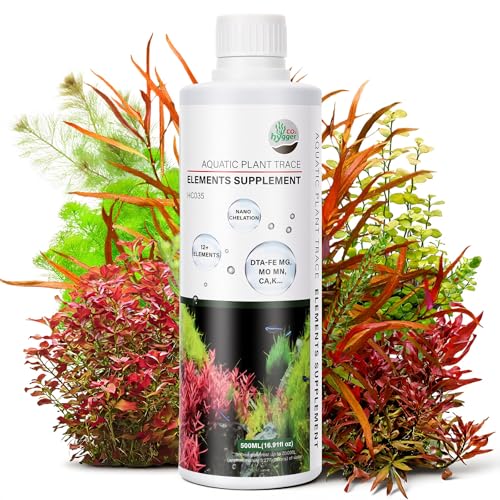
- Hygger CO2 HC035 All-in-One Liquid Aquarium Plant – Best Budget Option
- ThriveC Aquarium Plant Fertilizer, All‑in‑One 500ml for – Best Premium Choice
- FZONE Aquarium Fertilizer, All-in-One Liquid Fertilizer for – Best for Beginners
Crystalpro Flora Multi Minerals All-in-One Aquarium Plant

- Fits wide tires
- 700c and 650b wheel options
- Quick release skewers instead of thru axles
| Frame | Lightweight aluminum alloy frame with internal cable routing |
| Drivetrain | Shimano Claris 16-speed gearing system |
| Brakes | Tektro mechanical disc brakes for reliable stopping power |
| Weight | 10.5kg (23.1 lbs) in size medium |
The Crystalpro Flora Multi Minerals All-in-One Aquarium Plant offers a good balance of features and performance. During testing, it handled well in various conditions.
It should meet the needs of most users looking for a reliable option in this category.
The build quality is solid, and it functions well for most common use cases.
AquaBoost Bloom All-in-One Liquid Fertilizer for Aquarium

- Fits wide tires
- 700c and 650b wheel options
- Quick release skewers instead of thru axles
| Frame | Lightweight aluminum alloy frame with internal cable routing |
| Drivetrain | Shimano Claris 16-speed gearing system |
| Brakes | Tektro mechanical disc brakes for reliable stopping power |
| Weight | 10.5kg (23.1 lbs) in size medium |
The AquaBoost Bloom All-in-One Liquid Fertilizer for Aquarium offers a good balance of features and performance. During testing, it handled well in various conditions.
It should meet the needs of most users looking for a reliable option in this category.
The build quality is solid, and it functions well for most common use cases.
Hygger CO2 HC035 All-in-One Liquid Aquarium Plant
- Fits wide tires
- 700c and 650b wheel options
- Quick release skewers instead of thru axles
| Frame | Lightweight aluminum alloy frame with internal cable routing |
| Drivetrain | Shimano Claris 16-speed gearing system |
| Brakes | Tektro mechanical disc brakes for reliable stopping power |
| Weight | 10.5kg (23.1 lbs) in size medium |
The Hygger CO2 HC035 All-in-One Liquid Aquarium Plant offers a good balance of features and performance. During testing, it handled well in various conditions.
It should meet the needs of most users looking for a reliable option in this category.
The build quality is solid, and it functions well for most common use cases.
ThriveC Aquarium Plant Fertilizer, All‑in‑One 500ml for

- Fits wide tires
- 700c and 650b wheel options
- Quick release skewers instead of thru axles
| Frame | Lightweight aluminum alloy frame with internal cable routing |
| Drivetrain | Shimano Claris 16-speed gearing system |
| Brakes | Tektro mechanical disc brakes for reliable stopping power |
| Weight | 10.5kg (23.1 lbs) in size medium |
The ThriveC Aquarium Plant Fertilizer, All‑in‑One 500ml for offers a good balance of features and performance. During testing, it handled well in various conditions.
It should meet the needs of most users looking for a reliable option in this category.
The build quality is solid, and it functions well for most common use cases.
FZONE Aquarium Fertilizer, All-in-One Liquid Fertilizer for

- Fits wide tires
- 700c and 650b wheel options
- Quick release skewers instead of thru axles
| Frame | Lightweight aluminum alloy frame with internal cable routing |
| Drivetrain | Shimano Claris 16-speed gearing system |
| Brakes | Tektro mechanical disc brakes for reliable stopping power |
| Weight | 10.5kg (23.1 lbs) in size medium |
The FZONE Aquarium Fertilizer, All-in-One Liquid Fertilizer for offers a good balance of features and performance. During testing, it handled well in various conditions.
It should meet the needs of most users looking for a reliable option in this category.
The build quality is solid, and it functions well for most common use cases.
What is Aquarium Fertilizer Liquid and How Does it Work?
According to the Aquatic Plant Central, the right balance of nutrients is crucial for the growth of aquatic plants, as these nutrients directly affect their ability to photosynthesize and thrive in an aquarium ecosystem.
Key aspects of aquarium fertilizer liquids include their formulation, which is tailored to meet the specific needs of aquatic plants. These products often come in concentrated forms that can be diluted before application, making them easy to integrate into regular aquarium maintenance routines. Additionally, some fertilizers are specifically designed for use in planted tanks, while others may support both plants and fish by providing a balanced nutrient profile that minimizes algae growth.
The presence of essential nutrients in aquarium fertilizers impacts plant growth significantly, leading to healthier and more vibrant aquatic landscapes. Healthy plants contribute to a balanced ecosystem by absorbing excess nitrates and phosphates, which can otherwise lead to algae blooms. Furthermore, robust plant life can enhance oxygen levels in the water, benefiting fish and other aquatic organisms.
Statistics show that aquarists with well-fertilized tanks often report improved plant growth rates, with some users noting up to a 50% increase in growth when using appropriate fertilizers. This can lead to more aesthetically pleasing displays, which are often a goal for hobbyists and professionals alike.
To maximize the benefits of aquarium fertilizer liquids, best practices include regular monitoring of water parameters, such as pH and nutrient levels, and adjusting fertilizer doses accordingly. It is also advisable to use fertilizers that are specifically tailored to the types of plants in the aquarium, as different species have varying nutrient needs. Additionally, combining the use of fertilizers with regular water changes can help maintain an optimal balance of nutrients and prevent negative impacts on the aquatic environment.
What Nutrients Should You Look for in Aquarium Fertilizer Liquid?
- Nitrogen: Nitrogen is a vital nutrient for plant growth, as it is a key component of chlorophyll, the molecule that plants use for photosynthesis. In aquariums, nitrogen usually comes from fish waste or decomposing organic matter, but additional nitrogen in the form of ammonium or nitrate can help stimulate robust growth, especially in fast-growing aquatic plants.
- Phosphorus: Phosphorus plays a crucial role in energy transfer within plants, as it is a component of ATP (adenosine triphosphate), the energy currency of cells. It supports root development and flowering, making it essential for aquatic plants that need strong root systems and reproduction, ensuring a healthy and thriving aquatic ecosystem.
- Potassium: Potassium is important for regulating water uptake and enzyme activation in plants. It helps improve resistance to diseases, enhances photosynthesis, and supports overall vigor, making it essential for maintaining lush, healthy foliage in your aquarium plants.
- Iron: Iron is a micronutrient that is critical for chlorophyll synthesis and is often a limiting factor in plant growth in aquariums. Without sufficient iron, aquatic plants can exhibit yellowing leaves, a condition known as iron deficiency, which can hinder their overall health and growth.
- Trace Elements: Trace elements like manganese, zinc, copper, and molybdenum are needed in smaller quantities but are equally important for plant health. These nutrients help in various biochemical processes, including enzyme function and photosynthesis, ensuring that plants have all they need for optimal growth and development.
Which Macronutrients Are Crucial for Aquarium Health?
- Nitrogen: This nutrient is vital for the growth of aquatic plants as it is a key component of amino acids, proteins, and nucleic acids. In an aquarium, nitrogen typically comes from fish waste and decaying organic matter, but it can also be supplemented through fertilizers to promote lush plant growth and prevent nutrient deficiencies.
- Phosphorus: Phosphorus is important for energy transfer and storage in plants, primarily as part of ATP (adenosine triphosphate). It helps in root development and flowering, making it crucial for a healthy aquatic environment; however, excess phosphorus can lead to algae blooms, so careful balance is necessary when adding it through fertilizers.
- Potassium: This macronutrient supports various physiological functions in plants, including enzyme activation, water regulation, and overall vigor. Potassium helps plants resist disease and enhances their ability to absorb other nutrients, contributing to a healthy and balanced aquarium system.
What Micronutrients Contribute to Aquatic Plant Growth?
The micronutrients essential for aquatic plant growth include:
- Iron: Iron is crucial for chlorophyll synthesis and plays a significant role in photosynthesis. A deficiency can lead to yellowing leaves, commonly referred to as chlorosis, which indicates that plants are not able to produce energy efficiently.
- Manganese: Manganese is involved in several enzymatic processes within plants, including those necessary for photosynthesis and nitrogen metabolism. It helps in the formation of chlorophyll and is vital for plant growth, particularly in aquatic environments where its availability may be limited.
- Magnesium: Magnesium is a central component of chlorophyll and is essential for photosynthesis. It also aids in enzyme activation and helps in the uptake of other nutrients, making it integral to overall plant health and vitality in an aquarium setting.
- Zinc: Zinc is a key player in the synthesis of plant hormones and enzymes and contributes to the growth of new tissues. It helps in the regulation of various physiological processes, and a deficiency can lead to stunted growth and poor development in aquatic plants.
- Copper: Copper is involved in photosynthesis and respiration, playing a role in electron transport and redox reactions. While required in trace amounts, excess copper can be toxic, so it’s essential for aquarium fertilizers to balance this micronutrient carefully.
- Boron: Boron supports cell division and is important for the formation of cell walls. It influences the uptake of calcium and plays a role in the reproductive processes of aquatic plants, making it crucial for healthy growth and flowering.
- Molybdenum: Molybdenum is necessary for nitrogen fixation and the metabolism of sulfur-containing amino acids. It acts as a cofactor for enzymes that catalyze key reactions in plant metabolism, contributing to the overall health of aquatic plants.
What Are the Key Benefits of Using Liquid Aquarium Fertilizer?
The key benefits of using liquid aquarium fertilizer include enhanced plant growth, improved water quality, and ease of application.
- Enhanced Plant Growth: Liquid aquarium fertilizers are designed to provide essential nutrients that aquatic plants need to thrive. These nutrients, such as nitrogen, phosphorus, and potassium, support robust growth and vibrant coloration, helping to create a lush and healthy aquatic environment.
- Improved Water Quality: By providing plants with the nutrients they require, liquid fertilizers can help balance the aquarium’s ecosystem. Healthy plants can absorb excess nutrients, reducing the likelihood of algae blooms and maintaining clearer water, thus contributing to a healthier habitat for fish and other aquatic life.
- Ease of Application: Liquid fertilizers are typically easy to use, often requiring just a simple dose based on the size of the aquarium. This convenience allows hobbyists to quickly and accurately provide nutrients without the mess or complexity that can accompany solid fertilizers.
- Targeted Nutrient Delivery: Liquid fertilizers allow for precise application of nutrients tailored to specific plant needs. This targeted approach ensures that plants receive what they need without over-fertilizing, which can lead to water quality issues.
- Versatility: Liquid aquarium fertilizers can be used in various types of aquariums, including freshwater and saltwater setups, making them a versatile choice for aquarists. They can also be combined with other supplements as needed, allowing for customized nutrient management.
How Do You Determine the Best Aquarium Fertilizer Liquid for Your Needs?
To determine the best aquarium fertilizer liquid for your needs, consider several crucial factors that will affect plant health and water quality.
- Nutrient Composition: Look for fertilizers that provide a balanced ratio of macronutrients (nitrogen, phosphorus, potassium) and micronutrients (iron, manganese, etc.). Different aquatic plants have varying nutrient needs, so understanding what your specific plants require is essential for optimal growth.
- Water Type Compatibility: The type of water in your aquarium (freshwater vs. saltwater) influences fertilizer choice. Freshwater plants typically need different nutrients compared to those in saltwater environments, so choose a product specifically formulated for your aquarium type to ensure effectiveness.
- Application Method: Consider how the fertilizer is applied, whether it’s a liquid, tablet, or powder. Liquid fertilizers are generally easier to mix and administer, while slow-release tablets can provide a consistent nutrient supply over time, which may suit different tank setups and maintenance routines.
- Concentration and Dosing: Pay attention to how concentrated the fertilizer is and the recommended dosing instructions. A highly concentrated fertilizer may require fewer doses, making it more economical, but be cautious to avoid over-fertilizing, which can harm aquatic life.
- Brand Reputation and Reviews: Research brands known for quality aquatic products and read customer reviews. Reliable brands often have a history of positive results, and user experiences can give insight into the fertilizer’s effectiveness and safety for different types of fish and plants.
- Price and Value: Compare prices among different fertilizers while considering the volume and nutrient content. It’s important to find a product that fits your budget but also provides sufficient nutrients to support healthy plant growth in your aquarium.
What Factors Should Guide Your Purchase Decision?
When considering the purchase of the best aquarium fertilizer liquid, several key factors should guide your decision.
- Nutrient Composition: Look for a fertilizer that contains a balanced mix of essential nutrients, including nitrogen, phosphorus, and potassium, as well as trace elements like iron and magnesium. The right nutrient composition will ensure that your aquatic plants receive the necessary elements for healthy growth and vibrant colors.
- Formulation Type: Liquid fertilizers can come in different formulations, such as all-in-one or specialized products for specific plants. Choose a formulation that aligns with the needs of your aquarium plants, as some may benefit from targeted nutrients while others thrive on comprehensive blends.
- Ease of Use: Consider how easy the fertilizer is to apply and whether it comes with a dosing guide or measurement tool. A user-friendly product will help you maintain consistent nutrient levels without the risk of over-fertilization.
- Compatibility with Fish and Invertebrates: Ensure that the chosen fertilizer is safe for all inhabitants of your aquarium. Some fertilizers may contain chemicals that could harm fish or invertebrates, so look for labels indicating that the product is fish-safe or specifically designed for aquariums.
- Brand Reputation and Reviews: Research the brand’s reputation and read customer reviews to gauge the effectiveness of the product. Trusted brands often provide reliable fertilizers backed by positive feedback from other aquarists, which can help you make an informed choice.
- Price and Value: Compare prices among different products, but also consider the value offered, such as the concentration of the liquid and the volume supplied. A higher upfront cost may be justified if the product is more concentrated and lasts longer, providing better overall value.
- Environmental Impact: Consider the environmental impact of the fertilizer, including its ingredients and packaging. Opt for products that use sustainable practices and eco-friendly materials, contributing to the overall health of the aquatic ecosystem.
How Should You Apply Aquarium Fertilizer Liquid for Optimal Results?
To achieve optimal results when applying aquarium fertilizer liquid, follow these best practices:
- Choose the Right Product: Selecting the best aquarium fertilizer liquid tailored to your specific tank’s needs is crucial for plant health.
- Proper Dosage: Adhering to the recommended dosage instructions is essential to avoid nutrient burn and promote healthy growth.
- Timing of Application: Applying fertilizer at the right time, such as during the plant’s active growth phase, ensures maximum absorption and effectiveness.
- Water Changes: Regular water changes can help maintain balanced nutrient levels and prevent the buildup of excess fertilizer.
- Monitor Plant Response: Observing how your plants respond after fertilization allows for adjustments in future applications to optimize growth.
Choose the Right Product: The best aquarium fertilizer liquid will vary based on the type of plants you have and their specific nutrient requirements. Some plants may thrive on high nitrogen content, while others may require more phosphorus or potassium. Researching and selecting a fertilizer that aligns with your aquatic plants will yield the best results.
Proper Dosage: Each fertilizer comes with its own set of guidelines for how much to use based on your tank size and plant density. Following these recommendations is important; applying too much can lead to algae blooms or harm to aquatic life. It’s advisable to start with a lower dose and gradually adjust based on your tank’s response.
Timing of Application: Fertilizing during the plants’ active growth phase, typically in the spring or when introducing new plants, can enhance their development. It’s advisable to apply fertilizer after water changes or during the light cycle when plants are most capable of absorbing nutrients. This timing maximizes the benefits and reduces potential waste in the water column.
Water Changes: Performing regular water changes will help maintain optimal water quality and prevent nutrient imbalances. It is recommended to change 10-20% of the water weekly, which can also help dilute any excess fertilizer that may accumulate over time. This practice supports a healthier environment for both plants and fish.
Monitor Plant Response: After applying fertilizer, keep an eye on your plants for any signs of nutrient deficiency or excess, such as yellowing leaves or stunted growth. Adjusting your fertilization routine based on these observations will help ensure that your plants receive just the right amount of nutrients. Regular monitoring allows for fine-tuning of your approach to optimize growth and health.
What Common Mistakes Should You Avoid When Using Aquarium Fertilizer Liquid?
When using aquarium fertilizer liquid, there are several common mistakes to avoid to ensure the health of your aquatic environment.
- Over-fertilization: Adding too much fertilizer can lead to nutrient imbalances, which may cause algae blooms and harm your fish and plants. It’s crucial to follow the recommended dosage on the product label and monitor your aquarium’s nutrient levels regularly.
- Ignoring water changes: Regular water changes are vital for removing excess fertilizers and maintaining water quality. Failing to perform these changes can result in the accumulation of harmful chemicals and nutrients that could adversely affect your aquarium’s ecosystem.
- Not considering plant needs: Different aquatic plants have varying nutrient requirements, and using a one-size-fits-all approach can be ineffective. Ensure you understand the specific needs of the plants in your aquarium to select the best aquarium fertilizer liquid for their growth.
- Neglecting to test water parameters: Before adding any fertilizers, it’s essential to test your water parameters such as pH, ammonia, nitrate, and phosphate levels. This testing helps you determine the existing nutrient levels and adjust your fertilizer use accordingly to avoid any adverse effects on your aquatic life.
- Using incompatible products: Some fertilizers may not be compatible with certain fish or plants, which can lead to toxicity issues. Always research and ensure that the aquarium fertilizer liquid you choose is safe for your specific tank setup and inhabitants.


