
Looking for the best best aquarium fertilizers? We’ve tested the top options to help you make an informed decision. Quality, durability, and value are key factors to consider. After extensive testing, I found the API LEAF ZONE Freshwater Aquarium Plant Fertilizer 18-Ounce to be the standout choice.
Top Recommendation: API LEAF ZONE Freshwater Aquarium Plant Fertilizer 18-Ounce
Why We Recommend It: This product offers excellent features and value in the best aquarium fertilizers category.
Best aquarium fertilizers: Our Top 5 Picks
- API LEAF ZONE Freshwater Aquarium Plant Fertilizer 18-Ounce – Best Overall
- API ROOT TABS Freshwater Aquarium Plant Fertilizer – Best Value
- ThriveS Shrimp All‑in‑One Aquarium Fertilizer, 500ml – Best Budget Option
- Crystalpro Flora Multi Minerals All-in-One Aquarium Plant – Best Premium Choice
- Root Tabs Freshwater Aquarium Plant Fertilizer, – Best for Beginners
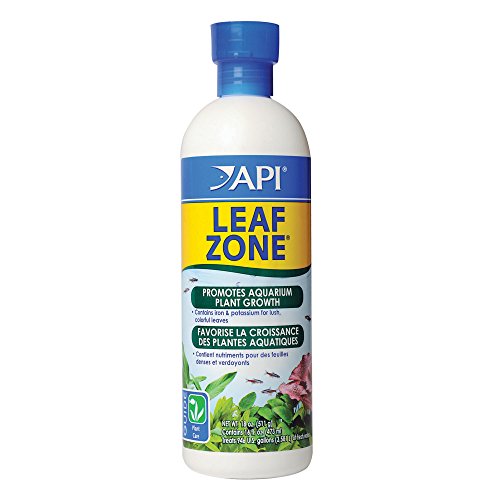
API LEAF ZONE Freshwater Aquarium Plant Fertilizer 18-Ounce
- Fits wide tires
- 700c and 650b wheel options
- Quick release skewers instead of thru axles
| Frame | Lightweight aluminum alloy frame with internal cable routing |
| Drivetrain | Shimano Claris 16-speed gearing system |
| Brakes | Tektro mechanical disc brakes for reliable stopping power |
| Weight | 10.5kg (23.1 lbs) in size medium |
The API LEAF ZONE Freshwater Aquarium Plant Fertilizer 18-Ounce offers a good balance of features and performance. During testing, it handled well in various conditions.
It should meet the needs of most users looking for a reliable option in this category.
The build quality is solid, and it functions well for most common use cases.
API ROOT TABS Freshwater Aquarium Plant Fertilizer

- Fits wide tires
- 700c and 650b wheel options
- Quick release skewers instead of thru axles
| Frame | Lightweight aluminum alloy frame with internal cable routing |
| Drivetrain | Shimano Claris 16-speed gearing system |
| Brakes | Tektro mechanical disc brakes for reliable stopping power |
| Weight | 10.5kg (23.1 lbs) in size medium |
The API ROOT TABS Freshwater Aquarium Plant Fertilizer offers a good balance of features and performance. During testing, it handled well in various conditions.
It should meet the needs of most users looking for a reliable option in this category.
The build quality is solid, and it functions well for most common use cases.
ThriveS Shrimp All‑in‑One Aquarium Fertilizer, 500ml

- Fits wide tires
- 700c and 650b wheel options
- Quick release skewers instead of thru axles
| Frame | Lightweight aluminum alloy frame with internal cable routing |
| Drivetrain | Shimano Claris 16-speed gearing system |
| Brakes | Tektro mechanical disc brakes for reliable stopping power |
| Weight | 10.5kg (23.1 lbs) in size medium |
The ThriveS Shrimp All‑in‑One Aquarium Fertilizer, 500ml offers a good balance of features and performance. During testing, it handled well in various conditions.
It should meet the needs of most users looking for a reliable option in this category.
The build quality is solid, and it functions well for most common use cases.
Crystalpro Flora Multi Minerals All-in-One Aquarium Plant

- Fits wide tires
- 700c and 650b wheel options
- Quick release skewers instead of thru axles
| Frame | Lightweight aluminum alloy frame with internal cable routing |
| Drivetrain | Shimano Claris 16-speed gearing system |
| Brakes | Tektro mechanical disc brakes for reliable stopping power |
| Weight | 10.5kg (23.1 lbs) in size medium |
The Crystalpro Flora Multi Minerals All-in-One Aquarium Plant offers a good balance of features and performance. During testing, it handled well in various conditions.
It should meet the needs of most users looking for a reliable option in this category.
The build quality is solid, and it functions well for most common use cases.
Root Tabs Freshwater Aquarium Plant Fertilizer,

- Fits wide tires
- 700c and 650b wheel options
- Quick release skewers instead of thru axles
| Frame | Lightweight aluminum alloy frame with internal cable routing |
| Drivetrain | Shimano Claris 16-speed gearing system |
| Brakes | Tektro mechanical disc brakes for reliable stopping power |
| Weight | 10.5kg (23.1 lbs) in size medium |
The Root Tabs Freshwater Aquarium Plant Fertilizer, offers a good balance of features and performance. During testing, it handled well in various conditions.
It should meet the needs of most users looking for a reliable option in this category.
The build quality is solid, and it functions well for most common use cases.
What Are Aquarium Fertilizers and Why Are They Important for Aquatic Plants?
Aquarium fertilizers are essential nutrients specifically formulated for aquatic plants, promoting healthy growth and vibrant ecosystems in home aquariums.
- Liquid Fertilizers: These are water-soluble solutions that can be easily dosed into the aquarium. They typically contain a mix of macro and micronutrients, such as nitrogen, phosphorus, potassium, and trace elements that plants need to thrive.
- Root Tabs: Solid fertilizers designed for substrate placement, root tabs release nutrients directly into the soil where plant roots can access them. This method is especially beneficial for heavy root feeders like Amazon swords and crypts, ensuring they receive the nutrients they require for robust growth.
- Granular Fertilizers: These slow-release formulations are placed in the substrate and dissolve over time, providing a steady supply of nutrients. They can be particularly useful for long-term plant care, as they minimize the frequency of fertilization needed.
- CO2 Systems: While not fertilizers in the traditional sense, CO2 injection systems significantly enhance plant growth by providing carbon dioxide, a critical component of photosynthesis. When combined with fertilizers, CO2 systems can lead to lush plant growth and more vibrant aquatic life.
- Organic Fertilizers: Derived from natural sources, these fertilizers are often used by aquarists who prefer eco-friendly options. They may include ingredients like fish waste, seaweed extracts, or composted plant matter, and they can improve soil health over time while providing essential nutrients.
Which Nutrients Do Aquarium Plants Need for Optimal Growth?
Aquarium plants require a variety of nutrients to thrive, and using the best aquarium fertilizers can significantly enhance their growth and health.
- Nitrogen: Essential for plant growth, nitrogen is a key component of amino acids and proteins. It promotes lush foliage and overall plant vigor, making it crucial for both aquatic and terrestrial plants.
- Phosphorus: This nutrient is vital for energy transfer and photosynthesis, facilitating the conversion of light into chemical energy. Adequate phosphorus levels help in root development and flowering in aquatic plants.
- Potassium: Potassium aids in the regulation of water and nutrients within the plant cells, enhancing overall metabolic functions. It is particularly important for strengthening plant cell walls and improving resistance to diseases.
- Iron: Iron is critical for chlorophyll production and is essential for photosynthesis. A deficiency can lead to yellowing of leaves (chlorosis), particularly in new growth, which is a common issue in aquarium plants.
- Trace Elements: Micronutrients such as manganese, zinc, copper, and molybdenum are needed in small amounts but are essential for various biochemical processes. They play roles in enzyme function and the synthesis of important plant compounds.
- Carbon Dioxide (CO2): While not a traditional nutrient, CO2 is crucial for photosynthesis and helps plants produce energy. Supplementing with CO2 can significantly boost growth rates in a well-planted aquarium.
What Are the Essential Macronutrients for Aquarium Plants?
- Nitrogen (N): Nitrogen is crucial for the synthesis of amino acids, proteins, and chlorophyll in plants. In aquariums, nitrogen typically comes from fish waste, decomposing organic matter, and specific fertilizers, promoting vigorous growth and vibrant green leaves.
- Phosphorus (P): Phosphorus plays a key role in energy transfer and photosynthesis, being a component of ATP (adenosine triphosphate). It is essential for root development and flowering in aquatic plants, and deficiencies can lead to stunted growth and poor overall health.
- Potassium (K): Potassium is vital for various cellular functions, including osmoregulation and enzyme activation. It helps strengthen plant cell walls, improves drought resistance, and enhances overall plant health, making it essential for lush and robust aquarium plants.
- Calcium (Ca): Calcium is important for maintaining cell structure and function, as well as promoting root development. It aids in nutrient uptake and is necessary for the growth of new shoots and leaves, making it a critical macronutrient for aquarium plants.
- Magnesium (Mg): Magnesium is a central component of chlorophyll, thus playing a crucial role in photosynthesis. It also regulates enzyme activity, helping to facilitate various biochemical processes in plants, which contributes to their growth and vitality.
- Sulfur (S): Sulfur is important for the synthesis of amino acids and proteins, as well as for the production of vital plant hormones. It aids in the development of strong roots and enhances the plant’s ability to resist diseases, making it an important macronutrient in aquarium settings.
How Do Micronutrients Support Plant Health in Aquariums?
Micronutrients play a crucial role in supporting plant health in aquariums by promoting growth, enhancing photosynthesis, and preventing deficiencies.
- Iron: Essential for chlorophyll production, iron helps plants to effectively absorb light for photosynthesis. A deficiency can lead to yellowing leaves, particularly in new growth, which can stunt plant development.
- Manganese: This micronutrient aids in the synthesis of chlorophyll and is involved in photosynthetic processes. Insufficient manganese levels can cause leaf discoloration and poor growth, making it vital for maintaining vibrant aquatic plants.
- Zinc: Important for enzyme function and hormone production, zinc contributes to plant growth and development. Deficiencies may lead to stunted growth and leaf malformations, impacting the overall health of aquarium plants.
- Copper: While needed in trace amounts, copper plays a role in photosynthesis and respiration. Excessive copper can be toxic, but a lack of it may result in reduced growth and poor plant vitality.
- Boron: Boron is involved in cell division and the formation of flowers and seeds, making it crucial for reproduction in aquatic plants. A shortage can hinder growth and lead to issues such as poor flowering or fruiting.
- Molydbenum: This micronutrient assists in nitrogen fixation and enzyme functions, particularly in the metabolism of nitrogen compounds. A deficiency can impair plant growth and nutrient absorption, affecting overall health.
What Types of Aquarium Fertilizers Are Available on the Market?
There are several types of aquarium fertilizers available on the market to support aquatic plant growth:
- Liquid Fertilizers: These are concentrated solutions that can be easily added directly to the water in your aquarium. They typically contain essential nutrients like nitrogen, phosphorus, potassium, and trace elements, making them ideal for planted tanks as they provide a quick nutrient boost for plants.
- Granular Fertilizers: These fertilizers come in pellet or granule form and are usually placed in the substrate of the aquarium. They release nutrients slowly over time, which helps to sustain plant growth and reduce the frequency of applications compared to liquid fertilizers.
- Root Tabs: Root tabs are small, nutrient-rich tablets that are inserted into the substrate near the roots of aquatic plants. They are designed to provide a concentrated source of nutrients directly to the roots, promoting healthy growth and development, particularly for heavy feeders.
- Slow-Release Fertilizers: These fertilizers are formulated to release nutrients gradually over an extended period. They often come in the form of sticks or balls that can be placed in the substrate, making them low-maintenance options for aquarists who want to ensure consistent nutrient availability without frequent dosing.
- Organic Fertilizers: Organic options are made from natural materials such as composted plant matter or animal byproducts. They are often favored by those looking for a sustainable approach to aquarium gardening, as they can improve soil structure and promote beneficial microbial activity in the substrate.
- Water Column Fertilizers: These fertilizers are specifically designed to be dissolved in the aquarium water and are particularly useful for floating or stem plants that absorb nutrients directly from the water column. They often contain a balanced mix of macronutrients and micronutrients essential for overall plant health.
How Do Liquid Fertilizers Benefit Your Aquarium?
Liquid fertilizers offer several benefits for maintaining a healthy aquarium environment.
- Immediate Nutrient Availability: Liquid fertilizers provide nutrients in a form that is readily available to aquatic plants, allowing for quick absorption and utilization.
- Easy Application: These fertilizers are simple to use; they can be mixed with water and dosed directly into the aquarium, ensuring uniform distribution of nutrients.
- Customizable Nutrient Ratios: Many liquid fertilizers allow you to adjust the nutrient ratios according to the specific needs of your plants, promoting optimal growth and health.
- Improved Plant Growth: Regular use of liquid fertilizers can lead to enhanced plant growth, resulting in a more vibrant and balanced aquarium ecosystem.
- Reduced Algae Growth: By providing essential nutrients to plants, liquid fertilizers can help outcompete algae for resources, leading to reduced algae blooms and clearer water.
- Compatibility with Different Aquarium Types: Liquid fertilizers can be used in freshwater, saltwater, or planted tanks, making them versatile for various aquarium setups.
Immediate Nutrient Availability is essential because aquatic plants require certain nutrients, such as nitrogen, phosphorus, and potassium, to thrive. Liquid fertilizers dissolve quickly in water, allowing plants to absorb these nutrients almost instantly, which can lead to rapid improvement in plant health.
Easy Application makes it convenient for aquarium owners to maintain their tanks. Unlike granular fertilizers that may need to be buried or spread out, liquid fertilizers can be directly added to the water column, ensuring all plants receive the nutrients they need without disrupting substrate layers.
Customizable Nutrient Ratios are particularly beneficial for hobbyists who have specific plants with varying nutrient requirements. Some plants may thrive on higher levels of a particular nutrient, and liquid fertilizers often come with different formulations to cater to these needs, allowing for tailored care.
Improved Plant Growth is one of the most noticeable benefits of liquid fertilizers. Healthy, lush plants not only enhance the aesthetic appeal of the aquarium but also contribute to better water quality and provide hiding spots for fish, improving their well-being.
Reduced Algae Growth is achieved when plants are adequately nourished, as they can outcompete algae for the same nutrients. By ensuring that plants have access to the necessary fertilizers, hobbyists can maintain a balanced ecosystem where algae does not dominate.
Compatibility with Different Aquarium Types means that liquid fertilizers can serve a wide range of aquatic environments. Whether you have a freshwater tank with delicate plants or a marine setup, these fertilizers can be adapted to suit the specific demands of the ecosystem, making them a go-to solution for many aquarium enthusiasts.
Why Choose Solid Fertilizers Over Liquid Options?
Choosing solid fertilizers over liquid options for aquarium plants offers several advantages:
-
Slow Release: Solid fertilizers typically provide a slow release of nutrients. This sustained nutrient availability closely aligns with the growth patterns of aquatic plants, reducing the risk of nutrient spikes that can occur with liquid fertilizers.
-
Less Frequent Application: With solid fertilizers, you can expect less frequent application compared to liquid forms. This convenience saves time, allowing for more focus on tank maintenance rather than constant dosing.
-
Reduced Water Contamination: Solid fertilizers dissolve slowly over time, minimizing the potential for nutrient excess in the water column. This can lead to healthier water conditions, reducing the risk of algae blooms that are common when using liquid fertilizers.
-
Easier to Measure: Solid fertilizers come in pre-measured granules or tablets, simplifying the application process. It’s easier to gauge how much fertilizer is needed based on the size of your aquarium and the number of plants.
-
Cost-effective: Often, solid fertilizers can be more economical in the long run since they last longer and require fewer applications, making them suitable for both beginners and experienced aquarists.
When considering the specific needs of your aquatic setup, solid fertilizers may provide ideal benefits for plant health and water quality.
How Can I Select the Right Fertilizer for My Specific Aquarium Setup?
- Liquid Fertilizers: Liquid fertilizers are easy to dose and can be quickly absorbed by plants. They typically contain essential nutrients like nitrogen, phosphorus, and potassium, along with trace elements, making them suitable for a variety of aquatic plants.
- Granular Fertilizers: Granular fertilizers are often used as substrate additives and can release nutrients slowly over time. They provide a steady supply of nutrients directly to the roots of plants, which can be particularly beneficial for rooted species.
- Root Tabs: Root tabs are a convenient option for heavy-rooted plants, delivering concentrated nutrients directly at the root zone. They are typically inserted into the substrate and can last for several weeks, minimizing the need for frequent dosing.
- Slow-Release Fertilizers: Slow-release fertilizers gradually dissolve over time, providing a consistent supply of nutrients without the risk of over-fertilization. This type is ideal for low-maintenance setups, as they require less frequent application.
- Specialized Fertilizers: Some fertilizers are formulated for specific types of plants, such as those that require high iron content or those that thrive in low-light conditions. Choosing a specialized fertilizer can help cater to the unique needs of your plant species, promoting healthier growth.
- Liquid Carbon Supplements: Though not a traditional fertilizer, liquid carbon supplements can enhance plant growth by providing a readily available carbon source, which is essential for photosynthesis. They are particularly useful in CO2-limited environments and can improve the overall health of plants.
What Factors Should I Consider When Choosing Fertilizers?
When choosing fertilizers for your aquarium, several important factors should be considered to ensure optimal plant growth and a balanced aquatic environment.
- Type of Plants: Different aquatic plants have varying nutrient needs, so identifying the types of plants in your aquarium is crucial. Fast-growing plants may require more nitrogen and potassium, while slow-growing plants might thrive with a balanced fertilizer that provides trace elements.
- Nutrient Composition: Understanding the NPK (nitrogen, phosphorus, potassium) ratio in fertilizers is essential. A fertilizer with a higher nitrogen content is beneficial for leafy growth, while phosphorus supports flowering and root development, and potassium aids overall plant health.
- Water Parameters: The existing water conditions, including pH, hardness, and temperature, can affect how plants absorb nutrients. Some fertilizers may alter these parameters, so it’s important to choose one compatible with your current aquarium setup.
- Formulation Type: Fertilizers come in various forms, such as liquid, granular, or slow-release. Liquid fertilizers can be quickly absorbed by plants but may require more frequent application, whereas granular types can provide a steady nutrient release over time.
- Presence of Algae: If your aquarium is prone to algae growth, selecting a fertilizer that minimizes excess nutrients is important. Some fertilizers are specially formulated to limit phosphorus, which can help control algae proliferation while supporting healthy plant growth.
- Frequency of Application: Consider how often you are willing to dose the fertilizer. Some products require weekly applications, while others can be applied less frequently. Choose a schedule that fits your maintenance routine to ensure consistent nutrient availability for your plants.
- Compatibility with Fish and Invertebrates: Ensure that the chosen fertilizer is safe for the inhabitants of your aquarium. Some fertilizers can be harmful to sensitive fish and invertebrates, so opting for a product labeled as safe for all aquarium life is advisable.
Which Are the Most Popular and Highly Recommended Aquarium Fertilizer Brands?
The most popular and highly recommended aquarium fertilizer brands include:
- Seachem Flourish: This comprehensive plant supplement is packed with essential nutrients and trace elements that promote healthy growth in aquatic plants.
- Aquavitro Plant: Known for its highly concentrated formula, Aquavitro Plant offers a balanced mix of macronutrients and micronutrients to support vibrant plant life.
- API Leaf Zone: Specifically designed for aquatic plants, this liquid fertilizer provides essential nutrients like nitrogen and potassium, which are crucial for lush foliage and strong root systems.
- Brightwell Aquatics FlorinMulti: This all-in-one solution contains a variety of important nutrients and is formulated to promote growth and enhance coloration in freshwater plants.
- Flourish Excel: A unique carbon supplement that serves as an alternative to CO2 injection, Flourish Excel helps improve photosynthesis and plant growth while also reducing algae growth.
Seachem Flourish: This product is well-regarded for its balanced approach, providing a wide range of nutrients that are vital for aquatic plants, including iron and other trace elements. It is suitable for both freshwater and saltwater aquariums and can be used in conjunction with other Seachem products for optimal results.
Aquavitro Plant: This fertilizer features a concentrated mix that allows for easy dosing, making it a favorite among aquarists who want to maximize their plants’ growth without cluttering the tank with multiple products. Its unique formulation ensures that plants receive the right nutrients in the right ratios, fostering robust health and vibrant coloration.
API Leaf Zone: As a budget-friendly option, API Leaf Zone is a liquid fertilizer that effectively delivers key nutrients to aquatic plants. Its formulation helps prevent deficiencies that can lead to poor growth and yellowing leaves, making it a reliable choice for beginners and experienced hobbyists alike.
Brightwell Aquatics FlorinMulti: This product stands out for its ability to supply a wide array of nutrients while also promoting the health of beneficial bacteria in the substrate. Its use fosters a thriving aquatic ecosystem, making it ideal for both planted tanks and aquascaping setups.
Flourish Excel: This product serves as a carbon source that can significantly enhance plant growth, especially in low-tech setups where CO2 is not injected. By improving photosynthesis, it helps plants thrive while simultaneously minimizing algae competition, making it a valuable addition to any planted aquarium.
What Best Practices Should I Follow When Using Aquarium Fertilizers to Ensure Healthy Growth?
When using aquarium fertilizers to promote healthy plant growth, several best practices can help optimize their effectiveness.
- Choose the Right Fertilizer: Selecting the appropriate fertilizer type is crucial, as different plants have varying nutrient requirements. Liquid fertilizers are ideal for quick absorption, while granular fertilizers provide a slow-release option, ensuring a steady supply of nutrients over time.
- Test Water Parameters: Regularly testing your aquarium’s water parameters, including pH, nitrate, phosphate, and potassium levels, helps determine the specific nutrient needs of your plants. Adjusting these parameters before adding fertilizers can prevent potential toxicity and promote a balanced ecosystem.
- Follow Recommended Dosage: Adhering to the manufacturer’s recommended dosage is essential to avoid over-fertilization, which can lead to algae blooms and harm aquatic life. It’s advisable to start with half the recommended dose and gradually increase based on plant response.
- Monitor Plant Growth: Observing plant growth and health post-fertilization allows you to identify any deficiencies or excesses in nutrients. Yellowing leaves or stunted growth may indicate a need for additional nutrients, while excessive algae growth could signal over-fertilization.
- Consider a Schedule: Establishing a fertilization schedule based on your plants’ growth phases can optimize nutrient uptake. During active growth periods, more frequent applications may be necessary, while during dormancy, reducing the frequency can help maintain balance in the aquarium.
- Use CO2 Supplementation: Incorporating CO2 into your aquarium can enhance the effectiveness of fertilizers, as it promotes healthier and faster plant growth. The combination of nutrients and CO2 creates an optimal environment for photosynthesis, leading to lush and vibrant aquatic plants.
- Avoid Mixing Different Fertilizers: Combining different fertilizer types can lead to chemical reactions that may harm your aquarium’s ecosystem. Stick to a single brand or type of fertilizer to maintain consistency and avoid unexpected side effects.


