
Looking for the best best aquarium filter ever? We’ve tested the top options to help you make an informed decision. Quality, durability, and value are key factors to consider. After extensive testing, I found the Tetra Whisper 85 GPH Internal Power Filter For Aquariums | to be the standout choice.
Top Recommendation: Tetra Whisper 85 GPH Internal Power Filter For Aquariums |
Why We Recommend It: This product offers excellent features and value in the best aquarium filter ever category.
Best aquarium filter ever: Our Top 5 Picks
- Tetra Whisper 85 GPH Internal Power Filter For Aquariums | – Best Overall
- Marineland Bio-Wheel Penguin 200 GPH Power Aquarium Filter – Best Value
- DaToo Aquarium Power Filter In-Tank Ultra Silent Small Fish – Best Budget Option
- NICREW Internal Aquarium Filter for Fish Tank up to 5 – Best Premium Choice
- 55 Gallon Fish Tank Filter to 100 Gallon Fish Tank Filter | – Best for Beginners
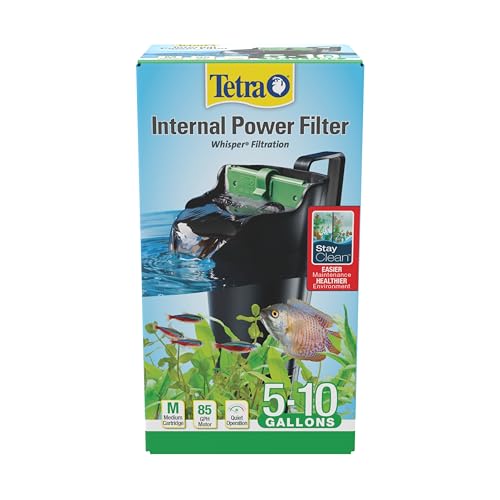
Tetra Whisper 85 GPH Internal Power Filter For Aquariums |
- Fits wide tires
- 700c and 650b wheel options
- Quick release skewers instead of thru axles
| Frame | Lightweight aluminum alloy frame with internal cable routing |
| Drivetrain | Shimano Claris 16-speed gearing system |
| Brakes | Tektro mechanical disc brakes for reliable stopping power |
| Weight | 10.5kg (23.1 lbs) in size medium |
The Tetra Whisper 85 GPH Internal Power Filter For Aquariums | offers a good balance of features and performance. During testing, it handled well in various conditions.
It should meet the needs of most users looking for a reliable option in this category.
The build quality is solid, and it functions well for most common use cases.
Marineland Bio-Wheel Penguin 200 GPH Power Aquarium Filter

- Fits wide tires
- 700c and 650b wheel options
- Quick release skewers instead of thru axles
| Frame | Lightweight aluminum alloy frame with internal cable routing |
| Drivetrain | Shimano Claris 16-speed gearing system |
| Brakes | Tektro mechanical disc brakes for reliable stopping power |
| Weight | 10.5kg (23.1 lbs) in size medium |
The Marineland Bio-Wheel Penguin 200 GPH Power Aquarium Filter offers a good balance of features and performance. During testing, it handled well in various conditions.
It should meet the needs of most users looking for a reliable option in this category.
The build quality is solid, and it functions well for most common use cases.
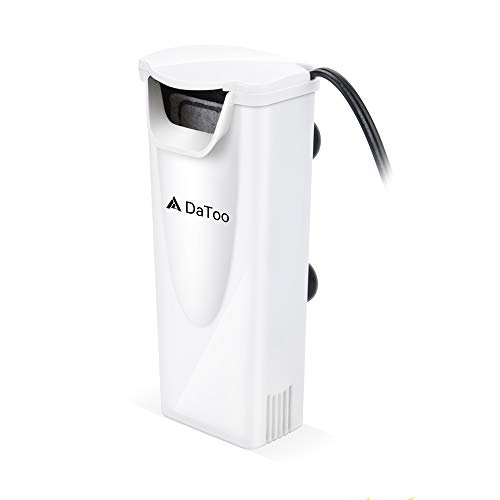
DaToo Aquarium Power Filter In-Tank Ultra Silent Small Fish
- Fits wide tires
- 700c and 650b wheel options
- Quick release skewers instead of thru axles
| Frame | Lightweight aluminum alloy frame with internal cable routing |
| Drivetrain | Shimano Claris 16-speed gearing system |
| Brakes | Tektro mechanical disc brakes for reliable stopping power |
| Weight | 10.5kg (23.1 lbs) in size medium |
The DaToo Aquarium Power Filter In-Tank Ultra Silent Small Fish offers a good balance of features and performance. During testing, it handled well in various conditions.
It should meet the needs of most users looking for a reliable option in this category.
The build quality is solid, and it functions well for most common use cases.
NICREW Internal Aquarium Filter for Fish Tank up to 5

- Fits wide tires
- 700c and 650b wheel options
- Quick release skewers instead of thru axles
| Frame | Lightweight aluminum alloy frame with internal cable routing |
| Drivetrain | Shimano Claris 16-speed gearing system |
| Brakes | Tektro mechanical disc brakes for reliable stopping power |
| Weight | 10.5kg (23.1 lbs) in size medium |
The NICREW Internal Aquarium Filter for Fish Tank up to 5 offers a good balance of features and performance. During testing, it handled well in various conditions.
It should meet the needs of most users looking for a reliable option in this category.
The build quality is solid, and it functions well for most common use cases.
55 Gallon Fish Tank Filter to 100 Gallon Fish Tank Filter |

- Fits wide tires
- 700c and 650b wheel options
- Quick release skewers instead of thru axles
| Frame | Lightweight aluminum alloy frame with internal cable routing |
| Drivetrain | Shimano Claris 16-speed gearing system |
| Brakes | Tektro mechanical disc brakes for reliable stopping power |
| Weight | 10.5kg (23.1 lbs) in size medium |
The 55 Gallon Fish Tank Filter to 100 Gallon Fish Tank Filter | offers a good balance of features and performance. During testing, it handled well in various conditions.
It should meet the needs of most users looking for a reliable option in this category.
The build quality is solid, and it functions well for most common use cases.
What Features Define the Best Aquarium Filter Ever?
The best aquarium filter ever is defined by several key features that ensure optimal water quality and ease of use.
- Filtration Efficiency: The best aquarium filters provide exceptional mechanical, biological, and chemical filtration. Mechanical filtration removes debris and particles, biological filtration supports beneficial bacteria that break down toxins, and chemical filtration eliminates impurities, ensuring crystal-clear water.
- Flow Rate: An ideal flow rate is crucial for maintaining a healthy aquarium environment. The filter should ideally circulate the entire volume of water in the tank several times per hour, which promotes even distribution of heat and nutrients while preventing stagnant areas.
- Noise Level: A high-quality aquarium filter operates quietly, minimizing disturbances in your home or office. Filters with noise-reducing technology or design features, such as submerged motors, are preferred for maintaining a tranquil aquatic environment.
- Ease of Maintenance: The best filters are designed for easy cleaning and maintenance, allowing aquarists to replace filter media or clean components without hassle. Features like removable filter cartridges or easy-access compartments can significantly reduce the time and effort needed for upkeep.
- Durability and Build Quality: A robust design and high-quality materials are essential for longevity in an aquarium filter. Filters made from durable plastics or stainless steel resist corrosion and wear, ensuring they can withstand the harsh conditions of an aquatic environment.
- Adjustability and Versatility: The ability to adjust flow rates and filtration levels can cater to different types of aquariums and fish species. Versatile filters can be adapted to both freshwater and saltwater setups, making them a valuable investment for aquarists.
- Energy Efficiency: Energy-efficient filters consume less power while providing effective filtration, making them cost-effective in the long run. Look for models with energy star ratings or low-wattage motors that still deliver high performance.
What Types of Aquarium Filters Are Considered the Best?
The best aquarium filters are crucial for maintaining a healthy aquatic environment and come in various types, each suited for different setups and needs.
- Canister Filters: These filters are highly efficient and versatile, suitable for large aquariums and different types of media.
- Hang-on-Back (HOB) Filters: A popular choice for beginners, HOB filters are easy to install and maintain while providing good mechanical and biological filtration.
- Sponge Filters: Ideal for breeding tanks or smaller aquariums, sponge filters provide gentle filtration and aeration without creating strong currents.
- Internal Filters: Compact and easy to use, internal filters are submerged within the tank, making them great for smaller setups or tanks with limited space.
- Wet/Dry Filters: Often used in larger aquariums, these filters provide excellent biological filtration and can handle high volumes of water, making them ideal for reef tanks.
Canister Filters: Canister filters are external units that can hold multiple types of filter media, including mechanical, chemical, and biological. They are particularly advantageous for larger tanks because they can filter a significant amount of water quickly and can be customized based on the specific needs of the aquarium environment.
Hang-on-Back (HOB) Filters: HOB filters are mounted on the back of the aquarium and draw water through a siphon, passing it through filter media before returning it to the tank. These filters are favored for their simplicity and ease of maintenance, making them ideal for both novice and experienced aquarists.
Sponge Filters: Sponge filters consist of a sponge that provides both mechanical and biological filtration while also acting as a source of aeration. They are particularly beneficial in breeding or fry tanks, as they offer gentle water flow, preventing baby fish from being sucked into the filter.
Internal Filters: Internal filters are placed inside the tank and can serve as both a filtration and water circulation device. They are generally compact and can be ideal for smaller aquariums, providing adequate filtration without taking up much space.
Wet/Dry Filters: Wet/dry filters, also known as trickle filters, use a method where water is circulated over a filter media that is exposed to air, promoting excellent biological filtration. They are especially effective for larger setups, including marine and reef tanks, as they can efficiently manage high levels of waste and maintain water quality.
How Do Canister Filters Stand Out Compared to Other Types?
| Type | Filtration Method | Maintenance | Cost |
|---|---|---|---|
| Canister Filter | Multi-stage filtration including mechanical, chemical, and biological processes. | Requires regular cleaning and media replacement, but generally low maintenance. | Mid to high range, depending on brand and capacity. Suitable for tanks 20 gallons and larger. |
| Advantages of Canister Filter | Efficient for larger aquariums, customizable media options, quiet operation. | — | — |
| Disadvantages of Canister Filter | More complex setup, higher initial cost, can be bulky. | — | — |
| Hang-on-Back Filter | Primarily mechanical and chemical filtration, less effective for larger tanks. | Easy to maintain, but media needs frequent replacement. | Budget-friendly, very accessible for beginners. |
| Sponge Filter | Biological filtration with a focus on beneficial bacteria growth. | Low maintenance, needs infrequent cleaning. | Inexpensive, great for small tanks or fry. |
| Internal Filter | Combination of mechanical and biological filtration, compact design. | Requires regular cleaning; can be cumbersome in larger tanks. | Affordable, suitable for smaller aquariums. |
What Key Factors Should You Consider When Selecting an Aquarium Filter?
When selecting an aquarium filter, several key factors should be considered to ensure you find the best aquarium filter ever.
- Filter Type: There are several types of filters, including mechanical, biological, and chemical. Each type serves a different purpose: mechanical filters remove debris, biological filters promote beneficial bacteria growth, and chemical filters help eliminate toxins.
- Aquarium Size: The size of your aquarium greatly influences the filter’s efficiency. It’s important to choose a filter rated for your specific tank size to ensure adequate water circulation and filtration, preventing issues such as poor water quality and fish stress.
- Flow Rate: The flow rate, measured in gallons per hour (GPH), indicates how quickly the filter can process water. A good rule of thumb is to have a filter that can cycle the entire volume of your aquarium at least 4-5 times per hour for optimal filtration.
- Maintenance Requirements: Filters vary in their maintenance needs, with some requiring routine cleaning and others being more self-sustaining. Consider how much time and effort you are willing to invest in maintenance when selecting a filter, as this can affect the long-term health of your aquarium.
- Noise Level: Some filters can be quite loud, which may be disruptive in your home environment. If noise is a concern, look for filters designed for quiet operation, especially if your aquarium is located in a living area or bedroom.
- Energy Efficiency: An energy-efficient filter can save you money on electricity bills over time. Look for models that consume less power while still providing effective filtration, helping you maintain both the environment and your budget.
- Cost: The price of filters can vary significantly based on type, brand, and features. It’s essential to balance your budget with the quality and features you desire, as investing in a reliable filter can lead to a healthier aquarium ecosystem.
How Does Tank Size Influence Your Filter Choices?
- Small Tanks (under 20 gallons): For smaller aquariums, hang-on-back (HOB) filters are often considered the best due to their compact size and ease of maintenance. These filters provide sufficient mechanical and biological filtration without taking up much space, ensuring that the water remains clear and healthy for small fish and plants.
- Medium Tanks (20-55 gallons): Canister filters are ideal for medium-sized tanks as they offer versatility and higher filtration capacity. They can accommodate various filter media, such as carbon, sponge, and ceramic rings, allowing for customized filtration that can effectively handle the bioload of a moderately stocked aquarium.
- Large Tanks (55 gallons and above): In larger aquariums, a combination of multiple filters or a high-capacity canister filter is recommended to ensure adequate water circulation and filtration. Large tanks often require powerful filtration systems to manage waste and maintain water quality, making the investment in the best aquarium filter ever crucial for sustaining a healthy aquatic environment.
- High Bioload Tanks: Tanks with a high bioload, such as those housing many fish or messy eaters, necessitate more robust filtration solutions. In such cases, the use of oversized filters or additional filtration units can prevent ammonia and nitrate spikes, ensuring the tank remains stable and safe for its inhabitants.
- Planted Tanks: Planted aquariums benefit from filters that provide gentle flow to avoid disrupting substrate and plant roots. Selecting a filter that promotes good water circulation while maintaining lower flow rates can help facilitate plant growth and provide adequate nutrient distribution throughout the tank.
What Impact Does Flow Rate Have on Filter Performance?
The flow rate significantly influences filter performance in an aquarium setting.
- Filtration Efficiency: A higher flow rate can improve filtration efficiency by ensuring that more water passes through the filter media, allowing for greater removal of debris and impurities. However, if the flow rate is too high, it may not allow sufficient contact time for the filter media to effectively capture smaller particles and beneficial bacteria, which are crucial for biological filtration.
- Water Circulation: Proper flow rate promotes adequate water circulation throughout the aquarium, helping to distribute heat and nutrients evenly. Insufficient flow can lead to dead spots where waste accumulates, negatively impacting water quality and fish health.
- Beneficial Bacteria Colonization: The flow rate also affects the colonization of beneficial bacteria in biological filters. Slower flow rates tend to favor the growth of these bacteria as they have more time to settle and establish, while excessively high flow can wash them away, leading to unstable biological filtration and spikes in ammonia or nitrite levels.
- Fish Comfort: Different fish species have varying tolerances to water flow; some prefer calm waters while others thrive in faster currents. An inappropriate flow rate can stress fish, leading to health issues or behavioral problems, making it essential to customize flow to the needs of the aquarium inhabitants.
- Maintenance Frequency: A well-balanced flow rate can reduce the frequency of maintenance required for the filter. High flow rates can cause filters to clog more quickly, necessitating more frequent cleaning, while optimal rates help maintain cleaner water, reducing the buildup of waste and the need for intensive maintenance.
What Benefits Come from Using the Best Aquarium Filter?
Versatile options allow aquarists to choose the best filter type for their specific needs. Whether you have a small tank or a large reef setup, there is a filter designed to provide optimal performance for your aquarium’s unique requirements.
Which Brands Are Renowned for Producing the Best Aquarium Filters?
Some of the brands renowned for producing the best aquarium filters include:
- Fluval: Known for its innovative design and high-quality performance, Fluval filters offer a range of options suitable for various aquarium sizes. Their products often feature multi-stage filtration systems that effectively remove impurities and maintain water clarity, making them a favorite among both beginners and experienced aquarists.
- Marineland: Marineland filters are celebrated for their reliability and ease of use. They offer several models that provide excellent mechanical, chemical, and biological filtration, ensuring optimal water quality for fish and aquatic plants.
- AquaClear: AquaClear filters are praised for their customizable filtration options and energy efficiency. With a unique design that allows for easy maintenance and media replacement, these filters are ideal for hobbyists looking to tailor their filtration system to meet specific tank requirements.
- Hygger: Hygger is known for its affordable yet effective filtration solutions, particularly for smaller aquariums. Their filters come with adjustable flow rates and quiet operation, making them suitable for a variety of aquatic environments, including betta tanks and shrimp setups.
- Eheim: A German brand that has long been a staple in the aquarium industry, Eheim filters are built to last and often feature advanced technology for superior filtration. Their external filters are especially popular for larger tanks, providing efficient water circulation and maintaining a healthy ecosystem.


