
Looking for the best best aquarium filter media? We’ve tested the top options to help you make an informed decision. Quality, durability, and value are key factors to consider. After extensive testing, I found the Fluval Carbon Filter Media Inserts, 100g Nylon Bags for to be the standout choice.
Top Recommendation: Fluval Carbon Filter Media Inserts, 100g Nylon Bags for
Why We Recommend It: This product offers excellent features and value in the best aquarium filter media category.
Best aquarium filter media: Our Top 5 Picks
- Fluval Carbon Filter Media Inserts, 100g Nylon Bags for – Best Overall
- Fluval BioMax Biological Media Remover for Aquarium – Best Value
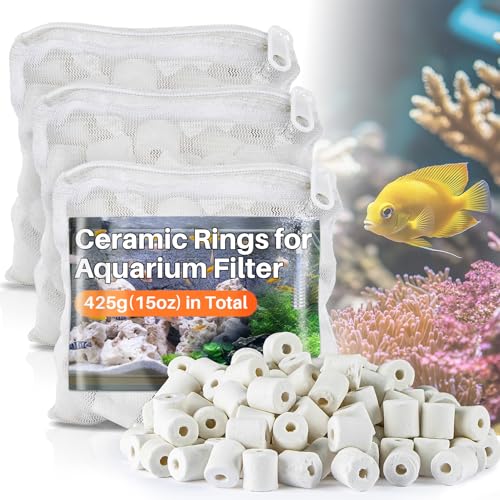
- Sukh Ceramic Rings for Aquarium Filter – 15oz Bio Filter – Best Budget Option
- 12-in-1 Aquarium Filter Media for Freshwater & Marine – Best Premium Choice
- ALEGI Aquarium Sponge Filter Pad, Bio Filter Media Foam – Best for Beginners
Fluval Carbon Filter Media Inserts, 100g Nylon Bags for

- Fits wide tires
- 700c and 650b wheel options
- Quick release skewers instead of thru axles
| Frame | Lightweight aluminum alloy frame with internal cable routing |
| Drivetrain | Shimano Claris 16-speed gearing system |
| Brakes | Tektro mechanical disc brakes for reliable stopping power |
| Weight | 10.5kg (23.1 lbs) in size medium |
The Fluval Carbon Filter Media Inserts, 100g Nylon Bags for offers a good balance of features and performance. During testing, it handled well in various conditions.
It should meet the needs of most users looking for a reliable option in this category.
The build quality is solid, and it functions well for most common use cases.
Fluval BioMax Biological Media Remover for Aquarium

- Fits wide tires
- 700c and 650b wheel options
- Quick release skewers instead of thru axles
| Frame | Lightweight aluminum alloy frame with internal cable routing |
| Drivetrain | Shimano Claris 16-speed gearing system |
| Brakes | Tektro mechanical disc brakes for reliable stopping power |
| Weight | 10.5kg (23.1 lbs) in size medium |
The Fluval BioMax Biological Media Remover for Aquarium offers a good balance of features and performance. During testing, it handled well in various conditions.
It should meet the needs of most users looking for a reliable option in this category.
The build quality is solid, and it functions well for most common use cases.
Sukh Ceramic Rings for Aquarium Filter – 15oz Bio Filter
- Fits wide tires
- 700c and 650b wheel options
- Quick release skewers instead of thru axles
| Frame | Lightweight aluminum alloy frame with internal cable routing |
| Drivetrain | Shimano Claris 16-speed gearing system |
| Brakes | Tektro mechanical disc brakes for reliable stopping power |
| Weight | 10.5kg (23.1 lbs) in size medium |
The Sukh Ceramic Rings for Aquarium Filter – 15oz Bio Filter offers a good balance of features and performance. During testing, it handled well in various conditions.
It should meet the needs of most users looking for a reliable option in this category.
The build quality is solid, and it functions well for most common use cases.
12-in-1 Aquarium Filter Media for Freshwater & Marine

- Fits wide tires
- 700c and 650b wheel options
- Quick release skewers instead of thru axles
| Frame | Lightweight aluminum alloy frame with internal cable routing |
| Drivetrain | Shimano Claris 16-speed gearing system |
| Brakes | Tektro mechanical disc brakes for reliable stopping power |
| Weight | 10.5kg (23.1 lbs) in size medium |
The 12-in-1 Aquarium Filter Media for Freshwater & Marine offers a good balance of features and performance. During testing, it handled well in various conditions.
It should meet the needs of most users looking for a reliable option in this category.
The build quality is solid, and it functions well for most common use cases.
ALEGI Aquarium Sponge Filter Pad, Bio Filter Media Foam

- Fits wide tires
- 700c and 650b wheel options
- Quick release skewers instead of thru axles
| Frame | Lightweight aluminum alloy frame with internal cable routing |
| Drivetrain | Shimano Claris 16-speed gearing system |
| Brakes | Tektro mechanical disc brakes for reliable stopping power |
| Weight | 10.5kg (23.1 lbs) in size medium |
The ALEGI Aquarium Sponge Filter Pad, Bio Filter Media Foam offers a good balance of features and performance. During testing, it handled well in various conditions.
It should meet the needs of most users looking for a reliable option in this category.
The build quality is solid, and it functions well for most common use cases.
What Is Aquarium Filter Media and Why Is It Important for Your Tank?
Statistics reveal that aquarists who regularly change and clean their filter media see improvements in water quality. A study by the Aquarium Industry Association indicates that those using high-quality filter media experience a 30% reduction in harmful ammonia levels within the first month of use. This highlights the importance of selecting the best aquarium filter media for maintaining a balanced and thriving aquatic environment.
To ensure optimal performance, best practices include regularly cleaning mechanical filter media to prevent clogging, allowing biological media to mature without excessive disruption, and replacing chemical media according to the manufacturer’s recommendations. Additionally, utilizing a combination of different types of filter media can provide a comprehensive approach to filtration, ensuring that all aspects of water quality are adequately addressed.
What Types of Aquarium Filter Media Are Available and How Do They Work?
The best aquarium filter media types are essential for maintaining water quality and promoting a healthy aquatic environment.
- Mechanical Filter Media: This type physically removes debris and particles from the water through filtration.
- Chemical Filter Media: Chemical media absorbs toxins and impurities, helping to maintain clear and safe water.
- Biological Filter Media: This media hosts beneficial bacteria that break down harmful ammonia and nitrites, facilitating the nitrogen cycle.
- Activated Carbon: A specific type of chemical media, activated carbon effectively removes odors, discoloration, and toxins from the water.
- Filter Foam or Sponge: These materials provide mechanical and biological filtration, trapping debris while hosting beneficial bacteria.
- Zeolite: A mineral-based media that excels in ammonia absorption, often used in setups with high bioloads.
Mechanical Filter Media: Mechanical filter media is typically made of materials like foam, sponge, or filter pads, designed to capture solid particles as water flows through them. This type of filtration is essential for preventing debris buildup and keeping the aquarium clean, as it directly impacts the clarity of the water.
Chemical Filter Media: Chemical filter media, such as activated alumina or ion exchange resins, work by chemically interacting with water pollutants. These media can effectively remove toxins like chlorine, heavy metals, and organic compounds, thereby ensuring a safer environment for fish and plants.
Biological Filter Media: Biological filter media is designed to provide a surface area for beneficial bacteria to colonize, which is crucial for breaking down harmful nitrogenous waste products. Common materials include ceramic rings, bio-balls, and porous stones, all of which enhance the efficiency of the nitrogen cycle in aquariums.
Activated Carbon: Activated carbon is a highly porous form of carbon that can adsorb a wide range of impurities, making it a staple in many aquarium setups. Its ability to remove discoloration and odors helps maintain aesthetically pleasing and healthy water conditions for aquatic life.
Filter Foam or Sponge: Filter foam or sponge media serves dual purposes by providing mechanical filtration to trap debris and biological filtration for beneficial bacteria. They come in various densities and porosities, allowing aquarists to select the right type based on their specific filtration needs.
Zeolite: Zeolite is a naturally occurring mineral that is particularly effective at absorbing ammonia from the water, making it invaluable in aquariums with a high fish load. Its unique structure allows it to trap ammonia while releasing beneficial ions, contributing to a healthier aquatic environment.
How Do Mechanical Filters Contribute to Tank Health?
Mechanical filters play a crucial role in maintaining tank health by physically removing debris and particulate matter from the water.
- Filter Pads: These are dense materials that trap larger particles such as uneaten food, fish waste, and plant debris. They are often placed at the first stage of filtration to prevent clogging of finer filter media downstream, ensuring that the water entering the biological and chemical filtration stages is as clean as possible.
- Sponge Filters: Made from porous foam, sponge filters not only provide mechanical filtration by capturing particulates but also serve as a breeding ground for beneficial bacteria. These bacteria help break down harmful toxins, contributing to overall water quality and tank health.
- Filter Socks: Commonly used in reef tanks and sumps, filter socks are designed to trap fine particles and debris. They effectively remove suspended solids from the water column, which helps maintain clarity and reduces the workload on other filtration systems.
- Pre-Filter Sponges: These are installed on the intake of the main filter and serve to capture debris before it enters the filter body. This not only prolongs the life of the main filter but also allows for easier maintenance, as pre-filter sponges can be cleaned frequently without disrupting the entire filtration system.
- Gravel and Substrate Filters: While primarily serving as a medium for plants and fish, certain types of gravel and substrate can also act as mechanical filters. They provide a surface for detritus to settle and can trap particles, contributing to the overall cleanliness of the aquarium environment.
What Are the Specific Benefits of Biological Filters in an Aquarium?
Biological filters in an aquarium offer several specific benefits that enhance water quality and support aquatic life.
- Ammonia Removal: Biological filters are highly effective at breaking down ammonia, a toxic waste product produced by fish and uneaten food. Beneficial bacteria colonize the filter media, converting ammonia into nitrite and then into less harmful nitrate, which can be further removed through water changes or absorbed by aquatic plants.
- Nitrite Reduction: In addition to ammonia, these filters also help in reducing nitrite levels in the aquarium. The process of nitrification involves specific bacteria that thrive in the filter environment, ensuring that harmful nitrites are converted to nitrates, thereby maintaining a safer habitat for fish and other aquatic organisms.
- Enhanced Biological Stability: The presence of a biological filter contributes to the overall stability of the aquarium’s nitrogen cycle. By establishing and maintaining a robust colony of beneficial bacteria, the filter helps to buffer against sudden spikes in toxic compounds, which can occur due to overfeeding or increased waste production, ultimately leading to a healthier ecosystem.
- Improved Water Clarity: Biological filters help to improve water clarity by promoting the growth of beneficial microorganisms that compete with harmful algae. This can lead to a more aesthetically pleasing aquarium, as clearer water allows for better visibility of aquatic life and decorations.
- Minimal Maintenance Requirements: Once established, biological filters require less frequent maintenance compared to mechanical filters, as they do not need to be cleaned as often. This ease of maintenance makes them a popular choice among aquarists, allowing them to focus on enjoying their aquarium rather than constantly managing filter upkeep.
When Should You Use Chemical Filters, and What Are Their Advantages?
The best aquarium filter media often includes chemical filters, which should be used under specific circumstances.
- Water Clarity Improvement: Chemical filters are effective in removing impurities and discoloration from the aquarium water, helping to achieve a crystal-clear appearance. They contain activated carbon or resins that adsorb pollutants, organic compounds, and toxins.
- Contaminant Removal: These filters target specific contaminants like chlorine, chloramine, and heavy metals, making them essential in freshwater and marine setups. By utilizing chemical filtration, aquarists can ensure a safe environment for fish and plants, especially after water changes or chemical treatments.
- Odor Control: Chemical filters can help eliminate unpleasant odors that may arise from organic waste or decaying matter in the aquarium. The absorption properties of the filter media trap odor-causing substances, contributing to a more pleasant aquatic environment.
- Special Situations: In cases of disease or medication, chemical filters can remove residual medications from the water after treatment. This is particularly important as some medications can be harmful to beneficial bacteria or other aquatic life if left unchecked.
- Seasonal Changes: During seasonal changes or algae blooms, chemical filters can provide additional support by removing excess nutrients and pollutants that can lead to water quality issues. This proactive approach helps maintain stability within the aquarium ecosystem.
What Factors Should You Consider When Choosing Aquarium Filter Media?
When choosing the best aquarium filter media, several key factors should be considered to ensure optimal water quality and health for aquatic life.
- Type of Filtration: Different types of filter media serve specific purposes, including mechanical, biological, and chemical filtration. Mechanical media removes physical debris, biological media supports beneficial bacteria growth, and chemical media absorbs toxins, so selecting a combination based on your aquarium’s needs is essential.
- Size and Shape: The size and shape of the filter media can affect its surface area and flow rate. Larger surface areas allow for more beneficial bacteria to colonize, while the shape can impact how easily water flows through the media, affecting overall filtration efficiency.
- Compatibility with Tank Size: The filter media must be suitable for the size of your aquarium. A larger tank requires media that can handle higher volumes of waste and maintain water quality, while smaller tanks may need less dense media to avoid clogging.
- Ease of Maintenance: Consider how easy it is to clean or replace the filter media. Some media can be rinsed and reused, while others need to be replaced entirely, impacting the time and cost of maintenance.
- Cost and Availability: The price of filter media varies significantly, and it’s important to choose options that fit your budget while still providing effective filtration. Additionally, ensure that the media is readily available in your area or online to avoid disruptions in your aquarium maintenance routine.
- Environmental Impact: Some filter media options are more eco-friendly than others, such as those made from natural materials. If sustainability is a priority for you, consider using biodegradable or recyclable filter media to minimize your ecological footprint.
How Do Fish Species Affect Your Choice of Filter Media?
Specialized Filter Media: Some fish require specific water conditions that can be achieved with specialized media, such as peat moss for softening water or limestone chips for hardening it. This type of media is particularly important for breeding or keeping species that thrive in specific water chemistry, thus directly impacting their reproductive success and health.
What Is the Role of Tank Size in Determining Filter Media Type?
Research indicates that proper filtration can reduce the frequency of water changes by up to 50%, saving time and resources for aquarists (National Aquarium Research Center, 2022). The benefits of selecting the appropriate filter media based on tank size include improved water clarity, enhanced oxygen levels, and a healthier habitat for aquatic life. Additionally, choosing the right media can prevent the growth of harmful algae and pathogens.
Best practices for selecting filter media based on tank size involve assessing the bioload, determining the specific needs of the aquatic species, and regularly monitoring water quality parameters. Aquarists are encouraged to combine different types of filter media—such as mechanical, biological, and chemical—to create a comprehensive filtration system tailored to their aquarium’s size and needs. It’s also advisable to consult with aquarium professionals or refer to reputable resources to ensure optimal filtration strategies are employed.
What Are Some Top Aquarium Filter Media Brands and Their Features?
The best aquarium filter media brands offer a variety of filtration solutions to maintain a healthy aquatic environment.
- Fluval: Known for its high-quality products, Fluval offers a range of filter media that includes activated carbon, foam filters, and bio media. Their media is designed to provide excellent mechanical and biological filtration, ensuring clear water and a stable ecosystem.
- Seachem: Seachem is recognized for its innovative filtration media, such as Purigen, which effectively removes organic waste and improves water clarity. Their products are scientifically formulated to enhance water quality and promote a balanced aquarium environment.
- API: API provides a variety of filter media, including activated carbon and ceramic rings, that cater to both freshwater and saltwater aquariums. Their media is designed to eliminate toxins while fostering beneficial bacteria growth for biological filtration.
- Pond Care: Specializing in pond and aquarium filtration, Pond Care offers products like their Bio-Spheres, which provide a large surface area for beneficial bacteria. This enhances biological filtration and helps maintain optimal water conditions in larger aquatic systems.
- Marina: Marina’s filter media includes both carbon and sponge options that are designed for easy installation and maintenance. Their products are effective in reducing impurities and promoting overall water quality in aquariums of various sizes.
- Oceanic: Oceanic focuses on marine aquariums, providing filter media that is specifically designed for saltwater environments. Their media enhances water quality by effectively managing ammonia and nitrate levels, crucial for the health of marine life.
How Often Should You Change or Clean Your Aquarium Filter Media for Optimal Performance?
To maintain optimal performance of your aquarium filter, it’s essential to regularly change or clean your filter media based on the type of media used and the specific needs of your aquarium.
- Mechanical Filter Media: This type of media should be cleaned or replaced every 2-4 weeks to ensure it effectively removes physical debris and particulates from the water. Clogged mechanical filters can impede water flow, leading to poor water quality and oxygen levels in the aquarium.
- Chemical Filter Media: Chemical media, such as activated carbon, generally needs to be replaced every 4-6 weeks, as it can become saturated with toxins and impurities. If left too long, it can release trapped contaminants back into the water, negating its filtration benefits.
- Biological Filter Media: Biological media, which houses beneficial bacteria that break down harmful ammonia and nitrites, should typically only be rinsed in aquarium water every few months or when visibly dirty. It’s crucial to avoid replacing this media entirely, as doing so can disrupt the delicate balance of beneficial bacteria in your aquarium.
- Foam or Sponge Filter Media: These types of filters should be rinsed every 4-6 weeks, depending on the level of waste produced in your aquarium. Cleaning should be done gently to avoid killing the beneficial bacteria that live within the foam or sponge.
- Pre-Filter Media: This is often used to prolong the life of main filter media and should be cleaned or replaced monthly. Keeping pre-filters clean helps reduce the load on the main filtration system, ensuring it operates more efficiently.


