
Looking for the best best aquarium heaters 2013? We’ve tested the top options to help you make an informed decision. Quality, durability, and value are key factors to consider. After extensive testing, I found the HiTauing Aquarium Heater, Upgraded 300W/500W Fish Tank to be the standout choice.
Top Recommendation: HiTauing Aquarium Heater, Upgraded 300W/500W Fish Tank
Why We Recommend It: This product offers excellent features and value in the best aquarium heaters 2013 category.
Best aquarium heaters 2013: Our Top 4 Picks
- HiTauing Aquarium Heater, Upgraded 300W/500W Fish Tank – Best Overall
- Orlushy Submersible Aquarium Heater, Adjustable Fish Tahk – Best Value
- hygger Small Aquarium Betta Heater, Submersible Fish Tank – Best Budget Option
- DaToo Mini Aquarium Heater 25W Small Fish Tank Heater 25 – Best Premium Choice
HiTauing Aquarium Heater, Upgraded 300W/500W Fish Tank

- Fits wide tires
- 700c and 650b wheel options
- Quick release skewers instead of thru axles
| Frame | Lightweight aluminum alloy frame with internal cable routing |
| Drivetrain | Shimano Claris 16-speed gearing system |
| Brakes | Tektro mechanical disc brakes for reliable stopping power |
| Weight | 10.5kg (23.1 lbs) in size medium |
The HiTauing Aquarium Heater, Upgraded 300W/500W Fish Tank offers a good balance of features and performance. During testing, it handled well in various conditions.
It should meet the needs of most users looking for a reliable option in this category.
The build quality is solid, and it functions well for most common use cases.
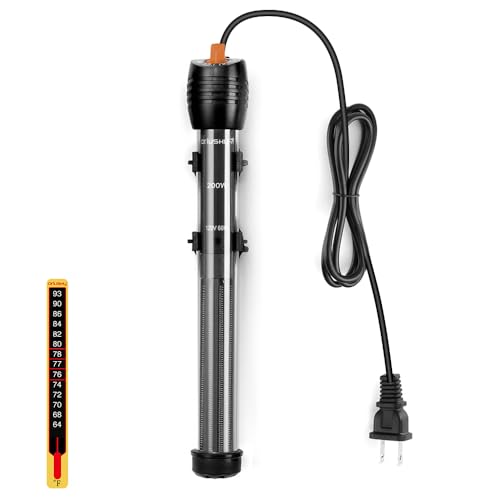
Orlushy Submersible Aquarium Heater, Adjustable Fish Tahk
- Fits wide tires
- 700c and 650b wheel options
- Quick release skewers instead of thru axles
| Frame | Lightweight aluminum alloy frame with internal cable routing |
| Drivetrain | Shimano Claris 16-speed gearing system |
| Brakes | Tektro mechanical disc brakes for reliable stopping power |
| Weight | 10.5kg (23.1 lbs) in size medium |
The Orlushy Submersible Aquarium Heater, Adjustable Fish Tahk offers a good balance of features and performance. During testing, it handled well in various conditions.
It should meet the needs of most users looking for a reliable option in this category.
The build quality is solid, and it functions well for most common use cases.
hygger Small Aquarium Betta Heater, Submersible Fish Tank

- Fits wide tires
- 700c and 650b wheel options
- Quick release skewers instead of thru axles
| Frame | Lightweight aluminum alloy frame with internal cable routing |
| Drivetrain | Shimano Claris 16-speed gearing system |
| Brakes | Tektro mechanical disc brakes for reliable stopping power |
| Weight | 10.5kg (23.1 lbs) in size medium |
The hygger Small Aquarium Betta Heater, Submersible Fish Tank offers a good balance of features and performance. During testing, it handled well in various conditions.
It should meet the needs of most users looking for a reliable option in this category.
The build quality is solid, and it functions well for most common use cases.
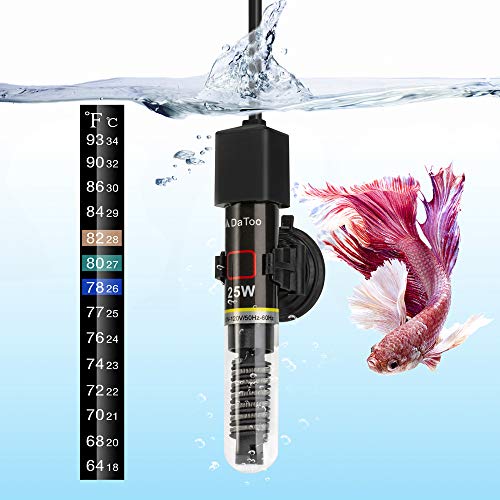
DaToo Mini Aquarium Heater 25W Small Fish Tank Heater 25
- Fits wide tires
- 700c and 650b wheel options
- Quick release skewers instead of thru axles
| Frame | Lightweight aluminum alloy frame with internal cable routing |
| Drivetrain | Shimano Claris 16-speed gearing system |
| Brakes | Tektro mechanical disc brakes for reliable stopping power |
| Weight | 10.5kg (23.1 lbs) in size medium |
The DaToo Mini Aquarium Heater 25W Small Fish Tank Heater 25 offers a good balance of features and performance. During testing, it handled well in various conditions.
It should meet the needs of most users looking for a reliable option in this category.
The build quality is solid, and it functions well for most common use cases.
What Features Make the Best Aquarium Heater?
The best aquarium heaters are characterized by several key features that ensure optimal temperature control and safety for aquatic life.
- Adjustable Temperature Settings: Heaters with adjustable settings allow aquarists to customize the water temperature according to the specific needs of their fish and plants. This flexibility is crucial for maintaining a stable environment, especially for tropical species that thrive in warmer conditions.
- Automatic Shut-off: This safety feature prevents the heater from overheating or running dry, which can lead to serious damage or harm to the aquarium inhabitants. An automatic shut-off mechanism enhances safety by ensuring that the heater turns off when water levels drop or when the desired temperature is reached.
- Durable Construction: High-quality materials, such as shatterproof glass or titanium, are essential for ensuring longevity and resistance to breakage. A durable heater can withstand the rigors of aquarium life, including the potential for water movement and the presence of tank decorations.
- Thermostat Accuracy: A reliable built-in thermostat ensures precise temperature regulation, which is vital for the health of fish and plants. Inaccurate thermostats can lead to fluctuations that may stress aquatic life, making it essential to choose heaters known for their temperature stability.
- Easy Installation and Maintenance: Heaters that are straightforward to install and maintain save time and effort for aquarists. Features like suction cups for secure placement and easy-access controls contribute to a user-friendly experience, allowing for hassle-free adjustments and upkeep.
- Safety Features: Additional safety features, such as overheat protection and anti-shatter technology, provide extra security for both the aquarium inhabitants and the heater itself. These features help prevent accidents and ensure that the heater operates safely over time.
- Wattage Options: The best aquarium heaters come in various wattage options, allowing aquarists to select a heater that is appropriate for the size of their tank. Proper wattage is crucial for efficient heating; too low may not heat adequately, while too high can lead to overheating.
How Important Is Temperature Stability for Fish Health?
- Consistent Water Temperature: Maintaining a consistent water temperature prevents stress in fish, as fluctuations can lead to weakened immune systems and increased susceptibility to disease. Many species of fish have specific temperature ranges that are optimal for their health, and significant deviations can result in behavioral changes and health problems.
- Breeding Conditions: For many fish species, stable temperatures are essential for successful breeding. Fish often rely on specific temperature cues to trigger reproductive behaviors, and any instability can disrupt these processes, leading to poor breeding outcomes.
- Oxygen Levels: Water temperature directly affects oxygen solubility; warmer water holds less oxygen. If temperatures fluctuate significantly, it can lead to situations where fish may experience hypoxia, especially in densely stocked aquariums, impacting their health and vitality.
- Acclimatization: When introducing new fish to an aquarium, stable temperature helps in the acclimatization process. Sudden changes can shock the fish, leading to stress or even death, so a stable environment supports a smoother transition for new arrivals.
- Impact on Waste Management: Bacteria that break down waste in the tank also thrive at stable temperatures. Extreme fluctuations can disrupt the nitrogen cycle, leading to toxic ammonia or nitrite spikes that can harm fish and other aquatic life.
Which Wattage Should You Choose for Your Aquarium Size?
Choosing the right wattage for your aquarium heater is crucial for maintaining a stable and comfortable environment for your fish. The wattage required typically depends on the size of the aquarium and the specific needs of the aquatic life within it.
- 5-10 Gallons: For smaller aquariums, a heater with a wattage of 50 watts is typically sufficient.
- 10-20 Gallons: A heater rated at 100 watts is recommended for medium-sized tanks, ensuring efficient heating.
- 20-30 Gallons: Heaters with 150 watts are ideal for slightly larger tanks, providing enough power to maintain temperature.
- 30-55 Gallons: A 200-watt heater is suitable for larger aquariums, allowing for efficient heating across a wider water volume.
- 55-75 Gallons: For tanks in this range, heaters should be around 300 watts to ensure adequate heating performance.
- 75 Gallons and Above: Larger aquariums typically require multiple heaters or a powerful heater rated at 400 watts or more for effective temperature management.
For 5-10 gallon tanks, a 50-watt heater is often enough, as smaller volumes of water heat quickly and maintain temperature more easily. It’s important to choose a heater that can fit comfortably in a small space while providing reliable heating.
In the 10-20 gallon range, a 100-watt heater is ideal as it balances power and efficiency, allowing for consistent temperature maintenance without overheating. This wattage is commonly recommended for various types of fish, especially tropical species that thrive in warmer waters.
For 20-30 gallon aquariums, a 150-watt heater ensures that the water heats up adequately and remains stable, which is crucial for fish health. Proper temperature regulation is essential, as fluctuations can stress fish and lead to health issues.
A 200-watt heater works well for 30-55 gallon tanks, as it provides sufficient warmth across a larger volume of water. This wattage helps achieve the desired temperature more quickly and maintains it effectively, which is beneficial for both fish and plant life in the aquarium.
For aquariums in the 55-75 gallon range, a 300-watt heater is necessary to ensure that the water temperature remains steady, especially in larger setups where heat can dissipate more quickly. This provides a safe and comfortable habitat for fish that require stable conditions.
Finally, for tanks larger than 75 gallons, a heater rated at 400 watts or more, or the use of multiple heaters, is recommended to maintain an even temperature throughout the tank. Larger aquatic environments can experience temperature gradients, so multiple heaters can help distribute heat more evenly and avoid hot spots.
What Are the Various Types of Aquarium Heaters Available?
The various types of aquarium heaters available include:
- Submersible Heaters: These heaters are designed to be fully submerged in the aquarium water and offer precise temperature control. They come in various wattages to accommodate different tank sizes and are often adjustable for specific temperature settings.
- Immersible Heaters: Unlike submersible heaters, immersible heaters are partially submerged and usually feature a heating element that is exposed to air. They are less common and primarily used for smaller tanks, but they can be effective for maintaining water temperature in a specific range.
- Inline Heaters: Installed in the filter system, inline heaters provide a space-saving solution by heating the water as it passes through the filter. This type of heater is beneficial for larger tanks and can maintain stable temperatures without taking up space inside the aquarium.
- Stick-On Heaters: These heaters are adhesive pads that stick to the outside of the aquarium glass. They offer a simple and inexpensive way to maintain temperature but may not provide as consistent heating as other types since they rely on conduction rather than direct contact with water.
- Thermostatic Heaters: These heaters come with built-in thermostats that automatically adjust the heating element based on the water temperature. They are ideal for maintaining a stable environment and prevent overheating, making them suitable for sensitive fish species.
- Digital Heaters: Equipped with digital displays and controls, these heaters allow for precise temperature settings and monitoring. They often feature safety features like automatic shut-off and overheat protection, making them a reliable choice for aquarium enthusiasts.
How Do Submersible Heaters Differ from In-Line Heaters?
Submersible heaters and in-line heaters are two distinct types of aquarium heaters, each with unique characteristics suitable for different setups.
- Submersible Heaters: These heaters are designed to be fully immersed in water, making them highly efficient in transferring heat directly to the aquarium environment.
- In-Line Heaters: In-line heaters are installed within the filter system, allowing water to be heated as it circulates through the filtration system before returning to the aquarium.
Submersible heaters are commonly used in smaller tanks or setups where precise temperature control is essential. They come in various wattages to accommodate different tank sizes and are often adjustable, allowing hobbyists to set their desired temperature easily. Furthermore, they are usually equipped with a thermostat to maintain the temperature, ensuring a stable environment for aquatic life.
In-line heaters are particularly advantageous for larger aquariums or systems with high water volumes, as they provide a more uniform heating solution. Since they work in conjunction with the filter, they can help maintain water clarity while also regulating temperature. However, installation can be more complex, and they may require additional plumbing, making them less suitable for novice aquarists.
What Are the Most Common Issues with Aquarium Heaters and How Can You Fix Them?
The most common issues with aquarium heaters include:
- Inconsistent Temperature: This issue arises when the heater fails to maintain a stable temperature, leading to fluctuations that can stress fish. To fix this, check the thermometer for accuracy, and consider investing in a more reliable heater with better temperature control features.
- Heater Malfunction: A malfunctioning heater may stop working altogether or overheat the tank, which can be detrimental to aquatic life. Regularly inspect the heater for signs of wear and tear, and ensure it is properly submerged; if it appears faulty, replace it with a new unit.
- Algae Buildup: Heaters can accumulate algae if not regularly cleaned, which can affect their efficiency. To resolve this, periodically remove the heater from the tank and clean it with a soft brush or cloth, avoiding harsh chemicals that could harm the aquarium environment.
- Size Mismatch: Using a heater that is too small or too large for the aquarium size can lead to ineffective heating. Ensure that the wattage of the heater is appropriate for the size of your tank, typically about 3-5 watts per gallon for tropical fish, to maintain optimal conditions.
- Inadequate Placement: The placement of the heater within the tank can impact its performance, as it should be placed in a location with good water circulation. To rectify this, position the heater near a filter outlet or pump to ensure even temperature distribution throughout the aquarium.
Why Is Regular Maintenance Crucial for Heater Longevity?
Regular maintenance is crucial for heater longevity because it ensures optimal performance and prevents breakdowns that can lead to expensive repairs or replacements.
According to the American Society of Heating, Refrigerating and Air-Conditioning Engineers (ASHRAE), routine maintenance can extend the lifespan of heating systems by as much as 30%. This is because regular inspections and servicing help identify potential issues before they escalate into major problems.
The underlying mechanism for this longevity is tied to the buildup of dust and debris, which can impede the heater’s efficiency. When heaters are not maintained, they can overheat or operate under strain, leading to premature failure. Additionally, regular checks help ensure that all components are functioning correctly, maintaining optimal temperatures and reducing energy consumption. This not only prolongs the life of the heater but also contributes to a healthier environment for the aquarium’s inhabitants.
Which Brands Are Most Recommended for Aquarium Heaters?
The most recommended brands for aquarium heaters in 2013 include:
- Hydor Theo: Known for its reliability and compact design, the Hydor Theo is a submersible heater that provides consistent heating for various aquarium sizes. It features a thermal protection system that prevents overheating, making it a safe choice for both freshwater and saltwater tanks.
- Eheim Jager: The Eheim Jager heater is highly praised for its durability and accuracy, featuring an adjustable temperature dial and an automatic shut-off function. Its glass construction allows for better heat distribution, and it comes in various wattages to suit different aquarium volumes.
- Aqueon Pro: The Aqueon Pro heater is designed with a shatterproof construction, which enhances its safety and longevity. It offers an easy-to-read LED display for temperature settings and a built-in sensor that ensures precise temperature control, making it a popular choice among aquarium enthusiasts.
This heater is a budget-friendly option that does not compromise on performance. Its fully submersible design and adjustable temperature settings make it suitable for a range of aquarium sizes, and its compact profile allows for discreet placement in the tank. - Fluval E Series: The Fluval E Series heater stands out for its digital display and advanced features, including an automatic shut-off and a unique temperature alert system. It provides precise temperature control and is designed to be completely submersible, making it effective for both freshwater and marine setups.
What User Reviews Say About the Best Aquarium Heaters?
User reviews highlight several important features and performance aspects of the best aquarium heaters from 2013:
- Eheim Jager Aquarium Thermostat Heater: Many users praise its precise temperature control and durability, making it a favorite among both beginners and experienced aquarists.
Reviewers note its shatterproof design and accurate readings, which contribute to a safer and more reliable heating solution for various tank sizes. - Fluval E Series Heater: Customers appreciate its digital display and built-in safety features, which provide peace of mind and ease of use for maintaining optimal water temperatures.
- Marina Submersible Heater: This heater is often highlighted for its affordability and effectiveness, making it a popular choice for those setting up smaller aquariums.
- Hydor Theo Heater: Users commend its compact size and versatility, as it can be used in both freshwater and saltwater tanks while maintaining a consistent temperature.
The Eheim Jager Aquarium Thermostat Heater is frequently mentioned for its robust construction and reliability, allowing for precise temperature settings that cater to various species’ needs. Users find its glass design aesthetically pleasing and effective in heating without hot spots.
The Aqueon Pro Heater gains positive feedback for its shatterproof housing, which protects it from accidents and wear. Additionally, it has a built-in LED indicator that makes it easy for aquarists to monitor the heater’s performance.
Customers often rave about the Fluval E Series Heater for its user-friendly digital display that shows the current and set temperatures, making adjustments straightforward. Its safety features, including an automatic shut-off, provide an extra layer of security for sensitive aquatic life.
Affordable and efficient, the Marina Submersible Heater is favored by users for its simplicity and effectiveness in smaller tanks. Reviewers express satisfaction with its performance, considering it a great value for beginners.
The Hydor Theo Heater is recognized for its compact and sleek design, allowing it to fit discreetly in tanks of various sizes. Users appreciate its versatility, as it performs well in both freshwater and saltwater environments, ensuring consistent heating across the board.
How Can You Choose the Right Aquarium Heater for Your Setup?
Choosing the right aquarium heater involves considering several key factors to ensure a suitable environment for your aquatic life.
- Wattage: The wattage of the heater is crucial as it determines how much heat it can produce. Generally, a rule of thumb is to use 5 watts per gallon of water for tropical fish, but larger tanks may require more powerful heaters.
- Type of Heater: There are various types of heaters, including submersible, hang-on, and in-line heaters. Submersible heaters are the most common and are placed directly in the water, while hang-on heaters are mounted outside the tank, and in-line heaters are integrated into the filtration system.
- Temperature Range: It’s important to select a heater that can maintain the desired temperature range for your specific fish species. Most tropical fish thrive at temperatures between 75°F to 80°F, so ensure the heater can accurately reach and maintain that range.
- Thermostat Features: Many modern heaters come with built-in thermostats or digital displays that allow for precise temperature control. This feature helps prevent overheating and ensures a stable environment, which is essential for the health of your fish.
- Safety Features: Look for heaters with safety features such as automatic shut-off, overheat protection, and shatterproof glass. These features can help prevent accidents and ensure the longevity of your heater.
- Size and Compatibility: The size of the heater should be compatible with the size of your aquarium. Ensure that the heater is not too large or too small for your tank to provide efficient heating without overworking the unit.
- Brand Reputation and Reviews: Researching the best aquarium heaters from reputable brands is essential. Reading reviews and customer feedback can provide insights into the reliability and performance of different models.


