
Looking for the best best aquarium roller filter? We’ve tested the top options to help you make an informed decision. Quality, durability, and value are key factors to consider. After extensive testing, I found the Red Sea ReefMat 500 Filter Roller for Saltwater Aquariums to be the standout choice.
Top Recommendation: Red Sea ReefMat 500 Filter Roller for Saltwater Aquariums
Why We Recommend It: This product offers excellent features and value in the best aquarium roller filter category.
Best aquarium roller filter: Our Top 5 Picks
- Red Sea ReefMat 500 Filter Roller for Saltwater Aquariums – Best Overall
- Red Sea ReefMat 1200 Filter Roller for Saltwater Aquariums – Best Value
- Red Sea NanoMat Fleece Roller Filter – Automatic, Compact – Best Budget Option
- GEOTPVH Automatic Aquarium Roller Filter Adjustable Speed – Best Premium Choice
- Red Sea ReefMat 250 Filter Roller for Saltwater Aquariums – Best for Beginners
Red Sea ReefMat 500 Filter Roller for Saltwater Aquariums

- Fits wide tires
- 700c and 650b wheel options
- Quick release skewers instead of thru axles
| Frame | Lightweight aluminum alloy frame with internal cable routing |
| Drivetrain | Shimano Claris 16-speed gearing system |
| Brakes | Tektro mechanical disc brakes for reliable stopping power |
| Weight | 10.5kg (23.1 lbs) in size medium |
The Red Sea ReefMat 500 Filter Roller for Saltwater Aquariums offers a good balance of features and performance. During testing, it handled well in various conditions.
It should meet the needs of most users looking for a reliable option in this category.
The build quality is solid, and it functions well for most common use cases.
Red Sea ReefMat 1200 Filter Roller for Saltwater Aquariums

- Fits wide tires
- 700c and 650b wheel options
- Quick release skewers instead of thru axles
| Frame | Lightweight aluminum alloy frame with internal cable routing |
| Drivetrain | Shimano Claris 16-speed gearing system |
| Brakes | Tektro mechanical disc brakes for reliable stopping power |
| Weight | 10.5kg (23.1 lbs) in size medium |
The Red Sea ReefMat 1200 Filter Roller for Saltwater Aquariums offers a good balance of features and performance. During testing, it handled well in various conditions.
It should meet the needs of most users looking for a reliable option in this category.
The build quality is solid, and it functions well for most common use cases.
Red Sea NanoMat Fleece Roller Filter – Automatic, Compact

- Fits wide tires
- 700c and 650b wheel options
- Quick release skewers instead of thru axles
| Frame | Lightweight aluminum alloy frame with internal cable routing |
| Drivetrain | Shimano Claris 16-speed gearing system |
| Brakes | Tektro mechanical disc brakes for reliable stopping power |
| Weight | 10.5kg (23.1 lbs) in size medium |
The Red Sea NanoMat Fleece Roller Filter – Automatic, Compact offers a good balance of features and performance. During testing, it handled well in various conditions.
It should meet the needs of most users looking for a reliable option in this category.
The build quality is solid, and it functions well for most common use cases.
GEOTPVH Automatic Aquarium Roller Filter Adjustable Speed

- Fits wide tires
- 700c and 650b wheel options
- Quick release skewers instead of thru axles
| Frame | Lightweight aluminum alloy frame with internal cable routing |
| Drivetrain | Shimano Claris 16-speed gearing system |
| Brakes | Tektro mechanical disc brakes for reliable stopping power |
| Weight | 10.5kg (23.1 lbs) in size medium |
The GEOTPVH Automatic Aquarium Roller Filter Adjustable Speed offers a good balance of features and performance. During testing, it handled well in various conditions.
It should meet the needs of most users looking for a reliable option in this category.
The build quality is solid, and it functions well for most common use cases.
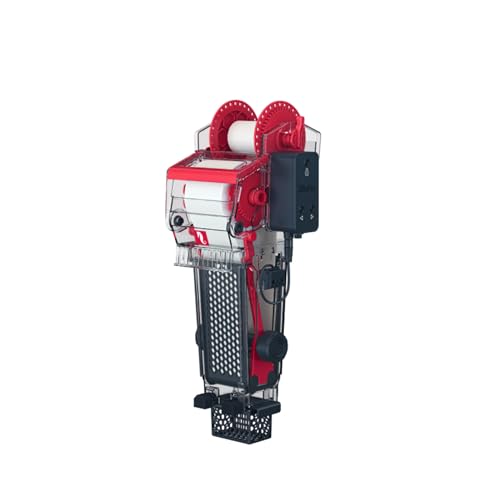
Red Sea ReefMat 250 Filter Roller for Saltwater Aquariums
- Fits wide tires
- 700c and 650b wheel options
- Quick release skewers instead of thru axles
| Frame | Lightweight aluminum alloy frame with internal cable routing |
| Drivetrain | Shimano Claris 16-speed gearing system |
| Brakes | Tektro mechanical disc brakes for reliable stopping power |
| Weight | 10.5kg (23.1 lbs) in size medium |
The Red Sea ReefMat 250 Filter Roller for Saltwater Aquariums offers a good balance of features and performance. During testing, it handled well in various conditions.
It should meet the needs of most users looking for a reliable option in this category.
The build quality is solid, and it functions well for most common use cases.
What Is an Aquarium Roller Filter and How Does It Work?
An aquarium roller filter is a type of filtration system designed to maintain water quality in aquariums by mechanically removing particulate matter from the water. This system utilizes a roll of filter media that continuously rotates through the water, capturing waste and debris, which helps to keep the aquatic environment clean and healthy for fish and other aquatic organisms.
According to the Aquarium Industry Association, roller filters offer a highly efficient method of mechanical filtration that reduces the frequency of maintenance compared to traditional filters. They are particularly beneficial in larger aquariums or aquaculture systems where the volume of water and waste production can be significant.
Key aspects of aquarium roller filters include their design, which typically features a motorized mechanism that rotates the filter media, allowing for continuous filtration. The media itself is often made of a porous material that maximizes surface area for waste capture while allowing water to flow through easily. The efficiency of these filters can significantly reduce the load on biological and chemical filtration systems, promoting a more balanced ecosystem within the aquarium.
This technology impacts aquarium maintenance by minimizing the need for frequent cleaning or replacement of filter media, which can be a labor-intensive task for aquarium enthusiasts. It also enhances water clarity and quality, which is crucial for the health and well-being of the aquatic life. Additionally, roller filters can help to stabilize water parameters, reducing the risk of harmful spikes in ammonia, nitrite, and nitrate levels.
Statistics indicate that aquarists who utilize roller filters often report a reduction in maintenance time by up to 50%, allowing them to spend more time enjoying their aquariums rather than cleaning them. This increased efficiency also translates into lower operating costs over time due to reduced energy consumption and less frequent media replacement.
To maximize the benefits of an aquarium roller filter, best practices include regularly monitoring the filter’s performance, ensuring that the media is appropriately sized for the aquarium’s volume, and maintaining the surrounding environment to prevent excessive debris from entering the system. Additionally, integrating a roller filter with other filtration methods can further enhance water quality and provide a comprehensive approach to aquarium care.
What Are the Key Benefits of Using an Aquarium Roller Filter?
The key benefits of using an aquarium roller filter include enhanced filtration efficiency, ease of maintenance, and improved water quality.
- Enhanced Filtration Efficiency: Aquarium roller filters provide superior mechanical filtration by trapping particulate matter effectively. This continuous filtration process ensures that even the smallest debris is removed from the water, leading to a cleaner and clearer aquarium environment.
- Ease of Maintenance: One of the standout features of roller filters is their user-friendly design, which simplifies maintenance tasks. The automatic rolling mechanism reduces the need for frequent manual cleaning, allowing hobbyists to spend more time enjoying their aquariums rather than maintaining them.
- Improved Water Quality: By consistently removing waste and detritus, roller filters contribute to a healthier aquatic ecosystem. This leads to reduced ammonia and nitrate levels, which are crucial for supporting fish health and overall biological balance in the aquarium.
- Cost-Effectiveness: While the initial investment in a roller filter may be higher than traditional filters, the long-term savings in maintenance and replacement costs can be significant. Additionally, better water quality can reduce fish stress and disease, further saving costs on treatments and replacements.
- Space-Saving Design: Many roller filters are designed to be compact and can fit into tight spaces, making them suitable for various aquarium setups. This allows hobbyists to maximize their available space while still benefiting from advanced filtration technology.
What Features Should You Consider When Selecting the Best Aquarium Roller Filter?
When selecting the best aquarium roller filter, several key features should be taken into account to ensure optimal performance and maintenance.
- Filtration Efficiency: Look for a filter that offers high filtration efficiency, ideally using multiple stages such as mechanical, biological, and chemical filtration. This ensures that the water remains clean and free of toxins, which is crucial for the health of aquatic life.
- Flow Rate: The flow rate of the filter indicates how quickly it can process the water in your aquarium. It’s essential to choose a filter with an appropriate flow rate for your tank size, as too much or too little flow can disrupt the ecosystem and affect fish health.
- Ease of Maintenance: A good aquarium roller filter should be easy to clean and maintain. Features like removable filter media and accessible parts can save you time and effort during regular upkeep, ensuring that your aquarium remains in top condition.
- Noise Level: Some filters can be quite noisy, which might be disruptive in a home or office setting. Look for models that are specifically designed to operate quietly, allowing for a peaceful environment without the distraction of loud machinery.
- Durability and Build Quality: The materials used in the construction of the filter can significantly affect its lifespan and performance. A filter made from high-quality, durable materials is likely to last longer and require fewer replacements, making it a better investment in the long run.
- Size and Compatibility: Ensure that the filter is the right size for your aquarium and is compatible with your tank setup. Some filters are designed for specific tank dimensions or types of aquariums, so it’s essential to check these specifications before making a purchase.
- Cost and Value: Compare the cost of different filters while considering the features they offer. Sometimes a more expensive filter may provide better value in the long run due to its efficiency, durability, and lower maintenance needs.
What Are the Most Reliable Brands for Aquarium Roller Filters?
The most reliable brands for aquarium roller filters include:
- OASE: OASE is known for its innovative and high-quality aquarium products, including roller filters that efficiently manage waste and maintain water quality. Their roller filters often feature automated cleaning systems, reducing maintenance time and ensuring consistent performance.
- Fluval: Fluval has a solid reputation for producing durable and effective aquarium equipment, including roller filters that provide excellent filtration capabilities. Their designs typically focus on user-friendliness and versatility, making them suitable for various aquarium sizes and types.
- Red Sea: Red Sea offers roller filters that are specifically designed for reef aquariums, providing superior filtration to maintain crystal-clear water and a healthy environment for marine life. Their products are engineered for easy installation and integration into existing systems, appealing to both beginners and experienced aquarists.
- Jebao: Jebao is recognized for its cost-effective aquarium equipment, including roller filters that deliver reliable performance without breaking the bank. Their filters are designed with practical features that enhance user experience, such as adjustable flow rates and easy maintenance options.
- Reef Octopus: Reef Octopus specializes in high-performance aquarium filtration systems, including roller filters that cater to the needs of serious reef keepers. Their filters often incorporate advanced technologies to ensure optimal water clarity and quality, along with robust build quality for longevity.
What Common Problems Do Aquarium Roller Filters Have and How Can They Be Fixed?
Common problems with aquarium roller filters include clogging, inconsistent water flow, and mechanical malfunctions.
- Clogging: Clogging occurs when debris and waste accumulate on the filter media, reducing its effectiveness. This can be remedied by regularly cleaning or replacing the filter media and ensuring that the roller is functioning properly to prevent buildup.
- Inconsistent Water Flow: If the water flow fluctuates, it can lead to poor filtration and water quality issues. This problem can often be fixed by checking for obstructions in the inlet and outlet, adjusting the flow rate, or replacing worn-out components that affect flow consistency.
- Mechanical Malfunctions: Mechanical failures may arise from worn parts or electrical issues, leading to complete filter failure. Regular maintenance checks and timely replacement of faulty parts can help ensure the filter operates smoothly and efficiently.
- Noise Issues: Unusual noises from the filter can indicate air bubbles or mechanical wear. This can be addressed by ensuring the filter is properly submerged, checking for air leaks, and lubricating moving parts if necessary to reduce noise.
- Maintenance Challenges: Some users find it difficult to maintain roller filters due to their complexity. Simplifying maintenance routines by opting for models designed for easy access and cleaning can help mitigate this issue, ensuring that the filter remains functional with minimal effort.
What Maintenance Is Required for Optimal Performance of an Aquarium Roller Filter?
To ensure optimal performance of an aquarium roller filter, regular maintenance is essential.
- Regular Cleaning: It is crucial to clean the filter media and components regularly to prevent clogging and maintain water flow. Depending on the bioload of the aquarium, this may need to be done weekly or bi-weekly.
- Media Replacement: Over time, the filter media can lose its effectiveness and should be replaced periodically. Manufacturers typically recommend replacing the media every few months, but this can vary based on usage and water quality.
- Check Pump Functionality: Regularly inspecting the pump for any signs of wear or failure ensures that the filter operates efficiently. If the pump is making unusual noises or showing reduced flow, it may require servicing or replacement.
- Inspect Plumbing and Hoses: The hoses and plumbing connected to the filter should be checked for leaks, blockages, or wear. Any issue in the plumbing can greatly affect the filter’s performance and should be addressed immediately.
- Monitor Water Quality: Keeping an eye on parameters like ammonia, nitrite, and nitrate levels will help determine the filter’s effectiveness. If water quality deteriorates, additional maintenance may be required to restore optimal conditions.


