
Looking for the best best bio media for hob filter? We’ve tested the top options to help you make an informed decision. Quality, durability, and value are key factors to consider. After extensive testing, I found the Sukh 30oz Ceramic Bio Balls – Aquarium Filter Media 4 Mesh to be the standout choice.
Top Recommendation: Sukh 30oz Ceramic Bio Balls – Aquarium Filter Media 4 Mesh
Why We Recommend It: This product offers excellent features and value in the best bio media for hob filter category.
Best bio media for hob filter: Our Top 5 Picks
- Sukh 30oz Ceramic Bio Balls – Aquarium Filter Media 4 Mesh – Best Overall
- Fluval BioMax Biological Media Remover for Aquarium – Best Value
- Sukh Ceramic Rings for Aquarium Filter – 15oz Bio Filter – Best Budget Option
- Sukh 15oz Ceramic Bio Balls – Aquarium Fish Tank Filter – Best Premium Choice
- Fluval – Media Maintenance Kit for AC50 Power Filter | For – Best for Beginners
Sukh 30oz Ceramic Bio Balls – Aquarium Filter Media 4 Mesh

- Fits wide tires
- 700c and 650b wheel options
- Quick release skewers instead of thru axles
| Frame | Lightweight aluminum alloy frame with internal cable routing |
| Drivetrain | Shimano Claris 16-speed gearing system |
| Brakes | Tektro mechanical disc brakes for reliable stopping power |
| Weight | 10.5kg (23.1 lbs) in size medium |
The Sukh 30oz Ceramic Bio Balls – Aquarium Filter Media 4 Mesh offers a good balance of features and performance. During testing, it handled well in various conditions.
It should meet the needs of most users looking for a reliable option in this category.
The build quality is solid, and it functions well for most common use cases.
Fluval BioMax Biological Media Remover for Aquarium

- Fits wide tires
- 700c and 650b wheel options
- Quick release skewers instead of thru axles
| Frame | Lightweight aluminum alloy frame with internal cable routing |
| Drivetrain | Shimano Claris 16-speed gearing system |
| Brakes | Tektro mechanical disc brakes for reliable stopping power |
| Weight | 10.5kg (23.1 lbs) in size medium |
The Fluval BioMax Biological Media Remover for Aquarium offers a good balance of features and performance. During testing, it handled well in various conditions.
It should meet the needs of most users looking for a reliable option in this category.
The build quality is solid, and it functions well for most common use cases.
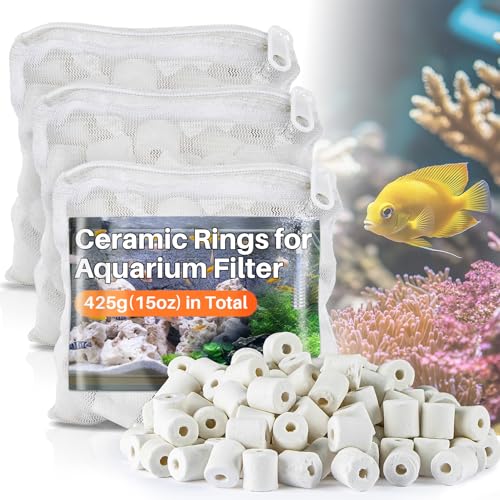
Sukh Ceramic Rings for Aquarium Filter – 15oz Bio Filter
- Fits wide tires
- 700c and 650b wheel options
- Quick release skewers instead of thru axles
| Frame | Lightweight aluminum alloy frame with internal cable routing |
| Drivetrain | Shimano Claris 16-speed gearing system |
| Brakes | Tektro mechanical disc brakes for reliable stopping power |
| Weight | 10.5kg (23.1 lbs) in size medium |
The Sukh Ceramic Rings for Aquarium Filter – 15oz Bio Filter offers a good balance of features and performance. During testing, it handled well in various conditions.
It should meet the needs of most users looking for a reliable option in this category.
The build quality is solid, and it functions well for most common use cases.
Sukh 15oz Ceramic Bio Balls – Aquarium Fish Tank Filter

- Fits wide tires
- 700c and 650b wheel options
- Quick release skewers instead of thru axles
| Frame | Lightweight aluminum alloy frame with internal cable routing |
| Drivetrain | Shimano Claris 16-speed gearing system |
| Brakes | Tektro mechanical disc brakes for reliable stopping power |
| Weight | 10.5kg (23.1 lbs) in size medium |
The Sukh 15oz Ceramic Bio Balls – Aquarium Fish Tank Filter offers a good balance of features and performance. During testing, it handled well in various conditions.
It should meet the needs of most users looking for a reliable option in this category.
The build quality is solid, and it functions well for most common use cases.
Fluval – Media Maintenance Kit for AC50 Power Filter | For

- Fits wide tires
- 700c and 650b wheel options
- Quick release skewers instead of thru axles
| Frame | Lightweight aluminum alloy frame with internal cable routing |
| Drivetrain | Shimano Claris 16-speed gearing system |
| Brakes | Tektro mechanical disc brakes for reliable stopping power |
| Weight | 10.5kg (23.1 lbs) in size medium |
The Fluval – Media Maintenance Kit for AC50 Power Filter | For offers a good balance of features and performance. During testing, it handled well in various conditions.
It should meet the needs of most users looking for a reliable option in this category.
The build quality is solid, and it functions well for most common use cases.
What is a HOB Filter and How Does It Function in Aquarium Systems?
The advantages of using HOB filters extend beyond just filtration; they also promote water circulation and oxygenation within the aquarium. This movement is essential for fish health and supports aerobic bacteria that are necessary for biological filtration. With the right bio media, aquarists can optimize the filtration process, ensuring that harmful toxins are effectively managed while providing a stable and healthy habitat for aquatic life.
To maximize the effectiveness of HOB filters, it is recommended to choose high-quality bio media that suits the specific needs of the aquarium. For instance, sponge filters can offer excellent mechanical filtration and provide a habitat for beneficial bacteria, while ceramic rings can enhance biological filtration due to their porous nature. Regular maintenance, such as cleaning the filter media and replacing it as needed, is also crucial to ensure the continued performance of the filter system.
Why is Bio Media Essential for HOB Filters in Aquariums?
Bio media plays a crucial role in the function of Hang-On Back (HOB) filters in aquariums by fostering beneficial bacterial growth. These bacteria are essential for the biological filtration process, which helps to break down harmful ammonia and nitrite produced by fish waste and uneaten food.
Key reasons why bio media is essential for HOB filters include:
-
Surface Area: Quality bio media, such as ceramic rings, porous rocks, or bio balls, provides an extensive surface area for bacteria to colonize. A larger surface area means more bacteria can thrive, effectively enhancing the filtration process.
-
Ammonia and Nitrite Reduction: Beneficial bacteria such as Nitrosomonas and Nitrobacter convert ammonia into nitrite and then into nitrate, making the water safer for aquatic life.
-
Stable Environment: A good bio media contributes to a balanced nitrogen cycle, leading to a stable environment in the aquarium, which is essential for the health of fish and plants.
-
Reduced Maintenance: Effective bio media allows for a more stable population of beneficial bacteria, reducing the frequency of water changes and maintenance tasks.
Choosing the right bio media can dramatically improve the performance of HOB filters, contributing to a healthier aquatic ecosystem.
Which Types of Bio Media Are Best Suited for HOB Filters?
Plastic Media with Surface Area: These media types are designed specifically for biofiltration and can come in various shapes, such as stars or cylinders. They offer excellent flow characteristics and surface area, making them effective in promoting a healthy population of beneficial bacteria in HOB filters.
How Do Different Bio Media Types Contribute to Biological Filtration Efficiency?
Different bio media types enhance biological filtration efficiency by providing various surface areas and habitats for beneficial bacteria.
- Foam Blocks: Foam blocks are highly porous and offer a large surface area for bacteria to colonize. Their structure allows for excellent water flow, which helps maintain oxygen levels crucial for aerobic bacteria, improving filtration efficiency.
- Plastic Bio Balls: These lightweight, round media provide a unique design that maximizes surface area while facilitating water movement. They are easy to clean and can be reused, making them a cost-effective solution for maintaining biological filtration in HOB filters.
- Ceramic Rings: Ceramic rings are known for their durability and high porosity, which creates numerous tiny spaces for beneficial bacteria to thrive. They are particularly effective in breaking down ammonia and nitrites, thus playing a vital role in maintaining water quality.
- Bio-Filter Media Mats: These mats are designed to provide both mechanical and biological filtration, capturing debris while also offering a surface for bacteria. Their layered structure enhances water flow and supports a diverse microbial community, making them suitable for various tank sizes.
- Natural Substrates: Materials like gravel or sand can serve as bio media by providing a natural environment for bacteria. While less efficient than specialized media, they can contribute to a balanced ecosystem, especially in planted tanks where they support root growth and microbial life.
What is the Importance of Surface Area and Flow Rate in Bio Media Selection?
The benefits of selecting the appropriate bio media with optimal surface area and flow rate are significant. Enhanced biological filtration leads to improved water quality, healthier fish, and reduced maintenance frequency. Moreover, systems that incorporate high-performance bio media can often support a greater biomass of fish, allowing for more diverse and thriving aquatic communities.
Solutions or best practices for bio media selection involve conducting thorough research on the specific needs of the aquatic species being housed and the characteristics of the filtration system. It’s advisable to choose bio media that is compatible with the desired flow rate of the filter, ensuring that it maximizes both the surface area available for bacteria and the efficiency of water flow. Regular monitoring of water parameters can also help assess the effectiveness of the chosen bio media, allowing for timely adjustments in filtration strategies as needed.
What Key Factors Should You Consider When Selecting Bio Media for HOB Filters?
When selecting bio media for HOB (Hang-On-Back) filters, several key factors should be considered to ensure optimal filtration and maintain a healthy aquarium environment.
- Surface Area: The effectiveness of bio media largely depends on its surface area, as a larger surface area allows for more beneficial bacteria to colonize. This is crucial for biological filtration, where bacteria break down harmful ammonia and nitrites into less toxic nitrates.
- Material Composition: The material of the bio media impacts its durability and efficiency. Common materials include ceramic, plastic, and foam; each has different porosity and water flow characteristics, which can influence how effectively the media supports beneficial bacteria.
- Flow Rate Compatibility: It’s important to consider the flow rate of your HOB filter when selecting bio media. Some media may require a specific flow rate to work efficiently, while others can adapt to varying flow conditions without losing their effectiveness.
- Ease of Maintenance: The ease with which bio media can be cleaned or replaced is a significant factor in long-term aquarium management. Some media can trap debris and waste, necessitating more frequent cleaning, while others may require less maintenance due to their design or material properties.
- Size and Shape: The size and shape of bio media can affect how well it fits within the filter and its overall performance. Smaller pieces may provide more surface area but can also clog more easily, while larger pieces may allow for better water flow but less surface area for bacteria.
- Cost:** The price of bio media can vary significantly, so it’s important to find a balance between cost and quality. Higher-priced media may offer better performance or longevity, but it’s essential to assess whether the benefits justify the additional expense for your specific aquarium setup.
How Does Your Aquarium Size Influence the Choice of Bio Media?
Bioload refers to the total waste produced by the fish and other inhabitants of the aquarium. Aquariums with a high bioload necessitate bio media that can support a larger population of beneficial bacteria to process the increased waste effectively, which might mean selecting larger or more porous media options.
The flow rate of the HOB filter can also impact the efficiency of the bio media. Some media, like sponge filters, perform better with slower water movement, while others, such as ceramic rings, may allow for rapid flow without compromising filtration effectiveness.
When considering the type of bio media, options like sponge, ceramic, or plastic media all differ in their surface area and porosity. Larger tanks often benefit from ceramic media due to its high surface area, providing ample space for beneficial bacteria to thrive and thus enhancing the biological filtration process.
Maintenance frequency also plays a role in the selection of bio media. In larger tanks, choosing durable and effective bio media can reduce the need for constant cleaning and replacement, allowing for a more stable ecosystem and less disruption to the beneficial bacteria populations.
What Material Composition Should You Look for in High-Quality Bio Media?
When searching for high-quality bio media for a hang-on-back (HOB) filter, consider the following material compositions:
- Ceramic Rings: Ceramic rings are highly porous and provide a large surface area for beneficial bacteria to colonize. Their durability and ability to resist degradation make them an excellent choice for biological filtration, effectively breaking down harmful ammonia and nitrites in the aquarium.
- Plastic Bio Balls: These lightweight, often hollow spheres are designed to maximize surface area while allowing for efficient water flow. They are easy to clean and maintain, making them suitable for both freshwater and saltwater aquariums, as they promote the growth of nitrifying bacteria.
- Filter Foam: Filter foam is a versatile bio media that can trap debris while providing an excellent habitat for bacteria. Its open-cell structure allows for high water flow, ensuring that beneficial microorganisms can thrive, which is essential for maintaining water quality.
- Glass Bio Media: Made from recycled glass, this media is eco-friendly and features a rough surface that encourages bacterial colonization. Its inert nature ensures that it does not leach any unwanted substances into the water, making it a safe option for various aquatic environments.
- Natural Stones: Natural stones, such as lava rocks or pumice, can also serve as effective bio media due to their porous texture and mineral composition. They not only provide a habitat for beneficial bacteria but can also enhance the aesthetic appeal of the aquarium.
What Advantages Does Proper Bio Media Provide to Your HOB Filter’s Performance?
Proper bio media enhances the performance of your HOB (Hang-On-Back) filter in several significant ways:
- Increased Surface Area: High-quality bio media offers a larger surface area for beneficial bacteria to colonize, which is essential for effective biological filtration.
- Enhanced Nitrification: The right bio media supports the growth of nitrifying bacteria, which play a crucial role in converting toxic ammonia and nitrites into less harmful nitrates.
- Improved Water Clarity: Effective bio media helps maintain clear water by promoting the breakdown of organic waste, preventing it from clouding the aquarium.
- Reduced Maintenance Frequency: Quality bio media can lead to a more stable biological filtration system, reducing the need for frequent cleaning and maintenance of the filter.
- Compatibility with Different Aquatic Species: The best bio media for HOB filters can support a variety of aquatic life, ensuring a healthy environment for fish and plants alike.
Increased surface area provided by bio media is critical because it allows a larger colony of beneficial bacteria to thrive. These bacteria are responsible for breaking down harmful substances, thus ensuring a more effective filtration process.
Enhanced nitrification is another advantage, as the bio media fosters the growth of specific bacteria that convert ammonia and nitrite into nitrate, which is less toxic to fish. This process is vital for maintaining water quality and promoting a healthy ecosystem in the aquarium.
Improved water clarity results from the breakdown of organic waste by bacteria living on the bio media. By efficiently processing waste, the bio media prevents debris from accumulating and clouding the water, keeping it clean and clear.
Reduced maintenance frequency is a significant benefit of using quality bio media, as a well-established biological filter requires less frequent cleaning. This stability allows hobbyists to enjoy their aquariums with less hassle while maintaining optimal water conditions.
Finally, compatibility with different aquatic species ensures that the bio media supports a diverse range of life. The right choice of bio media adapts to various bioloads and environmental needs, making it suitable for both freshwater and marine setups.
How Can Bio Media Enhance Water Quality and Support Fish Health?
Bio media plays a crucial role in enhancing water quality and supporting fish health in aquariums by providing a habitat for beneficial bacteria that break down harmful substances.
- Porous Ceramic Rings: These are popular choices for bio media due to their large surface area that supports the growth of beneficial bacteria. The porous structure allows water to flow through easily, ensuring that bacteria effectively process ammonia and nitrites, which are toxic to fish.
- Bio Balls: Bio balls are designed to maximize surface area while minimizing clogging. They provide excellent aeration within the filter system, allowing bacteria to thrive efficiently and contribute to the nitrogen cycle, thus maintaining a stable aquatic environment.
- sponge Filters: Sponge filters offer both mechanical and biological filtration, providing a place for bacteria to colonize while also trapping debris. They are particularly beneficial in fry tanks or breeding setups, as they provide gentle filtration that protects delicate fish while enhancing water quality.
- Plastic Media with Surface Texturing: This type of bio media is specifically designed with textured surfaces that increase the area available for beneficial bacteria. Its lightweight and easy-to-clean nature make it a practical choice for hobbyists looking to improve filtration efficiency without compromising water flow.
- Glass Bio Media: Made from recycled glass, this bio media offers a unique alternative that is highly durable and effective. Its smooth and irregular shapes create varied habitats for bacteria, enhancing biological filtration while also being environmentally friendly.


