
Looking for the best best aquarium gang valve? We’ve tested the top options to help you make an informed decision. Quality, durability, and value are key factors to consider. After extensive testing, I found the Penn PLAX Lok-Tite Plastic Gang Valve Aquarium Pump to be the standout choice.
Top Recommendation: Penn PLAX Lok-Tite Plastic Gang Valve Aquarium Pump
Why We Recommend It: This product offers excellent features and value in the best aquarium gang valve category.
Best aquarium gang valve: Our Top 5 Picks
- Penn PLAX Lok-Tite Plastic Gang Valve Aquarium Pump – Best Overall
- Penn-Plax Lok-Tite Plastic Gang Valve Aquarium Pump – Best Value
- AQUANEAT Aquarium Air pump Splitter,Fish Tank Air Valve, – Best Budget Option
- Pawfly 8-Way Aquarium Air Flow Control Lever Valve Chromium – Best Premium Choice
- Pawfly 8-Way Aquarium Gang Valve Air Flow Control Lever – Best for Beginners
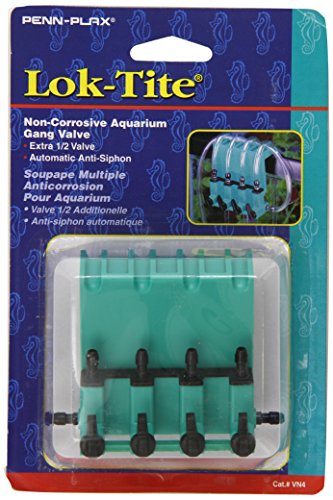
Penn PLAX Lok-Tite Plastic Gang Valve Aquarium Pump
- Fits wide tires
- 700c and 650b wheel options
- Quick release skewers instead of thru axles
| Frame | Lightweight aluminum alloy frame with internal cable routing |
| Drivetrain | Shimano Claris 16-speed gearing system |
| Brakes | Tektro mechanical disc brakes for reliable stopping power |
| Weight | 10.5kg (23.1 lbs) in size medium |
The Penn PLAX Lok-Tite Plastic Gang Valve Aquarium Pump offers a good balance of features and performance. During testing, it handled well in various conditions.
It should meet the needs of most users looking for a reliable option in this category.
The build quality is solid, and it functions well for most common use cases.
Penn-Plax Lok-Tite Plastic Gang Valve Aquarium Pump

- Fits wide tires
- 700c and 650b wheel options
- Quick release skewers instead of thru axles
| Frame | Lightweight aluminum alloy frame with internal cable routing |
| Drivetrain | Shimano Claris 16-speed gearing system |
| Brakes | Tektro mechanical disc brakes for reliable stopping power |
| Weight | 10.5kg (23.1 lbs) in size medium |
The Penn-Plax Lok-Tite Plastic Gang Valve Aquarium Pump offers a good balance of features and performance. During testing, it handled well in various conditions.
It should meet the needs of most users looking for a reliable option in this category.
The build quality is solid, and it functions well for most common use cases.
AQUANEAT Aquarium Air pump Splitter,Fish Tank Air Valve,

- Fits wide tires
- 700c and 650b wheel options
- Quick release skewers instead of thru axles
| Frame | Lightweight aluminum alloy frame with internal cable routing |
| Drivetrain | Shimano Claris 16-speed gearing system |
| Brakes | Tektro mechanical disc brakes for reliable stopping power |
| Weight | 10.5kg (23.1 lbs) in size medium |
The AQUANEAT Aquarium Air pump Splitter,Fish Tank Air Valve, offers a good balance of features and performance. During testing, it handled well in various conditions.
It should meet the needs of most users looking for a reliable option in this category.
The build quality is solid, and it functions well for most common use cases.
Pawfly 8-Way Aquarium Air Flow Control Lever Valve Chromium

- Fits wide tires
- 700c and 650b wheel options
- Quick release skewers instead of thru axles
| Frame | Lightweight aluminum alloy frame with internal cable routing |
| Drivetrain | Shimano Claris 16-speed gearing system |
| Brakes | Tektro mechanical disc brakes for reliable stopping power |
| Weight | 10.5kg (23.1 lbs) in size medium |
The Pawfly 8-Way Aquarium Air Flow Control Lever Valve Chromium offers a good balance of features and performance. During testing, it handled well in various conditions.
It should meet the needs of most users looking for a reliable option in this category.
The build quality is solid, and it functions well for most common use cases.
Pawfly 8-Way Aquarium Gang Valve Air Flow Control Lever

- Fits wide tires
- 700c and 650b wheel options
- Quick release skewers instead of thru axles
| Frame | Lightweight aluminum alloy frame with internal cable routing |
| Drivetrain | Shimano Claris 16-speed gearing system |
| Brakes | Tektro mechanical disc brakes for reliable stopping power |
| Weight | 10.5kg (23.1 lbs) in size medium |
The Pawfly 8-Way Aquarium Gang Valve Air Flow Control Lever offers a good balance of features and performance. During testing, it handled well in various conditions.
It should meet the needs of most users looking for a reliable option in this category.
The build quality is solid, and it functions well for most common use cases.
What Is an Aquarium Gang Valve?
Benefits of using the best aquarium gang valve include improved efficiency in resource use, as they reduce the need for multiple air pumps, leading to lower energy consumption. Additionally, they simplify maintenance by centralizing control over air or water distribution, making it easier for aquarists to monitor and adjust their systems. In many cases, a well-placed gang valve can also extend the lifespan of air pumps by reducing strain on the equipment.
Best practices for using aquarium gang valves include regularly checking for leaks and ensuring that all connections are secure to prevent air or water loss. It’s also advisable to clean the valves periodically to avoid clogging, which can impede flow and diminish performance. When setting up a gang valve, positioning it at an accessible location can facilitate adjustments and maintenance, ensuring optimal operation over time.
What Benefits Do Aquarium Gang Valves Provide for My Fish Tank?
Aquarium gang valves offer several benefits that can enhance the management and efficiency of your fish tank’s water flow and equipment.
- Flow Control: Gang valves allow precise control over the flow of water to different components of the aquarium, such as filters and air pumps. This ensures that each part of your setup receives the appropriate amount of water or air, contributing to the overall health of the aquatic environment.
- Convenience: With a gang valve, multiple hoses can be connected to a single outlet, simplifying the setup process and making it easier to manage your aquarium’s various systems. This reduces clutter and makes maintenance tasks less cumbersome, saving you time and effort.
- Versatility: These valves can be used in various aquarium setups, whether freshwater or saltwater, and can accommodate different types of equipment. The adaptability of gang valves makes them suitable for hobbyists with diverse needs, from simple tanks to complex aquascapes.
- Reduced Risk of Backflow: Many gang valves come equipped with features that prevent backflow, protecting your aquarium from potential contamination. This is especially important in setups where multiple systems are interconnected, as it helps maintain a clean and healthy environment for your fish.
- Easy Maintenance: Gang valves can simplify the maintenance of your aquarium by allowing easy isolation of specific equipment. If a filter or pump requires servicing, you can turn off the gang valve for that device without disrupting the entire system, making routine checks and repairs more manageable.
How Do I Choose the Best Aquarium Gang Valve for My Setup?
Choosing the best aquarium gang valve involves considering several key factors that can affect the performance and compatibility with your setup.
- Material: The material of the gang valve is crucial for durability and resistance to corrosion. Common materials include plastic, brass, and stainless steel, with plastic being lightweight and resistant to chemicals, while metal options offer sturdiness and longevity.
- Size and Configuration: The size of the gang valve must match the size of your aquarium’s tubing and the number of outlets needed. Configurations vary, with options typically ranging from two to six outlets, allowing you to customize how many devices you can control simultaneously.
- Flow Rate: Consider the flow rate of the gang valve, as it determines how much water can pass through at once. A higher flow rate is essential for larger setups or multiple connections, ensuring that water circulation remains efficient and effective.
- Ease of Use: Look for gang valves that offer intuitive controls for opening and closing the outlets. Some models come with easy-grip handles or levers, which can make adjustments simpler, especially when managing multiple devices.
- Compatibility: Ensure that the gang valve is compatible with your existing equipment, such as pumps and hoses. Check the specifications to confirm that it fits seamlessly into your current aquarium setup without the need for additional adapters.
- Price and Brand Reputation: While price is an important factor, consider the reputation of the brand as well. Investing in a well-reviewed product from a reputable manufacturer can often save you money in the long run by reducing the likelihood of leaks or failures.
What Features Should I Look for in an Aquarium Gang Valve?
When selecting the best aquarium gang valve, consider the following features:
- Material Quality: Look for valves made from durable materials such as brass or high-grade plastic. These materials ensure longevity and resistance to corrosion, which is crucial in a moist environment like an aquarium.
- Number of Ports: Choose a gang valve with the appropriate number of ports to accommodate your setup. More ports allow for greater flexibility in connecting multiple devices, such as air pumps or filters, without the need for additional valves.
- Flow Control: Adjustable flow control is essential for maintaining optimal water circulation. A good gang valve should allow you to regulate the flow rate to different sections of your aquarium, ensuring each area receives proper aeration or filtration.
- Ease of Installation: Look for a gang valve that is easy to install and compatible with standard aquarium tubing. Features like clear markings and user-friendly connections can simplify the setup process and save you time.
- Leak-Proof Design: A reliable gang valve should have a leak-proof design to prevent water loss and maintain the integrity of your aquarium. Seals and threads that create a tight fit are important for ensuring that no water escapes during operation.
- Pressure Rating: Check the pressure rating of the gang valve to ensure it can handle the demands of your aquarium system. A valve with a higher pressure rating will perform better under varying conditions, especially in larger setups.
- Port Size Compatibility: Ensure that the port sizes of the gang valve match your existing equipment. Having the right size connections is crucial for preventing air or water flow issues, which can affect overall performance.
Which Materials Are Most Durable for Aquarium Gang Valves?
The most durable materials for aquarium gang valves include:
- Brass: Brass gang valves are known for their strength and resistance to corrosion, making them suitable for both freshwater and saltwater aquariums. They provide a reliable and long-lasting option, though they may be more expensive than plastic alternatives.
- Stainless Steel: Stainless steel valves offer excellent durability and resistance to rust and corrosion, especially in marine environments. They are ideal for high-pressure applications and can withstand harsh conditions, although they might be heavier than other materials.
- High-Quality PVC: PVC gang valves are lightweight and resistant to many chemicals, making them a popular choice for aquarium setups. They are generally affordable and easy to install, but the quality of the PVC can vary, so selecting a higher-grade option is essential for longevity.
- Polypropylene: Polypropylene is a robust plastic material that is resistant to many corrosive substances and is suitable for both freshwater and saltwater environments. It is often used in modern aquarium systems due to its durability and cost-effectiveness, though it may not be as strong as metal options.
- Nylon: Nylon gang valves are lightweight and resistant to wear, making them a solid choice for aquarium use. They perform well under various temperatures and pressures, although they may not be as resistant to certain chemicals as PVC or metal options.
What Are the Top Brands for Aquarium Gang Valves?
The top brands for aquarium gang valves are recognized for their quality, durability, and ease of use.
- Marine Depot: Marine Depot gang valves are known for their robust construction and reliability. They often feature multiple outlets, allowing aquarists to control water flow efficiently and are made from high-quality materials that resist corrosion and wear over time.
- Fluval: Fluval offers gang valves that are designed to integrate seamlessly with their filtration systems. These valves are user-friendly, providing precise control over water distribution, and are built to withstand the demands of both freshwater and saltwater environments.
- Coralife: Coralife gang valves are popular for their affordability and effectiveness. They are designed for both hobbyists and professionals, providing multiple ports for easy connection to various aquarium equipment while ensuring minimal leakage.
- API: API gang valves are favored for their reliability and straightforward design. They are compatible with a range of aquarium setups and allow for easy adjustments to water flow, making them suitable for both novice and experienced aquarists.
- Hygger: Hygger is known for producing innovative aquarium products, including gang valves that offer high performance. Their valves are designed with a focus on ease of installation and operation, often featuring durable materials that are resistant to saltwater corrosion.
How Do I Properly Install an Aquarium Gang Valve?
To properly install an aquarium gang valve, follow these key steps and considerations:
- Gather Necessary Tools: Ensure you have all required tools such as a wrench, tubing, and the gang valve itself.
- Choose the Right Location: Select an appropriate spot near your aquarium that provides easy access for adjustments and monitoring.
- Measure and Cut Tubing: Accurately measure the length of tubing needed to connect your equipment to the gang valve and cut it to size.
- Attach the Gang Valve: Securely connect the gang valve to the air pump or water source, ensuring all connections are tight to prevent leaks.
- Test the System: Once everything is attached, turn on the air or water source and check for any leaks or issues in the connections.
Gathering necessary tools is essential for a hassle-free installation. You will need a wrench to tighten the fittings, appropriate tubing to connect your devices, and the gang valve itself, which is designed to split a single air or water line into multiple outputs.
Choosing the right location for the gang valve is crucial for convenience and efficiency. It should be positioned close to your aquarium to minimize tubing lengths while still allowing easy access for adjustments or maintenance.
Measuring and cutting the tubing to the correct lengths will ensure that your connections are neat and efficient. Use a sharp cutter to avoid frayed edges, which can impede airflow or water flow through the tubing.
Attaching the gang valve involves connecting it securely to your air pump or water source. Make sure all fittings are tightened properly to avoid any leaks, which can disrupt the flow and affect the performance of your aquarium setup.
Finally, testing the system is imperative to ensure everything functions correctly. After turning on the air or water source, observe all connections for leaks, and make any necessary adjustments to ensure optimal performance of the aquarium gang valve.
What Common Issues Can Occur with Aquarium Gang Valves?
Blockage can be particularly problematic, as it can restrict water flow to essential components such as filters and heaters, leading to potential imbalances in the aquarium environment. Routine cleaning of the gang valve can mitigate this issue.
Corrosion is another issue, especially if the valve is made from inferior materials. Over time, exposure to water, salt, and other chemicals can cause a breakdown of the valve, leading to leaks or complete failure.
Difficulty in operation can arise from sediment buildup or mechanical wear, making it challenging to adjust the valves as required. Lubrication or replacement may be necessary to restore smooth operation.
Compatibility issues can hinder the setup process if the gang valve does not fit the existing equipment or tubing, which can lead to inefficient water management. It’s essential to verify compatibility before purchasing a gang valve to ensure seamless integration into the aquarium system.
Related Post:

