
Looking for the best best filter for 40 gallon saltwater tank? We’ve tested the top options to help you make an informed decision. Quality, durability, and value are key factors to consider. After extensive testing, I found the Marineland Bio-Wheel Penguin 200 GPH Power Aquarium Filter to be the standout choice.
Top Recommendation: Marineland Bio-Wheel Penguin 200 GPH Power Aquarium Filter
Why We Recommend It: This product offers excellent features and value in the best filter for 40 gallon saltwater tank category.
Best filter for 40 gallon saltwater tank: Our Top 5 Picks
- Marineland Bio-Wheel Penguin 200 GPH Power Aquarium Filter – Best Overall
- Tetra Whisper 200 GPH Internal Power Aquarium Filter | – Best Value
- Aqua-Tech Ultra Quiet Power Filter For Aquariums, 20-40 – Best Budget Option
- 222GPH 10W Turtle Tank Filter Aquarium Filter Power – Best Premium Choice
- AquaMiracle Aquarium U-V Filter for Green Water Control – Best for Beginners
Marineland Bio-Wheel Penguin 200 GPH Power Aquarium Filter

- Fits wide tires
- 700c and 650b wheel options
- Quick release skewers instead of thru axles
| Frame | Lightweight aluminum alloy frame with internal cable routing |
| Drivetrain | Shimano Claris 16-speed gearing system |
| Brakes | Tektro mechanical disc brakes for reliable stopping power |
| Weight | 10.5kg (23.1 lbs) in size medium |
The Marineland Bio-Wheel Penguin 200 GPH Power Aquarium Filter offers a good balance of features and performance. During testing, it handled well in various conditions.
It should meet the needs of most users looking for a reliable option in this category.
The build quality is solid, and it functions well for most common use cases.
Tetra Whisper 200 GPH Internal Power Aquarium Filter |

- Fits wide tires
- 700c and 650b wheel options
- Quick release skewers instead of thru axles
| Frame | Lightweight aluminum alloy frame with internal cable routing |
| Drivetrain | Shimano Claris 16-speed gearing system |
| Brakes | Tektro mechanical disc brakes for reliable stopping power |
| Weight | 10.5kg (23.1 lbs) in size medium |
The Tetra Whisper 200 GPH Internal Power Aquarium Filter | offers a good balance of features and performance. During testing, it handled well in various conditions.
It should meet the needs of most users looking for a reliable option in this category.
The build quality is solid, and it functions well for most common use cases.
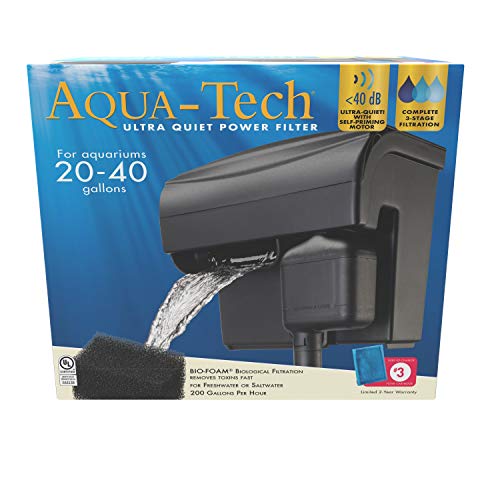
Aqua-Tech Ultra Quiet Power Filter For Aquariums, 20-40
- Fits wide tires
- 700c and 650b wheel options
- Quick release skewers instead of thru axles
| Frame | Lightweight aluminum alloy frame with internal cable routing |
| Drivetrain | Shimano Claris 16-speed gearing system |
| Brakes | Tektro mechanical disc brakes for reliable stopping power |
| Weight | 10.5kg (23.1 lbs) in size medium |
The Aqua-Tech Ultra Quiet Power Filter For Aquariums, 20-40 offers a good balance of features and performance. During testing, it handled well in various conditions.
It should meet the needs of most users looking for a reliable option in this category.
The build quality is solid, and it functions well for most common use cases.
222GPH 10W Turtle Tank Filter Aquarium Filter Power

- Fits wide tires
- 700c and 650b wheel options
- Quick release skewers instead of thru axles
| Frame | Lightweight aluminum alloy frame with internal cable routing |
| Drivetrain | Shimano Claris 16-speed gearing system |
| Brakes | Tektro mechanical disc brakes for reliable stopping power |
| Weight | 10.5kg (23.1 lbs) in size medium |
The 222GPH 10W Turtle Tank Filter Aquarium Filter Power offers a good balance of features and performance. During testing, it handled well in various conditions.
It should meet the needs of most users looking for a reliable option in this category.
The build quality is solid, and it functions well for most common use cases.
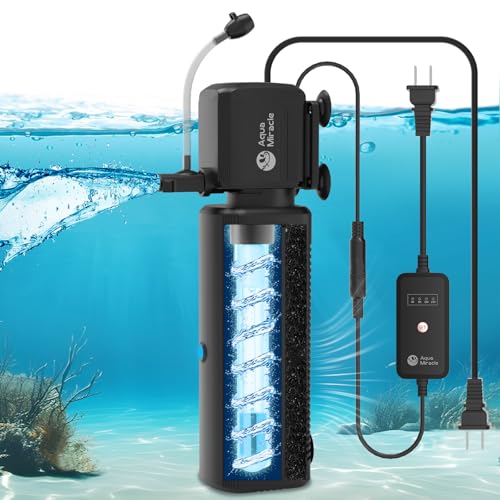
AquaMiracle Aquarium U-V Filter for Green Water Control
- Fits wide tires
- 700c and 650b wheel options
- Quick release skewers instead of thru axles
| Frame | Lightweight aluminum alloy frame with internal cable routing |
| Drivetrain | Shimano Claris 16-speed gearing system |
| Brakes | Tektro mechanical disc brakes for reliable stopping power |
| Weight | 10.5kg (23.1 lbs) in size medium |
The AquaMiracle Aquarium U-V Filter for Green Water Control offers a good balance of features and performance. During testing, it handled well in various conditions.
It should meet the needs of most users looking for a reliable option in this category.
The build quality is solid, and it functions well for most common use cases.
What Are the Key Considerations When Choosing a Filter for a 40 Gallon Saltwater Tank?
Size and Space: The filter should not only fit the tank but also complement its design. Some filters can be compact, while others may take up more space; ensuring that the chosen filter aligns with the aesthetic and physical layout of your tank is important.
How Does Filtration Method Impact Water Quality and Tank Health?
- Mechanical Filtration: This method involves the physical removal of debris and particulate matter from the water using filter media like sponge or filter pads.
- Chemical Filtration: This filtration uses chemical media such as activated carbon or resin to remove impurities, toxins, and odors from the water.
- Biological Filtration: This process utilizes beneficial bacteria to break down harmful ammonia and nitrites, converting them into less harmful nitrates.
- Canister Filters: These filters offer a versatile filtration solution, combining mechanical, chemical, and biological methods in a single unit, making them ideal for larger tanks.
- Hang-on-Back Filters: Easy to install and maintain, these filters hang on the back of the tank and provide effective mechanical and biological filtration, suitable for smaller setups.
- Protein Skimmers: Essential for saltwater tanks, protein skimmers remove organic waste before it decomposes, thus improving water quality and reducing nutrient buildup.
- Internal Filters: These filters are submerged within the tank, providing efficient filtration for smaller tanks while minimizing the footprint of external equipment.
Mechanical Filtration: This method involves the physical removal of debris and particulate matter from the water using filter media like sponge or filter pads. Mechanical filtration is crucial for maintaining clarity in water and preventing the buildup of waste that could harm aquatic life.
Chemical Filtration: This filtration uses chemical media such as activated carbon or resin to remove impurities, toxins, and odors from the water. It plays a vital role in maintaining water chemistry and ensuring a healthy environment for marine organisms, particularly in a sensitive saltwater tank.
Biological Filtration: This process utilizes beneficial bacteria to break down harmful ammonia and nitrites, converting them into less harmful nitrates. Effective biological filtration is essential for establishing a stable nitrogen cycle, which is crucial for the long-term health of aquarium inhabitants.
Canister Filters: These filters offer a versatile filtration solution, combining mechanical, chemical, and biological methods in a single unit, making them ideal for larger tanks. Their efficiency allows for better water circulation and clarity, which is beneficial for coral and fish health.
Hang-on-Back Filters: Easy to install and maintain, these filters hang on the back of the tank and provide effective mechanical and biological filtration, suitable for smaller setups. They are user-friendly and often come with adjustable flow rates, allowing for customization based on tank needs.
Protein Skimmers: Essential for saltwater tanks, protein skimmers remove organic waste before it decomposes, thus improving water quality and reducing nutrient buildup. By effectively lowering dissolved organic compounds, they contribute to a healthier environment for sensitive marine life.
Internal Filters: These filters are submerged within the tank, providing efficient filtration for smaller tanks while minimizing the footprint of external equipment. They are particularly useful in tight spaces and often include features that promote water movement, which is beneficial for oxygen exchange.
What Role Does Flow Rate Play in Choosing a Saltwater Tank Filter?
The flow rate is a crucial factor in selecting the best filter for a 40-gallon saltwater tank, as it affects water quality and the health of aquatic life.
- Water Circulation: Proper flow rate ensures adequate water circulation throughout the tank, which is essential for distributing nutrients and maintaining temperature consistency. In a saltwater environment, good circulation helps prevent dead spots where waste can accumulate, reducing the risk of harmful bacteria growth.
- Filtration Efficiency: The flow rate directly influences how efficiently a filter can remove debris, toxins, and excess nutrients from the water. Filters that operate at the optimal flow rate for a 40-gallon tank can more effectively trap particles, resulting in cleaner water and a healthier ecosystem for fish and corals.
- Biological Filtration: The right flow rate supports the growth of beneficial bacteria that break down harmful substances in the tank. If the flow is too high, it may disturb these bacteria and hinder their effectiveness; conversely, if it’s too low, it can lead to insufficient oxygenation and slower decomposition of waste.
- Compatibility with Aquatic Life: Different fish and invertebrates have varying tolerances to water flow, so it’s important to choose a filter with an adjustable flow rate. This allows for customization according to the specific needs of the tank’s inhabitants, ensuring a stress-free environment for all species present.
- Maintenance Considerations: Filters with a higher flow rate may require more frequent maintenance and cleaning to prevent clogging and ensure optimal performance. Understanding the flow rate can help in selecting a filter that balances efficiency with manageable upkeep, making it easier to maintain the overall health of the tank.
How Do Different Types of Filters Compare for Use in 40 Gallon Saltwater Tanks?
| Filter Type | Flow Rate | Maintenance | Best Use | Energy Efficiency | Noise Level | Estimated Cost |
|---|---|---|---|---|---|---|
| Canister Filter | High – Up to 400 GPH | Moderate – Requires regular cleaning and media replacement | Ideal for larger tanks with high bioload | Moderate – Varies by model | Moderate – Can be noisy | $100-$300 |
| Hang-on Back (HOB) Filter | Medium – Typically around 200-300 GPH | Low – Easy to clean and maintain | Good for smaller setups and ease of use | High – Generally energy-efficient | Low – Quiet operation | $30-$100 |
| Internal Filter | Varied – Usually 100-300 GPH | Low – Compact and simple maintenance | Best for tanks with limited space | High – Energy-efficient options available | Low – Generally quiet | $20-$80 |
| Wet/Dry Filter | Very High – Can exceed 500 GPH | High – Needs frequent upkeep due to complexity | Excellent for heavy stocking and advanced setups | Moderate – Can be energy-intensive | Moderate – Some models can be noisy | $150-$500 |
What Are the Best Filter Options for a 40 Gallon Saltwater Tank?
The best filter options for a 40-gallon saltwater tank typically include a variety of types suited for maintaining water quality and ensuring the health of marine life.
- Canister Filters: Canister filters are highly effective for saltwater tanks due to their multi-stage filtration capabilities. They can handle mechanical, chemical, and biological filtration, which is essential in maintaining clear and healthy water in a 40-gallon setup. Their ability to be placed outside the tank also saves space and reduces noise.
- Hang-On-Back (HOB) Filters: HOB filters are popular for smaller aquariums, including 40-gallon saltwater tanks, because of their ease of installation and maintenance. These filters provide good mechanical and biological filtration, and since they hang on the back of the tank, they do not take up any internal space. However, it’s important to ensure that the flow rate is appropriate for the tank’s inhabitants.
- Internal Filters: Internal filters are submersible units that can provide adequate filtration and circulation in a 40-gallon tank. They are generally easy to install and maintain, making them a good choice for beginners, though they may take up valuable space inside the tank. These filters can be adjusted to control the flow rate, which can be beneficial for delicate marine species.
- Sump Filters: A sump filter system is often favored by advanced aquarists for larger tanks, but it can be tailored for a 40-gallon setup as well. Sumps provide exceptional biological filtration and can house additional equipment such as heaters and skimmers. They require more setup and space but are ideal for maintaining a stable environment in a saltwater aquarium.
- Protein Skimmers: While not a filter in the traditional sense, protein skimmers are crucial for saltwater tanks to remove organic waste before it breaks down. They work by creating bubbles that capture and remove proteins and other waste products from the water, thus improving water quality. For a 40-gallon tank, having a quality skimmer can significantly enhance the tank’s overall health and clarity.
Which Hang-On-Back Filters Are Best for 40 Gallon Saltwater Aquariums?
The best filters for a 40-gallon saltwater tank include options that provide effective mechanical, chemical, and biological filtration.
- AquaClear 70 Hang-On-Back Filter: This filter is known for its flexibility and customizable filtration options.
- Marineland Penguin 350 Bio-Wheel Filter: It features a unique bio-wheel system that promotes biological filtration while providing efficient water circulation.
- Fluval C4 Power Filter: This filter offers a multi-stage filtration process, ensuring clear and clean water for your saltwater aquarium.
- Seachem Tidal 75 Hang-On-Back Filter: Its self-priming feature and adjustable flow rate make it a popular choice among saltwater aquarium enthusiasts.
AquaClear 70 Hang-On-Back Filter: The AquaClear 70 is highly regarded for its ability to customize the type of filtration media used, allowing users to optimize it for their specific tank needs. It features a large capacity, which means it can handle higher bioloads commonly found in saltwater setups, making it ideal for a 40-gallon aquarium.
Marineland Penguin 350 Bio-Wheel Filter: The Penguin 350 utilizes a patented bio-wheel that provides excellent biological filtration, which is crucial for maintaining stable water quality in saltwater tanks. Its dual cartridge system allows for mechanical and chemical filtration, ensuring that debris and toxins are effectively removed from the water column.
Fluval C4 Power Filter: The Fluval C4 is designed with a multi-stage filtration system that includes a mechanical, chemical, and biological filter, which ensures comprehensive cleaning of the aquarium water. Its adjustable flow rate allows users to tailor the water movement to suit the needs of different marine species, making it a versatile option for a 40-gallon tank.
Seachem Tidal 75 Hang-On-Back Filter: The Tidal 75 is equipped with a self-priming feature that eliminates the need for manual siphoning when starting it up, a handy characteristic for hobbyists. Additionally, its adjustable flow rate allows for customization based on the specific needs of the aquarium inhabitants, ensuring a healthy and stable environment.
What Should You Know About the Benefits of Canister Filters for Saltwater Tanks?
The benefits of canister filters for saltwater tanks make them a popular choice among aquarium enthusiasts.
- Effective Filtration: Canister filters provide multi-stage filtration, including mechanical, chemical, and biological processes. This comprehensive approach ensures that particulates, waste, and toxins are effectively removed from the water, creating a healthier environment for marine life.
- Versatile Media Options: These filters allow for the use of various filter media to customize filtration based on the specific needs of the tank. Aquarists can choose from activated carbon, sponge filters, or specialized media designed for saltwater conditions, enhancing overall water quality.
- High Flow Rates: Canister filters typically have higher flow rates compared to other types of filters, making them suitable for larger tanks like a 40-gallon saltwater setup. This increased flow helps in maintaining better water circulation, which is crucial for oxygenation and nutrient distribution throughout the tank.
- Space-Efficient Design: Canister filters are often placed outside the aquarium, saving valuable space within the tank itself. This is particularly advantageous for aquascaping and allows for a more aesthetically pleasing display without cluttering the tank with equipment.
- Quiet Operation: Many canister filters operate quietly, making them ideal for home or office environments where noise can be a concern. Their design minimizes vibrations and sounds, ensuring a peaceful atmosphere while still efficiently maintaining tank conditions.
How Do Sump Filters Enhance the Quality of a 40 Gallon Saltwater Setup?
Sump filters significantly enhance the quality of a 40-gallon saltwater setup by providing efficient filtration, increased water volume, and improved water circulation.
- Mechanical Filtration: Sump filters utilize various media such as foam or filter pads to physically remove debris and particulate matter from the water. This prevents particles from accumulating in the display tank and contributes to clearer water quality.
- Chemical Filtration: These systems often include activated carbon or other chemical media that help remove toxins, chemicals, and odors from the water. This is especially important in saltwater tanks, where maintaining low levels of nitrates and phosphates is vital for the health of marine life.
- Biological Filtration: Sump filters provide a large surface area for beneficial bacteria to colonize, effectively breaking down ammonia and nitrites into less harmful nitrates. This biological filtration is crucial in maintaining a stable and healthy environment for fish and corals.
- Increased Water Volume: By using a sump, the overall water volume of the aquarium system is increased, leading to more stable water parameters. This added volume helps buffer against fluctuations in temperature and salinity, which is particularly beneficial for sensitive saltwater species.
- Improved Water Circulation: Sump filters enhance water movement within the aquarium, promoting better oxygenation and nutrient distribution. This leads to a healthier environment for both fish and corals, which thrive in well-circulated water.
- Space for Equipment: A sump provides extra space for heaters, skimmers, and other essential equipment, keeping the display tank free of clutter. This allows for a more aesthetically pleasing setup while ensuring all equipment operates efficiently.
What Maintenance Practices Ensure Optimal Performance of Your Saltwater Tank Filter?
To ensure optimal performance of your saltwater tank filter, consider implementing the following maintenance practices:
- Regular Cleaning: It’s essential to clean your filter media and components regularly to prevent buildup of debris and particulate matter. Rinse the filter media in tank water to preserve beneficial bacteria while removing waste, and clean the impeller and housing to ensure efficient water flow.
- Check Water Flow Rate: Monitor the water flow rate of your filter to ensure it meets the needs of your 40-gallon saltwater tank. A decline in flow rate may indicate a clogged filter or media that requires cleaning, which is crucial for maintaining proper water circulation and oxygenation in the tank.
- Replace Filter Media: Regularly replace or refresh filter media as per the manufacturer’s guidelines to ensure optimal filtration. Over time, filter media can become saturated and less effective, leading to a decline in water quality, so keeping an eye on their condition is vital.
- Monitor Water Parameters: Regularly test the water parameters, including ammonia, nitrites, and nitrates, to ensure your filter is functioning correctly. Any spike in these levels may indicate that the filter is not adequately processing waste, which may require immediate attention or filter maintenance.
- Inspect for Wear and Tear: Periodically inspect your filter for any signs of wear or damage, such as cracks in the housing or malfunctioning components. Addressing these issues promptly can prevent filter failure and help maintain a stable environment for your aquatic life.
- Schedule Routine Maintenance: Establish a routine maintenance schedule that aligns with the specific needs of your saltwater tank. This schedule should include tasks like cleaning, media replacement, and water testing to ensure that your filter operates efficiently and effectively.
What Regular Maintenance Should You Conduct to Keep Your Filter Running Efficiently?
Regular maintenance is essential to ensure your filter operates efficiently in a 40-gallon saltwater tank.
- Clean the filter media: It is crucial to clean the filter media regularly to prevent clogging and maintain optimal water flow.
- Check and replace filter cartridges: Regularly inspecting and replacing filter cartridges ensures that harmful toxins and debris are effectively removed from the water.
- Inspect the pump: Checking the pump for any signs of wear or blockage can help prevent failures that could disrupt filtration.
- Monitor water parameters: Keeping an eye on water parameters such as salinity, ammonia, and nitrate levels is essential for ensuring that the filtration system is functioning properly.
- Perform water changes: Regular water changes can help reduce the load on the filter and maintain a healthy environment for your aquatic life.
Cleaning the filter media involves rinsing it in tank water to preserve beneficial bacteria while removing detritus and debris, which helps maintain water clarity and quality. This should be done every few weeks or as needed, depending on the tank’s bioload.
Checking and replacing filter cartridges should be done according to the manufacturer’s recommendations, typically every 4 to 6 weeks. This helps ensure that the filter can effectively remove pollutants and maintain a healthy tank environment.
Inspecting the pump for blockages or wear is critical since a malfunctioning pump can lead to reduced water circulation and filtration efficiency. Regular checks can help you identify issues early and prevent more significant problems down the line.
Monitoring water parameters allows you to gauge the effectiveness of your filtration system. If you notice any spikes in ammonia or nitrate levels, it may indicate that the filter is not working properly, prompting you to take corrective action.
Performing regular water changes, typically 10-15% weekly, helps to dilute harmful substances and replenish essential minerals. This practice also reduces the burden on the filter, allowing it to function more effectively.
When Should You Replace Filter Media for a Healthy Saltwater Ecosystem?
Replacing filter media is crucial for maintaining a healthy saltwater ecosystem, and the timing can vary based on several factors.
- Every 4-6 weeks: For high-bio-load tanks, such as those with many fish or frequent feedings, it’s recommended to replace filter media every 4 to 6 weeks.
- When water parameters change: If your water tests show spikes in ammonia, nitrites, or nitrates, it may indicate that the filter media is saturated and needs replacement.
- Appearance of algae or debris: If you notice an increase in algae growth or debris accumulation in your tank, it might be time to change the filter media to enhance water clarity and quality.
- Manufacturer’s guidelines: Always refer to the manufacturer’s recommendations for the specific filter you are using, as different filters and media types have varying lifespans.
- Visual inspection: Regularly inspect your filter media for clogging, discoloration, or wear, and replace it if it appears ineffective or damaged.
For high-bio-load tanks, such as those with many fish or frequent feedings, it’s recommended to replace filter media every 4 to 6 weeks. This helps ensure that the biological filtration is functioning optimally, preventing toxic buildup in the aquarium.
If your water tests show spikes in ammonia, nitrites, or nitrates, it may indicate that the filter media is saturated and needs replacement. These spikes can harm aquatic life, so timely media replacement is essential to maintain a balanced environment.
If you notice an increase in algae growth or debris accumulation in your tank, it might be time to change the filter media to enhance water clarity and quality. Algae blooms can result from nutrient imbalances, often exacerbated by ineffective filtration.
Always refer to the manufacturer’s recommendations for the specific filter you are using, as different filters and media types have varying lifespans. Adhering to these guidelines can help you maintain optimal filtration.
Regularly inspect your filter media for clogging, discoloration, or wear, and replace it if it appears ineffective or damaged. This proactive approach can help prevent problems before they escalate, ensuring a healthy environment for your saltwater inhabitants.
What Symptoms Indicate That Your Filter May Not Be Working Properly?
The symptoms that indicate your filter may not be working properly include:
- Cloudy Water: If the water in your 40-gallon saltwater tank appears cloudy or hazy, it may be a sign that the filter is not effectively removing particles and impurities.
- Odor Issues: A foul smell emanating from the tank can indicate stagnation or accumulation of waste, suggesting that the filter is failing to process and clean the water adequately.
- Increased Algae Growth: Excessive algae growth can be a symptom of poor filtration, as ineffective filters fail to maintain proper water chemistry and nutrient levels.
- Fish Stress or Illness: If your fish are showing signs of stress, such as gasping at the surface or hiding, it may be due to poor water quality caused by an ineffective filter.
- Visible Debris: The presence of visible debris or uneaten food settling at the bottom of the tank can indicate that the filter is not circulating the water properly or is clogged.
Cloudy water might arise from a buildup of bacteria or organic waste that the filter should normally eliminate. If the filter media is worn out or the flow rate is insufficient, particles remain suspended in the water, leading to a murky appearance.
Odor issues in a saltwater tank often point to the breakdown of organic matter, which a functioning filter would typically manage. If the waste is not being processed, it can lead to toxic conditions that are harmful to marine life.
Increased algae growth can occur when nutrients like nitrates and phosphates are not properly filtered out, creating an environment conducive to algae blooms. An efficient filter helps control these levels, thus preventing excessive growth.
Signs of fish stress or illness can be attributed to poor water quality, often linked to ineffective filtration. Elevated ammonia or nitrite levels due to inadequate filtration can lead to serious health problems for the fish.
Visible debris indicates that the filter is not performing its job of removing detritus and waste from the water column. This can stem from a clogged filter or insufficient filtration capacity for the tank size.
Related Post:

