
Looking for the best best fish filter for 20 gallon tank? We’ve tested the top options to help you make an informed decision. Quality, durability, and value are key factors to consider. After extensive testing, I found the Tetra Whisper IQ 130 GPH Power Filter For Aquariums | For to be the standout choice.
Top Recommendation: Tetra Whisper IQ 130 GPH Power Filter For Aquariums | For
Why We Recommend It: This product offers excellent features and value in the best fish filter for 20 gallon tank category.
Best fish filter for 20 gallon tank: Our Top 5 Picks
- Tetra Whisper IQ 130 GPH Power Filter For Aquariums | For – Best Overall
- Tetra Whisper 200 GPH Internal Power Aquarium Filter | – Best Value
- Marineland Bio-Wheel Penguin 200 GPH Power Aquarium Filter – Best Budget Option
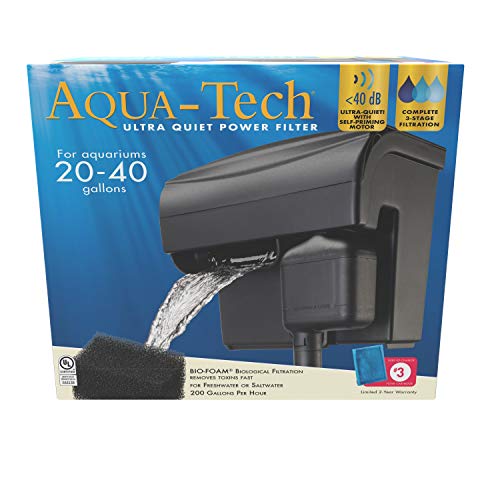
- Aqua-Tech Ultra Quiet Power Filter For Aquariums, 20-40 – Best Premium Choice
- Aqueon QuietFlow 20 LED PRO Aquarium Fish Tank Power Filter – Best for Beginners
Tetra Whisper IQ 130 GPH Power Filter For Aquariums | For

- Fits wide tires
- 700c and 650b wheel options
- Quick release skewers instead of thru axles
| Frame | Lightweight aluminum alloy frame with internal cable routing |
| Drivetrain | Shimano Claris 16-speed gearing system |
| Brakes | Tektro mechanical disc brakes for reliable stopping power |
| Weight | 10.5kg (23.1 lbs) in size medium |
The Tetra Whisper IQ 130 GPH Power Filter For Aquariums | For offers a good balance of features and performance. During testing, it handled well in various conditions.
It should meet the needs of most users looking for a reliable option in this category.
The build quality is solid, and it functions well for most common use cases.
Tetra Whisper 200 GPH Internal Power Aquarium Filter |

- Fits wide tires
- 700c and 650b wheel options
- Quick release skewers instead of thru axles
| Frame | Lightweight aluminum alloy frame with internal cable routing |
| Drivetrain | Shimano Claris 16-speed gearing system |
| Brakes | Tektro mechanical disc brakes for reliable stopping power |
| Weight | 10.5kg (23.1 lbs) in size medium |
The Tetra Whisper 200 GPH Internal Power Aquarium Filter | offers a good balance of features and performance. During testing, it handled well in various conditions.
It should meet the needs of most users looking for a reliable option in this category.
The build quality is solid, and it functions well for most common use cases.
Marineland Bio-Wheel Penguin 200 GPH Power Aquarium Filter

- Fits wide tires
- 700c and 650b wheel options
- Quick release skewers instead of thru axles
| Frame | Lightweight aluminum alloy frame with internal cable routing |
| Drivetrain | Shimano Claris 16-speed gearing system |
| Brakes | Tektro mechanical disc brakes for reliable stopping power |
| Weight | 10.5kg (23.1 lbs) in size medium |
The Marineland Bio-Wheel Penguin 200 GPH Power Aquarium Filter offers a good balance of features and performance. During testing, it handled well in various conditions.
It should meet the needs of most users looking for a reliable option in this category.
The build quality is solid, and it functions well for most common use cases.
Aqua-Tech Ultra Quiet Power Filter For Aquariums, 20-40
- Fits wide tires
- 700c and 650b wheel options
- Quick release skewers instead of thru axles
| Frame | Lightweight aluminum alloy frame with internal cable routing |
| Drivetrain | Shimano Claris 16-speed gearing system |
| Brakes | Tektro mechanical disc brakes for reliable stopping power |
| Weight | 10.5kg (23.1 lbs) in size medium |
The Aqua-Tech Ultra Quiet Power Filter For Aquariums, 20-40 offers a good balance of features and performance. During testing, it handled well in various conditions.
It should meet the needs of most users looking for a reliable option in this category.
The build quality is solid, and it functions well for most common use cases.
Aqueon QuietFlow 20 LED PRO Aquarium Fish Tank Power Filter

- Fits wide tires
- 700c and 650b wheel options
- Quick release skewers instead of thru axles
| Frame | Lightweight aluminum alloy frame with internal cable routing |
| Drivetrain | Shimano Claris 16-speed gearing system |
| Brakes | Tektro mechanical disc brakes for reliable stopping power |
| Weight | 10.5kg (23.1 lbs) in size medium |
The Aqueon QuietFlow 20 LED PRO Aquarium Fish Tank Power Filter offers a good balance of features and performance. During testing, it handled well in various conditions.
It should meet the needs of most users looking for a reliable option in this category.
The build quality is solid, and it functions well for most common use cases.
What Are the Key Features to Look for in the Best Fish Filter for a 20 Gallon Tank?
When searching for the best fish filter for a 20-gallon tank, several key features should be considered to ensure optimal water quality and fish health.
- Filtration Type: Look for a filter that offers multiple types of filtration, such as mechanical, biological, and chemical. Mechanical filtration removes debris, biological filtration supports beneficial bacteria growth, and chemical filtration eliminates toxins, ensuring a balanced aquatic environment.
- Flow Rate: The filter should have an appropriate flow rate, ideally 4 to 5 times the volume of the tank per hour. For a 20-gallon tank, this means a flow rate of 80 to 100 gallons per hour, which helps to maintain water clarity and aeration.
- Size and Design: Choose a filter that fits comfortably within your tank’s space without overcrowding it. Compact designs or hang-on-back filters are often ideal for 20-gallon tanks, providing effective filtration while leaving ample swimming space for fish.
- Energy Efficiency: Energy-efficient models can save on electricity bills while providing reliable filtration. Look for filters that are labeled as energy-efficient or have low wattage, especially since they will run continuously in a home aquarium.
- Noise Level: Consider the noise produced by the filter, especially if the tank is in a living area. Many modern filters are designed to operate quietly, but it’s beneficial to read reviews or seek recommendations to find the quietest options available.
- Ease of Maintenance: A filter that is easy to clean and maintain will save time and effort in the long run. Look for models with accessible filter media and simple disassembly to help keep maintenance hassle-free.
- Adjustability: Some filters come with adjustable flow rates or output direction, which can be beneficial for customizing water movement in your tank. This feature allows you to cater to the specific needs of your fish and plants, promoting a healthier environment.
What Types of Fish Filters Are Suitable for a 20 Gallon Tank?
When selecting the best fish filter for a 20-gallon tank, there are several suitable types to consider:
- Hang-on-back (HOB) Filters: These filters are popular for their ease of installation and maintenance. They hang on the back of the tank and use a siphon to draw water through filter media, providing both mechanical and biological filtration.
- Cannister Filters: Cannister filters offer powerful filtration and are ideal for larger setups or tanks with a high bioload. They sit outside the tank and can accommodate a variety of filter media, making them flexible for different types of filtration.
- Internal Filters: Compact and easy to use, internal filters are submerged inside the tank and are suitable for smaller aquariums. They provide good water circulation and are often equipped with sponge filtration, which is gentle on fish and useful for breeding tanks.
- sponge Filters: These filters are ideal for smaller aquariums or breeding setups, as they provide gentle water movement and biological filtration. They consist of a sponge that collects debris and promotes beneficial bacteria growth, making them safe for fry and delicate species.
- Power Filters: Power filters are a type of HOB filter that offers a high flow rate and effective filtration. They can be adjusted to suit the needs of the tank and often come with multiple stages of filtration, including mechanical, chemical, and biological options.
Hang-on-back (HOB) filters are favored for their convenience and ability to maintain a clean tank environment with minimal effort. They are particularly effective in providing a good surface area for beneficial bacteria to thrive, which is crucial for maintaining water quality in a 20-gallon tank.
Cannister filters are ideal for aquarists looking for enhanced filtration capabilities, especially in tanks that house sensitive fish or require additional cleaning due to high stocking levels. Their external placement also frees up space within the tank, allowing for better aesthetic arrangements.
Internal filters work well in smaller tanks or for those who want a quieter solution, as they operate submerged and often produce minimal noise. They are also easy to clean and maintain, making them suitable for beginners.
Sponge filters are particularly beneficial for fry or delicate fish due to their gentle filtration process, preventing any strong currents that can stress young or small fish. They also provide an excellent breeding ground for beneficial bacteria, contributing to a stable and healthy tank environment.
Power filters combine the benefits of HOB filters with enhanced filtration options, allowing for customizable setups that can adapt to different tank needs. They are efficient and often come with adjustable flow rates, making them suitable for various fish species and tank conditions.
How Does a Hang-On-Back Filter Work for a 20 Gallon Tank?
A Hang-On-Back (HOB) filter is an effective and popular option for maintaining a healthy environment in a 20-gallon tank.
- Water Intake: The HOB filter draws water from the aquarium through an intake tube.
- Filtration Process: The water passes through different filtration media including mechanical, biological, and chemical filters.
- Water Return: Clean water is pumped back into the aquarium through a return spout.
- Maintenance: Regular maintenance is required to ensure optimal performance, including cleaning and replacing filter media.
The Hang-On-Back filter starts its operation by utilizing an intake tube that extends into the tank, which draws water into the filter. This design allows for easy installation and provides a steady flow of water without needing to submerge the entire unit in the tank.
As the water is drawn in, it undergoes a comprehensive filtration process. First, it passes through mechanical filtration, which captures debris and particulate matter. Next, the water flows through biological media that supports beneficial bacteria, aiding in the breakdown of ammonia and nitrites. Finally, chemical filtration, often using activated carbon, removes toxins and impurities from the water.
After the filtration process, the clean water is returned to the tank through a return spout, which can be adjusted to ensure even distribution across the aquarium. This circulation is vital for maintaining stable water conditions and providing oxygen to fish and aquatic plants.
To keep the HOB filter functioning effectively, regular maintenance is necessary. This includes cleaning the intake and outflow sections and replacing the filter media as needed. Neglecting maintenance can lead to decreased water quality and health issues for the fish, making it essential for any aquarium owner.
What Are the Pros and Cons of Canister Filters for a 20 Gallon Tank?
| Aspect | Details |
|---|---|
| Pros | Effective filtration for larger tanks, provides mechanical, chemical, and biological filtration, usually has a larger capacity for filter media. |
| Cons | Can be more expensive than other filters, requires more space, and may need regular maintenance and cleaning. |
| Examples | Fluval 107, Eheim Classic 2211, Penn Plax Cascade 700 |
| Cost | Typically ranges from $50 to $150 |
| Maintenance | Should be cleaned every 4-6 weeks, with media replacement as needed |
| Noise Level | Generally quieter than hang-on-back filters but can vary by model |
Are Sponge Filters Effective Choices for a 20 Gallon Tank?
Sponge filters can be effective choices for a 20-gallon tank, especially for specific setups and needs.
- Biological Filtration: Sponge filters provide excellent biological filtration due to the large surface area of the sponge, which supports beneficial bacteria. These bacteria break down harmful ammonia and nitrites, creating a healthier environment for fish and other aquatic life.
- Low Flow Rate: The gentle flow produced by sponge filters makes them ideal for delicate fish and fry that might be harmed by stronger currents. This is particularly beneficial in a 20-gallon tank where smaller species are often kept.
- Ease of Maintenance: Maintenance on sponge filters is relatively simple; they can be cleaned by rinsing them in tank water during water changes. This ease of upkeep is advantageous for beginners or those looking for low-maintenance filtration options.
- Cost-Effective: Sponge filters are typically more affordable than other filter types, making them budget-friendly for a 20-gallon tank. They are also energy-efficient, as they often operate on lower wattage air pumps.
- Versatility: These filters can serve multiple purposes; they can be used as primary filters for smaller fish tanks or as supplemental filtration in larger setups. This versatility allows for customization based on the specific needs of the aquarium.
How Do I Choose the Best Fish Filter for My 20 Gallon Tank?
Choosing the best fish filter for a 20-gallon tank involves considering several important factors.
- Filter Type: The main types of fish filters are hang-on-back (HOB), canister, and sponge filters, each offering different benefits.
- Flow Rate: The filter’s flow rate should ideally be 4-5 times the tank volume per hour to ensure adequate filtration and water movement.
- Filtration Stages: A good filter should provide mechanical, chemical, and biological filtration to maintain water quality and a healthy environment for fish.
- Ease of Maintenance: Look for filters that are easy to clean and maintain, allowing you to keep the tank in optimal condition without excessive effort.
- Noise Level: Consider the noise produced by the filter, as some models can be quite loud and may disrupt the tranquility of your home.
Filter Type: Hang-on-back filters are popular for their simplicity and effectiveness, while canister filters are more powerful and suitable for larger tanks or heavily stocked aquariums. Sponge filters are great for gentle filtration and are often used in breeding or fry tanks. Each type has its strengths, so choose one that matches your tank setup.
Flow Rate: For a 20-gallon tank, you want a filter that can process at least 80 to 100 gallons per hour. This ensures that the water is adequately circulated and filtered, preventing stagnation and helping to maintain a stable environment for your fish.
Filtration Stages: A filter that offers mechanical filtration will help remove debris and particulate matter, while chemical filtration can eliminate toxins and odors. Biological filtration is crucial, as it provides beneficial bacteria that break down harmful ammonia and nitrites, creating a balanced ecosystem in your tank.
Ease of Maintenance: Filters that require frequent cleaning can become a hassle. It’s advisable to select filters that have easy access to the filter media and can be disassembled without too much effort, making regular maintenance less burdensome.
Noise Level: If your aquarium is in a living area or bedroom, opt for a filter known for its quiet operation. Some filters can be quite noisy, which could disrupt your daily activities or sleep, so reading reviews about noise levels is beneficial.
What Are the Maintenance Tips for a Fish Filter in a 20 Gallon Tank?
Maintaining a fish filter in a 20-gallon tank is crucial for ensuring a healthy aquatic environment.
- Regular Cleaning: Clean the filter media and housing every 2-4 weeks to prevent debris buildup.
- Replace Filter Media: Change the filter cartridges or media according to the manufacturer’s recommendations, typically every 1-3 months.
- Check Pump and Flow Rate: Ensure the pump is functioning properly and that the flow rate is adequate for your tank’s needs.
- Avoid Overcleaning: When cleaning, do not rinse the filter media with tap water as it can kill beneficial bacteria; use tank water instead.
- Monitor Water Parameters: Regularly test water quality to ensure that the filter is effectively maintaining ammonia, nitrite, and nitrate levels.
Regular Cleaning: It is essential to clean the filter media and housing every 2-4 weeks to prevent the buildup of organic waste and debris, which can impede water flow and reduce filtration efficiency. Use water from the tank during cleaning to preserve beneficial bacteria that aid in biological filtration.
Replace Filter Media: Filter cartridges or media should be replaced every 1-3 months, depending on the type of filter and the bioload of your tank. Regular replacement is necessary to maintain optimal filtration and water clarity, as old media can become saturated with waste and lose its effectiveness.
Check Pump and Flow Rate: Regularly inspect the pump to ensure it is operating correctly and that the flow rate meets the requirements for your 20-gallon tank. An inadequate flow rate can lead to poor water circulation and poor oxygenation for your fish.
Avoid Overcleaning: While it might be tempting to thoroughly clean your filter, overcleaning can disrupt the colony of beneficial bacteria that are crucial for biological filtration. Always rinse filter media in tank water instead of tap water to protect these important microorganisms.
Monitor Water Parameters: Regular testing of water parameters such as ammonia, nitrite, and nitrate levels will help you assess whether your filter is functioning properly. This proactive approach allows you to address any filtration issues before they impact the health of your fish.
How Can I Tell If My Fish Filter Needs Replacement or Repair?
To determine if your fish filter needs replacement or repair, consider the following indicators:
- Reduced Water Flow: If you notice a significant drop in water flow from the filter, it may indicate a clogged filter media or a malfunctioning pump.
- Increased Noise: Unusual sounds coming from the filter, such as grinding or rattling, suggest that internal components may be worn out or damaged.
- Visible Wear and Tear: Check for physical damage to the filter housing or hoses, which can lead to leaks or decreased efficiency.
- Frequent Maintenance Required: If you find yourself having to clean or replace filter media far more often than usual, it could be a sign that the filter is not functioning properly.
- Poor Water Quality: If your tank’s water quality is deteriorating despite regular maintenance, it may indicate that your filter is not adequately performing its job.
Reduced water flow can occur when filter media becomes dirty or blocked, restricting water from passing through effectively. This can lead to a buildup of toxins in the tank, affecting the health of your fish.
Increased noise is often a sign of mechanical failure within the filter. It could result from a misaligned impeller or damaged bearings, which not only affects performance but can also lead to complete filter failure if ignored.
Visible wear and tear on the filter components can compromise its ability to function correctly. Cracks or holes in the filter housing can lead to leaks, while worn hoses may not seal properly, allowing water to escape.
Having to clean or replace filter media more frequently than normal suggests that the filter may not be capturing debris as efficiently as it should. This could be due to a decrease in filtering capacity or a fault in the filter’s design.
Poor water quality, indicated by cloudy water or high levels of ammonia or nitrites, often signals that the filter isn’t adequately circulating or cleaning the water. Regular testing of water parameters can help you assess the effectiveness of your filter system.
Related Post:

