
Looking for the best best nano reef filter? We’ve tested the top options to help you make an informed decision. Quality, durability, and value are key factors to consider. After extensive testing, I found the Sicce Shark Pro Nano 250 Internal 65 GPH Aquarium Power to be the standout choice.
Top Recommendation: Sicce Shark Pro Nano 250 Internal 65 GPH Aquarium Power
Why We Recommend It: This product offers excellent features and value in the best nano reef filter category.
Best nano reef filter: Our Top 3 Picks
- Sicce Shark Pro Nano 250 Internal 65 GPH Aquarium Power – Best Overall
- Pawfly Aquarium Nano Bio Sponge Filter Quiet Betta Fry – Best Value
- Pawfly Aquarium Sponge Filter, Small Fish Tank Filter Foam – Best Budget Option
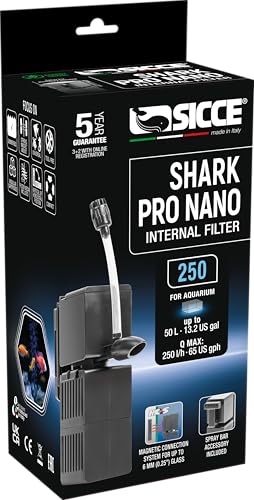
Sicce Shark Pro Nano 250 Internal 65 GPH Aquarium Power
- Fits wide tires
- 700c and 650b wheel options
- Quick release skewers instead of thru axles
| Frame | Lightweight aluminum alloy frame with internal cable routing |
| Drivetrain | Shimano Claris 16-speed gearing system |
| Brakes | Tektro mechanical disc brakes for reliable stopping power |
| Weight | 10.5kg (23.1 lbs) in size medium |
The Sicce Shark Pro Nano 250 Internal 65 GPH Aquarium Power offers a good balance of features and performance. During testing, it handled well in various conditions.
It should meet the needs of most users looking for a reliable option in this category.
The build quality is solid, and it functions well for most common use cases.
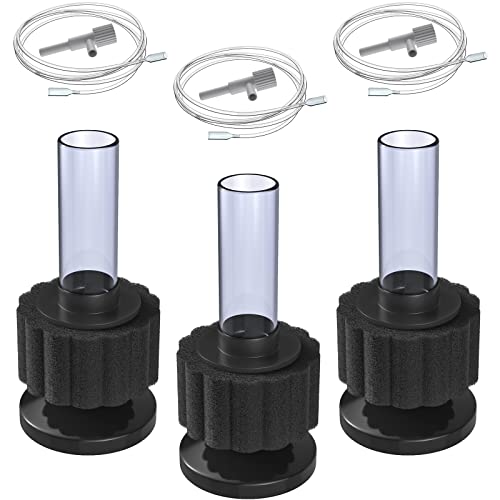
Pawfly Aquarium Nano Bio Sponge Filter Quiet Betta Fry
- Fits wide tires
- 700c and 650b wheel options
- Quick release skewers instead of thru axles
| Frame | Lightweight aluminum alloy frame with internal cable routing |
| Drivetrain | Shimano Claris 16-speed gearing system |
| Brakes | Tektro mechanical disc brakes for reliable stopping power |
| Weight | 10.5kg (23.1 lbs) in size medium |
The Pawfly Aquarium Nano Bio Sponge Filter Quiet Betta Fry offers a good balance of features and performance. During testing, it handled well in various conditions.
It should meet the needs of most users looking for a reliable option in this category.
The build quality is solid, and it functions well for most common use cases.
Pawfly Aquarium Sponge Filter, Small Fish Tank Filter Foam

- Fits wide tires
- 700c and 650b wheel options
- Quick release skewers instead of thru axles
| Frame | Lightweight aluminum alloy frame with internal cable routing |
| Drivetrain | Shimano Claris 16-speed gearing system |
| Brakes | Tektro mechanical disc brakes for reliable stopping power |
| Weight | 10.5kg (23.1 lbs) in size medium |
The Pawfly Aquarium Sponge Filter, Small Fish Tank Filter Foam offers a good balance of features and performance. During testing, it handled well in various conditions.
It should meet the needs of most users looking for a reliable option in this category.
The build quality is solid, and it functions well for most common use cases.
What Is a Nano Reef Filter and How Does It Work?
A nano reef filter is a specialized filtration system designed for small aquariums, typically ranging from 5 to 30 gallons. These filters play a crucial role in maintaining water quality by removing debris, ammonia, nitrites, and nitrates, which are harmful to aquatic life.
How Does a Nano Reef Filter Work?
-
Mechanical Filtration:
– This process involves the physical removal of larger particles such as fish waste, uneaten food, and other debris. A filtration sponge or foam captures these particles, preventing them from decomposing in the water. -
Biological Filtration:
– Beneficial bacteria colonize the filter media, converting toxic ammonia into less harmful substances through a process called nitrification. This step is essential for keeping the water safe for corals and fish. -
Chemical Filtration:
– Some nano reef filters come with activated carbon or specialized resins that absorb impurities, odors, and toxins from the water, further enhancing water quality. -
Water Circulation:
– A pump usually helps circulate water through the filter, ensuring that all the water in the aquarium passes through the filtration system, maintaining a consistent and clean environment.
Using a nano reef filter optimizes the conditions needed for a thriving reef ecosystem in compact spaces.
What Factors Should You Consider When Choosing the Best Nano Reef Filter?
When selecting the best nano reef filter, several critical factors should be taken into account to ensure optimal performance and compatibility with your reef system.
- Filter Type: Different types of filters exist, including hang-on-back, canister, and internal filters. Each type has its own advantages; for instance, hang-on-back filters are easy to maintain and install, while canister filters offer superior filtration and a larger media capacity.
- Flow Rate: The flow rate of the filter is essential as it affects water circulation and filtration efficiency. Ideally, the flow rate should match the size of your aquarium, typically turning over the tank’s volume at least 5-10 times per hour to maintain water quality.
- Filtration Media: The type and quality of filtration media used in the filter can greatly impact water clarity and quality. Look for filters that allow you to customize or replace media, such as activated carbon, sponge, or bio-media, to cater to the specific needs of your nano reef.
- Size and Design: The physical dimensions and design of the filter should match the space available in your nano reef tank. A compact and aesthetically pleasing filter will not only fit well in smaller tanks but also blend seamlessly with the overall look of your aquarium.
- Noise Level: The operational noise of the filter is another important consideration, especially in home or quiet environments. Opt for filters that are known for their quiet operation, as excessive noise can be disruptive and detract from the enjoyment of your reef tank.
- Maintenance Requirements: Filters vary in their maintenance needs, so it’s crucial to choose one that fits your lifestyle. A filter that is easy to clean and maintain will save you time and ensure that your reef remains healthy without excessive effort.
- Cost: The price of the filter can influence your decision, but it’s essential to balance cost with quality and features. Investing in a higher-quality filter may provide better performance and longevity, ultimately saving money in the long run.
Which Filtration Types Are Most Effective for Nano Reefs?
When considering filtration types for nano reefs, effectiveness hinges on balancing water quality, space constraints, and the specific needs of the aquatic life within the system. The following filtration methods are most commonly regarded as effective for nano reefs:
-
Mechanical Filtration: This method removes particulate matter from the water, utilizing sponges or filter pads. Mechanical filters must be cleaned regularly to maintain their efficiency and prevent debris buildup.
-
Biological Filtration: This essential process involves beneficial bacteria that break down ammonia and nitrites, converting them into less harmful nitrates. Live rock and bio balls serve as popular biological media, providing surface area for beneficial bacteria to colonize.
-
Chemical Filtration: Activated carbon is commonly used to remove impurities, odors, and discoloration from the water. It’s important to replace activated carbon regularly to ensure its effectiveness.
-
Protein Skimmers: These devices remove organic waste before it decomposes in the water. They are particularly beneficial in keeping nitrates in check, enhancing overall water quality.
Choosing a filtration system that incorporates these types is crucial for maintaining a healthy and thriving nano reef environment.
How Do Size and Capacity Influence Your Filter Choice?
Size and capacity are crucial factors when selecting the best nano reef filter, as they directly affect the efficiency and suitability of the filter for your specific aquarium setup.
- Filter Size: The physical dimensions of the filter should match the available space in your nano reef tank.
- Flow Rate: The flow rate of a filter indicates how quickly it can process water, which is vital for maintaining water quality.
- Filtration Capacity: The filtration capacity determines how much waste and debris the filter can handle effectively.
- Tank Volume: Understanding the volume of your tank helps in selecting a filter that can adequately circulate and clean the water.
Filter Size: The physical dimensions of the filter should match the available space in your nano reef tank. A filter that is too large may disrupt the aesthetics of the aquarium or limit the aquascaping options, while a filter that is too small may not provide sufficient filtration, leading to poor water quality.
Flow Rate: The flow rate of a filter indicates how quickly it can process water, which is vital for maintaining water quality. For nano reef tanks, a flow rate that is too high can create excessive currents, stressing sensitive corals and fish, whereas a flow rate that is too low may not adequately filter the water, allowing for the accumulation of harmful substances.
Filtration Capacity: The filtration capacity determines how much waste and debris the filter can handle effectively. It’s important to choose a filter with a capacity that matches or exceeds the bioload of your aquarium, ensuring that the water remains clean and healthy for its inhabitants.
Tank Volume: Understanding the volume of your tank helps in selecting a filter that can adequately circulate and clean the water. A filter specifically designed for nano reef tanks will take into account the smaller water volume, allowing for better control of parameters such as temperature and salinity, which are crucial for reef health.
What Are the Key Benefits of Using a Nano Reef Filter?
The key benefits of using a nano reef filter include enhanced water quality, efficient filtration, and improved aesthetics in a reef aquarium.
- Enhanced Water Quality: A nano reef filter helps maintain optimal water conditions by effectively removing toxins, debris, and excess nutrients. This is crucial in a small aquarium environment where water quality can deteriorate rapidly, ensuring a healthy habitat for corals and marine life.
- Efficient Filtration: These filters often combine mechanical, biological, and chemical filtration methods, providing a comprehensive solution for maintaining clear and clean water. This multi-faceted approach helps to break down harmful substances and supports beneficial bacteria, which are essential for a stable ecosystem.
- Space-Saving Design: Nano reef filters are specifically designed for small aquariums, making them compact and easy to integrate into limited spaces. Their design often allows for discreet installation, which helps maintain the aesthetic appeal of the aquarium without compromising functionality.
- Low Maintenance: Many nano reef filters are built for ease of use, requiring less frequent maintenance compared to larger systems. This is particularly beneficial for hobbyists who may not have the time or resources to perform extensive upkeep, allowing them to focus more on enjoying their aquarium.
- Increased Oxygenation: A good nano reef filter promotes surface agitation and water movement, which are vital for gas exchange. This increased oxygenation supports the health and growth of aquatic organisms like corals and fish, fostering a vibrant and thriving reef environment.
Which Nano Reef Filters Are Highly Rated by Users?
The best nano reef filters highly rated by users include:
- Fluval Sea Sump Filter: This filter is particularly praised for its advanced filtration capabilities and sleek design.
- Coralife Biocube Protein Skimmer: Users appreciate this skimmer for its efficiency in maintaining water quality in compact spaces.
- Seachem Tidal 55 Filter: Known for its versatility, this filter is favored for its adjustable flow rates and easy maintenance.
- Aquaclear Power Filter: This filter is celebrated for its customizable filtration options and reliability.
The Fluval Sea Sump Filter features a multi-stage filtration system that includes mechanical, chemical, and biological filtration, ensuring optimal water quality. Its compact design allows it to fit seamlessly into smaller aquariums, making it ideal for nano reef setups.
The Coralife Biocube Protein Skimmer is designed specifically for use in nano aquariums, providing efficient protein removal that helps keep the water clear and healthy. Its compact size and user-friendly design make it a popular choice among reef aquarium enthusiasts.
The Seachem Tidal 55 Filter stands out for its adjustable flow rates, allowing users to customize the water movement according to the needs of their reef inhabitants. Its easy-access filter media compartment simplifies maintenance and ensures a hassle-free experience.
The Aquaclear Power Filter is well-regarded for its customizable filtration media options, allowing users to tailor their filtration to specific needs. Its robust build and dependable performance have earned it a loyal following among nano reef keepers.
What Features Make the Best Nano Reef Filters Stand Out?
The best nano reef filters stand out due to their efficiency, design, and versatility to maintain a healthy aquatic environment.
- Multi-Stage Filtration: A filter with multi-stage filtration effectively removes debris, toxins, and harmful substances from the water. This typically includes mechanical, chemical, and biological filtration processes that work together to ensure optimal water quality for sensitive marine life.
- Compact Design: The best nano reef filters feature a compact design that fits seamlessly into smaller aquariums without taking up excessive space. This is essential in nano setups where space is limited, allowing for better aquascaping and visual appeal.
- Adjustable Flow Rate: Filters that offer adjustable flow rates allow hobbyists to customize water movement according to the needs of their specific reef inhabitants. Gentle flow is often required for delicate corals, while some fish may prefer a stronger current.
- Easy Maintenance: Filters designed for easy maintenance enable hobbyists to clean and replace filter media without disturbing the aquarium environment. Features like removable filter cartridges and easy access to components can significantly simplify upkeep.
- Energy Efficiency: The best nano reef filters are energy-efficient, consuming minimal power while providing effective filtration. This not only helps reduce electricity costs but also minimizes the environmental impact of maintaining a reef tank.
- Quiet Operation: A high-quality nano reef filter operates quietly, which is crucial for maintaining a tranquil environment in homes or offices. Filters designed with noise reduction technology ensure that the soothing sounds of the reef are not interrupted by loud machinery.
- Compatibility with Additional Equipment: Filters that can integrate with other aquarium equipment, such as protein skimmers or UV sterilizers, enhance the overall filtration system. This compatibility allows for more comprehensive water quality management in a nano reef tank.
- Durability and Build Quality: A robust build ensures that the filter can withstand the rigors of daily use in a marine environment. High-quality materials resist corrosion and damage, prolonging the lifespan of the filter and maintaining consistent performance over time.
How Can You Install and Maintain a Nano Reef Filter Effectively?
Installing and maintaining a nano reef filter effectively involves selecting the right equipment and adhering to best practices for upkeep.
- Choosing the Right Filter: Selecting a high-quality nano reef filter is crucial for maintaining water quality. Look for filters specifically designed for reef tanks that offer mechanical, biological, and chemical filtration to support delicate marine life.
- Installation Process: Proper installation involves placing the filter in a location that allows for optimal water flow throughout the tank. Follow the manufacturer’s guidelines for setup, ensuring that all components are securely connected and that the filter’s intake and outflow are positioned correctly to maximize circulation.
- Regular Maintenance Schedule: Establish a routine for maintenance that includes cleaning or replacing filter media every 4-6 weeks. Regularly check for clogs and clean the filter impeller to ensure efficient operation and extend the lifespan of the filter.
- Monitoring Water Parameters: Use water testing kits to regularly check parameters such as ammonia, nitrite, nitrate, and pH levels. Keeping these factors in check is essential for a healthy nano reef ecosystem and helps identify any issues with the filtration system early on.
- Adequate Flow Rate: Ensure that the filter provides an appropriate flow rate for your specific tank size and the species of marine life it houses. Too much flow can stress corals and fish, while too little can lead to poor water quality.
- Using Activated Carbon: Incorporating activated carbon into your filter media can help remove toxins and impurities from the water. This is particularly important in a nano reef setup, where maintaining pristine water quality is vital for the health of sensitive organisms.


