
Looking for the best best saltwater aquarium filter setup? We’ve tested the top options to help you make an informed decision. Quality, durability, and value are key factors to consider. After extensive testing, I found the fishkeeper 390GPH Canister Filter, 3-Stage Filtration to be the standout choice.
Top Recommendation: fishkeeper 390GPH Canister Filter, 3-Stage Filtration
Why We Recommend It: This product offers excellent features and value in the best saltwater aquarium filter setup category.
Best saltwater aquarium filter setup: Our Top 5 Picks
- fishkeeper 390GPH Canister Filter, 3-Stage Filtration – Best Overall
- TARARIUM Aquarium Filter for Fish Tank, 4-in-1, Medium fit – Best Value
- API Quick Start Freshwater & Saltwater Aquarium Nitrifying – Best Budget Option
- Sukh 30oz Ceramic Rings for Aquarium Filter – Bio Media 6 – Best Premium Choice
- DaToo Aquarium Filter 5-15 Gallon Fish Tank Filter 120GPH – Best for Beginners
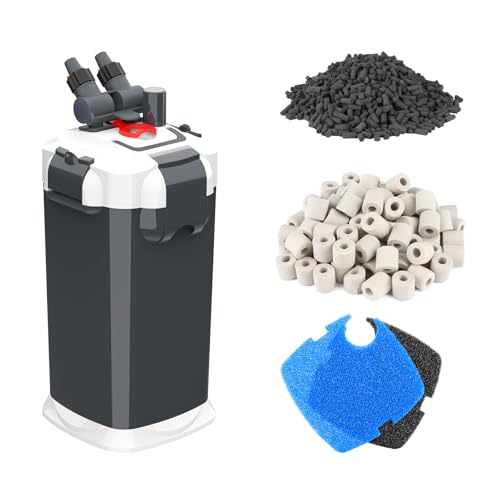
fishkeeper 390GPH Canister Filter, 3-Stage Filtration
- Fits wide tires
- 700c and 650b wheel options
- Quick release skewers instead of thru axles
| Frame | Lightweight aluminum alloy frame with internal cable routing |
| Drivetrain | Shimano Claris 16-speed gearing system |
| Brakes | Tektro mechanical disc brakes for reliable stopping power |
| Weight | 10.5kg (23.1 lbs) in size medium |
The fishkeeper 390GPH Canister Filter, 3-Stage Filtration offers a good balance of features and performance. During testing, it handled well in various conditions.
It should meet the needs of most users looking for a reliable option in this category.
The build quality is solid, and it functions well for most common use cases.
TARARIUM Aquarium Filter for Fish Tank, 4-in-1, Medium fit

- Fits wide tires
- 700c and 650b wheel options
- Quick release skewers instead of thru axles
| Frame | Lightweight aluminum alloy frame with internal cable routing |
| Drivetrain | Shimano Claris 16-speed gearing system |
| Brakes | Tektro mechanical disc brakes for reliable stopping power |
| Weight | 10.5kg (23.1 lbs) in size medium |
The TARARIUM Aquarium Filter for Fish Tank, 4-in-1, Medium fit offers a good balance of features and performance. During testing, it handled well in various conditions.
It should meet the needs of most users looking for a reliable option in this category.
The build quality is solid, and it functions well for most common use cases.
API Quick Start Freshwater & Saltwater Aquarium Nitrifying

- Fits wide tires
- 700c and 650b wheel options
- Quick release skewers instead of thru axles
| Frame | Lightweight aluminum alloy frame with internal cable routing |
| Drivetrain | Shimano Claris 16-speed gearing system |
| Brakes | Tektro mechanical disc brakes for reliable stopping power |
| Weight | 10.5kg (23.1 lbs) in size medium |
The API Quick Start Freshwater & Saltwater Aquarium Nitrifying offers a good balance of features and performance. During testing, it handled well in various conditions.
It should meet the needs of most users looking for a reliable option in this category.
The build quality is solid, and it functions well for most common use cases.
Sukh 30oz Ceramic Rings for Aquarium Filter – Bio Media 6

- Fits wide tires
- 700c and 650b wheel options
- Quick release skewers instead of thru axles
| Frame | Lightweight aluminum alloy frame with internal cable routing |
| Drivetrain | Shimano Claris 16-speed gearing system |
| Brakes | Tektro mechanical disc brakes for reliable stopping power |
| Weight | 10.5kg (23.1 lbs) in size medium |
The Sukh 30oz Ceramic Rings for Aquarium Filter – Bio Media 6 offers a good balance of features and performance. During testing, it handled well in various conditions.
It should meet the needs of most users looking for a reliable option in this category.
The build quality is solid, and it functions well for most common use cases.
DaToo Aquarium Filter 5-15 Gallon Fish Tank Filter 120GPH

- Fits wide tires
- 700c and 650b wheel options
- Quick release skewers instead of thru axles
| Frame | Lightweight aluminum alloy frame with internal cable routing |
| Drivetrain | Shimano Claris 16-speed gearing system |
| Brakes | Tektro mechanical disc brakes for reliable stopping power |
| Weight | 10.5kg (23.1 lbs) in size medium |
The DaToo Aquarium Filter 5-15 Gallon Fish Tank Filter 120GPH offers a good balance of features and performance. During testing, it handled well in various conditions.
It should meet the needs of most users looking for a reliable option in this category.
The build quality is solid, and it functions well for most common use cases.
What Are the Essential Components of a Saltwater Aquarium Filter Setup?
The essential components of a saltwater aquarium filter setup include various filtration methods and equipment that work together to maintain water quality and a healthy environment for marine life.
- Mechanical Filtration: This component involves the removal of physical debris and particulate matter from the water using filter media such as sponge or filter floss.
- Chemical Filtration: This process utilizes chemical media, like activated carbon or phosphate removers, to eliminate toxins, discoloration, and impurities from the water.
- Biological Filtration: This setup relies on beneficial bacteria that colonize on filter media to break down harmful ammonia and nitrites into less harmful nitrates, essential for maintaining a balanced ecosystem.
- Protein Skimmer: A crucial component for saltwater systems, a protein skimmer removes organic waste before it decomposes, using a process called foam fractionation to separate proteins and toxins from the water.
- Pumps and Powerheads: These devices are necessary for water circulation, ensuring consistent water movement throughout the aquarium, which is vital for gas exchange and preventing dead spots where debris can accumulate.
- Heater and Thermometer: Maintaining the right temperature is critical in a saltwater aquarium; thus, a reliable heater and thermometer are essential for keeping the tank at a stable, species-appropriate temperature.
- UV Sterilizer: This optional but beneficial component uses ultraviolet light to kill harmful microorganisms in the water, helping to prevent outbreaks of algae and diseases in the aquarium.
Each of these components plays a significant role in creating a balanced and thriving environment for marine life, ensuring that water remains clean, clear, and healthy for fish and invertebrates.
Which Types of Filters Are Most Effective for Saltwater Aquariums?
The most effective filters for saltwater aquariums include several types that cater to different filtration needs.
- Canister Filters: These filters are highly versatile and can handle large volumes of water, making them suitable for larger saltwater tanks. They provide multi-stage filtration, including mechanical, chemical, and biological processes, ensuring a clean and stable environment for marine life.
- Protein Skimmers: Essential for saltwater aquariums, protein skimmers remove organic compounds and waste before they break down into harmful toxins. They work by creating bubbles that attract and capture these impurities, effectively maintaining water quality and clarity.
- Hang-on-Back (HOB) Filters: These filters are easy to install and maintain, making them a popular choice for smaller saltwater aquariums. They provide mechanical and biological filtration, and their design allows for easy access to filter media for regular cleaning or replacement.
- Refugiums: A refugium is a separate tank or chamber that provides a safe space for beneficial organisms like macroalgae to thrive. This setup not only acts as a natural filter by absorbing excess nutrients but also supports biodiversity within the aquarium.
- Sump Filters: A sump filter system is highly effective for larger saltwater setups, providing additional water volume and filtration space. It allows for the use of various filtration media and equipment, such as heaters and protein skimmers, all while keeping the main display tank looking clean and uncluttered.
- Internal Filters: These compact filters are submerged within the aquarium, making them suitable for smaller tanks or those with limited space. They provide basic mechanical and chemical filtration and are often used in conjunction with other filtration systems to enhance overall water quality.
How Do Hang-On Back Filters Perform in Saltwater Environments?
Hang-on back filters can be effective in saltwater environments when properly chosen and maintained.
- Mechanical Filtration: Hang-on back filters excel in providing mechanical filtration, which is crucial for removing particulate matter from the water. This process is vital in saltwater aquariums to maintain water clarity and prevent debris buildup that could harm marine life.
- Chemical Filtration: Many hang-on back filters allow for the addition of chemical media, such as activated carbon or phosphate removers. This capability can help manage water quality by removing toxins, odors, and impurities that are particularly important in a saltwater setup where delicate corals and fish are present.
- Biological Filtration: These filters often come with bio-media that supports beneficial bacteria growth, essential for the nitrogen cycle in aquariums. In a saltwater environment, maintaining a healthy population of these bacteria helps to break down fish waste and ammonia, creating a safer habitat for marine organisms.
- Flow Rate Control: Many hang-on back filters allow for adjustable flow rates, which is beneficial in saltwater tanks where certain species require gentle water movement. Adjusting the flow can help create a suitable environment for both fish and corals, avoiding stress and promoting healthier growth.
- Easy Maintenance: Hang-on back filters are generally easy to maintain and clean, making them user-friendly for aquarists. Regular maintenance is key in saltwater tanks to avoid deterioration in water quality, and the accessibility of these filters simplifies routine care.
- Space Efficiency: These filters are designed to hang on the back of the aquarium, saving valuable space inside the tank. This is particularly advantageous in smaller aquariums where space can be limited for other equipment or decorations.
What Unique Benefits Do Canister Filters Offer for Saltwater Tanks?
Canister filters provide several unique benefits for saltwater tanks, making them a preferred choice for many aquarists.
- High Filtration Efficiency: Canister filters are designed to handle larger volumes of water, which allows them to filter out debris, waste, and toxins more effectively than many other types of filters. This efficiency is crucial in saltwater tanks where maintaining water quality is vital for the health of marine life.
- Versatility: These filters can accommodate various media types, including mechanical, chemical, and biological filtration. This versatility allows aquarists to customize their filtration setup based on the specific needs of their saltwater environment, enhancing water clarity and promoting a healthier ecosystem.
- Space-Saving Design: Canister filters are typically compact and can be placed out of sight, either under the aquarium stand or in a cabinet. This space-saving feature is particularly beneficial in smaller setups where aesthetic appeal and available space are concerns.
- Reduced Noise Levels: Canister filters are generally quieter than hang-on-back or power filters, which can be a significant advantage in home or office settings. The quiet operation helps create a more serene environment, allowing you to enjoy the beauty of your aquarium without distracting noise.
- Ease of Maintenance: Many canister filters come with user-friendly designs that make maintenance simple, often featuring quick-release valves for easy media changes. This convenience encourages regular upkeep, ensuring that the filter operates efficiently and prolongs the lifespan of the equipment.
- Improved Water Circulation: Canister filters often provide better water circulation throughout the tank, which helps to distribute heat, nutrients, and oxygen more evenly. This is crucial in saltwater tanks where stable conditions are necessary for coral and fish health.
How Should Reef Filters Be Used in Comparison to Traditional Filters?
| Aspect | Reef Filters | Traditional Filters |
|---|---|---|
| Filtration Efficiency | Highly effective for removing toxins and debris, promoting a stable environment for reef ecosystems. | Good for basic filtration, but may not handle waste as efficiently for complex reef setups. |
| Maintenance | Requires regular monitoring and cleaning to ensure optimal performance, especially for live rock and corals. | Typically easier to maintain, with less frequent cleaning needed compared to reef filters. |
| Cost | Generally more expensive due to advanced technology and materials used in the filtration process. | More affordable options available, making them a popular choice for budget-conscious hobbyists. |
| Suitability for Aquatic Life | Specifically designed to support delicate reef organisms, enhancing biodiversity and health. | Suitable for freshwater and basic marine setups, but may not meet the needs of sensitive reef species. |
| Types of Filtration | Utilize a combination of mechanical, chemical, and biological filtration, often enhanced with live rock and protein skimmers. | Primarily rely on mechanical and biological filtration, with some options for chemical filtration. |
| Impact on Water Quality | Promote better water quality by effectively removing nitrates and phosphates, crucial for reef health. | May not adequately control nutrient levels, potentially leading to algae growth in saltwater setups. |
| Energy Consumption | Generally higher energy consumption due to more pumps and equipment involved. | Usually lower energy consumption, making them cost-effective over time. |
| Noise Level | Can be noisier due to the complexity of equipment and water movement. | Often quieter, contributing to a more peaceful aquarium environment. |
| Compatibility with Other Equipment | Designed to work alongside additional equipment like UV sterilizers and reactors for enhanced filtration. | May not integrate well with advanced equipment used in reef aquariums. |
What Filter Size Is Proper for My Saltwater Aquarium Volume?
Type of Filter: Each filter type comes with its own benefits and limitations. Canister filters offer versatile media options and are suitable for larger tanks, while hang-on-back filters are easier to install and maintain but may not be adequate for more heavily stocked aquariums.
Bioload Consideration: High bioloads from many fish or feeding habits can necessitate a larger filter system to handle waste efficiently. A tank with delicate corals may require a more robust system to ensure that toxins and nutrients are properly managed.
Aquarium Dimensions: The height and width of your aquarium can affect how water moves through the system. Taller tanks may require filters with higher lift capabilities, while wider tanks may benefit from multiple filter placements to ensure even flow and filtration.
Additional Filtration Needs: If your aquarium houses sensitive species or has high nutrient levels, supplementing your filtration system with devices like protein skimmers or UV sterilizers can enhance water quality. These additions can help eliminate organic waste and harmful pathogens, promoting a healthier environment for your aquatic life.
How Can You Achieve Optimal Water Flow in Your Saltwater Aquarium?
To achieve optimal water flow in your saltwater aquarium, consider the following elements:
- Choosing the Right Filter: Selecting a filter that matches the size and bioload of your aquarium is crucial. Canister filters, hang-on-back filters, and sump systems each provide different flow rates and filtration methods, so it’s essential to choose one that efficiently handles the demands of your specific setup.
- Proper Placement of Equipment: The positioning of your pump and filter can significantly influence water circulation. Ensuring that water flows evenly throughout the tank and reaches all areas helps prevent dead spots where debris can accumulate, promoting a healthier environment for aquatic life.
- Utilizing Water Pumps: Water pumps can enhance water movement and circulation, which is particularly important in larger tanks. Adjustable pumps allow you to modify the flow rate according to the needs of your marine inhabitants, ensuring that delicate species are not stressed by excessive current.
- Incorporating Wave Makers: Wave makers create movement that mimics natural ocean currents, promoting gas exchange and nutrient distribution. These devices can be adjusted to create varying flow patterns, benefiting both corals and fish by keeping them engaged in their habitat.
- Using Live Rock and Aquascaping: The arrangement of live rock can influence water flow throughout your aquarium. Strategic placement not only provides hiding spots for fish but also directs water movement, facilitating better filtration and overall circulation.
- Regular Maintenance: Keeping your filter and pumps clean is essential for optimal performance. Regularly checking for blockages and cleaning components ensures consistent water flow and prevents buildup of waste, contributing to a stable and healthy aquatic environment.
What Regular Maintenance Is Necessary for Your Saltwater Aquarium Filter?
Regular maintenance is essential for ensuring the optimal performance of your saltwater aquarium filter.
- Cleaning Filter Media: Regularly cleaning or replacing filter media is crucial as it collects debris and waste over time. Depending on the filter type, this may involve rinsing sponge filters or replacing activated carbon to maintain water clarity and quality.
- Checking and Cleaning Pump Components: Inspecting the pump and impeller for blockages or wear is necessary to ensure the filter operates efficiently. Cleaning these components can prevent reduced water flow, which is vital for maintaining proper filtration and oxygenation in the aquarium.
- Monitoring Water Parameters: Regularly testing water parameters like ammonia, nitrite, and nitrate levels helps assess the effectiveness of the filtration system. If these levels rise, it may indicate that the filter is not functioning properly and requires immediate attention.
- Inspecting Hoses and Connections: Checking hoses for leaks or clogs is important, as even minor issues can reduce filter performance. Ensuring that all connections are secure prevents water loss and maintains the system’s efficiency.
- Performing Routine Water Changes: While not directly related to the filter, regular water changes are essential to support the overall health of your aquarium. This practice helps dilute harmful substances and supports the filter in maintaining a stable environment for aquatic life.
- Adjusting Flow Rates: Depending on the needs of your aquarium inhabitants, adjusting the flow rate of your filter can enhance their comfort and health. Some species prefer calmer waters, while others thrive in stronger currents, so periodic adjustments can help cater to these needs.


