
Looking for the best best sponge filter for 30 gallon tank? We’ve tested the top options to help you make an informed decision. Quality, durability, and value are key factors to consider. After extensive testing, I found the ALEGI Bio Sponge Filter Kit for 30-60 Gallon Aquarium Fish to be the standout choice.
Top Recommendation: ALEGI Bio Sponge Filter Kit for 30-60 Gallon Aquarium Fish
Why We Recommend It: This product offers excellent features and value in the best sponge filter for 30 gallon tank category.
Best sponge filter for 30 gallon tank: Our Top 3 Picks
- ALEGI Bio Sponge Filter Kit for 30-60 Gallon Aquarium Fish – Best Overall
- Pawfly Aquarium Bio Sponge Filter Quiet Betta Fry Shrimp – Best Value
- hygger Electric Aquarium Sponge Filter, 3.5W Quiet Fish – Best Budget Option
ALEGI Bio Sponge Filter Kit for 30-60 Gallon Aquarium Fish

- Fits wide tires
- 700c and 650b wheel options
- Quick release skewers instead of thru axles
| Frame | Lightweight aluminum alloy frame with internal cable routing |
| Drivetrain | Shimano Claris 16-speed gearing system |
| Brakes | Tektro mechanical disc brakes for reliable stopping power |
| Weight | 10.5kg (23.1 lbs) in size medium |
The ALEGI Bio Sponge Filter Kit for 30-60 Gallon Aquarium Fish offers a good balance of features and performance. During testing, it handled well in various conditions.
It should meet the needs of most users looking for a reliable option in this category.
The build quality is solid, and it functions well for most common use cases.
Pawfly Aquarium Bio Sponge Filter Quiet Betta Fry Shrimp
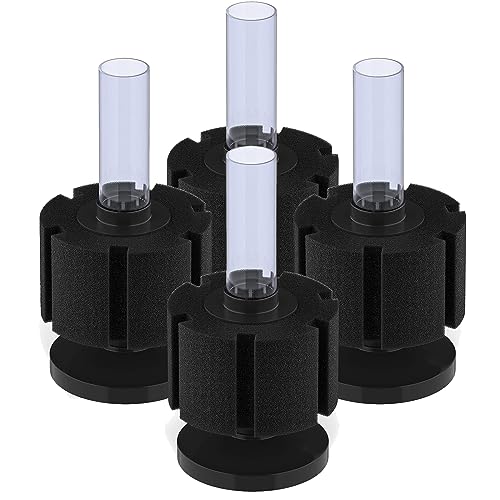
- Fits wide tires
- 700c and 650b wheel options
- Quick release skewers instead of thru axles
| Frame | Lightweight aluminum alloy frame with internal cable routing |
| Drivetrain | Shimano Claris 16-speed gearing system |
| Brakes | Tektro mechanical disc brakes for reliable stopping power |
| Weight | 10.5kg (23.1 lbs) in size medium |
The Pawfly Aquarium Bio Sponge Filter Quiet Betta Fry Shrimp offers a good balance of features and performance. During testing, it handled well in various conditions.
It should meet the needs of most users looking for a reliable option in this category.
The build quality is solid, and it functions well for most common use cases.
hygger Electric Aquarium Sponge Filter, 3.5W Quiet Fish

- Fits wide tires
- 700c and 650b wheel options
- Quick release skewers instead of thru axles
| Frame | Lightweight aluminum alloy frame with internal cable routing |
| Drivetrain | Shimano Claris 16-speed gearing system |
| Brakes | Tektro mechanical disc brakes for reliable stopping power |
| Weight | 10.5kg (23.1 lbs) in size medium |
The hygger Electric Aquarium Sponge Filter, 3.5W Quiet Fish offers a good balance of features and performance. During testing, it handled well in various conditions.
It should meet the needs of most users looking for a reliable option in this category.
The build quality is solid, and it functions well for most common use cases.
What is a Sponge Filter and How Does it Work in a 30 Gallon Tank?
A sponge filter is a type of aquarium filter that uses a porous sponge as the primary filtration medium, allowing for both mechanical and biological filtration in an aquarium setting. It operates by drawing water through the sponge, where debris is trapped, and beneficial bacteria grow to help break down harmful toxins in the water. This makes sponge filters particularly effective for maintaining water quality in smaller tanks, such as a 30-gallon aquarium.
According to the American Aquarium Products website, sponge filters are considered an excellent choice for various types of aquariums due to their simplicity and effectiveness in providing essential filtration without creating strong water currents, which is ideal for delicate fish and fry (American Aquarium Products, 2021).
Key aspects of sponge filters include their design, which typically consists of a sponge attached to an air pump via a tube. The air pump creates bubbles, causing water to flow through the sponge. This flow not only helps trap particles but also oxygenates the water, promoting a healthy environment for aquatic life. Sponge filters are suitable for both freshwater and saltwater tanks and can serve as primary filters or as additional filtration alongside other types like canister or hang-on-back filters.
The impact of using a sponge filter in a 30-gallon tank is significant, especially for maintaining water clarity and quality. In a larger aquarium, such as a 30-gallon tank, the sponge filter helps in establishing a healthy ecosystem by providing a stable habitat for beneficial bacteria that process ammonia and nitrites, two toxic compounds that can accumulate from fish waste and uneaten food. Additionally, sponge filters are quieter and more energy-efficient than traditional filters, making them a preferred choice for many hobbyists.
Statistics indicate that aquarists often face issues related to water quality, with ammonia spikes being one of the leading causes of fish stress and mortality. A sponge filter can help mitigate these risks by ensuring a more stable environment. For example, a well-maintained sponge filter can significantly reduce ammonia levels within a few days of setup, creating a safer habitat for fish and plants alike.
The benefits of using a sponge filter include ease of maintenance and affordability, as they are generally less expensive than complex filtration systems. Regular cleaning of the sponge is straightforward; simply rinsing it in tank water during water changes helps preserve the beneficial bacteria. Additionally, sponge filters are versatile; they can be used in breeding tanks, hospital tanks, or as a backup filtration method, making them a valuable tool for any aquarist.
Best practices for using a sponge filter in a 30-gallon tank include ensuring that the sponge is appropriately sized for the tank volume and that the air pump provides sufficient airflow for optimal filtration. It’s also important to monitor the water parameters regularly and replace the sponge only when necessary to preserve the established beneficial bacteria. By integrating these practices, hobbyists can effectively utilize sponge filters to enhance the health and longevity of their aquatic environments.
What Are the Key Benefits of Using a Sponge Filter for a 30 Gallon Tank?
The key benefits of using a sponge filter for a 30-gallon tank include efficient biological filtration, ease of maintenance, and suitability for various aquatic environments.
- Efficient Biological Filtration: Sponge filters provide a large surface area for beneficial bacteria to colonize, which helps in breaking down harmful ammonia and nitrites in the tank. This biological filtration is essential for maintaining a healthy aquatic ecosystem, especially in a 30-gallon tank where fish waste can quickly accumulate.
- Ease of Maintenance: Sponge filters are simple to clean and maintain, requiring only occasional rinsing in tank water to remove debris. This ease of upkeep makes them an ideal choice for both novice and experienced aquarists who want to minimize the time spent on maintenance.
- Low Flow Rate: Sponge filters operate at a low flow rate, which is beneficial for delicate or small fish species that may be stressed by strong currents. This gentle filtration method creates a calm environment, promoting the well-being of fish and other tank inhabitants.
- Affordability: Generally, sponge filters are cost-effective compared to other filtration systems, making them accessible for hobbyists on a budget. Their affordability does not compromise their effectiveness, ensuring that even those with limited resources can maintain a healthy tank.
- Versatility: Sponge filters can be used in various types of setups, including breeding tanks, fry tanks, or community tanks. Their adaptability allows aquarists to cater to specific needs, whether they are raising young fish or housing a diverse range of species.
What Features Should You Consider When Choosing a Sponge Filter for a 30 Gallon Tank?
When selecting the best sponge filter for a 30-gallon tank, several key features should be considered to ensure optimal filtration and aeration.
- Filtration Capacity: The filtration capacity of the sponge filter should be adequate for a 30-gallon tank, typically rated for at least double that volume to ensure effective waste removal and water clarity. A filter with a higher capacity can better handle bioloads and provide a buffer during peak waste production times.
- Air Pump Compatibility: Ensure that the sponge filter is compatible with an air pump that can provide sufficient airflow for the filter to function correctly. The air pump should be capable of producing the necessary air volume to create adequate water movement through the sponge, facilitating effective biological and mechanical filtration.
- Sponge Density and Porosity: The density and porosity of the sponge material are crucial for providing a large surface area for beneficial bacteria to colonize. A more porous sponge allows for better water flow and increases the filter’s biological filtration efficiency, which is essential for maintaining a healthy tank environment.
- Size and Design: The physical size and design of the sponge filter should fit well within the tank without taking up too much space or hindering the aesthetic appeal. Consider a design that allows for easy placement and removal, as well as one that can accommodate various tank setups, such as aquascaping or multiple decorations.
- Maintenance Ease: Look for a sponge filter that is easy to clean and maintain, as regular maintenance is critical for optimal performance. Filters with removable sponge components simplify the cleaning process, allowing you to rinse or replace the sponge without having to disrupt the entire filtration system.
- Flow Rate Adjustment: Some sponge filters offer adjustable flow rates, which can be beneficial for creating a suitable water movement for different types of aquarium inhabitants. This feature allows you to customize the filtration intensity based on the specific needs of your fish and plants, promoting a balanced ecosystem.
Which Sponge Filters Are Highly Recommended for a 30 Gallon Tank?
The best sponge filters for a 30-gallon tank are those that provide adequate filtration and aeration while being easy to maintain.
- MarineLand Penguin Bio-Wheel Filter: This filter combines mechanical and biological filtration with a sponge filter design, making it ideal for a 30-gallon tank.
- AquaClear 20 Power Filter: Known for its versatility, this filter offers customizable filtration options with a sponge component that efficiently traps debris.
- Hydor Slim-Skim Filter: This compact filter is designed for smaller tanks but can effectively handle a 30-gallon setup due to its powerful performance and integrated sponge filter.
- Seachem Tidal 35 Filter: This filter features a robust sponge filtration system and is designed for larger tanks, ensuring optimal water quality and clarity.
- Fluval U Series Internal Filter: This filter provides multi-stage filtration with a sponge element, making it a reliable choice for ensuring clean and healthy water in a 30-gallon aquarium.
MarineLand Penguin Bio-Wheel Filter: This filter utilizes a patented Bio-Wheel technology that enhances biological filtration. It not only cleans the tank but also helps maintain a healthy environment by promoting beneficial bacteria growth. Its sponge component aids in mechanical filtration, capturing debris effectively.
AquaClear 20 Power Filter: This filter is designed with a unique multi-stage filtration system that allows users to customize the media. The sponge acts as a biological filter, providing a habitat for beneficial bacteria while aiding in mechanical filtration. Its easy maintenance and adjustable flow rate make it a favorite among aquarium enthusiasts.
Hydor Slim-Skim Filter: This internal filter stands out for its compact design that fits snugly in smaller spaces while still providing powerful filtration. It features a sponge that captures fine particles and debris, ensuring crystal-clear water. Its efficient aeration also supports fish health, making it suitable for a 30-gallon tank.
Seachem Tidal 35 Filter: This filter is designed with an innovative sponge filtration system that offers excellent mechanical and biological filtration. It is known for its high flow rate and large media capacity, which enhances its effectiveness in maintaining water quality. The Tidal 35 is especially praised for its ease of maintenance and durability.
Fluval U Series Internal Filter: This filter provides a multi-stage filtration process, including mechanical, chemical, and biological filtration through its integrated sponge. Its adjustable flow rate and compact design make it ideal for a variety of 30-gallon tank setups. The sponge media is easy to clean and replace, ensuring hassle-free maintenance.
How Do You Properly Install a Sponge Filter in a 30 Gallon Tank?
To properly install a sponge filter in a 30-gallon tank, follow these essential steps:
- Choose the Right Sponge Filter: Select a sponge filter designed specifically for a 30-gallon tank, considering the tank’s water flow and filtration needs.
- Gather Necessary Equipment: Ensure you have all the required equipment, including an air pump, airline tubing, and the sponge filter itself.
- Prepare the Tank: Before installation, ensure the tank is clean and set up with substrate, decorations, and water at the appropriate level.
- Install the Sponge Filter: Place the sponge filter in the desired location, ensuring it is submerged and positioned to maximize water circulation.
- Connect the Air Pump: Attach the airline tubing from the sponge filter to the air pump, ensuring a secure fit to prevent air leaks.
- Test the Setup: Once everything is connected, plug in the air pump and observe the sponge filter to ensure it is bubbling properly and circulating water effectively.
Choose the Right Sponge Filter: It is crucial to pick a sponge filter that matches the size and requirements of a 30-gallon tank. Look for filters with adequate surface area and flow rates that can efficiently support the biological and mechanical filtration needs of the tank, as well as the types of fish you plan to keep.
Gather Necessary Equipment: Before starting the installation, collect everything you’ll need, including the sponge filter, an appropriately sized air pump, and enough airline tubing to reach from the filter to the pump. This preparation will streamline the installation process and ensure you have everything at hand.
Prepare the Tank: A clean tank is vital for establishing a healthy environment. Make sure the tank is set up with substrate and decorations, and filled with dechlorinated water to the appropriate level, allowing for the sponge filter’s placement without creating an overflow.
Install the Sponge Filter: Insert the sponge filter into the tank, ensuring it is fully submerged to prevent air from being trapped in the sponge. Position it strategically, ideally in a corner or area where it can draw water efficiently and improve water circulation throughout the tank.
Connect the Air Pump: Securely attach the airline tubing to the sponge filter and connect it to the air pump. Ensure all connections are tight to avoid any air leaks, which could diminish the filter’s efficiency.
Test the Setup: After connecting everything, turn on the air pump and observe the operation of the sponge filter. You should see bubbles rising through the sponge, indicating proper water flow and filtration. Adjust the placement if necessary to optimize performance.
What Maintenance is Required for a Sponge Filter in a 30 Gallon Tank?
Monitoring water parameters such as ammonia, nitrite, and nitrate levels will provide insights into the filter’s effectiveness. If parameters are not within acceptable ranges, it may indicate that the sponge filter requires additional maintenance or adjustment in its upkeep routine.
What Common Challenges Can Arise with Sponge Filters in 30 Gallon Tanks?
When using sponge filters in 30-gallon tanks, several common challenges can arise:
- Insufficient Filtration: Sponge filters may not provide adequate mechanical and biological filtration for larger bioloads, especially if the tank is densely stocked with fish or plants.
- Clogging Issues: Over time, sponge filters can become clogged with debris, which reduces their effectiveness and may necessitate frequent cleaning to maintain optimal water quality.
- Placement and Flow Rate: The placement of the sponge filter can affect water circulation; if it is positioned incorrectly, it may create dead spots where debris accumulates instead of being filtered.
- Noise Levels: Some sponge filters can create noise due to air bubbles or vibrations, which might be bothersome in a quiet environment.
- Limited Aeration: While sponge filters provide some aeration, they may not be sufficient for tanks with high oxygen demands, particularly those with a large number of fish or high-temperature conditions.
Insufficient filtration can lead to water quality issues, as sponge filters might not handle the waste produced by a heavily stocked tank. Regular monitoring and potentially supplementing with another filtration method can help maintain a balanced environment.
Clogging issues often arise because the sponge material captures particles effectively, but if not cleaned regularly, it can restrict flow and filtration efficiency. Cleaning should be done gently to avoid harming beneficial bacteria housed within the sponge.
The placement and flow rate of the sponge filter are crucial; an ineffective setup can cause uneven water movement, leading to areas with poor circulation. Ensuring the filter is positioned in a way that promotes optimal flow around the tank can mitigate this challenge.
Noise levels may vary based on the design of the sponge filter and the air pump used. If noise becomes an issue, consider using a quieter air pump or placing the filter in a less conspicuous area of the tank.
Limited aeration can become problematic if the tank’s fish require higher oxygen levels, particularly in warmer temperatures when oxygen solubility decreases. Adding a powerhead or an additional air stone can help increase oxygen levels in the tank.
Related Post:

