
Looking for the best best sponge filter for 40 gallon tank? We’ve tested the top options to help you make an informed decision. Quality, durability, and value are key factors to consider. After extensive testing, I found the AQQA Electric Sponge Filter for Aquarium, 10-40 Gallon Fish to be the standout choice.
Top Recommendation: AQQA Electric Sponge Filter for Aquarium, 10-40 Gallon Fish
Why We Recommend It: This product offers excellent features and value in the best sponge filter for 40 gallon tank category.
Best sponge filter for 40 gallon tank: Our Top 5 Picks
- AQQA Electric Sponge Filter for Aquarium, 10-40 Gallon Fish – Best Overall
- AQQA Aquarium Sponge Filter for 20-110 Gallon, Submersible – Best Value
- hygger Aquarium Double Sponge Filter: Upgraded Sponge – Best Budget Option
- AQUANEAT Aquarium Electric Sponge Filter for Fish Tank, – Best Premium Choice
- AQUANEAT Aquarium Sponge Filter Breeding Fry Betta Shrimp – Best for Beginners
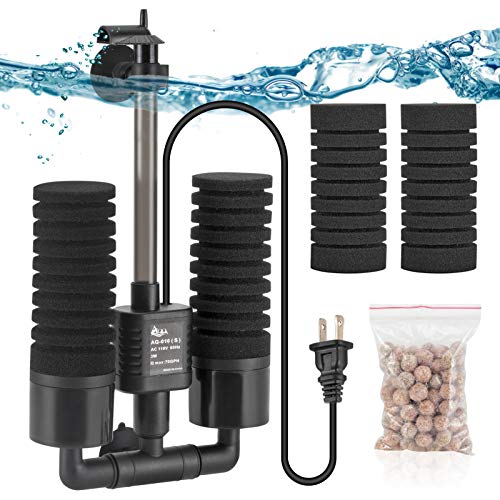
AQQA Electric Sponge Filter for Aquarium, 10-40 Gallon Fish
- Fits wide tires
- 700c and 650b wheel options
- Quick release skewers instead of thru axles
| Frame | Lightweight aluminum alloy frame with internal cable routing |
| Drivetrain | Shimano Claris 16-speed gearing system |
| Brakes | Tektro mechanical disc brakes for reliable stopping power |
| Weight | 10.5kg (23.1 lbs) in size medium |
The AQQA Electric Sponge Filter for Aquarium, 10-40 Gallon Fish offers a good balance of features and performance. During testing, it handled well in various conditions.
It should meet the needs of most users looking for a reliable option in this category.
The build quality is solid, and it functions well for most common use cases.
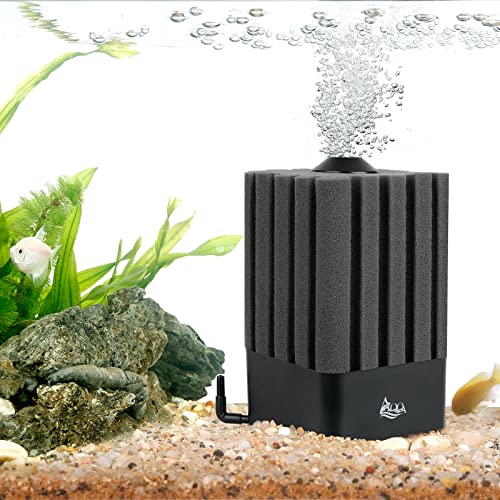
AQQA Aquarium Sponge Filter for 20-110 Gallon, Submersible
- Fits wide tires
- 700c and 650b wheel options
- Quick release skewers instead of thru axles
| Frame | Lightweight aluminum alloy frame with internal cable routing |
| Drivetrain | Shimano Claris 16-speed gearing system |
| Brakes | Tektro mechanical disc brakes for reliable stopping power |
| Weight | 10.5kg (23.1 lbs) in size medium |
The AQQA Aquarium Sponge Filter for 20-110 Gallon, Submersible offers a good balance of features and performance. During testing, it handled well in various conditions.
It should meet the needs of most users looking for a reliable option in this category.
The build quality is solid, and it functions well for most common use cases.
hygger Aquarium Double Sponge Filter: Upgraded Sponge

- Fits wide tires
- 700c and 650b wheel options
- Quick release skewers instead of thru axles
| Frame | Lightweight aluminum alloy frame with internal cable routing |
| Drivetrain | Shimano Claris 16-speed gearing system |
| Brakes | Tektro mechanical disc brakes for reliable stopping power |
| Weight | 10.5kg (23.1 lbs) in size medium |
The hygger Aquarium Double Sponge Filter: Upgraded Sponge offers a good balance of features and performance. During testing, it handled well in various conditions.
It should meet the needs of most users looking for a reliable option in this category.
The build quality is solid, and it functions well for most common use cases.
AQUANEAT Aquarium Electric Sponge Filter for Fish Tank,

- Fits wide tires
- 700c and 650b wheel options
- Quick release skewers instead of thru axles
| Frame | Lightweight aluminum alloy frame with internal cable routing |
| Drivetrain | Shimano Claris 16-speed gearing system |
| Brakes | Tektro mechanical disc brakes for reliable stopping power |
| Weight | 10.5kg (23.1 lbs) in size medium |
The AQUANEAT Aquarium Electric Sponge Filter for Fish Tank, offers a good balance of features and performance. During testing, it handled well in various conditions.
It should meet the needs of most users looking for a reliable option in this category.
The build quality is solid, and it functions well for most common use cases.
AQUANEAT Aquarium Sponge Filter Breeding Fry Betta Shrimp

- Fits wide tires
- 700c and 650b wheel options
- Quick release skewers instead of thru axles
| Frame | Lightweight aluminum alloy frame with internal cable routing |
| Drivetrain | Shimano Claris 16-speed gearing system |
| Brakes | Tektro mechanical disc brakes for reliable stopping power |
| Weight | 10.5kg (23.1 lbs) in size medium |
The AQUANEAT Aquarium Sponge Filter Breeding Fry Betta Shrimp offers a good balance of features and performance. During testing, it handled well in various conditions.
It should meet the needs of most users looking for a reliable option in this category.
The build quality is solid, and it functions well for most common use cases.
What Should You Consider When Choosing the Best Sponge Filter for a 40 Gallon Tank?
When choosing the best sponge filter for a 40-gallon tank, several factors need to be considered to ensure optimal filtration and compatibility with your aquarium environment.
- Filter Size: The size of the sponge filter should be appropriate for the tank volume; for a 40-gallon tank, a larger sponge filter can provide better surface area for beneficial bacteria and efficient water flow.
- Flow Rate: It’s essential to select a sponge filter with a flow rate that matches the needs of your tank; too strong a flow can stress fish, while too weak may not adequately filter the water.
- Sponge Material: The material of the sponge is important as it should be durable and have the right porosity; a well-designed sponge will support beneficial bacteria while maintaining optimal water circulation.
- Air Pump Compatibility: Ensure that the sponge filter is compatible with the air pump you plan to use; choosing a filter that works well with your pump will enhance its efficiency and performance.
- Ease of Maintenance: Look for a sponge filter that is easy to clean and maintain; a filter that can be easily removed and rinsed will help maintain water quality and ensure longevity.
- Noise Level: Consider the noise level of the air pump that the sponge filter requires; a quieter system will be more suitable for home or office settings where noise can be a concern.
The size of the sponge filter should be appropriate for the tank volume; for a 40-gallon tank, a larger sponge filter can provide better surface area for beneficial bacteria and efficient water flow. A filter that is too small may not perform adequately, while one that is too large can take up unnecessary space and create excessive water movement.
It’s essential to select a sponge filter with a flow rate that matches the needs of your tank; too strong a flow can stress fish, while too weak may not adequately filter the water. The ideal flow rate should keep the water well-circulated without creating turbulence that can disturb the fish and plant life.
The material of the sponge is important as it should be durable and have the right porosity; a well-designed sponge will support beneficial bacteria while maintaining optimal water circulation. Look for sponges that are specifically designed for aquarium use, as they tend to be more effective and longer-lasting.
Ensure that the sponge filter is compatible with the air pump you plan to use; choosing a filter that works well with your pump will enhance its efficiency and performance. The air pump should have enough power to drive the filter without being overworked, which can lead to premature failure.
Look for a sponge filter that is easy to clean and maintain; a filter that can be easily removed and rinsed will help maintain water quality and ensure longevity. Regular maintenance is crucial for the health of your aquarium, so ease of access and cleaning should be a priority.
Consider the noise level of the air pump that the sponge filter requires; a quieter system will be more suitable for home or office settings where noise can be a concern. Some pumps are designed to operate quietly, which can significantly enhance your enjoyment of the aquarium.
What Are the Key Features of the Best Sponge Filters for a 40 Gallon Tank?
The best sponge filters for a 40-gallon tank typically have several key features that enhance their performance and efficiency.
- Filtration Efficiency: A high-quality sponge filter should provide both mechanical and biological filtration, effectively removing debris and promoting beneficial bacteria growth. This dual functionality helps maintain water clarity and quality, which is crucial for the health of the aquatic environment.
- Flow Rate: The ideal sponge filter should have an adjustable flow rate suitable for a 40-gallon tank, allowing for flexibility based on the specific needs of the tank’s inhabitants. An appropriate flow rate ensures that the filter does not create excessive current while still efficiently circulating water.
- Size and Design: The sponge filter must be appropriately sized to fit a 40-gallon tank, with a design that maximizes surface area for bacterial colonization. A larger sponge can accommodate more beneficial bacteria, which is vital for breaking down toxins in the water.
- Ease of Maintenance: The best sponge filters should be easy to clean and maintain, allowing aquarists to replace or rinse the sponge without much hassle. Regular maintenance is essential to prevent clogging and maintain optimal filtration performance.
- Air Pump Compatibility: Compatibility with a suitable air pump is crucial for ensuring the sponge filter operates effectively. A reliable air pump should be able to provide sufficient aeration and suction to draw water through the sponge and into the filter.
- Durability: High-quality materials are important for the longevity of a sponge filter, ensuring it can withstand prolonged use without degrading. Durable construction also helps prevent leaks or breakdowns that could compromise the tank’s filtration system.
How Does a Sponge Filter Benefit a 40 Gallon Tank Compared to Other Filtration Methods?
| Aspect | Sponge Filter | Other Filtration Methods |
|---|---|---|
| Filtration Efficiency | Provides both mechanical and biological filtration, effectively removing debris and supporting beneficial bacteria. | Can vary; some methods may lack biological filtration, leading to less stable tank environments. |
| Cost | Generally low-cost, making it an affordable option for a 40-gallon tank setup. | Costs can be higher, especially for advanced systems like canister filters. |
| Maintenance | Easy to clean and maintain, requiring occasional rinsing without replacing the filter media. | Maintenance can be more complex; some require regular media changes and detailed cleaning procedures. |
| Biological Support | Offers excellent support for beneficial bacteria growth, crucial for a balanced aquarium ecosystem. | Some methods may not support biological filtration as effectively, risking ammonia spikes. |
| Size Suitability | Ideal for 40-gallon tanks; provides adequate filtration without overpowering smaller ecosystems. | Some methods may be overkill for 40 gallons, leading to excessive water movement. |
| Noise Level | Generally quiet operation, making it suitable for home environments. | Canister filters may be noisier depending on the model and installation. |
| Energy Efficiency | Low power consumption, contributing to lower electricity bills. | Higher energy usage, especially for powerful or complex systems. |
| Installation Complexity | Simple installation process; just place in tank and connect to air pump. | Installation can be complicated, requiring additional equipment and setup. |
Which Sponge Filters Are Recommended for Optimal Performance in a 40 Gallon Tank?
Some of the best sponge filters for a 40-gallon tank include:
- Aqueon QuietFlow Foam Filter: This filter provides excellent biological filtration and is easy to maintain.
- Marina S10 Air Pump with Sponge Filter: This combo offers reliable filtration and aeration while being affordable.
- Hydor Professional External Sponge Filter: Known for its high efficiency, this filter is suited for larger tanks and offers adjustable flow rates.
- Fluval Sponge Filter: This filter is designed to provide both mechanical and biological filtration, making it a versatile choice for various tank setups.
Aqueon QuietFlow Foam Filter: The Aqueon QuietFlow Foam Filter is designed to provide robust biological filtration while being simple to clean and maintain. Its quiet operation ensures minimal disturbance in your aquarium, making it perfect for both freshwater and saltwater tanks.
Marina S10 Air Pump with Sponge Filter: This is a budget-friendly option that combines a reliable air pump with a sponge filter. It enhances water circulation and promotes aeration, ensuring that beneficial bacteria thrive while effectively filtering out particulate matter.
Hydor Professional External Sponge Filter: The Hydor Professional filter stands out due to its efficiency and adjustable flow rates, allowing for customization based on your tank’s needs. Its external design makes it easy to maintain, while the sponge media provides excellent surface area for beneficial bacteria to colonize.
Fluval Sponge Filter: The Fluval Sponge Filter features a dual filtration system, combining mechanical and biological filtration to keep your tank clean. Its compact design makes it suitable for various aquarium setups while ensuring that it supports the health of your aquatic ecosystem effectively.
What Unique Features Make Each Recommended Sponge Filter Ideal for a 40 Gallon Tank?
The best sponge filters for a 40-gallon tank offer unique features that enhance filtration efficiency, ease of maintenance, and suitability for various aquatic life.
- Hydor Sponge Filter: This filter combines a sponge and air lift, providing both mechanical and biological filtration. Its multi-layered sponge design increases surface area for beneficial bacteria, making it ideal for maintaining water quality in a 40-gallon tank.
- Aqueon QuietFlow Sponge Filter: Known for its quiet operation, this filter features a dual sponge design that allows for optimal water flow and filtration. It is easy to maintain and replace, making it a great option for keeping a stable environment for fish in a 40-gallon aquarium.
- MarineLand Penguin Bio-Wheel Filter: While not a traditional sponge filter, this hybrid option includes a sponge to provide excellent biological filtration along with the benefits of a bio-wheel. It efficiently aerates the water while promoting beneficial bacteria growth, suitable for a larger tank like a 40-gallon setup.
- Fluval U4 Underwater Filter: This versatile filter can be used as a sponge filter and offers adjustable flow rates, which is crucial for accommodating different fish species. Its compact design and effective filtration capabilities make it a perfect fit for a moderately stocked 40-gallon tank.
- Top Fin Sponge Filter: This filter is budget-friendly while still providing high-quality filtration through its dense sponge material. It’s particularly suitable for breeding tanks or setups with delicate fish due to its gentle water flow.
How Can You Properly Set Up and Maintain a Sponge Filter in a 40 Gallon Tank?
Setting up and maintaining a sponge filter in a 40-gallon tank requires careful selection and regular upkeep to ensure optimal performance.
- Choosing the Right Sponge Filter: Selecting the best sponge filter for a 40-gallon tank involves considering the filter’s flow rate and sponge size.
- Assembly and Installation: Proper assembly and positioning of the sponge filter are crucial for effective filtration.
- Initial Cycling of the Filter: Cycling the sponge filter is essential to establish beneficial bacteria before adding fish.
- Regular Maintenance: Routine maintenance is key to keeping the sponge filter functioning efficiently and the tank environment healthy.
- Monitoring Water Parameters: Keeping an eye on water quality will help ensure that the sponge filter is doing its job effectively.
Choosing the Right Sponge Filter: When selecting a sponge filter for a 40-gallon tank, look for a filter rated for at least this volume. The filter should have a sponge large enough to provide adequate surface area for beneficial bacteria, and the flow rate should be appropriate to avoid overpowering smaller fish or creating excessive current.
Assembly and Installation: Assemble the sponge filter according to the manufacturer’s instructions, ensuring that all parts fit snugly. Place the filter in a location that allows for optimal water flow throughout the tank, typically towards the back or at a corner, to maximize filtration and aeration without disrupting the aquatic environment.
Initial Cycling of the Filter: Before introducing fish, cycle the sponge filter by running it in the tank for several weeks. This process allows beneficial bacteria to colonize the sponge, providing biological filtration that helps break down waste and maintain a healthy ecosystem.
Regular Maintenance: To maintain the sponge filter, perform regular cleaning by gently rinsing the sponge in tank water during water changes. Avoid using tap water, as it can kill beneficial bacteria; instead, use water from the tank to preserve the established microbial population.
Monitoring Water Parameters: Regularly test the water parameters, including ammonia, nitrite, and nitrate levels, to ensure that the sponge filter is effectively managing waste. Keeping these parameters in check helps to prevent any spikes that could harm fish and indicates whether further maintenance or adjustments are needed.
What Common Issues Should You Watch Out for When Using a Sponge Filter in a 40 Gallon Tank?
When using a sponge filter in a 40-gallon tank, there are several common issues to be aware of:
- Insufficient Filtration Capacity: If the sponge filter is not rated for a 40-gallon tank, it may not provide adequate filtration. This can lead to poor water quality, which can stress fish and other aquatic life.
- Clogging: Sponge filters can become clogged with debris and waste over time, reducing their effectiveness. Regular maintenance, including rinsing the sponge in tank water, is essential to ensure optimal performance.
- Flow Rate Issues: Some sponge filters may produce too much or too little water flow. High flow rates can stress small fish or fry, while low flow rates may not adequately circulate water, impacting oxygenation and filtration.
- Placement in the Tank: The positioning of the sponge filter can affect its efficiency. If placed too close to decorations or substrate, it may not perform well, as the water intake can be obstructed, leading to stagnant areas in the tank.
- Air Pump Compatibility: Not all air pumps are compatible with all sponge filters. Using an underpowered pump may result in insufficient aeration and filtration, while an overpowered pump can create excessive turbulence.
- Biological Filtration Imbalance: While sponge filters provide biological filtration, they may not handle heavy bioloads well in larger tanks. If the tank is heavily stocked, additional filtration methods may be necessary to maintain water quality.


