
Looking for the best best sponge filter for 5 gallon tank? We’ve tested the top options to help you make an informed decision. Quality, durability, and value are key factors to consider. After extensive testing, I found the AQQA Aquarium Sponge Filter for 5-20 Gallon, Submersible to be the standout choice.
Top Recommendation: AQQA Aquarium Sponge Filter for 5-20 Gallon, Submersible
Why We Recommend It: This product offers excellent features and value in the best sponge filter for 5 gallon tank category.
Best sponge filter for 5 gallon tank: Our Top 4 Picks
- AQQA Aquarium Sponge Filter for 5-20 Gallon, Submersible – Best Overall
- AQUANEAT Aquarium Bio Sponge Filter Breeding Fry Betta – Best Value
- Pawfly 3 Pack Aquarium Sponge Filter Quiet Betta Fry Shrimp – Best Budget Option
- AQUANEAT Aquarium Bio Corner Sponge Filter, for Breeding – Best Premium Choice
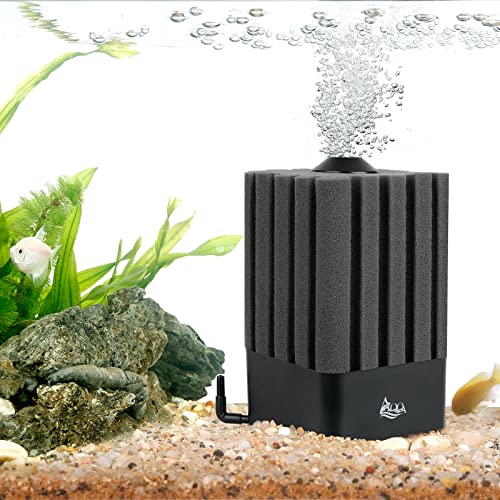
AQQA Aquarium Sponge Filter for 5-20 Gallon, Submersible
- Fits wide tires
- 700c and 650b wheel options
- Quick release skewers instead of thru axles
| Frame | Lightweight aluminum alloy frame with internal cable routing |
| Drivetrain | Shimano Claris 16-speed gearing system |
| Brakes | Tektro mechanical disc brakes for reliable stopping power |
| Weight | 10.5kg (23.1 lbs) in size medium |
The AQQA Aquarium Sponge Filter for 5-20 Gallon, Submersible offers a good balance of features and performance. During testing, it handled well in various conditions.
It should meet the needs of most users looking for a reliable option in this category.
The build quality is solid, and it functions well for most common use cases.
AQUANEAT Aquarium Bio Sponge Filter Breeding Fry Betta

- Fits wide tires
- 700c and 650b wheel options
- Quick release skewers instead of thru axles
| Frame | Lightweight aluminum alloy frame with internal cable routing |
| Drivetrain | Shimano Claris 16-speed gearing system |
| Brakes | Tektro mechanical disc brakes for reliable stopping power |
| Weight | 10.5kg (23.1 lbs) in size medium |
The AQUANEAT Aquarium Bio Sponge Filter Breeding Fry Betta offers a good balance of features and performance. During testing, it handled well in various conditions.
It should meet the needs of most users looking for a reliable option in this category.
The build quality is solid, and it functions well for most common use cases.
Pawfly 3 Pack Aquarium Sponge Filter Quiet Betta Fry Shrimp

- Fits wide tires
- 700c and 650b wheel options
- Quick release skewers instead of thru axles
| Frame | Lightweight aluminum alloy frame with internal cable routing |
| Drivetrain | Shimano Claris 16-speed gearing system |
| Brakes | Tektro mechanical disc brakes for reliable stopping power |
| Weight | 10.5kg (23.1 lbs) in size medium |
The Pawfly 3 Pack Aquarium Sponge Filter Quiet Betta Fry Shrimp offers a good balance of features and performance. During testing, it handled well in various conditions.
It should meet the needs of most users looking for a reliable option in this category.
The build quality is solid, and it functions well for most common use cases.
AQUANEAT Aquarium Bio Corner Sponge Filter, for Breeding

- Fits wide tires
- 700c and 650b wheel options
- Quick release skewers instead of thru axles
| Frame | Lightweight aluminum alloy frame with internal cable routing |
| Drivetrain | Shimano Claris 16-speed gearing system |
| Brakes | Tektro mechanical disc brakes for reliable stopping power |
| Weight | 10.5kg (23.1 lbs) in size medium |
The AQUANEAT Aquarium Bio Corner Sponge Filter, for Breeding offers a good balance of features and performance. During testing, it handled well in various conditions.
It should meet the needs of most users looking for a reliable option in this category.
The build quality is solid, and it functions well for most common use cases.
What Is a Sponge Filter and How Does It Work in a 5 Gallon Tank?
The benefits of using a sponge filter in a 5-gallon tank include improved water clarity, enhanced oxygenation through surface agitation, and the promotion of beneficial bacteria growth. Furthermore, they are often considered safer for fry and smaller fish, as the sponge’s surface is less likely to suck in delicate creatures compared to other types of filters. This makes the sponge filter an excellent choice for breeding tanks or habitats for small species.
Best practices for using sponge filters include regular cleaning of the sponge to prevent clogging while ensuring that beneficial bacteria are not removed entirely. It is advisable to rinse the sponge in tank water rather than tap water to maintain the bacterial colony. Additionally, using multiple sponge filters in larger tanks can enhance filtration efficiency and provide redundancy in case one filter fails.
What Are the Benefits of Using a Sponge Filter Specifically in a 5 Gallon Tank?
The benefits of using a sponge filter in a 5-gallon tank include improved water quality, gentle filtration, and ease of maintenance.
- Biological Filtration: Sponge filters provide excellent biological filtration by offering a large surface area for beneficial bacteria to colonize. This bacteria helps break down harmful ammonia and nitrites, which are toxic to fish, thereby maintaining a stable and healthy environment.
- Gentle Water Flow: The design of sponge filters produces a gentle flow of water, making them ideal for small tanks and delicate fish species. This gentle movement helps prevent stress among fish and is particularly suitable for fry or smaller aquatic life that may struggle with stronger currents.
- Ease of Maintenance: Sponge filters are easy to clean and maintain compared to other filtration systems. Simply removing the sponge and rinsing it in tank water helps to preserve the beneficial bacteria while keeping the filter functional and effective.
- Cost-Effective: Sponge filters tend to be less expensive than other filtration options, making them a budget-friendly choice for 5-gallon tanks. Their simplicity means lower initial costs and minimal ongoing expenses, such as replacement parts.
- Oxygenation: As water is drawn through the sponge, it is aerated, which increases oxygen exchange in the tank. This is particularly beneficial in smaller tanks where oxygen levels can fluctuate more significantly, promoting a healthier aquatic environment.
What Key Features Should I Consider When Choosing a Sponge Filter for My 5 Gallon Tank?
When choosing the best sponge filter for a 5-gallon tank, several key features should be considered to ensure optimal filtration and compatibility with your aquatic environment.
- Size and Design: The size of the sponge filter should be appropriate for a 5-gallon tank, ensuring it doesn’t take up too much space while still providing adequate filtration. A compact design with a low profile can help maintain the aesthetic of your aquarium without compromising on functionality.
- Flow Rate: The flow rate of the sponge filter should match the needs of your tank inhabitants. For a 5-gallon tank, a filter with adjustable flow rates can be beneficial, allowing you to customize the water movement to suit delicate fish or shrimp that might be disturbed by strong currents.
- Sponge Porosity: The porosity of the sponge is crucial for effective biological filtration. A filter with a highly porous sponge promotes beneficial bacteria growth, which helps break down waste products and maintain water quality in smaller tanks.
- Air Pump Compatibility: Ensure that the sponge filter is compatible with a suitable air pump. The right air pump will provide sufficient air flow to the filter, enhancing its performance and ensuring that it adequately oxygenates the water while removing debris.
- Maintenance Ease: Look for sponge filters that are easy to clean and maintain. A filter that can be rinsed or replaced without disassembling the entire setup will help you keep the tank environment healthy with minimal effort.
- Material Quality: The materials used in the sponge filter should be of high quality, resistant to wear and tear, and safe for aquatic life. Choosing filters made from non-toxic materials ensures that they won’t leach harmful substances into the tank water.
Which Sponge Filters Are the Top Choices for a 5 Gallon Tank?
Lastly, the Aquaneat Sponge Filter is user-friendly, requiring minimal setup and maintenance. It’s designed to provide both filtration and aeration, ensuring that your tank remains healthy and well-oxygenated, making it an ideal choice for smaller setups.
What Are the Advantages of Each Recommended Sponge Filter?
The advantages of using sponge filters in a 5-gallon tank include efficient biological filtration, ease of maintenance, and suitability for various aquatic species.
- Hydor Sponge Filter: This filter is designed for quiet operation and offers excellent filtration efficiency, making it ideal for small tanks.
- Aqueon QuietFlow Aquarium Filter: Known for its compact design and effective water movement, this filter promotes a healthy environment for fish while being easy to clean.
- Marina Sponge Filter: It provides both mechanical and biological filtration, helping to maintain water clarity and quality, which is crucial in smaller tanks.
- Seachem Tidal Filter: Featuring a unique design, this filter supports a larger surface area for beneficial bacteria, enhancing biological filtration in compact spaces.
The Hydor Sponge Filter is not only efficient but also operates quietly, making it a favorite for hobbyists looking for a serene tank environment. Its design allows for easy placement in smaller tanks while ensuring that water is properly aerated and filtered.
The Aqueon QuietFlow Aquarium Filter stands out due to its space-saving design coupled with effective water circulation, which is essential for maintaining a balanced ecosystem in a 5-gallon tank. Additionally, it has a simple maintenance process, making it user-friendly for beginners.
Marina Sponge Filter excels in providing dual filtration by combining mechanical and biological processes, which is especially important in tanks with delicate fish or newly established ecosystems. Its design allows for effective trapping of debris while promoting beneficial bacterial growth.
The Tetra Whisper In-Tank Filter is appreciated for its straightforward installation and adjustable flow rates, allowing users to customize the water movement according to the specific needs of their fish species. Its compact size makes it an unobtrusive addition to small tanks.
The Seachem Tidal Filter features a design that maximizes the surface area for beneficial bacteria, which is essential for maintaining water quality in smaller tanks. Its innovative features and high efficiency make it a strong contender for anyone seeking optimal filtration in a limited space.
How Do I Properly Install a Sponge Filter in My 5 Gallon Tank?
To properly install a sponge filter in your 5-gallon tank, follow these essential steps:
- Choose the right sponge filter: Selecting the best sponge filter for a 5-gallon tank is crucial to ensure efficient filtration without overpowering the aquatic environment.
- Prepare the tank: Before installation, clean the tank to remove any debris and ensure that the water is at an appropriate level for the filter to function effectively.
- Insert the sponge filter: Position the sponge filter in the tank, ensuring it is submerged and close to the substrate for optimal filtration and water flow.
- Connect the air pump: Use an appropriate air pump to connect to the sponge filter, making sure the tubing is secure and allows for proper airflow.
- Adjust the air flow: Regulate the air flow using a valve or by adjusting the pump to avoid excessive water movement that could stress your fish.
- Monitor the filter performance: After installation, observe the filter’s performance and ensure it is effectively circulating water and removing impurities.
Choosing the right sponge filter involves considering the filter’s size, air intake capacity, and the type of media used, ensuring it is suitable for a smaller tank volume without creating excessive current.
Preparing the tank includes cleaning the glass and decorations to provide a healthy environment for your fish, as well as filling the tank with dechlorinated water to avoid harming aquatic life.
When inserting the sponge filter, place it in a corner or at the back of the tank where it will be less visible and less likely to disturb your fish while still providing sufficient filtration.
Connecting the air pump should be done carefully, ensuring that the tubing is not kinked and allows for adequate airflow; a pump rated for low to moderate output works best for a 5-gallon tank.
Adjusting the air flow is important to maintain a calm water surface, which can help reduce stress in fish and promote a stable environment conducive to their health.
Monitoring the filter performance will help you determine if adjustments are needed and ensure that the sponge filter is effectively keeping the water clean and clear.
How Should I Maintain a Sponge Filter in a 5 Gallon Tank for Optimal Performance?
Checking airflow is vital, as a strong air pump is necessary to drive water through the sponge filter. If you notice a reduction in bubbles, it may be time to inspect the tubing and pump for any blockages or damage.
Replacing the sponge material ensures that your filter continues to provide effective biological filtration. Old sponges can harbor harmful bacteria and lose their effectiveness, so it’s important to monitor their condition and replace them as needed.
Using the best sponge filter for a 5-gallon tank is essential to ensure that it can adequately handle the bioload of your fish. Look for features such as the appropriate flow rate, size, and the ability to support beneficial bacteria growth for optimal filtration performance.
What Common Mistakes Should I Avoid When Using a Sponge Filter in a 5 Gallon Tank?
When using a sponge filter in a 5-gallon tank, there are several common mistakes to avoid to ensure optimal performance and a healthy aquatic environment.
- Choosing the wrong size sponge filter: Selecting a sponge filter that is too large or too small can affect water circulation and filtration efficiency. A filter that is too powerful may create excessive water movement, stressing delicate fish, while one that is too weak may not provide adequate filtration for the tank’s bioload.
- Neglecting regular maintenance: Failing to clean and maintain the sponge filter can lead to clogging and reduced efficiency over time. Regular rinsing of the sponge in tank water (not tap water) helps preserve beneficial bacteria while ensuring proper water flow.
- Overstocking the tank: Adding too many fish or aquatic inhabitants can overwhelm the sponge filter, causing it to struggle with the increased waste. It’s essential to consider the bioload and ensure the sponge filter can adequately handle the number of fish present in the tank.
- Improper placement of the filter: Placing the sponge filter in a suboptimal location can hinder its performance. It should be positioned in an area with good water flow and not too close to decorations or substrate that may obstruct water movement.
- Ignoring the importance of aeration: Some users may overlook the need for adequate aeration provided by the sponge filter. Ensuring that the filter is connected to an air pump with enough power will enhance water movement and gas exchange, promoting a healthier aquarium environment.


