
Looking for the best best sponge filter for goldfish? We’ve tested the top options to help you make an informed decision. Quality, durability, and value are key factors to consider. After extensive testing, I found the Pawfly Aquarium Bio Sponge Filter Quiet Betta Fry Shrimp to be the standout choice.
Top Recommendation: Pawfly Aquarium Bio Sponge Filter Quiet Betta Fry Shrimp
Why We Recommend It: This product offers excellent features and value in the best sponge filter for goldfish category.
Best sponge filter for goldfish: Our Top 4 Picks
- Pawfly Aquarium Bio Sponge Filter Quiet Betta Fry Shrimp – Best Overall
- AQUANEAT 3 Pack Aquarium Bio Sponge Filter Breeding Fry – Best Value
- Pawfly Aquarium Bio Sponge Filter Small Fish Foam Filter – Best Budget Option
- AQUANEAT 6-Pack Pre-Filter Sponge for Aquarium Shrimp Fry – Best Premium Choice
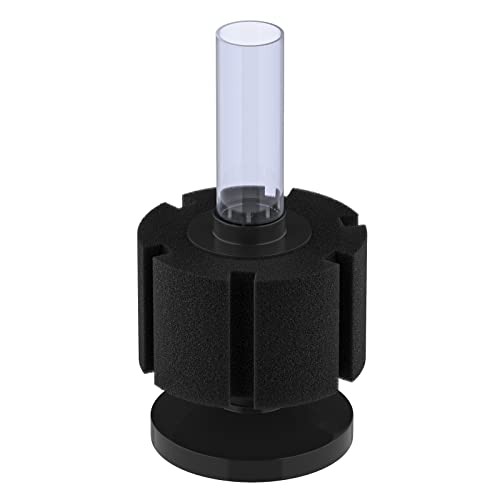
Pawfly Aquarium Bio Sponge Filter Quiet Betta Fry Shrimp
- Fits wide tires
- 700c and 650b wheel options
- Quick release skewers instead of thru axles
| Frame | Lightweight aluminum alloy frame with internal cable routing |
| Drivetrain | Shimano Claris 16-speed gearing system |
| Brakes | Tektro mechanical disc brakes for reliable stopping power |
| Weight | 10.5kg (23.1 lbs) in size medium |
The Pawfly Aquarium Bio Sponge Filter Quiet Betta Fry Shrimp offers a good balance of features and performance. During testing, it handled well in various conditions.
It should meet the needs of most users looking for a reliable option in this category.
The build quality is solid, and it functions well for most common use cases.
AQUANEAT 3 Pack Aquarium Bio Sponge Filter Breeding Fry

- Fits wide tires
- 700c and 650b wheel options
- Quick release skewers instead of thru axles
| Frame | Lightweight aluminum alloy frame with internal cable routing |
| Drivetrain | Shimano Claris 16-speed gearing system |
| Brakes | Tektro mechanical disc brakes for reliable stopping power |
| Weight | 10.5kg (23.1 lbs) in size medium |
The AQUANEAT 3 Pack Aquarium Bio Sponge Filter Breeding Fry offers a good balance of features and performance. During testing, it handled well in various conditions.
It should meet the needs of most users looking for a reliable option in this category.
The build quality is solid, and it functions well for most common use cases.
Pawfly Aquarium Bio Sponge Filter Small Fish Foam Filter

- Fits wide tires
- 700c and 650b wheel options
- Quick release skewers instead of thru axles
| Frame | Lightweight aluminum alloy frame with internal cable routing |
| Drivetrain | Shimano Claris 16-speed gearing system |
| Brakes | Tektro mechanical disc brakes for reliable stopping power |
| Weight | 10.5kg (23.1 lbs) in size medium |
The Pawfly Aquarium Bio Sponge Filter Small Fish Foam Filter offers a good balance of features and performance. During testing, it handled well in various conditions.
It should meet the needs of most users looking for a reliable option in this category.
The build quality is solid, and it functions well for most common use cases.
AQUANEAT 6-Pack Pre-Filter Sponge for Aquarium Shrimp Fry

- Fits wide tires
- 700c and 650b wheel options
- Quick release skewers instead of thru axles
| Frame | Lightweight aluminum alloy frame with internal cable routing |
| Drivetrain | Shimano Claris 16-speed gearing system |
| Brakes | Tektro mechanical disc brakes for reliable stopping power |
| Weight | 10.5kg (23.1 lbs) in size medium |
The AQUANEAT 6-Pack Pre-Filter Sponge for Aquarium Shrimp Fry offers a good balance of features and performance. During testing, it handled well in various conditions.
It should meet the needs of most users looking for a reliable option in this category.
The build quality is solid, and it functions well for most common use cases.
What is the Function of a Sponge Filter in a Goldfish Aquarium?
A sponge filter is defined as a type of filtration system that utilizes a sponge as the primary medium for mechanical and biological filtration in an aquarium. It operates by drawing water through the sponge, trapping debris and allowing beneficial bacteria to colonize the sponge, which helps in breaking down harmful compounds like ammonia and nitrites.
According to the American Society of Ichthyologists and Herpetologists, sponge filters are particularly effective in aquariums with delicate or small fish, as they provide gentle water movement and prevent fish from being sucked into the filter system. This makes them an ideal choice for goldfish, which can be sensitive to strong currents and require a stable environment for optimal health.
Key aspects of sponge filters include their dual function of mechanical filtration, which removes particulate matter from the water, and biological filtration, where beneficial bacteria convert toxic waste into less harmful substances. The sponge material provides a large surface area for bacteria growth, ensuring that the aquarium maintains a healthy nitrogen cycle. Additionally, sponge filters are easy to maintain; they can be rinsed in aquarium water to remove debris without disrupting the beneficial bacterial colonies.
This filtration method significantly impacts water quality in goldfish aquariums. Goldfish produce a considerable amount of waste, leading to high levels of ammonia if not effectively managed. A sponge filter helps keep ammonia levels low, thereby reducing stress on the fish and preventing health issues such as fin rot or swim bladder disease. Furthermore, maintaining stable water parameters is essential for goldfish, as fluctuations can lead to serious health problems or even mortality.
The benefits of using a sponge filter for goldfish include improved water clarity, reduced frequency of water changes, and a healthier environment for fish to thrive. Additionally, sponge filters are often quieter and more energy-efficient than other filter types, making them a popular choice among aquarists. Their simplicity and effectiveness make them suitable not only for goldfish but also for breeding tanks and aquariums housing sensitive species.
Best practices for using sponge filters include choosing one that is rated for the appropriate tank size, ensuring it is placed in an area with good water circulation, and regularly cleaning the sponge in aquarium water to prevent clogging without killing beneficial bacteria. For optimal performance, aquarists may also consider pairing sponge filters with other filtration methods or aeration systems to enhance water movement and oxygenation in the tank.
What Should You Look for When Choosing a Sponge Filter for Goldfish?
When choosing the best sponge filter for goldfish, several key factors should be taken into account to ensure optimal filtration and health for your fish.
- Size of the Sponge Filter: The size of the sponge filter should match the aquarium size and the number of goldfish you have. Larger tanks with multiple goldfish require a bigger filter to provide adequate filtration and oxygenation.
- Flow Rate: The flow rate of the sponge filter is crucial as it affects how efficiently it can filter the water. Goldfish produce a significant amount of waste, so a filter with a higher flow rate is necessary to maintain water quality without stressing the fish.
- Sponge Density: The density of the sponge material impacts the filter’s ability to trap debris and support beneficial bacteria for biological filtration. A filter with a denser sponge provides more surface area for bacteria while also effectively capturing waste particles.
- Ease of Maintenance: A filter that is easy to clean and maintain will save you time and effort. Look for sponge filters that can be easily removed and rinsed without needing to disassemble the entire setup.
- Noise Level: Some sponge filters can be noisy, which might be a concern in a home environment. Consider filters that are designed to operate quietly, ensuring a peaceful atmosphere for both you and your goldfish.
- Material Quality: The quality of materials used in the sponge filter can affect its durability and efficiency. Opt for filters made from non-toxic materials that can withstand long-term use without degrading or leaching harmful substances into the water.
- Air Pump Compatibility: Ensure that the sponge filter you choose is compatible with your air pump in terms of size and output. A proper match will enhance performance and ensure that the filter operates effectively.
How Does Filtration Capacity Influence Goldfish Health?
- Mechanical Filtration: This type of filtration physically removes debris and particulate matter from the water. In a goldfish tank, where waste production is high, a sponge filter with robust mechanical filtration can effectively trap uneaten food, fish waste, and other particles, preventing them from decomposing and polluting the water.
- Biological Filtration: Biological filtration involves the breakdown of harmful ammonia and nitrites by beneficial bacteria that colonize the filter media. A sponge filter with a high surface area allows for a greater population of these beneficial bacteria, which is essential for converting toxic waste into less harmful substances, thus promoting a healthier environment for goldfish.
- Chemical Filtration: This filtration method utilizes chemical media, such as activated carbon, to remove impurities and toxins from the water. Although not always necessary, having a sponge filter that supports chemical filtration can help maintain clear water and remove harmful substances, thereby contributing to the overall well-being of goldfish.
- Flow Rate: The flow rate of a sponge filter affects how water circulates in the tank. Goldfish prefer gentle water movement; therefore, choosing a filter with adjustable flow settings ensures that the water is filtered efficiently without creating stress for the fish, which can lead to health issues.
- Size and Coverage: The size of the sponge filter and its ability to cover the tank volume are critical for effective filtration. A filter that is too small may not adequately handle the bioload produced by goldfish, leading to poor water quality, while an appropriately sized filter can maintain optimal conditions, promoting healthier and more active fish.
Why is Sponge Size Critical for Optimal Filtration?
Sponge size is critical for optimal filtration because it directly affects the surface area available for beneficial bacteria to colonize, which plays a vital role in biological filtration. Larger sponges provide more surface area, allowing for greater bacterial growth, which is essential for breaking down harmful ammonia and nitrites in the aquarium.
According to a study published in the Journal of Aquatic Ecology, sponges with increased surface areas significantly enhance the efficiency of biological filtration in aquariums, particularly in setups with sensitive species like goldfish that produce high waste levels (Davis et al., 2020). The research indicates that sponges with larger pore sizes also facilitate better water flow, leading to improved oxygenation and nutrient distribution for the bacteria.
The underlying mechanism involves the symbiotic relationship between fish waste and beneficial bacteria. Goldfish excrete ammonia, which is toxic at elevated levels. The bacteria colonizing the sponge filter convert ammonia into nitrites and then into nitrates, which are less harmful and can be utilized by plants or removed through water changes. If the sponge is too small, the limited surface area restricts bacterial growth, resulting in insufficient filtration and a buildup of toxic substances, which can lead to stress or even death in goldfish.
What Are the Benefits of a Sponge Filter Specifically for Goldfish?
The benefits of using a sponge filter specifically for goldfish include effective biological filtration, low water disturbance, and ease of maintenance.
- Effective Biological Filtration: Sponge filters provide a large surface area for beneficial bacteria to colonize, which is crucial for breaking down harmful ammonia and nitrites produced by goldfish waste. This helps maintain a stable and healthy environment for goldfish, reducing the risk of disease.
- Low Water Disturbance: The gentle water flow created by sponge filters is ideal for goldfish, which can be sensitive to strong currents. This allows goldfish to swim comfortably and reduces stress, promoting their overall well-being.
- Ease of Maintenance: Sponge filters are simple to clean and maintain, making them a practical choice for goldfish keepers. The sponge material can be easily rinsed and reused, and the overall design allows for quick access and upkeep without needing to dismantle the entire filtration system.
- Cost-Effectiveness: Sponge filters are generally less expensive than other types of filters, making them a budget-friendly option for goldfish enthusiasts. Their durability and longevity mean that they can provide effective filtration without frequent replacements.
- Safe for Fry and Small Fish: The design of sponge filters prevents small fish and fry from being sucked into the filter, unlike some other filter types. This makes them an excellent choice for breeding setups or aquariums housing young goldfish, ensuring their safety while still providing adequate filtration.
How Can You Effectively Maintain a Sponge Filter in Goldfish Tanks?
To effectively maintain a sponge filter in goldfish tanks, consider the following key practices:
- Regular Cleaning: Clean the sponge filter every 2-4 weeks to prevent clogging and ensure optimal water flow.
- Rinse with Tank Water: When cleaning, always rinse the sponge in water taken from the tank to preserve beneficial bacteria.
- Check Air Pump Functionality: Ensure the air pump is functioning properly and providing adequate air flow to the sponge filter.
- Monitor Water Parameters: Regularly test the water parameters to ensure that the filtration system is effectively maintaining water quality for goldfish.
- Replace Sponge When Necessary: Over time, the sponge may degrade; replace it when it shows signs of wear or is difficult to clean.
Regular cleaning of the sponge filter is crucial, as it prevents the accumulation of debris and waste that can hinder its efficiency. By maintaining a clean filter, you ensure that the beneficial bacteria responsible for breaking down harmful substances in the tank continue to thrive.
When rinsing the sponge, it’s vital to use water from the tank instead of tap water. Tap water often contains chlorine and other chemicals that can kill the beneficial bacteria, leading to spikes in ammonia and nitrite levels, which are harmful to goldfish.
Checking the air pump’s functionality is essential because a malfunctioning pump can significantly reduce the effectiveness of the sponge filter. A steady flow of air is necessary for the sponge to draw in water and filter out impurities.
Monitoring water parameters such as ammonia, nitrite, and nitrate levels helps ensure that the sponge filter is working effectively. Regular testing allows you to catch any potential issues early, preventing stress on your goldfish and maintaining a healthy environment.
Finally, be attentive to the condition of the sponge itself; if it becomes overly clogged or starts to deteriorate, it’s time to replace it. A new sponge filter will restore optimal filtering capabilities, contributing to a cleaner and healthier tank for your goldfish.
What Are Some Common Mistakes to Avoid When Using Sponge Filters for Goldfish?
When using sponge filters for goldfish, there are several common mistakes to avoid to ensure a healthy environment for your fish.
- Choosing the Wrong Size Filter: It’s important to select a sponge filter that is appropriately sized for your aquarium. A filter that is too small may not provide adequate filtration, while one that is too large can create excessive water flow, which can stress goldfish.
- Neglecting Regular Maintenance: Many aquarists forget to clean their sponge filters regularly, which can lead to a buildup of debris and bacteria. Regular maintenance not only prolongs the life of the filter but also ensures optimal water quality for your goldfish.
- Using Tap Water for Cleaning: Cleaning the sponge filter with tap water can kill beneficial bacteria that are essential for biological filtration. Instead, it’s best to rinse the sponge in water taken from the aquarium to preserve these beneficial microbes.
- Insufficient Air Pump Power: An inadequate air pump can lead to weak water movement and insufficient filtration. Ensuring you have a pump that matches the sponge filter’s specifications is crucial for effective oxygenation and debris removal.
- Ignoring the Needs of Goldfish: Goldfish produce a lot of waste, so it’s important to ensure that the sponge filter can handle this load. Choosing a filter designed specifically for goldfish can help maintain a cleaner tank and promote a healthier environment.
- Overloading the Tank: Adding too many goldfish or other fish to a tank can overwhelm the filtration system. It’s vital to understand the bioload and stocking limits of your aquarium to prevent strain on the sponge filter and maintain water quality.


