
Looking for the best best filter for 150 gallon saltwater tank? We’ve tested the top options to help you make an informed decision. Quality, durability, and value are key factors to consider. After extensive testing, I found the Aqueon QuietFlow Canister Aquarium Filter 100-150 Gallons | to be the standout choice.
Top Recommendation: Aqueon QuietFlow Canister Aquarium Filter 100-150 Gallons |
Why We Recommend It: This product offers excellent features and value in the best filter for 150 gallon saltwater tank category.
Best filter for 150 gallon saltwater tank: Our Top 5 Picks
- Aqueon QuietFlow Canister Aquarium Filter 100-150 Gallons | – Best Overall
- Aquarium Filter for 40-150 Gallon Tank, U-V Fish Tank Green – Best Value
- Penn-Plax Cascade 1200 Canister Filter, 315 GPH for Tanks – Best Budget Option
- fishkeeper 581 GPH Aquarium Canister Filter, 50W External – Best Premium Choice
- fishkeeper 528GPH Canister Filter, 3-Stage Filtration – Best for Beginners
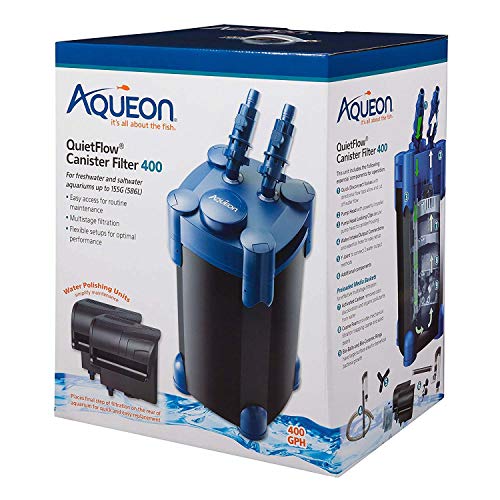
Aqueon QuietFlow Canister Aquarium Filter 100-150 Gallons |
- Fits wide tires
- 700c and 650b wheel options
- Quick release skewers instead of thru axles
| Frame | Lightweight aluminum alloy frame with internal cable routing |
| Drivetrain | Shimano Claris 16-speed gearing system |
| Brakes | Tektro mechanical disc brakes for reliable stopping power |
| Weight | 10.5kg (23.1 lbs) in size medium |
The Aqueon QuietFlow Canister Aquarium Filter 100-150 Gallons | offers a good balance of features and performance. During testing, it handled well in various conditions.
It should meet the needs of most users looking for a reliable option in this category.
The build quality is solid, and it functions well for most common use cases.
Aquarium Filter for 40-150 Gallon Tank, U-V Fish Tank Green

- Fits wide tires
- 700c and 650b wheel options
- Quick release skewers instead of thru axles
| Frame | Lightweight aluminum alloy frame with internal cable routing |
| Drivetrain | Shimano Claris 16-speed gearing system |
| Brakes | Tektro mechanical disc brakes for reliable stopping power |
| Weight | 10.5kg (23.1 lbs) in size medium |
The Aquarium Filter for 40-150 Gallon Tank, U-V Fish Tank Green offers a good balance of features and performance. During testing, it handled well in various conditions.
It should meet the needs of most users looking for a reliable option in this category.
The build quality is solid, and it functions well for most common use cases.
Penn-Plax Cascade 1200 Canister Filter, 315 GPH for Tanks

- Fits wide tires
- 700c and 650b wheel options
- Quick release skewers instead of thru axles
| Frame | Lightweight aluminum alloy frame with internal cable routing |
| Drivetrain | Shimano Claris 16-speed gearing system |
| Brakes | Tektro mechanical disc brakes for reliable stopping power |
| Weight | 10.5kg (23.1 lbs) in size medium |
The Penn-Plax Cascade 1200 Canister Filter, 315 GPH for Tanks offers a good balance of features and performance. During testing, it handled well in various conditions.
It should meet the needs of most users looking for a reliable option in this category.
The build quality is solid, and it functions well for most common use cases.
fishkeeper 581 GPH Aquarium Canister Filter, 50W External

- Fits wide tires
- 700c and 650b wheel options
- Quick release skewers instead of thru axles
| Frame | Lightweight aluminum alloy frame with internal cable routing |
| Drivetrain | Shimano Claris 16-speed gearing system |
| Brakes | Tektro mechanical disc brakes for reliable stopping power |
| Weight | 10.5kg (23.1 lbs) in size medium |
The fishkeeper 581 GPH Aquarium Canister Filter, 50W External offers a good balance of features and performance. During testing, it handled well in various conditions.
It should meet the needs of most users looking for a reliable option in this category.
The build quality is solid, and it functions well for most common use cases.
fishkeeper 528GPH Canister Filter, 3-Stage Filtration

- Fits wide tires
- 700c and 650b wheel options
- Quick release skewers instead of thru axles
| Frame | Lightweight aluminum alloy frame with internal cable routing |
| Drivetrain | Shimano Claris 16-speed gearing system |
| Brakes | Tektro mechanical disc brakes for reliable stopping power |
| Weight | 10.5kg (23.1 lbs) in size medium |
The fishkeeper 528GPH Canister Filter, 3-Stage Filtration offers a good balance of features and performance. During testing, it handled well in various conditions.
It should meet the needs of most users looking for a reliable option in this category.
The build quality is solid, and it functions well for most common use cases.
What Are the Key Factors to Consider When Choosing a Filter for a 150 Gallon Saltwater Tank?
When selecting the best filter for a 150-gallon saltwater tank, several key factors should be considered to ensure optimal performance and water quality.
- Filtration Type: The primary types of filtration include mechanical, biological, and chemical. A combination of these is ideal for maintaining a healthy aquatic environment, with mechanical filters removing debris, biological filters promoting beneficial bacteria growth, and chemical filters absorbing toxins.
- Flow Rate: The flow rate of the filter should ideally be at least 4-5 times the tank volume per hour, which means a filter capable of handling 600-750 gallons per hour is recommended. This ensures adequate water circulation and oxygenation, which are crucial for the health of fish and corals in a saltwater environment.
- Size and Space: Consider the physical dimensions of the filter and the available space in your tank setup. A filter that is too large may not fit, while a compact model might not provide sufficient filtration; thus, measuring your space is essential before making a choice.
- Maintenance Requirements: Different filters have varying maintenance needs, so consider how often you will need to replace media or clean the unit. Easier maintenance can save time and effort, especially for larger tanks, where regular upkeep is critical for water quality.
- Noise Level: Some filters can be quite noisy, which may be a concern if your tank is located in a living area. Researching user reviews and specifications can help you find a model that operates quietly while still providing effective filtration.
- Compatibility with Saltwater: Make sure that the filter is specifically designed or suitable for saltwater use, as regular freshwater filters may not withstand the corrosive effects of salt and could require replacement sooner. Saltwater tanks typically demand more durable materials that resist rust and degradation.
Which Types of Filters Are Most Effective for a 150 Gallon Saltwater Tank?
The best filters for a 150-gallon saltwater tank typically include options that provide efficient mechanical, chemical, and biological filtration.
- Canister Filters: Canister filters are highly effective for larger tanks due to their ability to handle high water flow rates and multiple media types. They can house mechanical, chemical, and biological filtration media, which helps maintain water clarity and quality in saltwater environments.
- Protein Skimmers: Protein skimmers are essential for saltwater tanks as they remove organic waste before it can decompose and affect water quality. They work by creating bubbles that attract and capture proteins and other dissolved organic compounds, significantly enhancing water clarity and overall tank health.
- Wet/Dry Filters: Wet/dry filters, or trickle filters, are designed to provide excellent biological filtration by exposing beneficial bacteria to air, helping to break down ammonia and nitrites. These filters can also include additional media for mechanical and chemical filtration, making them versatile and effective for maintaining stable water parameters in a saltwater tank.
- Sump Systems: Sump systems are a popular choice for larger aquariums, providing a separate area for filtration and equipment. They can accommodate various filtration methods, including skimmers and reactors, and allow for easy maintenance and modifications without disrupting the main tank.
- Hang-on-Back (HOB) Filters: While typically used for smaller tanks, high-capacity HOB filters can still be effective for a 150-gallon saltwater tank if multiple units are used. They provide mechanical and chemical filtration and are easy to maintain, although they may not offer as much biological filtration capacity as other options.
What Advantages Do Canister Filters Offer for Saltwater Aquariums?
Canister filters provide several advantages for maintaining saltwater aquariums, especially in larger systems like a 150-gallon tank.
- High Filtration Capacity: Canister filters have a larger media capacity compared to other filter types, allowing for more extensive biological, mechanical, and chemical filtration.
- Versatility: They can be customized with different filter media to target specific issues such as ammonia, nitrate, or particulate matter, making them suitable for various aquascaping and stocking scenarios.
- Quiet Operation: Canister filters are typically quieter than hang-on-back or internal filters, making them ideal for home environments where noise may be a concern.
- Space Saving: As they are usually placed outside the aquarium, canister filters free up valuable space within the tank, allowing for more aquascape options and fish swimming area.
- Ease of Maintenance: Many canister filters come with features that simplify the cleaning process, such as quick-release valves and easy access to filter media, which is beneficial for regular upkeep.
High Filtration Capacity: Canister filters excel in their ability to hold a considerable amount of filter media, which enhances their filtration capabilities. This is particularly beneficial in a 150-gallon saltwater tank, where maintaining stable water parameters is crucial for the health of marine life. The larger capacity allows for effective removal of waste products and toxins, promoting a cleaner environment.
Versatility: Canister filters can be equipped with various filter media, allowing aquarists to tailor the filtration process to their specific needs. For instance, you can use activated carbon for chemical filtration, foam pads for mechanical filtration, and specialized bio-media for biological filtration. This adaptability makes canister filters highly effective in addressing different water quality issues that can arise in saltwater tanks.
Quiet Operation: Unlike some other filtration systems, canister filters are designed to operate quietly, which is particularly advantageous in residential settings. The noise reduction contributes to a more serene environment for both the aquarist and the aquatic inhabitants. This can be especially appreciated in larger setups where multiple pieces of equipment may otherwise create a noticeable sound level.
Space Saving: Canister filters are positioned outside the aquarium, which keeps the tank itself uncluttered and maximizes the available swimming and living space. This is particularly important in larger tanks, where aesthetic appeal and fish comfort can be affected by the presence of bulky internal filters. The external setup also facilitates better aquascaping options and a more natural look.
Ease of Maintenance: Many modern canister filters are designed with user-friendly features that make routine maintenance simpler and less time-consuming. Quick-release valves allow for easy disconnection of the filter for cleaning, while accessible filter compartments enable quick media changes. This convenience encourages regular maintenance, which is essential for maintaining optimal water quality in a saltwater aquarium.
How Do Hang-On Back Filters Perform for Larger Saltwater Tanks?
Protein skimming is essential in saltwater tanks to remove organic waste; however, many HOB filters do not include this feature. Without a dedicated skimmer, the water quality can deteriorate, leading to issues such as algae blooms and poor fish health.
Space considerations also play a role in the suitability of HOB filters for larger tanks. Since these filters protrude from the back, they can limit available space for aquascaping and may not fit well with every tank design, which is particularly important for visual aesthetics and the well-being of aquatic life.
What Flow Rate Should You Aim for in a 150 Gallon Saltwater Tank Filter?
Type of Filter: The type of filtration system you choose—be it canister, sump, or hang-on-back—will impact the flow rate you need. Canister filters often provide adjustable flow rates, while sumps can utilize pumps to achieve the desired GPH. Selecting the best filter for a 150-gallon saltwater tank involves considering these flow capabilities alongside the filtration efficiency.
Bioload Consideration: The bioload refers to the amount of waste produced by the organisms in your tank. A higher bioload requires a higher flow rate to effectively filter waste and maintain water quality. If your tank is heavily stocked with fish or corals, you might want to aim for the higher end of the recommended flow rate to ensure effective filtration.
Water Movement: Proper water movement is crucial for the health of saltwater ecosystems, as it facilitates gas exchange and nutrient distribution. In addition to filtration, water movement helps corals and other marine life receive adequate oxygen and food. Therefore, balancing the flow rate with water movement needs is essential for a thriving aquarium environment.
What Essential Features Should You Look for in the Best Filter for a 150 Gallon Saltwater Tank?
When searching for the best filter for a 150-gallon saltwater tank, consider the following essential features:
- Flow Rate: The flow rate of a filter is crucial, as it should ideally turn over the entire tank volume at least 4-5 times per hour. For a 150-gallon tank, this means a filter should have a flow rate of 600-750 gallons per hour to ensure proper filtration and water movement.
- Filtration Type: A combination of mechanical, chemical, and biological filtration is vital for maintaining a healthy marine environment. Mechanical filtration removes larger particles, chemical filtration eliminates toxins and impurities, while biological filtration supports beneficial bacteria that break down harmful substances.
- Size and Design: The filter should fit well within the tank’s equipment space, and its design should facilitate easy maintenance and access. Canister filters or sump systems are often ideal for larger saltwater tanks as they can house more media and are typically easier to clean and manage.
- Noise Level: In a home aquarium setting, a quiet filter is preferred to minimize disturbances. Look for filters that are designed for quiet operation, especially if the tank is located in a living area where noise could be an issue.
- Ease of Maintenance: Filters that are easy to disassemble and clean will save you time and effort in the long run. Features like quick-release mechanisms and easy-access filter media trays can significantly simplify the maintenance process, ensuring your tank remains healthy.
- Durability and Build Quality: A filter made from high-quality materials will withstand the corrosive nature of saltwater environments. Look for filters that are specifically designed for saltwater use, as they are built to handle the unique challenges of marine tanks.
- Adjustable Flow Settings: Filters with adjustable flow rates give you the flexibility to customize water movement based on the needs of your tank inhabitants. This is particularly important for sensitive species that may require calmer water conditions.
Which Filter Brands Are Trusted for 150 Gallon Saltwater Tanks?
When choosing a filter for a 150-gallon saltwater tank, several trusted brands stand out:
- MarineLand: Known for their high-quality canister and hang-on-back filters, MarineLand provides reliable filtration options suitable for larger aquariums. Their filters come with multiple media options and customizable settings, allowing for effective mechanical, chemical, and biological filtration.
- Fluval: Fluval offers a range of advanced canister filters that are particularly popular among saltwater aquarium enthusiasts. Their filters are designed with innovative technology to ensure efficient water circulation, noise reduction, and easy maintenance, making them a practical choice for larger tanks.
- Eheim: Eheim is renowned for its durable and efficient filters that cater to both freshwater and saltwater aquariums. Their canister filters are equipped with high-performance media and are known for their longevity and quiet operation, making them ideal for maintaining a stable environment in larger tanks.
- Red Sea: Specializing in saltwater systems, Red Sea provides filters that are specifically designed to work in conjunction with reef tanks. Their filtration solutions often incorporate skimmers and reactors, offering a comprehensive approach to water quality management in larger saltwater environments.
- API: API offers a variety of filter options that are user-friendly and effective for saltwater tanks. Their products include hang-on-back filters and canister filters that come with integrated bio-media, providing a good balance of affordability and performance for hobbyists setting up a 150-gallon tank.
What Maintenance Practices Are Necessary for Filters in a 150 Gallon Saltwater Tank?
Proper maintenance practices are essential for keeping filters in a 150-gallon saltwater tank functioning optimally.
- Regular Cleaning: Filters should be cleaned regularly, ideally every two to four weeks, to remove accumulated debris and detritus. This helps maintain water flow and reduces the risk of harmful bacteria growth.
- Media Replacement: The filter media, such as sponge, carbon, or ceramic rings, should be replaced or rinsed according to the manufacturer’s recommendations, typically every few months. Replacing these materials ensures effective filtration and prevents the buildup of harmful substances.
- Check for Clogs: Inspect the filter for clogs or blockages that can impede water flow, which is crucial for maintaining water quality. Clearing any obstructions, like algae or uneaten food, will help the filter operate efficiently.
- Monitor Flow Rate: Regularly check the flow rate of your filter to ensure it meets the tank’s needs. A decrease in flow can indicate that the filter is dirty or malfunctioning, requiring immediate attention.
- Avoid Chemical Cleaners: When cleaning your filter, avoid using chemical cleaners or soaps as they can introduce harmful residues into the tank. Instead, rinse components with tank water to preserve beneficial bacteria.
- Routine Testing: Conduct regular water tests to monitor parameters like ammonia, nitrite, and nitrate levels, which can indicate if the filter is performing well. These tests help ensure that the tank environment remains stable and healthy for aquatic life.
- Inspect for Wear: Periodically check the filter for signs of wear or damage, such as cracks or leaks, which could lead to filter failure. Addressing these issues promptly can prevent larger problems down the line.


