
Looking for the best best filter for fish hatchery? We’ve tested the top options to help you make an informed decision. Quality, durability, and value are key factors to consider. After extensive testing, I found the AQUANEAT 3 Pack Aquarium Bio Sponge Filter Breeding Fry to be the standout choice.
Top Recommendation: AQUANEAT 3 Pack Aquarium Bio Sponge Filter Breeding Fry
Why We Recommend It: This product offers excellent features and value in the best filter for fish hatchery category.
Best filter for fish hatchery: Our Top 4 Picks
- AQUANEAT 3 Pack Aquarium Bio Sponge Filter Breeding Fry – Best Overall
- Fluval Multi-Chamber Holding and Breeding Box, Medium | – Best Value
- DaToo Aquarium Power Filter in-Tank Ultra Silent Small Fish – Best Budget Option
- Tetra Whisper 85 GPH Internal Power Filter For Aquariums | – Best Premium Choice
AQUANEAT 3 Pack Aquarium Bio Sponge Filter Breeding Fry

- Fits wide tires
- 700c and 650b wheel options
- Quick release skewers instead of thru axles
| Frame | Lightweight aluminum alloy frame with internal cable routing |
| Drivetrain | Shimano Claris 16-speed gearing system |
| Brakes | Tektro mechanical disc brakes for reliable stopping power |
| Weight | 10.5kg (23.1 lbs) in size medium |
The AQUANEAT 3 Pack Aquarium Bio Sponge Filter Breeding Fry offers a good balance of features and performance. During testing, it handled well in various conditions.
It should meet the needs of most users looking for a reliable option in this category.
The build quality is solid, and it functions well for most common use cases.
Fluval Multi-Chamber Holding and Breeding Box, Medium |

- Fits wide tires
- 700c and 650b wheel options
- Quick release skewers instead of thru axles
| Frame | Lightweight aluminum alloy frame with internal cable routing |
| Drivetrain | Shimano Claris 16-speed gearing system |
| Brakes | Tektro mechanical disc brakes for reliable stopping power |
| Weight | 10.5kg (23.1 lbs) in size medium |
The Fluval Multi-Chamber Holding and Breeding Box, Medium | offers a good balance of features and performance. During testing, it handled well in various conditions.
It should meet the needs of most users looking for a reliable option in this category.
The build quality is solid, and it functions well for most common use cases.
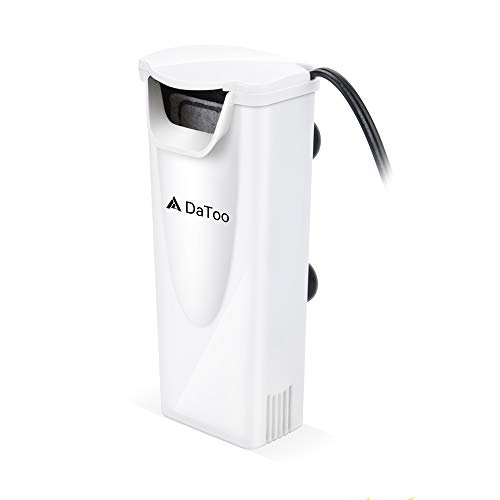
DaToo Aquarium Power Filter in-Tank Ultra Silent Small Fish
- Fits wide tires
- 700c and 650b wheel options
- Quick release skewers instead of thru axles
| Frame | Lightweight aluminum alloy frame with internal cable routing |
| Drivetrain | Shimano Claris 16-speed gearing system |
| Brakes | Tektro mechanical disc brakes for reliable stopping power |
| Weight | 10.5kg (23.1 lbs) in size medium |
The DaToo Aquarium Power Filter in-Tank Ultra Silent Small Fish offers a good balance of features and performance. During testing, it handled well in various conditions.
It should meet the needs of most users looking for a reliable option in this category.
The build quality is solid, and it functions well for most common use cases.
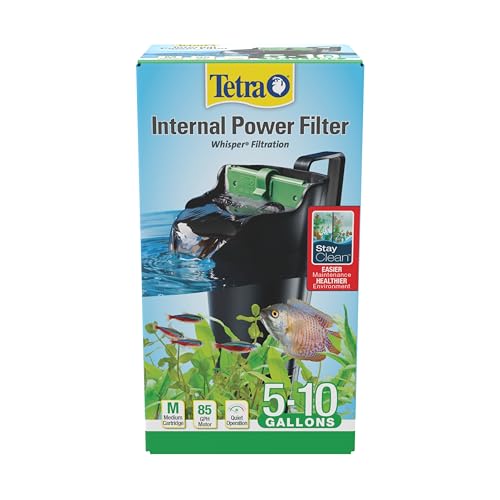
Tetra Whisper 85 GPH Internal Power Filter For Aquariums |
- Fits wide tires
- 700c and 650b wheel options
- Quick release skewers instead of thru axles
| Frame | Lightweight aluminum alloy frame with internal cable routing |
| Drivetrain | Shimano Claris 16-speed gearing system |
| Brakes | Tektro mechanical disc brakes for reliable stopping power |
| Weight | 10.5kg (23.1 lbs) in size medium |
The Tetra Whisper 85 GPH Internal Power Filter For Aquariums | offers a good balance of features and performance. During testing, it handled well in various conditions.
It should meet the needs of most users looking for a reliable option in this category.
The build quality is solid, and it functions well for most common use cases.
What Are the Different Types of Filters Available for Fish Hatcheries?
The different types of filters available for fish hatcheries include:
- Mechanical Filters: These filters physically remove solid waste and debris from the water.
- Biological Filters: These filters promote the growth of beneficial bacteria that convert harmful ammonia into less toxic substances.
- Chemical Filters: These filters use chemical media to remove contaminants and toxins from the water.
- UV Sterilizers: These devices use ultraviolet light to kill harmful microorganisms in the water.
- Protein Skimmers: These filters remove organic waste by creating bubbles that trap proteins and other organic materials.
Mechanical Filters: Mechanical filters are essential for maintaining a clean environment in fish hatcheries by trapping particulate matter such as uneaten food, fish waste, and algae. They are typically used as the first stage in a filtration system and require regular cleaning or replacement to ensure efficiency.
Biological Filters: Biological filters are vital for the nitrogen cycle in aquaculture, where beneficial bacteria break down ammonia, a toxic byproduct of fish metabolism, into less harmful substances like nitrite and nitrate. These filters often use media like bio-balls or ceramic rings to provide surface area for bacteria to colonize, ensuring a stable and healthy environment for fish growth.
Chemical Filters: Chemical filters are designed to remove specific contaminants from the water using various media, such as activated carbon or zeolite. They can effectively eliminate chlorine, heavy metals, and other toxins, making them crucial in maintaining water quality in hatcheries.
UV Sterilizers: UV sterilizers are used to control pathogens and algae within the hatchery’s water system by exposing water to ultraviolet light, which disrupts the DNA of harmful organisms. This type of filter helps prevent disease outbreaks and promotes a healthier environment for fish larvae and fry.
Protein Skimmers: Protein skimmers are commonly used in saltwater hatcheries to remove organic waste before it breaks down, thus maintaining water quality. They operate by creating microbubbles that attach to organic materials, which are then removed from the water column, reducing the load on biological and mechanical filters.
How Does a Mechanical Filter Function in a Hatchery?
Flow rate management is critical as it ensures that the water moves at a speed conducive for the fish, preventing stress and promoting healthy growth. If the flow is too fast, it can disorient the fish, while too slow can lead to stagnant conditions.
Preventing biofilm growth is another important function. Biofilms can be detrimental to fish health as they can harbor harmful bacteria; thus, by regularly removing organic debris, mechanical filters minimize this risk.
Facilitating biological filtration is a key benefit of mechanical filters, as they create conditions favorable for beneficial bacteria. These bacteria play a vital role in converting harmful substances into less toxic forms, thereby enhancing water quality.
Lastly, maintaining water clarity is not just aesthetic; it has practical implications for fish health and plant growth. Clear water allows light to penetrate deeper, supporting photosynthesis in aquatic plants, which can contribute to a balanced ecosystem within the hatchery.
Why is a Biological Filter Essential for Fish Health?
The underlying mechanism involves the establishment of a nitrogen cycle within the filter. When fish excrete waste, ammonia is released into the water. The biological filter provides a habitat for nitrifying bacteria, such as Nitrosomonas and Nitrobacter, which convert ammonia into nitrite and then into nitrate. Nitrate, while still present in higher concentrations, is far less toxic and can be managed through regular water changes or absorbed by aquatic plants. Thus, the biological filter plays a critical role in creating a stable and safe environment for fish to thrive.
When Should You Use a Chemical Filter in Fish Hatchery Systems?
A chemical filter is essential in fish hatchery systems under specific circumstances to maintain water quality and support fish health.
- Water Quality Management: Chemical filters are vital when dealing with poor water quality indicators such as high ammonia or nitrite levels. These filters utilize activated carbon or other media to absorb toxins and pollutants, ensuring a healthier environment for fish development.
- Removal of Medications: In situations where medications have been administered to prevent or treat diseases, chemical filters help eliminate residual chemicals from the water. This is crucial to prevent any adverse effects on fish once treatment is completed and to ensure that the water conditions return to an optimal state.
- Control of Odors: If the hatchery is experiencing unpleasant odors due to organic waste breakdown, chemical filtration can help mitigate this issue. By using specific filter media designed to neutralize odors, the hatchery atmosphere can remain more pleasant and healthier for both staff and fish.
- Prevention of Algal Blooms: In hatcheries prone to nutrient overload, chemical filters can help reduce excess phosphates and nitrates, which contribute to algal blooms. This is particularly important as algal blooms can deplete oxygen levels, negatively impacting fish health and survival rates.
- Seasonal Adjustments: During certain times of the year when water conditions fluctuate significantly, chemical filtration may become necessary. Seasonal changes can affect water chemistry, and implementing a chemical filter can help stabilize these changes, ensuring consistent conditions for hatching and rearing fish.
What Key Factors Should You Consider When Choosing a Filter?
When choosing the best filter for a fish hatchery, several key factors must be considered to ensure optimal water quality and fish health.
- Filter Type: Different filter types such as mechanical, biological, and chemical filters serve unique purposes in maintaining water quality.
- Flow Rate: The flow rate of the filter should match the size of the hatchery and the species being raised to ensure proper water circulation.
- Filtration Capacity: The filtration capacity must be sufficient to handle the biomass of fish in the hatchery, preventing harmful waste buildup.
- Ease of Maintenance: Filters that are easy to clean and maintain will save time and effort, crucial for busy hatchery operations.
- Energy Efficiency: Energy-efficient filters can significantly reduce operating costs over time, making them a practical choice for long-term use.
- Noise Level: Some filters can be noisy, which may stress fish; selecting a quieter model can promote a more peaceful environment.
Filter Type: The most common filter types include mechanical filters that remove debris, biological filters that promote beneficial bacteria for waste breakdown, and chemical filters that remove toxins. A combination of these filters often yields the best results for maintaining a healthy environment for fish hatchlings.
Flow Rate: The flow rate should be tailored to the specific needs of the fish species, as some prefer slower currents while others thrive in faster-moving water. A filter that offers adjustable flow rates can provide flexibility to accommodate different life stages of the fish.
Filtration Capacity: Consideration of the filtration capacity is critical because an under-capacity filter can lead to poor water conditions, affecting fish growth and survival rates. It is important to calculate the total volume of water and the expected biomass to choose an appropriately sized filter.
Ease of Maintenance: Filters that require frequent or complex maintenance can hinder daily operations and may lead to neglect in care. Choosing a filter that is user-friendly and has easily replaceable parts can enhance efficiency and ensure consistent water quality.
Energy Efficiency: Filters that consume less energy help in minimizing electricity costs, which is a significant factor for large-scale hatcheries. Investing in energy-efficient models can lead to substantial savings over time while also supporting environmentally responsible practices.
Noise Level: Excessive noise from filters can stress fish, potentially affecting their health and growth. Opting for quieter models will contribute to a tranquil environment, which is particularly beneficial in a hatchery setting where young fish are more sensitive to disturbances.
How Does Hatchery Size Influence Filter Selection?
The size of a fish hatchery significantly impacts the choice of filtration systems needed to maintain optimal water quality.
- Small Hatcheries: Smaller hatcheries may benefit from compact, cost-effective filters that are easy to maintain.
- Medium Hatcheries: Medium-sized operations often require more robust filtration systems that can handle increased water volume while ensuring efficient waste removal.
- Large Hatcheries: Large hatcheries necessitate advanced filtration technologies that can manage high flow rates and large biomass, ensuring sustainable and clean aquatic environments.
Small hatcheries typically operate on a limited budget and space, which makes hang-on-back filters or sponge filters ideal due to their simplicity and effectiveness in maintaining water quality without occupying much space. These options are also easy to clean and replace, making them suitable for beginner fish breeders.
Medium hatcheries usually have a higher biomass and water volume, requiring a filtration system that provides both mechanical and biological filtration. Canister filters or wet/dry filters are commonly used in these settings as they offer enhanced filtration capacity, allowing for better water clarity and quality, essential for the healthy development of fish.
In large hatcheries, the demand for filtration is significantly greater, necessitating the use of commercial-grade systems such as drum filters or multi-stage filtration setups. These systems are designed to handle high flow rates, ensuring that water remains clean and free from harmful toxins, which is crucial for the survival and growth of a large number of fish eggs and fry.
Why is Flow Rate Critical for Filter Efficiency in Hatcheries?
According to a study published in the Journal of Aquaculture Research & Development, optimal flow rates ensure that water passes through filters at a speed that allows for effective trapping of waste and pathogens, thereby maintaining a suitable environment for hatchery success (Hargreaves, 2013).
The underlying mechanism involves the relationship between flow rate and filtration dynamics. If the flow rate is too high, water may pass through the filter media too quickly, preventing sufficient contact time for contaminants to be captured. Conversely, if the flow rate is too low, it can lead to stagnant conditions, promoting the growth of harmful bacteria and inadequate oxygenation. This balance is crucial, as both extremes can lead to increased mortality rates in hatchery environments (Parker et al., 2016).
Moreover, maintaining an appropriate flow rate helps in ensuring that the filter media remains effective over time. When flow rates fluctuate, it can lead to uneven distribution of water across the filter media, resulting in areas of reduced filtration efficiency. This inconsistency can cause toxic substances to accumulate, further compromising the health of the fish embryos and larvae (Timmons & Ebeling, 2010).
How Does Water Quality Affect Filter Performance?
Ammonia Concentration: Ammonia is toxic to fish, and its presence requires effective biological filtration to convert it into less harmful substances. If ammonia levels are too high, it can compromise the nitrifying bacteria in the filter, leading to elevated toxicity and stress for hatchery specimens.
Temperature: Temperature fluctuations can influence the growth rates of beneficial bacteria essential for breaking down waste in biological filters. Filters may perform optimally within certain temperature ranges, and deviations can hinder their effectiveness, ultimately affecting fish health and growth rates.
Turbidity: When water is murky due to suspended particles, it can block filter intake and reduce flow rates, forcing the system to work harder. This can lead to increased wear on the filter components and necessitate more frequent cleaning and maintenance to maintain performance.
Presence of Dissolved Organic Matter: Organic matter in the water can lead to increased biological activity, resulting in the formation of biofilms that can clog filters. This buildup can diminish the filter’s ability to maintain water clarity and quality, potentially stressing the hatchery environment further.
What Are the Main Benefits of Using Quality Filter Systems?
The main benefits of using quality filter systems in a fish hatchery include:
- Improved Water Quality: High-quality filters effectively remove pollutants, excess nutrients, and waste products from the water. This maintains optimal conditions for fish health and growth, which is crucial in a hatchery environment.
- Enhanced Oxygenation: Many filter systems incorporate aeration features that increase dissolved oxygen levels in the water. This is vital for the respiration of fish eggs and fry, promoting better survival rates and overall fish development.
- Consistent Temperature Control: Quality filters help in maintaining stable water temperatures by circulating the water efficiently. Fish are sensitive to temperature fluctuations, and a stable environment is essential for their breeding and growth cycles.
- Reduced Disease Risk: By keeping the water clean and free from harmful pathogens, effective filtration systems lower the risk of disease outbreaks. Healthy water conditions help to prevent infections that can devastate fish populations in hatcheries.
- Lower Maintenance Costs: Investing in a quality filtration system can lead to long-term savings. These systems require less frequent maintenance and repairs compared to lower-quality options, resulting in reduced operational costs over time.
- Better Waste Management: Quality filters can efficiently manage biological waste and organic material, ensuring that harmful substances do not accumulate. This leads to a healthier environment for both fish and hatchery staff.
- Increased Production Efficiency: With cleaner water and healthier fish, hatcheries can achieve higher production rates. Quality filter systems contribute to quicker growth rates and better survival, enhancing the overall productivity of the facility.
How Does Filtration Enhance Fish Growth and Survival Rates?
Filtration plays a crucial role in enhancing fish growth and survival rates in hatcheries. Proper filtration systems help maintain water quality, which is essential for the health of fish at every life stage. Key benefits include:
-
Removal of Waste: Effective filters eliminate ammonia, nitrites, and nitrates, toxic compounds that accumulate from fish waste and uneaten food. This maintains a safe environment for fish, reducing stress and promoting growth.
-
Oxygenation: Filters increase water movement and oxygen levels, both vital for fish respiration. Higher oxygen availability improves metabolic rates, leading to better growth and a higher survival rate during critical stages.
-
Reduction of Pathogens: A well-maintained filtration system helps control harmful bacteria and parasites, decreasing the likelihood of disease outbreaks. Healthy fish are more likely to thrive and grow robustly.
-
Stability of Parameters: Consistent filtration supports stable pH, temperature, and hardness levels in the water, creating optimal living conditions. Fish develop better in environments where water conditions are predictable.
Incorporating a high-quality filtration system tailored to the specific needs of the fish species in production can significantly enhance overall fish health and productivity.
What Economic Advantages Come from Investing in Quality Filtration?
Increased Yield: A well-maintained aquatic environment supports faster growth and higher survival rates among fish stock. Quality filtration ensures that fish are less stressed and healthier, thus allowing hatcheries to achieve a higher yield and better profitability.
Minimized Disease Outbreaks: Quality filtration systems effectively remove waste and pathogens from the water, significantly lowering the chances of disease outbreaks. This not only saves costs associated with treatments but also protects the investment in fish stock by ensuring higher survival rates.
Improved Water Quality: Clean and clear water is essential for the aesthetic appeal of hatcheries and the health of the fish. Quality filtration contributes to better water clarity, which can enhance the hatchery’s reputation, attract more customers, and potentially increase sales.
What Common Issues May Arise with Filtration Systems?
Common issues that may arise with filtration systems include:
- Clogging: Filtration systems can become clogged with debris, waste, and uneaten food, which can reduce their efficiency.
- Biofilm Buildup: The growth of biofilm on filter media can hinder water flow and decrease the effectiveness of the filtration process.
- Pump Failure: The pump is a crucial component of any filtration system, and its failure can lead to inadequate water circulation and poor water quality.
- Incorrect Filter Type: Using the wrong type of filter for the specific needs of a fish hatchery can result in insufficient filtration and harm the aquatic life.
- Water Quality Issues: Filtration systems may not address all water quality problems, such as pH imbalance or high ammonia levels, which can negatively impact fish health.
Clogging occurs when the filter media becomes saturated with particles, leading to reduced water flow and increased pressure on the system. Regular maintenance, including cleaning and replacing filter media, can help mitigate this issue and ensure optimal performance.
Biofilm buildup is a natural occurrence in aquatic environments, but excessive growth can restrict water movement and create dead spots in the tank. This can lead to poor water quality and unhealthy conditions for fish, necessitating routine cleaning of filter surfaces.
Pump failure can be caused by various factors, including electrical issues, wear and tear, or obstruction within the pump itself. Regular checks and maintenance of the pump can help prevent unexpected failures that disrupt filtration and compromise fish health.
Utilizing the incorrect filter type can result in inadequate filtration for the specific size and type of fish being raised, which can lead to poor water quality and increased mortality rates. It is essential to choose a filter designed for the specific needs of a fish hatchery, considering factors like flow rate and filtration capacity.
Water quality issues can persist even with a functional filtration system because not all systems are designed to remove every potential contaminant. Regular water testing and adjustments are necessary to maintain optimal conditions for fish, alongside effective filtration.
What Challenges Are Associated with Poor Filtration in Hatcheries?
Challenges associated with poor filtration in hatcheries can significantly impact fish health and development.
- Water Quality Degradation: Poor filtration leads to the accumulation of harmful substances in the water, such as ammonia, nitrites, and organic waste. This degradation can stress fish and hinder their growth, ultimately affecting hatchery productivity.
- Increased Disease Risk: Inadequate filtration creates an environment conducive to pathogens and parasites. High levels of pathogens can spread rapidly among hatchery populations, leading to disease outbreaks that can decimate fish stocks.
- Reduced Oxygen Levels: Ineffective filtration can result in decreased oxygen levels in the water, which is critical for fish respiration and overall health. Low oxygen conditions can lead to stress, poor feeding, and increased mortality rates among fish larvae and fry.
- Algal Blooms: Poor filtration may allow nutrient overloads, particularly nitrogen and phosphorus, to contribute to algal blooms. These blooms can block sunlight and disrupt the aquatic ecosystem, further harming fish development and survival.
- Inconsistent Water Temperature: Filtration systems that are not functioning properly can lead to uneven water temperatures in the hatchery. Fluctuations in temperature can stress fish and affect their metabolic rates, leading to developmental issues and lower survival rates.
- Economic Loss: The challenges stemming from poor filtration can result in significant economic losses for hatchery operators due to increased mortality rates, the need for additional treatments, and reduced fish stock availability for market. This can affect the overall sustainability and profitability of the hatchery operations.
How Can Regular Maintenance Improve Filter Lifespan and Functionality?
Regular maintenance is crucial for ensuring the longevity and effectiveness of filters in a fish hatchery. Neglecting this aspect can lead to decreased performance and ultimately require costly replacements.
Key maintenance practices include:
-
Routine Cleaning: Regularly clean filter components to remove debris and build-up, which can obstruct flow and reduce efficiency. This typically involves rinsing or scrubbing parts as specified by the manufacturer.
-
Check Water Parameters: Monitor water quality, including ammonia, nitrite, and nitrate levels. Imbalances can indicate filter issues. Regular testing helps identify when adjustments or repairs are needed.
-
Replace Filter Media: Different types of filters utilize various media (e.g., sponges, cartridges). Replacing or replenishing these at recommended intervals ensures optimal biological filtration.
-
Inspect for Damage: Regularly examine filter housing and seals for leaks or wear. Prompt repairs can prevent larger issues and maintain system integrity.
-
Lubricate Moving Parts: If applicable, lubricate any mechanical parts to reduce friction and wear, ensuring smooth operation.
Investing in proactive maintenance not only enhances the filter’s lifespan but also supports a healthier environment for fish by maintaining optimal water quality.
Which Filters Are Recommended as the Best for Fish Hatcheries?
The best filters for fish hatcheries typically include several types designed to ensure optimal water quality for developing fish.
- Mechanical Filters: These filters physically remove debris and particulate matter from the water.
- Biological Filters: These filters use beneficial bacteria to break down harmful ammonia and nitrites, which are crucial for maintaining water quality.
- Chemical Filters: These filters utilize chemical media to remove toxins and impurities, providing an additional layer of water purification.
- UV Sterilizers: These devices use ultraviolet light to kill harmful microorganisms and algae, helping to keep the water clear and safe for fish.
- Drip Filters: Often used in hatcheries, these filters provide a gentle flow of water, allowing for optimal oxygenation and minimizing stress on developing fish.
Mechanical filters are essential in hatcheries as they help keep the water clear by trapping solids, thus preventing clogging and degradation of water quality. They are typically easy to maintain and should be regularly cleaned to ensure efficiency.
Biological filters play a critical role in the nitrogen cycle by converting toxic ammonia into less harmful nitrates through a process called nitrification. They provide a stable environment for beneficial bacteria to thrive, which is vital for the health of the fish larvae and fry.
Chemical filters are important for removing specific impurities from the water, such as chlorine, heavy metals, and other harmful substances. They often use activated carbon or specialized resins to effectively cleanse the water, ensuring a safe habitat for the fish.
UV sterilizers are highly effective in controlling pathogens and preventing outbreaks of diseases by exposing water to UV light, which disrupts the DNA of harmful organisms. This method not only helps in maintaining water clarity but also significantly reduces the likelihood of disease in a hatchery environment.
Drip filters are designed to provide a slow, steady flow of water, which is beneficial for hatcheries as it allows for better oxygenation while reducing turbulence that can stress fish. These filters can be customized to fit the specific needs of the hatchery and provide a continuous supply of clean water.
What Brands Are Recognized for Their High-Quality Filters?
Several brands are known for their high-quality filters specifically suited for fish hatcheries:
- Fluval: Renowned for its advanced filtration technology, Fluval offers a range of filters that provide excellent mechanical, chemical, and biological filtration. Their products are designed to maintain water clarity and quality, which is crucial for the healthy development of fish fry.
- AquaClear: AquaClear filters are celebrated for their versatility and reliability, featuring a multi-stage filtration process that effectively removes impurities while promoting beneficial bacteria growth. This brand’s filters are easy to maintain and adjust, making them ideal for both novice and experienced hatchery operators.
- Marineland: Marineland filters are designed with innovative features that cater specifically to the needs of fish hatcheries, including adjustable flow rates and built-in bio-filters. Their products ensure optimal water conditions, which are essential for the survival and growth of young fish.
- Seachem: Known for their high-performance filtration solutions, Seachem offers filters that not only purify water but also enhance its quality with specialized media. Their focus on maintaining a stable environment makes them a popular choice among hatchery professionals.
- Hygger: Hygger specializes in filters with advanced technology, including sponge and canister models, that provide efficient filtration while being gentle on delicate fish fry. Their products are designed for ease of use and are often more affordable, making them accessible for smaller hatcheries.
What Features Should You Look for in the Best Hatchery Filter?
When choosing the best filter for a fish hatchery, several key features should be considered to ensure optimal water quality and fish health.
- Filtration Type: The filter should provide multiple types of filtration, such as mechanical, biological, and chemical. Mechanical filtration removes debris and particles, biological filtration promotes beneficial bacteria growth, and chemical filtration eliminates toxins and impurities, creating a balanced environment for hatching fish.
- Flow Rate: The flow rate of the filter is crucial, as it must match the size of the hatchery and the specific needs of the fish species. A filter with an appropriate flow rate promotes adequate water circulation without disturbing the delicate eggs or fry.
- Ease of Maintenance: A good hatchery filter should be easy to clean and maintain, allowing for regular upkeep without disrupting the hatchery environment. Features like removable cartridges or self-cleaning mechanisms can significantly reduce maintenance time and ensure consistent water quality.
- Durability and Build Quality: The materials used in the filter should be durable and resistant to corrosion and biofouling. A robust filter will withstand the demands of a hatchery environment, ensuring long-term reliability and reducing the need for frequent replacements.
- Size and Space Efficiency: The size of the filter should be suitable for the available space in the hatchery. Compact designs can save valuable space while still providing effective filtration, which is particularly important in smaller hatchery setups.
- Noise Level: Filters that operate quietly are preferable in a hatchery, as excessive noise can stress the fish and disrupt their natural behavior. Selecting a filter with a reputation for quiet operation can contribute to a more peaceful and stable hatchery environment.
- Energy Efficiency: An energy-efficient filter can help reduce operational costs, making it more sustainable for long-term use. Look for models that consume less power while still providing adequate filtration performance.
- Adjustable Settings: Filters with adjustable flow rates and settings allow for customization based on the specific stages of fish development. This flexibility helps cater to the varying needs of different species and life stages, enhancing the overall success of the hatchery.


