
Looking for the best best aquarium temp? We’ve tested the top options to help you make an informed decision. Quality, durability, and value are key factors to consider. After extensive testing, I found the PAIZOO Aquarium Thermometer Digital, Highly Accurate Fish to be the standout choice.
Top Recommendation: PAIZOO Aquarium Thermometer Digital, Highly Accurate Fish
Why We Recommend It: This product offers excellent features and value in the best aquarium temp category.
Best aquarium temp: Our Top 5 Picks
- PAIZOO Aquarium Thermometer Digital, Highly Accurate Fish – Best Overall
- AQUANEAT 2 Pack Aquarium Thermometer, Fish Tank – Best Value
- QZQ Fish Tank Thermometer Aquarium Thermometer Wireless – Best Budget Option
- LCR Hallcrest LLC 43330972: Liquid Crystal Aquarium – Best Premium Choice
- DaToo Aquarium Thermometer Large LCD Display – Best for Beginners
PAIZOO Aquarium Thermometer Digital, Highly Accurate Fish

- Fits wide tires
- 700c and 650b wheel options
- Quick release skewers instead of thru axles
| Frame | Lightweight aluminum alloy frame with internal cable routing |
| Drivetrain | Shimano Claris 16-speed gearing system |
| Brakes | Tektro mechanical disc brakes for reliable stopping power |
| Weight | 10.5kg (23.1 lbs) in size medium |
The PAIZOO Aquarium Thermometer Digital, Highly Accurate Fish offers a good balance of features and performance. During testing, it handled well in various conditions.
It should meet the needs of most users looking for a reliable option in this category.
The build quality is solid, and it functions well for most common use cases.
AQUANEAT 2 Pack Aquarium Thermometer, Fish Tank

- Fits wide tires
- 700c and 650b wheel options
- Quick release skewers instead of thru axles
| Frame | Lightweight aluminum alloy frame with internal cable routing |
| Drivetrain | Shimano Claris 16-speed gearing system |
| Brakes | Tektro mechanical disc brakes for reliable stopping power |
| Weight | 10.5kg (23.1 lbs) in size medium |
The AQUANEAT 2 Pack Aquarium Thermometer, Fish Tank offers a good balance of features and performance. During testing, it handled well in various conditions.
It should meet the needs of most users looking for a reliable option in this category.
The build quality is solid, and it functions well for most common use cases.
QZQ Fish Tank Thermometer Aquarium Thermometer Wireless

- Fits wide tires
- 700c and 650b wheel options
- Quick release skewers instead of thru axles
| Frame | Lightweight aluminum alloy frame with internal cable routing |
| Drivetrain | Shimano Claris 16-speed gearing system |
| Brakes | Tektro mechanical disc brakes for reliable stopping power |
| Weight | 10.5kg (23.1 lbs) in size medium |
The QZQ Fish Tank Thermometer Aquarium Thermometer Wireless offers a good balance of features and performance. During testing, it handled well in various conditions.
It should meet the needs of most users looking for a reliable option in this category.
The build quality is solid, and it functions well for most common use cases.
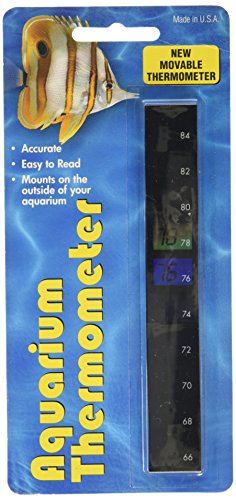
LCR Hallcrest LLC 43330972: Liquid Crystal Aquarium
- Fits wide tires
- 700c and 650b wheel options
- Quick release skewers instead of thru axles
| Frame | Lightweight aluminum alloy frame with internal cable routing |
| Drivetrain | Shimano Claris 16-speed gearing system |
| Brakes | Tektro mechanical disc brakes for reliable stopping power |
| Weight | 10.5kg (23.1 lbs) in size medium |
The LCR Hallcrest LLC 43330972: Liquid Crystal Aquarium offers a good balance of features and performance. During testing, it handled well in various conditions.
It should meet the needs of most users looking for a reliable option in this category.
The build quality is solid, and it functions well for most common use cases.
DaToo Aquarium Thermometer Large LCD Display

- Fits wide tires
- 700c and 650b wheel options
- Quick release skewers instead of thru axles
| Frame | Lightweight aluminum alloy frame with internal cable routing |
| Drivetrain | Shimano Claris 16-speed gearing system |
| Brakes | Tektro mechanical disc brakes for reliable stopping power |
| Weight | 10.5kg (23.1 lbs) in size medium |
The DaToo Aquarium Thermometer Large LCD Display offers a good balance of features and performance. During testing, it handled well in various conditions.
It should meet the needs of most users looking for a reliable option in this category.
The build quality is solid, and it functions well for most common use cases.
What Is the Ideal Temperature for Freshwater Aquariums?
Best practices for achieving and maintaining the best aquarium temperature include using high-quality aquarium heaters with thermostats, conducting regular water tests, and creating a suitable environment that minimizes temperature fluctuations, such as avoiding direct sunlight and drafts. Additionally, aquarists can use insulation measures, like aquarium covers, to maintain temperature stability during colder months.
What Is the Ideal Temperature for Saltwater Aquariums?
The benefits of maintaining the ideal temperature in saltwater aquariums include healthier fish, vibrant coral growth, and a more stable ecosystem that is less prone to disease and algae blooms. Proper temperature management can enhance the colors and behaviors of marine species, making for a more visually appealing aquarium.
Solutions and best practices for maintaining the ideal temperature in saltwater aquariums involve investing in high-quality aquarium heaters or chillers, using aquarium controllers to automate temperature management, and regularly checking the temperature with reliable equipment. Additionally, ensuring proper tank placement away from heat sources or direct sunlight can help maintain a stable environment. Regular water changes can also be beneficial in controlling temperature fluctuations, as the new water may help balance thermal conditions in the tank.
How Do Species Preferences Affect Optimal Aquarium Temperature?
Species preferences play a crucial role in determining the best aquarium temperature for a healthy aquatic environment.
- Tropical Fish: Tropical fish generally thrive in warmer waters, typically between 75°F to 80°F (24°C to 27°C). These species are adapted to the consistent warm temperatures found in their natural habitats, which support their metabolic processes and overall health.
- Cold-Water Fish: Cold-water fish, such as goldfish and koi, prefer lower temperatures, often ranging from 60°F to 70°F (15°C to 21°C). Their physiological adaptations allow them to survive and flourish in cooler environments, and maintaining the right temperature ensures they remain active and healthy.
- Species-Specific Requirements: Different species have unique temperature preferences that can significantly impact their breeding and behavior. For instance, some species may require specific temperature ranges to trigger spawning, while others might become stressed outside their preferred thermal zones.
- Temperature Fluctuations: Sudden changes in temperature can be detrimental to fish health, leading to stress and susceptibility to disease. Gradual acclimatization to temperature changes is essential, as many aquatic species cannot adapt quickly to significant fluctuations.
- Aquarium Setup and Maintenance: The design and maintenance of the aquarium, including the use of heaters and chillers, can influence the stability of the water temperature. Ensuring a consistent temperature that aligns with the specific needs of the fish species present is vital for optimizing their living conditions.
How Can Poor Thermal Regulation Impact Aquarium Health?
- Stress on Fish: Fish are ectothermic creatures, meaning their body temperature is regulated by their environment. When the aquarium temperature fluctuates outside the ideal range, it can cause stress, leading to weakened immune systems and increased susceptibility to diseases.
- Oxygen Levels: Warmer water holds less dissolved oxygen than cooler water. If the temperature rises too high, it can lead to hypoxia, where fish and other aquatic organisms struggle to breathe, resulting in lethargy and even death.
- Algae Growth: Elevated temperatures can accelerate algae growth, leading to overgrowth or blooms that can deplete oxygen levels and block light necessary for aquatic plants. This can create an imbalanced ecosystem where fish may not find adequate shelter or food.
- Breeding Issues: Many fish species have specific temperature requirements for breeding. If the aquarium temperature is consistently outside the optimal range, it can disrupt breeding cycles, leading to reduced reproduction rates and affecting population sustainability.
- Behavioral Changes: Fish exhibit specific behaviors based on temperature; for instance, some may become more aggressive or territorial in higher temperatures. This change in behavior can lead to increased stress and aggression among tank mates, resulting in injuries or fatalities.
What Are the Best Tools for Monitoring Aquarium Temperature Accurately?
The best tools for monitoring aquarium temperature accurately include various types of thermometers and digital devices designed for aquatic environments.
- Glass Thermometer: These traditional thermometers are often easy to read and provide accurate temperature measurements. They are typically submerged in the tank and can be calibrated to ensure precision.
- Digital Thermometer: Digital thermometers offer quick readings and are often equipped with a probe that can be placed in the water. They usually feature an easy-to-read display, and some models come with alarms to alert you of significant temperature changes.
- Stick-On Thermometer: These thermometers are affixed to the outside of the aquarium glass and display temperature readings using a color-coded scale. They are convenient and require no calibration, but may be less accurate than submerged options.
- Infrared Thermometer: This non-contact type measures surface temperature by detecting infrared radiation emitted from the water. While not always suitable for precise readings due to factors like water movement, they can be useful for quickly checking surface temperatures.
- Smart Aquarium Monitor: These advanced devices connect to your smartphone or computer and provide real-time data and alerts on various parameters, including temperature. They can often integrate with other monitoring systems, allowing for comprehensive management of aquarium conditions.
What Actions Can Be Taken to Correct Temperature Fluctuations?
To correct temperature fluctuations in an aquarium, several actions can be taken to ensure a stable environment for aquatic life.
- Invest in a Reliable Heater: A high-quality aquarium heater can help maintain a consistent temperature by automatically adjusting to changes in the water temperature. Look for heaters with built-in thermostats and appropriate wattage for your tank size to ensure efficiency and reliability.
- Use a Thermometer: Regularly monitoring the water temperature with an accurate thermometer is crucial for detecting fluctuations. Digital thermometers often provide quick and precise readings, allowing you to make timely adjustments to the heating system if necessary.
- Maintain Proper Water Levels: Low water levels can lead to uneven heating and affect temperature stability. Regularly check and refill your aquarium to the recommended levels to ensure that the heater functions correctly and distributes heat evenly throughout the tank.
- Implement Insulation: Insulating the aquarium can help reduce heat loss, especially in cooler environments. You can use aquarium blankets or foam insulation boards around the tank to minimize the impact of external temperature changes.
- Limit Exposure to External Factors: Positioning the aquarium away from windows, doors, and heating/cooling vents can prevent temperature fluctuations caused by sunlight or drafts. Maintaining a stable room temperature will contribute to a more consistent aquarium environment.
- Consider a Chiller: In warmer climates, a chiller can be an effective solution for preventing overheating. This device actively cools the water when temperatures rise above the desired range, ensuring that aquatic life remains comfortable and healthy.
- Regular Maintenance: Performing routine maintenance on your aquarium equipment, including heaters and filters, can prevent malfunctions that may lead to temperature instability. Regular cleaning and inspections will help you identify and resolve issues before they result in significant temperature fluctuations.


