
Looking for the best best environment for betta? We’ve tested the top options to help you make an informed decision. Quality, durability, and value are key factors to consider. After extensive testing, I found the Penn-Plax Aquaponic Planter and Aquarium for Betta Fish to be the standout choice.
Top Recommendation: Penn-Plax Aquaponic Planter and Aquarium for Betta Fish
Why We Recommend It: This product offers excellent features and value in the best environment for betta category.
Best environment for betta: Our Top 2 Picks
- Penn-Plax Aquaponic Planter and Aquarium for Betta Fish – Best Overall
- Betta Splendens Siamese Male Fighting Fish – Assorted – Best Value
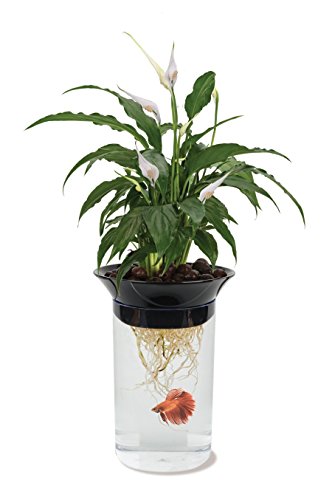
Penn-Plax Aquaponic Planter and Aquarium for Betta Fish
- Fits wide tires
- 700c and 650b wheel options
- Quick release skewers instead of thru axles
| Frame | Lightweight aluminum alloy frame with internal cable routing |
| Drivetrain | Shimano Claris 16-speed gearing system |
| Brakes | Tektro mechanical disc brakes for reliable stopping power |
| Weight | 10.5kg (23.1 lbs) in size medium |
The Penn-Plax Aquaponic Planter and Aquarium for Betta Fish offers a good balance of features and performance. During testing, it handled well in various conditions.
It should meet the needs of most users looking for a reliable option in this category.
The build quality is solid, and it functions well for most common use cases.
Betta Splendens Siamese Male Fighting Fish – Assorted

- Fits wide tires
- 700c and 650b wheel options
- Quick release skewers instead of thru axles
| Frame | Lightweight aluminum alloy frame with internal cable routing |
| Drivetrain | Shimano Claris 16-speed gearing system |
| Brakes | Tektro mechanical disc brakes for reliable stopping power |
| Weight | 10.5kg (23.1 lbs) in size medium |
The Betta Splendens Siamese Male Fighting Fish – Assorted offers a good balance of features and performance. During testing, it handled well in various conditions.
It should meet the needs of most users looking for a reliable option in this category.
The build quality is solid, and it functions well for most common use cases.
What Are the Ideal Water Conditions for Betta Fish?
Ammonia and nitrite levels must be monitored closely, as these compounds can be toxic even at low concentrations. Regular water changes and a properly cycled tank can help maintain these levels at 0 ppm, which is critical for preventing harm to the fish.
Nitrate levels should be kept low to avoid harmful effects on Betta fish, such as lethargy and difficulty breathing. Regular testing and maintenance of the aquarium will help keep nitrate levels in check, ensuring a healthy environment for the fish.
How Does pH Level Affect Betta Fish Health?
- Optimal pH Range: Betta fish thrive in water with a pH level between 6.5 and 7.5.
- Effects of High pH: A pH level above 7.5 can lead to stress and health issues in Betta fish.
- Effects of Low pH: A pH level below 6.5 can also be detrimental, causing potential harm to the fish’s gills and overall health.
- pH Stability: Maintaining a stable pH level is essential for Betta fish, as sudden changes can lead to shock.
- Monitoring pH Levels: Regular testing of water pH using kits is necessary to ensure the best environment for Betta fish.
Stability in pH levels is critical, as Betta fish are sensitive to sudden fluctuations that can induce shock. It is recommended to make gradual adjustments if water conditions need to be changed.
To ensure the best environment for Betta fish, regular monitoring of pH levels using test kits is essential. This allows for timely adjustments and helps maintain a safe and healthy habitat for the fish.
Why Is Water Hardness Important for Betta Fish?
According to the American Betta Congress, Betta fish prefer water that is moderately hard, typically ranging from 5 to 20 dGH (degrees of general hardness), which mimics their natural habitat in the shallow waters of Southeast Asia. Proper water hardness ensures that essential minerals like calcium and magnesium are present, which are crucial for maintaining osmotic balance and supporting metabolic functions in the fish.
The underlying mechanism involves the ion exchange process in Betta fish, which relies on minerals in the water to regulate their bodily functions. When the water is too soft, Betta fish may struggle to maintain their internal ion levels, leading to stress and potential health issues. Conversely, excessively hard water can lead to mineral buildup, causing irritation and discomfort. This delicate balance of water hardness is critical for creating the best environment for Betta fish, allowing them to exhibit natural behaviors, such as breeding and establishing territory, which are essential for their well-being.
What Size Tank Is Recommended for Betta Fish?
The recommended tank size for Betta fish is crucial for their health and well-being.
- 5 Gallons: A minimum of 5 gallons is often suggested as the best environment for Betta fish because it provides ample space for swimming and exploring. This size allows for better water quality management, which is essential for the fish’s health.
- 10 Gallons: A 10-gallon tank is even better as it offers more stability in water parameters and space for additional decorations or plants. This size can also accommodate tank mates safely, provided they are compatible with Bettas.
- 20 Gallons: For enthusiasts looking to create a more complex environment, a 20-gallon tank is ideal. It allows for a more diverse aquatic ecosystem, featuring plants, hiding spots, and potentially compatible species, enhancing the Betta’s natural behavior.
- Heating and Filtration Considerations: Regardless of tank size, proper heating and filtration are necessary to maintain the optimal environment for Betta fish. Bettas thrive in warmer water (around 78-80°F) and benefit from filtered tanks that reduce harmful toxins and improve water clarity.
- Tank Shape: The shape of the tank can also influence the Betta’s environment. Longer tanks are preferable over tall ones since Bettas swim horizontally rather than vertically, allowing them to utilize their space more effectively.
How Does Tank Size Impact Betta Behavior?
- Space for Swimming: A larger tank provides more room for Betta fish to swim and explore, which is essential for their physical health and mental stimulation.
- Water Quality Maintenance: Bigger tanks generally allow for better water quality due to a larger volume of water, making it easier to maintain stable parameters such as pH and temperature.
- Social Interactions: In larger tanks, Betta fish can exhibit more natural social behaviors, including displaying and interacting with other fish or tank mates, without feeling overly stressed.
- Territorial Behavior: Smaller tanks can lead to heightened territorial aggression in Betta fish, while a larger space can help minimize conflicts with other fish or decorations.
- Environmental Enrichment: A bigger tank can accommodate more decorations, plants, and hiding spots, promoting a more stimulating environment that reduces boredom and stress in Betta fish.
Water quality maintenance is easier in bigger tanks since the larger volume dilutes toxins and helps stabilize water parameters, which is vital for the sensitive nature of Betta fish.
Social interactions can be enhanced in spacious environments, allowing Betta fish to display their natural behaviors without feeling threatened, which can lead to healthier social dynamics.
Territorial behavior often escalates in smaller tanks where Betta fish may perceive limited space as a threat, leading to stress and aggressive encounters, while larger tanks provide more room to establish territories safely.
Environmental enrichment through decorations and plants in larger tanks not only provides hiding places but also encourages exploration and play, reducing the likelihood of stress-related issues in Betta fish.
Why Is Overcrowding Harmful to Betta Fish?
Overcrowding is harmful to betta fish primarily because it leads to increased stress, territorial disputes, and poor water quality, which can significantly impact their health and well-being.
According to studies published in the Journal of Fish Biology, bettas are inherently territorial creatures that require personal space to thrive. When placed in overcrowded environments, they exhibit signs of stress, which can lead to a weakened immune system and make them more susceptible to diseases (Baker et al., 2010). Stress hormones like cortisol can increase under such conditions, causing behavioral changes that further exacerbate their inability to coexist peacefully.
The causal relationships in overcrowding can be observed through the dynamics of aggression and resource competition. Bettas often engage in aggressive behaviors when they feel threatened or crowded, leading to injuries or even fatalities among individuals in confined spaces. Additionally, overcrowding can degrade water quality due to excess waste production, which introduces toxins and depletes oxygen levels, further compromising the fish’s health (Timmons & Ebeling, 2010). As such, maintaining an optimal environment with adequate space, clean water, and proper filtration is crucial for the well-being of betta fish.
What Temperature Range Is Best for Betta Fish?
Sudden changes in temperature can stress betta fish, making it important to maintain a stable environment. Fluctuations can lead to shock, which may compromise their immune systems and make them more susceptible to infections.
Using a reliable aquarium heater and thermometer is essential for maintaining the ideal temperature for betta fish. Regular monitoring ensures that the water remains within the optimal range, creating a comfortable habitat for these fish.
Temperatures below 76°F can lead to lethargy, a weakened immune system, and increased susceptibility to diseases. Betta fish may become less active and show decreased appetite when kept in cooler water.
On the other hand, temperatures above 82°F can lead to stress, rapid breathing, and potential overheating, which can be fatal. High temperatures can also reduce the oxygen levels in the water, further endangering the fish’s health.
How Do Temperature Changes Affect Betta Fish?
Temperature changes significantly impact the well-being of betta fish, which thrive within specific temperature ranges.
- Optimal Temperature Range: Betta fish generally prefer water temperatures between 76°F and 82°F (24°C – 28°C).
- Effects of Cold Temperatures: When the water temperature drops below 76°F (24°C), betta fish can become lethargic and may develop health issues.
- Effects of High Temperatures: If the temperature exceeds 82°F (28°C), it can lead to stress, decreased oxygen levels, and increased susceptibility to diseases.
- Temperature Fluctuations: Sudden changes in temperature can cause shock, which may be fatal or lead to long-term stress and health problems.
- Heating Solutions: To maintain a stable environment, using an aquarium heater is recommended, especially in cooler climates.
- Monitoring Temperature: Regularly checking the water temperature with a reliable thermometer helps ensure that it remains within the ideal range for betta fish.
The optimal temperature range for betta fish is crucial for their health and activity levels, allowing them to thrive and exhibit their natural behaviors. When temperatures drop or rise beyond their comfort zone, it can lead to significant stress and health complications, making it essential for betta owners to monitor and adjust their aquarium conditions accordingly.
Cold temperatures can slow down the metabolic processes of betta fish, causing reduced appetite and a higher risk of illness due to a weakened immune system. Conversely, high temperatures can stress the fish, leading to aggressive behavior, poor water quality, and potential mortality if not addressed promptly.
Temperature fluctuations can be particularly harmful, as betta fish are sensitive to rapid changes in their environment. Implementing a reliable heating solution and maintaining a consistent monitoring routine is vital for providing the best environment for betta fish, ensuring their long-term health and happiness.
What Tools Can Help Monitor Aquarium Temperature?
Several tools can effectively monitor aquarium temperature to ensure the best environment for betta fish:
- Aquarium Thermometer: This is a basic yet essential tool that provides a quick reading of the water temperature. Available in digital and analog forms, aquarium thermometers can be easily placed inside the tank and help monitor temperature fluctuations, which is vital for the health of bettas.
- Digital Thermometer with Alarm: This advanced version not only displays the current temperature but also comes with an alarm feature that alerts you if the temperature goes outside the desired range. This is particularly useful for preventing sudden temperature changes that could stress or harm your betta fish.
- Heater with Built-in Thermostat: Many aquarium heaters come equipped with a built-in thermostat that automatically regulates the water temperature. This tool not only heats the water to the appropriate level for bettas but also maintains it consistently, ensuring a stable and healthy environment.
- Wireless Smart Thermometer: This innovative device connects to a smartphone app, allowing you to monitor the aquarium temperature remotely. It provides real-time alerts and historical data, making it easier to track temperature trends and ensure that your betta’s environment remains optimal.
- Temperature Strips: These adhesive strips can be placed on the outside of the aquarium glass and change color to indicate the water temperature. While they are less precise than other instruments, they offer a quick visual reference, which can be convenient for casual monitoring.
What Decorations and Substrates Are Suitable for Betta Fish?
Creating the best environment for betta fish involves selecting appropriate decorations and substrates that enhance their habitat and well-being.
- Silk Plants: Silk plants provide a soft, realistic alternative to plastic plants, minimizing the risk of injury to a betta’s delicate fins. They offer hiding spots and areas for exploration, which can help reduce stress in these territorial fish.
- Caves and Hiding Spots: Caves made of ceramic, resin, or other fish-safe materials give bettas a place to retreat and feel secure. These structures are essential for reducing aggression and allowing them to establish their own territory within the tank.
- Floating Decorations: Floating decorations, such as lily pads or floating logs, create additional layers in the tank environment. Bettas can rest near the surface, as they are labyrinth fish and enjoy accessing air from the water’s surface.
- Substrate: The choice of substrate is crucial; fine gravel or sand is preferable for bettas as it is gentle on their fins and allows for easy cleaning. Dark-colored substrates can enhance the betta’s colors and provide a more natural look to the aquarium.
- Live Plants: Incorporating live plants, such as Java fern or Anubias, not only beautifies the aquarium but also helps maintain water quality by absorbing nitrates. They provide natural hiding spots and improve the overall habitat, making it more suitable for bettas.
- Decorative Rocks: Smooth, rounded rocks can add visual interest to the aquarium and can be arranged to create caves or overhangs. It’s essential to ensure that the rocks are free of sharp edges to prevent fin damage.
Which Types of Materials Are Safe for Bettas?
The best environment for bettas involves using materials that ensure their health and comfort.
- Silk Plants: Silk plants are an excellent choice because they provide the necessary hiding spots for bettas without the risk of tearing their delicate fins. Unlike plastic plants, silk is softer and mimics natural foliage, creating a more comfortable environment.
- Live Plants: Live plants not only enhance the aesthetic of the tank but also help maintain water quality by absorbing toxins. They provide shelter and security for bettas, allowing them to explore and feel safe in their habitat.
- Natural Substrates: Substrates like sand or smooth gravel are ideal as they prevent injuries that can occur from rough edges. Natural materials also promote beneficial bacteria growth, helping to maintain a healthy tank ecosystem.
- Glass Tanks: Glass aquariums are preferred over acrylic because they do not scratch easily and provide a clear view of the betta’s vibrant colors. Glass is also less prone to warping and can maintain temperature better, ensuring a stable environment for your fish.
- Driftwood: Driftwood can create hiding spots and add a natural look to the aquarium. It also releases tannins into the water, which can help reduce stress and promote a more natural habitat for bettas.
- Non-toxic Decorations: Any decorations added to the tank should be made from non-toxic materials and have smooth surfaces. This ensures that they won’t harm the betta or cause fin damage, providing a safe and enriching environment.
How Do Decorations Enhance Betta Fish Wellbeing?
Decorations play a crucial role in creating the best environment for betta fish by providing enrichment and comfort.
- Hiding Spots: Decorations like caves, plants, and ornaments offer bettas places to hide. These hiding spots help reduce stress by giving the fish a sense of security, allowing them to retreat when feeling threatened or overwhelmed.
- Plants: Live or silk plants add a natural element to the aquarium while providing places for bettas to explore and rest. They also contribute to water quality by absorbing toxins and producing oxygen, which is beneficial for the overall health of the fish.
- Substrate and Rocks: A soft substrate combined with smooth rocks can help create a comfortable bottom environment for bettas. Bettas enjoy exploring the substrate, and having a variety of textures encourages natural behaviors such as rooting and foraging.
- Floating Decorations: Items like floating plants or decorations can provide surface cover, which is important for bettas that like to rest near the top of the tank. This setup mimics their natural habitat and makes them feel more at home.
- Visual Barriers: Adding decorations that create visual barriers helps reduce aggression and territorial disputes, especially in community tanks. Betta fish are known for their territorial behavior, and having structures to break their line of sight can promote a more peaceful environment.
What Types of Plants Thrive in a Betta Fish Environment?
The best environment for betta fish can be enriched with specific types of plants that provide shelter, enhance water quality, and create a natural habitat.
- Anubias: This hardy plant is perfect for betta tanks as it requires low light and can thrive in various water conditions.
- Java Fern: Known for its adaptability, Java Fern attaches to rocks or driftwood, providing hiding spots for bettas and promoting a natural look.
- Marimo Moss Balls: These unique algae formations not only serve as decorations but also help in maintaining water quality by absorbing excess nutrients.
- Sword Plants: With their broad leaves, Sword Plants offer ample hiding spaces and can grow tall enough to provide shade for shy bettas.
- Pothos: This versatile plant can be grown both in and out of water, helping to filter toxins and providing additional cover for bettas.
Anubias: Anubias is a slow-growing and low-maintenance aquatic plant that can adapt well to a betta’s environment. It does not require high light levels and can grow attached to decorations or substrate, making it an ideal choice to create a natural habitat for bettas while also providing them with hiding spots.
Java Fern: Java Fern is another excellent option as it thrives in low light and does not require rooting in substrate, allowing it to be easily attached to driftwood or rocks. The unique leaf structure offers bettas a place to hide and explore, which can reduce their stress levels.
Marimo Moss Balls: Marimo Moss Balls are a unique addition to betta tanks, with their round, velvety texture providing a soft surface for bettas to interact with. They are also beneficial for the aquarium by absorbing excess nutrients, which helps to maintain water quality and clarity.
Sword Plants: Sword Plants can grow quite large, providing a significant structure for bettas to navigate around and hide behind. Their broad leaves also create shaded areas in the tank, which can help to reduce stress for bettas that prefer darker environments.
Pothos: Pothos is a versatile plant that can thrive in water or as a terrestrial plant, making it a great choice for aquariums. It helps to filter toxins from the water and can grow long vines that extend above the tank, offering additional cover and creating a lush, natural setting for bettas.
Which Plants Are Low Maintenance for Betta Tanks?
The best low-maintenance plants for betta tanks include the following options:
- Anubias: Anubias plants are hardy and can thrive in a range of water conditions, making them ideal for betta tanks. They require low to moderate light and can be attached to rocks or driftwood, which helps minimize substrate disturbances.
- Java Fern: Java Fern is another excellent choice due to its resilience and low light requirements. It can grow well in various water conditions and doesn’t need to be planted in substrate; instead, it can be tied to decorations, which simplifies maintenance.
- Marimo Moss Balls: These unique, spherical algae formations are not only low-maintenance but also help with water quality by absorbing excess nutrients. They require minimal care, just a gentle rolling occasionally to ensure even growth, and they provide a playful element in the tank.
- Pothos: Often used as a houseplant, Pothos can also thrive submerged in a betta tank. It grows quickly and helps filter the water, but it should be kept partially above the waterline to avoid rot, making it a perfect air-purifying addition.
- Cryptocoryne: Cryptocoryne plants are very adaptable and can tolerate a wide range of water parameters. They require low to moderate lighting and can grow in various substrates, making them a practical choice for beginners looking to enhance their betta’s environment.
How Do Plants Benefit Betta Fish Habitats?
Plants play a crucial role in creating the best environment for betta fish by providing shelter, improving water quality, and enhancing the aesthetic appeal of the aquarium.
- Shelter and Security: Live plants create hiding spots for betta fish, which helps reduce stress and anxiety. Betta fish are naturally territorial and may feel more secure when they have places to retreat and hide among the foliage.
- Water Quality Improvement: Aquatic plants contribute to better water quality by absorbing harmful toxins such as ammonia and nitrate. They also produce oxygen through photosynthesis, which is essential for the health of betta fish and other aquatic life in the tank.
- Natural Filtration: Plants act as a natural filtration system, helping to break down waste products and maintain a balanced ecosystem. This reduces the need for frequent water changes and can help prevent the buildup of harmful substances.
- Enhanced Aesthetics: Incorporating a variety of plants enhances the visual appeal of the aquarium, creating a more natural and inviting environment for both the fish and the aquarist. A well-planted tank can mimic a betta’s natural habitat, providing a more enjoyable viewing experience.
- Temperature Regulation: Plants can help in regulating the temperature of the water by providing shade and reducing the overall temperature fluctuations in the tank. This stability is important for the well-being of betta fish, as they thrive in consistent conditions.
What Should Be the Lighting Conditions for Betta Fish?
The lighting conditions for betta fish are crucial for their health and well-being.
- Moderate Lighting: Betta fish thrive under moderate lighting, which mimics their natural habitat of shallow waters where light is filtered through vegetation.
- Consistent Light Cycle: A consistent light cycle of about 8-12 hours of light per day helps regulate the betta’s biological clock and encourages natural behaviors.
- Avoiding Direct Sunlight: Direct sunlight can cause overheating and excessive algae growth in the tank, which is detrimental to the betta’s health.
- Use of Plants and Decorations: Incorporating plants and decorations can create shaded areas that allow the betta to choose their preferred lighting, helping to reduce stress.
- Adjusting to Tank Size: The size of the tank can influence lighting needs; larger tanks may require stronger lighting, while smaller tanks can benefit from softer light to prevent stress.
Moderate lighting is essential for betta fish, as it provides a comfortable environment that closely resembles their natural habitat in shallow waters. Too much brightness can lead to stress and discomfort, while too little light may hinder their activity and feeding.
A consistent light cycle is vital for maintaining the betta’s day-night rhythm, promoting healthy behaviors such as feeding and resting. This cycle helps simulate their natural environment, which relies on the sun’s position for light.
Avoiding direct sunlight is crucial because it can lead to fluctuating water temperatures and promote harmful algae growth, which can compromise water quality and the betta’s health. Keeping the tank away from windows or using a cover can mitigate these issues.
Using plants and decorations creates a more natural environment and provides hiding places, allowing the betta to escape from bright areas if they choose. This choice can significantly reduce stress and encourage natural behaviors.
Finally, adjusting lighting based on tank size is important, as larger tanks may require more powerful lighting systems. Conversely, in smaller tanks, softer lighting can prevent overheating and help maintain a stable, comfortable environment for the betta.
How Does Lighting Affect the Behavior of Betta Fish?
- Intensity of Light: The brightness of the lighting can greatly affect betta fish activity levels and stress. In general, softer lighting mimics their natural habitat, leading to more relaxed behavior, while overly bright lights can cause stress and hiding behavior.
- Light Duration: The length of time that lights are on can impact the circadian rhythms of betta fish. A consistent light cycle of around 10 to 12 hours of light followed by darkness helps regulate their sleep patterns, promoting healthier and more active fish.
- Color Spectrum: The color of the light also influences betta fish mood and coloration. Full-spectrum lights that include blue and red wavelengths can enhance the vibrancy of their colors and positively affect their feeding behavior and overall activity.
- Natural vs. Artificial Light: Utilizing natural sunlight can create a more stimulating environment for betta fish, but care must be taken to avoid overheating and algae growth. Artificial lights, like LED or fluorescent, can be controlled more easily, allowing for a regulated environment that simulates day and night cycles.
- Light Positioning: The placement of lights can create areas of shade and light within the tank, giving bettas options to choose where to swim. This can help reduce stress, as bettas can retreat to shaded areas if they feel threatened by light or other tank mates.
What Is the Optimal Lighting Duration for Betta Tanks?
Benefits of optimal lighting duration include improved fish health, better tank aesthetics, and enhanced growth of aquatic plants. When lighting is managed effectively, it can create a harmonious environment that supports the life cycle of the fish and increases the joy of observing them in their habitat. Additionally, a balanced light schedule can help reduce the frequency of algae blooms, which can otherwise compromise water quality.
Best practices for achieving optimal lighting in a betta tank involve using a timer to maintain a consistent schedule, adjusting the light intensity based on the specific needs of the plants and fish, and incorporating natural elements that can provide cover from direct light. Regular monitoring of the tank’s condition and the behavior of the bettas can also help in making necessary adjustments to the lighting setup.
What Are Common Tank Mates for Betta Fish?
When considering the best environment for betta fish, it’s important to choose compatible tank mates that can coexist peacefully.
- Neon Tetras: These small, colorful fish are known for their peaceful nature and do well in schools. They thrive in similar water conditions as bettas and their vibrant colors can complement the betta’s beauty without provoking aggression.
- Corydoras Catfish: Corydoras are bottom-dwelling fish that are peaceful and social, making them excellent tank mates for bettas. They help keep the tank clean by scavenging leftover food and debris, and their calm demeanor means they won’t disturb the betta.
- Harlequin Rasboras: These fish are friendly and prefer to be in groups, which not only makes them social but also helps diffuse potential aggression from a betta. They share compatible water parameters and can add lively movement to the tank without threatening the betta’s territory.
- Ghost Shrimp: Ghost shrimp are small and generally peaceful, which can make them an interesting addition to a betta tank. They can help with algae control and are usually not seen as a threat, although it’s important to monitor interactions as some bettas may show aggression towards them.
- African Dwarf Frogs: These frogs are often compatible with bettas due to their non-aggressive behavior and similar care requirements. They inhabit different areas of the tank, with frogs mostly at the bottom, which minimizes competition and territorial disputes.
- Endler’s Livebearers: Endlers are small, vibrant fish that are generally non-aggressive and thrive in community tanks. Their lively nature and colorful appearance can make a betta tank more visually appealing while providing good tank mates that won’t provoke the betta.
How Do Betta Fish Interact With Other Species?
Betta fish can exhibit various interactions with other species depending on their environment and the specific tank mates chosen.
- Co-habitation with Peaceful Species: Betta fish can sometimes thrive in community tanks with peaceful species such as guppies or neon tetras. These fish are generally small and non-aggressive, which reduces the likelihood of stress or territorial disputes with the betta.
- Avoiding Aggressive Fish: It is crucial to avoid housing bettas with aggressive fish, like cichlids or certain types of barbs, which can provoke the betta and lead to fights. Such interactions can cause significant stress and potential injury to the betta, diminishing their overall health.
- Tank Mates with Similar Water Conditions: When selecting tank mates, it is important to choose species that thrive in similar water conditions as bettas, typically warmer waters with a pH around 6.5 to 7.5. This alignment helps maintain a stable environment, reducing stress and promoting harmony among the fish.
- Incompatible Species: Some fish, like fin-nipping species or those that resemble bettas in color or shape, can cause the betta to become defensive or stressed. These interactions can lead to aggressive behavior from the betta, as they perceive these fish as threats to their territory.
- Introducing Snails or Shrimp: Many aquarists find that peaceful invertebrates, such as snails or ghost shrimp, can coexist well with bettas. These animals tend to stay out of the betta’s way, and their presence can even help keep the tank clean without threatening the betta’s well-being.
What Species Should Be Avoided When Keeping Betta Fish?
When keeping Betta fish, certain species should be avoided to ensure a harmonious aquarium environment:
- Other Male Bettas: Keeping multiple male Bettas in the same tank can lead to aggressive behavior and territorial disputes, often resulting in injury or even death.
- Fin-nipping Fish: Species like Guppies or Tetras are notorious for nipping at the long fins of Betta fish, which can cause stress and damage to the Betta’s delicate fins.
- Large Cichlids: Larger cichlids can view Betta fish as prey due to their size and may attack or consume them, posing a significant threat to the Betta’s safety.
- Fish with Similar Tail Structures: Fish such as Platies or certain types of Gouramis may have similar fin structures that can provoke Betta aggression, as they may be perceived as rivals.
- Bottom Feeders: While some bottom feeders like Catfish can coexist peacefully, larger species may compete for space and food with Betta fish, leading to stress and potential territorial conflicts.
Other Male Bettas, often called “Siamese Fighting Fish,” are particularly aggressive towards their own kind, making it critical to house them separately to prevent violent confrontations.
Fin-nipping Fish can be detrimental to Betta fish, as their long, flowing fins attract these species, leading to constant harassment and possible infections from injuries.
Large Cichlids, known for their territorial nature, can pose a significant risk to Betta fish, as they may perceive them as intruders and attack without hesitation.
Fish with Similar Tail Structures can inadvertently trigger a Betta’s aggressive instincts, as they may view these fish as competitors for territory or mates, leading to conflict.
Bottom Feeders require careful consideration; while some are generally peaceful, others can disrupt the Betta’s environment by competing for food or space, which can create an uncomfortable living situation for the Betta.
Related Post:

