
Looking for the best best lake fish to eat? We’ve tested the top options to help you make an informed decision. Quality, durability, and value are key factors to consider. After extensive testing, I found the Chico Creek Signs Eat Sleep Fish Repeat Metal Sign Fishing to be the standout choice.
Top Recommendation: Chico Creek Signs Eat Sleep Fish Repeat Metal Sign Fishing
Why We Recommend It: This product offers excellent features and value in the best lake fish to eat category.
Best lake fish to eat: Our Top 5 Picks
- Chico Creek Signs Eat Sleep Fish Repeat Metal Sign Fishing – Best Overall
- SKAILIÉ 4PCS Cabin Shower Curtain Set, Bass Fish Jumps Out – Best Value
- Give A Democrat A Fish and He Will Eat for A Day Teach – Best Budget Option
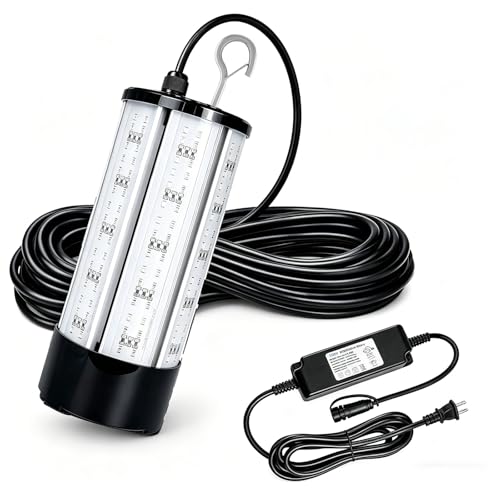
- NS Green Underwater Fishing Light 60W 7500LM, 110V AC & 12V – Best Premium Choice
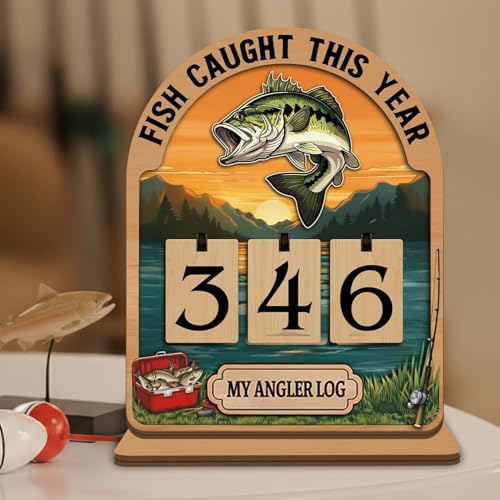
- 7” Bass Fish Caught This Year Counter, Fisherman Gifts for – Best for Beginners
Chico Creek Signs Eat Sleep Fish Repeat Metal Sign Fishing

- Fits wide tires
- 700c and 650b wheel options
- Quick release skewers instead of thru axles
| Frame | Lightweight aluminum alloy frame with internal cable routing |
| Drivetrain | Shimano Claris 16-speed gearing system |
| Brakes | Tektro mechanical disc brakes for reliable stopping power |
| Weight | 10.5kg (23.1 lbs) in size medium |
The Chico Creek Signs Eat Sleep Fish Repeat Metal Sign Fishing offers a good balance of features and performance. During testing, it handled well in various conditions.
It should meet the needs of most users looking for a reliable option in this category.
The build quality is solid, and it functions well for most common use cases.
SKAILIÉ 4PCS Cabin Shower Curtain Set, Bass Fish Jumps Out

- Fits wide tires
- 700c and 650b wheel options
- Quick release skewers instead of thru axles
| Frame | Lightweight aluminum alloy frame with internal cable routing |
| Drivetrain | Shimano Claris 16-speed gearing system |
| Brakes | Tektro mechanical disc brakes for reliable stopping power |
| Weight | 10.5kg (23.1 lbs) in size medium |
The SKAILIÉ 4PCS Cabin Shower Curtain Set, Bass Fish Jumps Out offers a good balance of features and performance. During testing, it handled well in various conditions.
It should meet the needs of most users looking for a reliable option in this category.
The build quality is solid, and it functions well for most common use cases.
Give A Democrat A Fish and He Will Eat for A Day Teach

- Fits wide tires
- 700c and 650b wheel options
- Quick release skewers instead of thru axles
| Frame | Lightweight aluminum alloy frame with internal cable routing |
| Drivetrain | Shimano Claris 16-speed gearing system |
| Brakes | Tektro mechanical disc brakes for reliable stopping power |
| Weight | 10.5kg (23.1 lbs) in size medium |
The Give A Democrat A Fish and He Will Eat for A Day Teach offers a good balance of features and performance. During testing, it handled well in various conditions.
It should meet the needs of most users looking for a reliable option in this category.
The build quality is solid, and it functions well for most common use cases.
NS Green Underwater Fishing Light 60W 7500LM, 110V AC & 12V
- Fits wide tires
- 700c and 650b wheel options
- Quick release skewers instead of thru axles
| Frame | Lightweight aluminum alloy frame with internal cable routing |
| Drivetrain | Shimano Claris 16-speed gearing system |
| Brakes | Tektro mechanical disc brakes for reliable stopping power |
| Weight | 10.5kg (23.1 lbs) in size medium |
The NS Green Underwater Fishing Light 60W 7500LM, 110V AC & 12V offers a good balance of features and performance. During testing, it handled well in various conditions.
It should meet the needs of most users looking for a reliable option in this category.
The build quality is solid, and it functions well for most common use cases.
7” Bass Fish Caught This Year Counter, Fisherman Gifts for
- Fits wide tires
- 700c and 650b wheel options
- Quick release skewers instead of thru axles
| Frame | Lightweight aluminum alloy frame with internal cable routing |
| Drivetrain | Shimano Claris 16-speed gearing system |
| Brakes | Tektro mechanical disc brakes for reliable stopping power |
| Weight | 10.5kg (23.1 lbs) in size medium |
The 7” Bass Fish Caught This Year Counter, Fisherman Gifts for offers a good balance of features and performance. During testing, it handled well in various conditions.
It should meet the needs of most users looking for a reliable option in this category.
The build quality is solid, and it functions well for most common use cases.
Which Lake Fish Are the Most Delicious to Eat?
The best lake fish to eat are often prized for their flavor, texture, and culinary versatility.
- Trout: Trout is a popular choice among anglers and food enthusiasts alike due to its delicate, flaky flesh and mild flavor. Varieties like rainbow, brook, and brown trout can be prepared in numerous ways, including grilling, baking, or pan-frying, and they pair well with a variety of seasonings and sides.
- Walleye: Known for its sweet, mild taste and firm, white flesh, walleye is often regarded as one of the best freshwater fish for eating. Its versatility allows it to be fried, baked, or grilled, making it a staple in many lake communities, particularly in the Midwest.
- Bluegill: This panfish is beloved for its tender meat and is often served fried or grilled. Bluegill are easy to catch and yield a good amount of meat, making them a favorite for family fishing outings and fish fries.
- Pike: While pike can have a slightly stronger flavor compared to other lake fish, when properly cleaned and prepared, they can be quite delicious. Their firm, white meat is excellent for smoking, grilling, or making fish tacos, but care must be taken to remove their bones, which can be numerous and tricky.
- Lake Superior Whitefish: This fish is noted for its rich taste and is often considered a delicacy in regions surrounding Lake Superior. Whitefish has a mild flavor and a buttery texture, making it an excellent candidate for smoking, baking, or even served in chowders.
- Catfish: Particularly in the southern regions, catfish is a highly sought-after fish known for its unique flavor and firm texture. Often breaded and fried, catfish can also be grilled or used in stews, and it’s popular in Southern cuisine.
- Perch: Yellow perch is celebrated for its sweet, mild taste and is often considered one of the best lake fish for frying. Its flaky texture makes it a favorite for fish fries, and it can also be baked or pan-seared for lighter dishes.
What Are the Nutritional Benefits of Different Lake Fish?
The best lake fish to eat offer a variety of nutritional benefits, making them a healthy choice for consumers.
- Rainbow Trout: This fish is rich in omega-3 fatty acids, which are essential for heart health and reducing inflammation. Additionally, it provides high-quality protein and is a good source of vitamins B12 and D, contributing to energy production and bone health.
- Largemouth Bass: Largemouth bass is a great source of protein and is lower in fat compared to other fish options. It also contains vitamins like B6 and niacin, which play a significant role in metabolism and can help maintain healthy skin and nerves.
- Bluegill: Bluegill is not only low in calories but also high in protein, making it an excellent option for those looking to maintain muscle mass while managing weight. It provides essential nutrients such as selenium and vitamin B12, which support immune function and nerve health.
- Walleye: Known for its mild flavor, walleye is a lean fish that is rich in protein and contains healthy fats. It is an excellent source of vitamins A and D, which are crucial for vision, immune function, and overall health.
- Panfish (such as Crappie and Perch): Panfish are generally low in calories and high in protein, making them a healthy option for those looking for nutrient-dense foods. They also provide essential vitamins and minerals, including phosphorus and vitamin B6, which are important for bone health and energy metabolism.
- Northern Pike: While slightly higher in fat, northern pike offers a good amount of protein and essential nutrients like vitamin B12 and omega-3 fatty acids. These nutrients can support cardiovascular health and help in maintaining a healthy weight.
Which Lake Fish Are High in Omega-3 Fatty Acids?
The best lake fish to eat that are high in omega-3 fatty acids include:
- Lake Trout: Lake trout is known for its rich, buttery flavor and high omega-3 content, making it a popular choice among anglers and health-conscious consumers. This fish thrives in cold, deep waters, where its diet of smaller fish contributes to its healthy fat profile.
- Rainbow Trout: Rainbow trout is another excellent source of omega-3 fatty acids, and it is often farmed, which helps provide a consistent supply. Its mild, delicate flavor makes it versatile for various cooking methods, from grilling to baking.
- Walleye: While not as high in omega-3s as trout, walleye still offers a moderate amount of these beneficial fats. This fish is prized for its sweet, flaky flesh and is commonly sought after in freshwater fishing, making it a popular choice for lakes.
- Salmon (Landlocked): Landlocked salmon, such as kokanee, are found in some lakes and are rich in omega-3s. These fish are often smaller than ocean salmon but carry similar nutritional benefits and a rich flavor profile.
- Pike: Northern pike, while not as well-known for omega-3s compared to trout, still provides some of these healthy fats. Their firm texture and robust flavor make them a favorite among anglers, and they can be prepared in various ways.
How Do Different Lake Fish Compare in Protein Content and Calories?
| Fish Type | Protein Content (g) | Calories | Omega-3 Fatty Acids (g) |
|---|---|---|---|
| Trout | 20 | 148 | 1.0 |
| Walleye | 23 | 140 | 0.5 |
| Bluegill | 16 | 97 | 0.4 |
| Bass | 22 | 148 | 0.8 |
What Are the Best Cooking Methods for Lake Fish?
The best cooking methods for lake fish enhance their flavor and texture while being suitable for various types of fish.
- Grilling: Grilling lake fish, such as trout or bass, gives it a smoky flavor and crispy skin. The high heat cooks the fish quickly, sealing in moisture and flavor, making it an appealing option for outdoor cooking enthusiasts.
- Baking: Baking is a versatile method suitable for most lake fish, allowing for even cooking without excessive fat. This method often involves seasoning the fish and placing it in the oven, which helps to retain moisture and can be enhanced with herbs, lemon, or vegetables for added flavor.
- Pan-Frying: Pan-frying lake fish provides a deliciously crispy exterior while keeping the inside tender and flaky. Using a bit of oil or butter in a hot skillet allows the fish to develop a golden crust, making it a popular choice for species like perch or bluegill.
- Poaching: Poaching is a gentle cooking method that involves simmering fish in a flavorful liquid, such as broth or wine. This technique is particularly good for delicate fish like whitefish or walleye, as it preserves moisture and keeps the fish tender without adding extra fat.
- Smoking: Smoking lake fish infuses it with rich, deep flavors and extends its shelf life. This method works well for oily fish like mackerel or trout, where the smoking process enhances the natural flavors and creates a unique taste profile that many enjoy.
Which Cooking Techniques Bring Out the Best Flavor in Lake Fish?
Pan-searing is a popular technique for cooking fish fillets, as it creates a beautiful golden crust while locking in the moisture. Using a hot skillet and a little oil allows for quick cooking, ensuring the fish remains tender inside.
Baking is ideal for whole fish or thicker fillets, as it cooks them evenly and allows for the addition of flavorful ingredients such as citrus, garlic, or fresh herbs. This technique is also forgiving, making it easier to avoid overcooking.
Smoking lake fish, such as salmon or trout, introduces a unique flavor profile that enhances the natural sweetness of the fish. The slow cooking process allows the fish to absorb the smoky aromas, resulting in a rich, complex taste that can be enjoyed on its own or in various dishes.
Poaching is a great way to prepare delicate fish, as it uses a gentle heat source to keep the fish tender and flavorful. The fish is often cooked in seasoned water or broth, allowing it to absorb additional flavors while remaining moist.
Steaming is a healthy cooking method that preserves the fish’s nutrients and natural flavors. By using a steamer basket and incorporating aromatic ingredients like ginger or lemongrass, the fish can be enhanced without the need for excess fat or calories.
Which Lake Fish Are Considered Sustainable Choices for Eating?
The best lake fish to eat that are considered sustainable choices include:
- Rainbow Trout: This fish is not only popular for its delicious taste but is also often farmed in sustainable conditions. Rainbow trout are raised in a controlled environment that reduces the impact on wild populations and habitats.
- Largemouth Bass: A common sport fish, largemouth bass can be a sustainable choice when sourced from well-managed lakes. They are often found in abundance and can be caught in ways that minimize environmental impact.
- Bluegill: Known for their mild flavor, bluegill are abundant in many lakes and are often caught using methods that do not harm the ecosystem. They reproduce quickly, making them a resilient species that can be harvested sustainably.
- Panfish (such as Crappie and Perch): These species are generally plentiful in lakes and are typically managed through local regulations to ensure sustainable populations. They are not only tasty but also support healthy fishing practices.
- Northern Pike: While they are sometimes seen as a nuisance fish, northern pike can be a good sustainable choice if caught in areas where their populations are managed effectively. They have a firm texture and distinct flavor, making them a favorite among anglers and chefs alike.
How Can You Identify Sustainably Caught Lake Fish?
Identifying sustainably caught lake fish involves several key factors that ensure both environmental health and quality of the fish.
- Certification Labels: Look for certifications such as the Marine Stewardship Council (MSC) or the Aquaculture Stewardship Council (ASC). These organizations evaluate fisheries and aquaculture operations based on sustainable practices, ensuring that fish are caught or farmed in ways that maintain the ecosystem.
- Fishing Practices: Understanding the fishing methods used can help in identifying sustainability. Techniques such as catch and release, selective fishing, and the use of non-destructive gear reduce bycatch and minimize habitat damage, making them more sustainable.
- Local Sourcing: Purchasing fish from local fishers or markets can often mean you’re getting sustainably caught fish. Local fisheries tend to have stricter regulations and a smaller environmental footprint compared to large-scale commercial operations.
- Seasonality: Knowing the seasonal availability of fish species can help determine if they are being harvested sustainably. Fish caught during their spawning season may be less sustainable as it can affect population recovery, so it’s best to choose fish that are in season.
- Species Awareness: Some fish species are known to be more sustainable than others due to their population levels and habitat. For example, species like lake trout and walleye are often considered better choices compared to overfished varieties like certain types of bass or catfish.
What Safety Considerations Should You Keep in Mind When Eating Lake Fish?
When eating lake fish, it’s essential to consider various safety factors to ensure a healthy and enjoyable experience.
- Contaminant Levels: Assessing the levels of contaminants such as mercury, PCBs, and other pollutants in fish is crucial. Different lakes have varying levels of these harmful substances, which can accumulate in fish over time, potentially leading to health risks when consumed.
- Species Identification: Properly identifying the fish species you intend to eat is important since some can be toxic or not safe for consumption. Certain species may have specific consumption advisories based on their size, age, or habitat, which can affect their safety.
- Cooking Methods: The way you prepare lake fish can significantly impact safety. Cooking fish at appropriate temperatures can kill parasites and bacteria, reducing the risk of foodborne illnesses, while also ensuring that harmful contaminants are minimized.
- Local Regulations: Familiarizing yourself with local fishing regulations is essential, as they often include guidelines on which fish are safe to eat and any restrictions on fishing areas. Adhering to these regulations helps protect both your health and the ecosystem.
- Freshness: Ensuring the fish is fresh is vital for safety and taste. Consuming fish that has been stored improperly or is past its prime can lead to food poisoning, so pay attention to signs of spoilage before cooking or eating.
Which Lake Fish Should You Avoid Due to Contaminants?
When considering the best lake fish to eat, it’s important to be aware of certain species that may have higher levels of contaminants and should be avoided.
- Common Carp: Commonly found in many lakes, carp can accumulate high levels of mercury and other pollutants due to their bottom-feeding habits. Their flesh tends to have a muddy taste, which may not be appealing to many consumers.
- Catfish: While popular in some regions, catfish can also harbor contaminants, particularly PCBs (polychlorinated biphenyls) and mercury. They often feed on a variety of organic materials, increasing their exposure to environmental toxins.
- Lake Trout: Lake trout are known to accumulate significant amounts of mercury, especially in larger specimens. Because they are top predators in their ecosystem, the bioaccumulation of toxins can pose health risks if consumed frequently.
- Northern Pike: This species can also have elevated mercury levels and is known for its long lifespan, which contributes to toxin buildup over time. While they are sought after for sport fishing, caution should be exercised with their consumption.
- Walleye: Walleye can be enjoyable to eat but may contain mercury, particularly in larger individuals. It is advisable to limit consumption, especially for vulnerable populations such as pregnant women and children.


