
Looking for the best best fish to get for kids? We’ve tested the top options to help you make an informed decision. Quality, durability, and value are key factors to consider. After extensive testing, I found the Bitzee Aquarium Interactive Fish Tank Toy & Digital Pet, to be the standout choice.
Top Recommendation: Bitzee Aquarium Interactive Fish Tank Toy & Digital Pet,
Why We Recommend It: This product offers excellent features and value in the best fish to get for kids category.
Best fish to get for kids: Our Top 5 Picks
- Bitzee Aquarium Interactive Fish Tank Toy & Digital Pet, – Best Overall
- Kilitn Kids Fishing Rod, 1.5M 61Inch 4.92Ft Portable – Best Value
- Continuum Games Go Fish Classic Card Game Fun | 3-6 – Best Budget Option
- PLUSINNO Kids Fishing Pole, Telescopic Boys Fishing Rod – Best Premium Choice
- Regal Games Card Games – Go Fish, Crazy 8’s, Old Maid, Slap – Best for Beginners
Bitzee Aquarium Interactive Fish Tank Toy & Digital Pet,

- Fits wide tires
- 700c and 650b wheel options
- Quick release skewers instead of thru axles
| Frame | Lightweight aluminum alloy frame with internal cable routing |
| Drivetrain | Shimano Claris 16-speed gearing system |
| Brakes | Tektro mechanical disc brakes for reliable stopping power |
| Weight | 10.5kg (23.1 lbs) in size medium |
The Bitzee Aquarium Interactive Fish Tank Toy & Digital Pet, offers a good balance of features and performance. During testing, it handled well in various conditions.
It should meet the needs of most users looking for a reliable option in this category.
The build quality is solid, and it functions well for most common use cases.
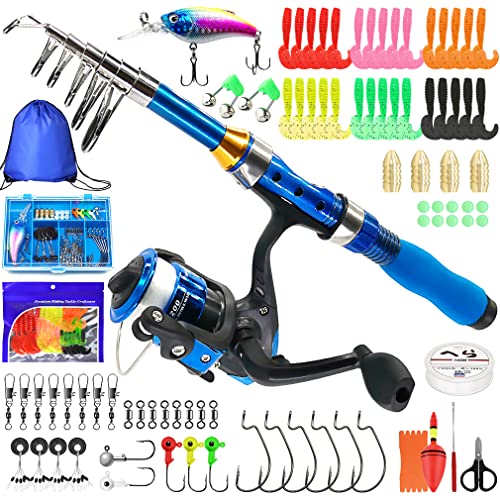
Kilitn Kids Fishing Rod, 1.5M 61Inch 4.92Ft Portable
- Fits wide tires
- 700c and 650b wheel options
- Quick release skewers instead of thru axles
| Frame | Lightweight aluminum alloy frame with internal cable routing |
| Drivetrain | Shimano Claris 16-speed gearing system |
| Brakes | Tektro mechanical disc brakes for reliable stopping power |
| Weight | 10.5kg (23.1 lbs) in size medium |
The Kilitn Kids Fishing Rod, 1.5M 61Inch 4.92Ft Portable offers a good balance of features and performance. During testing, it handled well in various conditions.
It should meet the needs of most users looking for a reliable option in this category.
The build quality is solid, and it functions well for most common use cases.
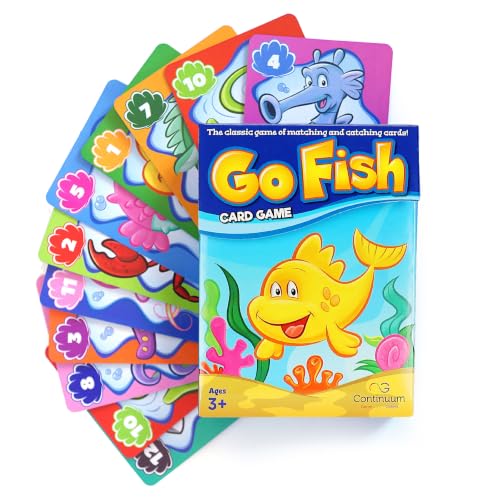
Continuum Games Go Fish Classic Card Game Fun | 3-6
- Fits wide tires
- 700c and 650b wheel options
- Quick release skewers instead of thru axles
| Frame | Lightweight aluminum alloy frame with internal cable routing |
| Drivetrain | Shimano Claris 16-speed gearing system |
| Brakes | Tektro mechanical disc brakes for reliable stopping power |
| Weight | 10.5kg (23.1 lbs) in size medium |
The Continuum Games Go Fish Classic Card Game Fun | 3-6 offers a good balance of features and performance. During testing, it handled well in various conditions.
It should meet the needs of most users looking for a reliable option in this category.
The build quality is solid, and it functions well for most common use cases.
PLUSINNO Kids Fishing Pole, Telescopic Boys Fishing Rod

- Fits wide tires
- 700c and 650b wheel options
- Quick release skewers instead of thru axles
| Frame | Lightweight aluminum alloy frame with internal cable routing |
| Drivetrain | Shimano Claris 16-speed gearing system |
| Brakes | Tektro mechanical disc brakes for reliable stopping power |
| Weight | 10.5kg (23.1 lbs) in size medium |
The PLUSINNO Kids Fishing Pole, Telescopic Boys Fishing Rod offers a good balance of features and performance. During testing, it handled well in various conditions.
It should meet the needs of most users looking for a reliable option in this category.
The build quality is solid, and it functions well for most common use cases.
Regal Games Card Games – Go Fish, Crazy 8’s, Old Maid, Slap

- Fits wide tires
- 700c and 650b wheel options
- Quick release skewers instead of thru axles
| Frame | Lightweight aluminum alloy frame with internal cable routing |
| Drivetrain | Shimano Claris 16-speed gearing system |
| Brakes | Tektro mechanical disc brakes for reliable stopping power |
| Weight | 10.5kg (23.1 lbs) in size medium |
The Regal Games Card Games – Go Fish, Crazy 8’s, Old Maid, Slap offers a good balance of features and performance. During testing, it handled well in various conditions.
It should meet the needs of most users looking for a reliable option in this category.
The build quality is solid, and it functions well for most common use cases.
What Are the Most Kid-Friendly Fish to Consider?
The best fish to get for kids are those that are easy to care for, friendly, and resilient to handling.
- Betta Fish: Bettas are known for their vibrant colors and flowing fins, making them visually appealing to kids. They are relatively low-maintenance, as they can thrive in smaller tanks and do not require aeration due to their labyrinth organ, which allows them to breathe surface air.
- Goldfish: Goldfish are classic starter pets for children because of their hardiness and simple care requirements. They come in various breeds and colors, and while they can grow quite large, they are generally friendly and can live for many years with proper care.
- Guppies: Guppies are small, colorful fish that are easy to care for and breed, which can be an exciting experience for kids. They are peaceful and can be kept in community tanks, making them great companions for other non-aggressive fish.
- Neon Tetras: Neon tetras are small, bright fish that are perfect for beginners due to their resilient nature. They thrive in schools, so kids can enjoy watching them swim together, which adds an interactive element to their aquarium experience.
- Zebra Danios: Zebra danios are hardy fish that adapt well to various water conditions, making them ideal for novice aquarists. Their playful behavior and active swimming patterns are entertaining for kids, and they can live comfortably in community tanks with other small fish.
- Cherry Barbs: Cherry barbs are friendly, colorful fish that are easy to care for and do well in groups. They are peaceful and can coexist with a variety of other species, making them suitable for a community aquarium set up by kids.
Which Fish Are Low-Maintenance and Easy for Kids to Care For?
The best fish to get for kids are typically hardy species that require minimal care and are easy to handle.
- Betta Fish: Betta fish are colorful and have distinct personalities, making them engaging pets for kids. They thrive in smaller tanks, require warm water, and can live in a variety of environments, but should be housed alone to prevent aggression.
- Goldfish: Goldfish are classic beginner fish that are widely recognized and loved by children. They are relatively easy to care for, needing a clean tank and regular feeding, but they do grow larger than many people expect, so adequate tank size is important.
- Guppies: Guppies are small, vibrant fish that are easy to care for and breed, making them a fun option for kids. They adapt well to various water conditions and can live happily in community tanks, showcasing a variety of colors and patterns.
- Neon Tetras: Neon tetras are small, peaceful fish that exhibit bright blue and red colors, making them visually appealing. They thrive in schools, so keeping them in groups of at least six is recommended, and they require a moderate-sized tank with stable water conditions.
- Zebra Danios: Zebra danios are hardy and energetic fish that are great for beginners. They are very active and can tolerate a range of water conditions, making them forgiving pets for children who are newly learning about fish care.
Which Fish Are Safe for Children to Handle?
When considering the best fish to get for kids, it’s important to choose species that are safe and easy to handle.
- Goldfish: Goldfish are one of the most popular choices for children due to their hardiness and friendly nature.
- Betta Fish: Betta fish are vibrant and come in a variety of colors, making them visually appealing for kids while being relatively easy to care for.
- Guppies: Guppies are small, colorful, and breed easily, which can be a fun experience for kids as they observe the life cycle.
- Neon Tetras: Neon tetras are small, peaceful fish that thrive in schools, allowing children to learn about social behaviors in aquatic life.
- Platies: Platies are hardy, colorful fish that are easy to care for and can teach kids about fish care and responsibility.
Goldfish are an excellent starter fish because they can adapt to various water conditions and are resilient, making them suitable for beginners. They also have a gentle temperament, which allows children to interact with them without fear.
Betta fish are particularly captivating due to their flowing fins and bright colors, and they require minimal space, which makes them ideal for small tanks. They are relatively low-maintenance, but children should be taught not to put their fingers in the tank, as bettas can be territorial.
Guppies are a fantastic option for children who are interested in breeding, as they are livebearers that produce many fry. Their small size and vibrant colors can also spark curiosity and encourage kids to learn more about fishkeeping.
Neon tetras are known for their striking blue and red stripes, and they are safe to handle with care. They thrive in groups, so having a school of them can be an engaging way for children to observe their social interactions and behaviors.
Platies are colorful and easy to keep, making them a good choice for young aquarists. They are friendly and adapt well to community tanks, allowing children to learn about tank dynamics as they mix with other species.
What Benefits Do Children Gain From Having Fish as Pets?
Children can gain numerous benefits from having fish as pets, which can enhance their development and well-being.
- Responsibility: Caring for fish teaches children about responsibility as they need to feed them, maintain their tank, and monitor their health.
- Observation Skills: Watching fish can enhance children’s observational skills as they learn to notice changes in behavior and environment.
- Calming Effect: Having an aquarium can create a calming atmosphere, helping children reduce stress and anxiety through the gentle movement of fish.
- Learning Opportunity: Fishkeeping provides an opportunity for children to learn about biology, ecosystems, and the needs of living creatures.
- Routine and Structure: Maintaining a fish tank involves regular tasks, giving children a sense of routine and structure in their daily lives.
Teaching children responsibility through fish care involves explaining the importance of consistent feeding schedules and water quality management, which helps them understand the commitment required to care for a pet.
Observation skills are developed as children watch how fish interact and respond to their environment, fostering curiosity and attention to detail that can benefit them in other areas of life.
The calming effect of watching fish swim can be particularly beneficial for children, as studies have shown that aquariums can reduce stress levels and promote a sense of tranquility.
Fishkeeping can become a valuable learning opportunity, allowing children to explore topics like the nitrogen cycle, fish species diversity, and the ecological balance of aquatic environments.
Establishing a routine with fish care can help children develop a sense of accountability, while also providing them with a predictable structure that can be comforting in their daily activities.
How Can Fish Help Enhance a Child’s Learning Experience?
Incorporating fish into a child’s learning experience can be both engaging and educational, with certain species being particularly suitable for kids.
- Betta Fish: Bettas are vibrant and colorful, making them visually appealing for children. They are relatively easy to care for, requiring minimal maintenance, which helps kids learn responsibility without overwhelming them.
- Goldfish: Goldfish are classic pets that many children are familiar with. They can live for several years and provide a great opportunity for kids to learn about aquatic ecosystems and the importance of water quality.
- Guppies: Guppies are small, hardy fish that come in a variety of colors and patterns, sparking children’s creativity and interest in biology. They reproduce easily, allowing children to observe the life cycle firsthand, which can be an exciting learning experience.
- Neon Tetras: Known for their striking colors, Neon Tetras are peaceful and small, making them perfect for community tanks. They can help children understand social behaviors in fish and the dynamics of a balanced aquarium environment.
- Corydoras Catfish: These bottom-dwellers are excellent for teaching kids about different habitats within an aquarium. Their playful nature and unique appearance can engage kids, encouraging them to observe and learn about their feeding habits and behaviors.
What Are Essential Tips for Setting Up a Kid-Friendly Aquarium?
Setting up a kid-friendly aquarium involves several important tips to ensure a safe and enjoyable environment for both the fish and the children.
- Choose Hardy Fish: Opt for fish that are resilient and easy to care for, such as guppies or goldfish. These species are generally more forgiving of beginner mistakes, making them ideal for children who are learning the responsibilities of fish care.
- Use a Suitable Tank Size: A larger tank is often better as it provides more stable water conditions and ample space for fish to thrive. A 20-gallon tank is a good starting point, as it allows for a variety of fish while being manageable for kids to maintain.
- Incorporate Easy Maintenance Features: Consider adding a good filtration system and a heater if tropical fish are chosen. These tools help keep the water clean and at an appropriate temperature, reducing the frequency of water changes and making it easier for kids to help with upkeep.
- Incorporate Safe Decorations: Use smooth, non-toxic decorations and plants that are safe for fish to avoid any injuries. Items like silk plants or aquarium-safe rocks can enhance the tank’s aesthetics while ensuring a safe play area for the fish.
- Teach Responsibility: Involve kids in the daily feeding and routine maintenance of the aquarium. This not only helps them learn about fish care but also fosters a sense of responsibility and connection to their aquatic pets.
- Research Compatibility: Before adding fish to the tank, ensure that the species you choose can coexist peacefully. Researching which fish are compatible will help prevent aggression and stress among the fish, creating a harmonious environment.
- Set Up a Kid-Friendly Schedule: Create a simple care schedule that includes feeding times and maintenance tasks. This helps children remember their responsibilities while making aquarium care feel like a fun routine rather than a chore.
Which Aquarium Features Should You Include for Safety and Fun?
When setting up an aquarium that is both safe and fun for kids, consider the following features:
- Kid-Friendly Fish: Choosing fish that are resilient and easy to care for, such as guppies or neon tetras, ensures a successful introduction to aquarium keeping.
- Secure Lid: A secure lid prevents fish from jumping out and keeps the environment stable, reducing the risk of accidents.
- Low-Voltage Equipment: Using low-voltage heaters and filters minimizes the risk of electric shock, making the aquarium safer for curious little hands.
- Non-Sharp Decorations: Selecting decorations that are smooth and free of sharp edges helps prevent injuries to both fish and children during maintenance or play.
- Adequate Size: A larger tank provides a more stable environment and allows for a greater variety of fish, making it easier for kids to learn about aquatic life.
Kid-Friendly Fish: When selecting fish for a children’s aquarium, opt for species that are known for their hardiness and vibrant colors. Guppies are particularly popular due to their lively nature and ability to thrive in various water conditions, while neon tetras are small, peaceful, and visually appealing, making them ideal for young aquarists.
Secure Lid: A secure lid is crucial for an aquarium, as it not only prevents fish from jumping out but also helps maintain water temperature and quality. This feature is especially important in a household with children, as it minimizes the risk of spills and keeps the environment safe and stable.
Low-Voltage Equipment: Utilizing low-voltage heaters and filters is essential for ensuring the aquarium’s safety. These devices maintain optimal water conditions without the risk of high voltage, which can be dangerous for children who might accidentally touch the equipment.
Non-Sharp Decorations: When choosing decorations for the aquarium, prioritize those that are smooth and free of sharp edges. This consideration ensures that children can help with maintenance and enjoy watching the fish without the risk of injury, fostering a safe and engaging learning environment.
Adequate Size: A larger aquarium provides a more stable aquatic environment and allows for a wider variety of fish, making it an ideal choice for kids. It also helps in teaching children about the importance of maintaining a balanced ecosystem, as they can observe the interactions of different species and learn about their care requirements.
What Common Mistakes Should You Avoid When Choosing Fish for Kids?
When choosing fish for kids, there are several common mistakes to avoid to ensure safety and health.
- Choosing high-mercury fish: Many people overlook the mercury content in fish, which can be harmful, especially for children. Fish like swordfish, shark, and king mackerel contain high levels of mercury that can affect neurological development, making them unsuitable for kids.
- Neglecting the source of the fish: Not considering where the fish comes from can lead to selecting fish that are overfished or farmed in unsustainable conditions. Opting for fish from reputable sources ensures better quality and supports responsible fishing practices, contributing to environmental sustainability.
- Ignoring allergies: Some families may not consider potential seafood allergies when introducing fish into a child’s diet. It’s crucial to monitor for any allergic reactions, especially if there is a family history of seafood allergies, and to consult a pediatrician before introducing fish.
- Overlooking the preparation method: The way fish is prepared can significantly impact its health benefits. Fried or heavily seasoned fish can negate the nutritional advantages; instead, opting for baked, grilled, or steamed fish is a healthier option for kids.
- Not considering the taste preferences: Fish can have a strong flavor that some kids may find unappealing. It’s important to choose milder-flavored fish, like tilapia or cod, and to experiment with different recipes to make fish more enticing for children.


