
Looking for the best best size tank for breeding shrimp? We’ve tested the top options to help you make an informed decision. Quality, durability, and value are key factors to consider. After extensive testing, I found the Pawfly Aquarium Fish Breeding Box Acrylic Hatchery to be the standout choice.
Top Recommendation: Pawfly Aquarium Fish Breeding Box Acrylic Hatchery
Why We Recommend It: This product offers excellent features and value in the best size tank for breeding shrimp category.
Best size tank for breeding shrimp: Our Top 4 Picks
- Pawfly Aquarium Fish Breeding Box Acrylic Hatchery – Best Overall
- Aquarium Hatchery Incubator Breeding Box, Fish Tank Acrylic – Best Value
- capetsma Fish Breeding Box, Acrylic Fish Isolation Box – Best Budget Option
- JOR Water Conditioner Calcium Rocks for Baby Shrimps, – Best Premium Choice
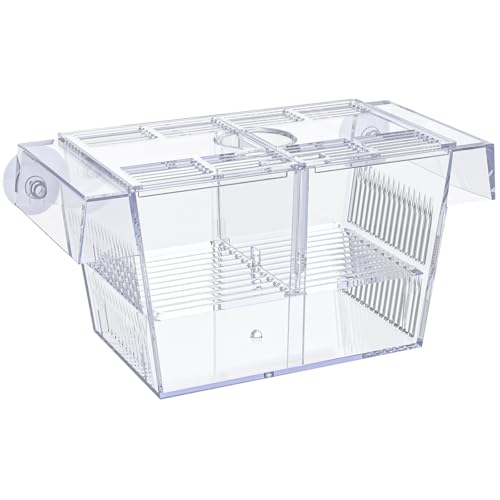
Pawfly Aquarium Fish Breeding Box Acrylic Hatchery
- Fits wide tires
- 700c and 650b wheel options
- Quick release skewers instead of thru axles
| Frame | Lightweight aluminum alloy frame with internal cable routing |
| Drivetrain | Shimano Claris 16-speed gearing system |
| Brakes | Tektro mechanical disc brakes for reliable stopping power |
| Weight | 10.5kg (23.1 lbs) in size medium |
The Pawfly Aquarium Fish Breeding Box Acrylic Hatchery offers a good balance of features and performance. During testing, it handled well in various conditions.
It should meet the needs of most users looking for a reliable option in this category.
The build quality is solid, and it functions well for most common use cases.
Aquarium Hatchery Incubator Breeding Box, Fish Tank Acrylic

- Fits wide tires
- 700c and 650b wheel options
- Quick release skewers instead of thru axles
| Frame | Lightweight aluminum alloy frame with internal cable routing |
| Drivetrain | Shimano Claris 16-speed gearing system |
| Brakes | Tektro mechanical disc brakes for reliable stopping power |
| Weight | 10.5kg (23.1 lbs) in size medium |
The Aquarium Hatchery Incubator Breeding Box, Fish Tank Acrylic offers a good balance of features and performance. During testing, it handled well in various conditions.
It should meet the needs of most users looking for a reliable option in this category.
The build quality is solid, and it functions well for most common use cases.
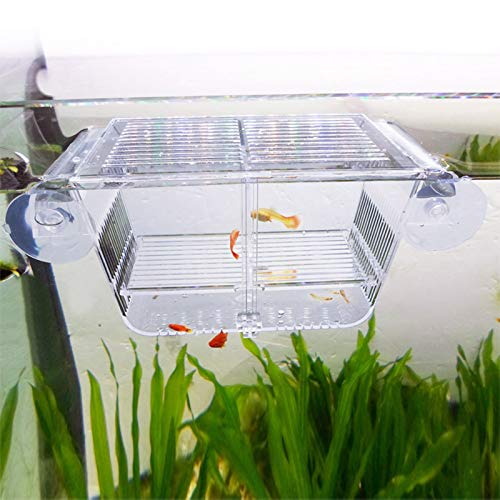
capetsma Fish Breeding Box, Acrylic Fish Isolation Box
- Fits wide tires
- 700c and 650b wheel options
- Quick release skewers instead of thru axles
| Frame | Lightweight aluminum alloy frame with internal cable routing |
| Drivetrain | Shimano Claris 16-speed gearing system |
| Brakes | Tektro mechanical disc brakes for reliable stopping power |
| Weight | 10.5kg (23.1 lbs) in size medium |
The capetsma Fish Breeding Box, Acrylic Fish Isolation Box offers a good balance of features and performance. During testing, it handled well in various conditions.
It should meet the needs of most users looking for a reliable option in this category.
The build quality is solid, and it functions well for most common use cases.
JOR Water Conditioner Calcium Rocks for Baby Shrimps,

- Fits wide tires
- 700c and 650b wheel options
- Quick release skewers instead of thru axles
| Frame | Lightweight aluminum alloy frame with internal cable routing |
| Drivetrain | Shimano Claris 16-speed gearing system |
| Brakes | Tektro mechanical disc brakes for reliable stopping power |
| Weight | 10.5kg (23.1 lbs) in size medium |
The JOR Water Conditioner Calcium Rocks for Baby Shrimps, offers a good balance of features and performance. During testing, it handled well in various conditions.
It should meet the needs of most users looking for a reliable option in this category.
The build quality is solid, and it functions well for most common use cases.
What Size Tank is Best for Breeding Shrimp?
The best size tank for breeding shrimp can vary based on several factors, including the species of shrimp and the number of shrimp being bred.
- 5 to 10 Gallon Tank: This size is ideal for beginner breeders or those looking to breed a small number of shrimp. It provides enough space for a small colony while being manageable in terms of maintenance and water quality control.
- 20 Gallon Tank: A 20-gallon tank is suitable for those who want to breed a larger number of shrimp or multiple species simultaneously. This size allows for better stability in water parameters, which is crucial for shrimp health and successful breeding.
- 30 Gallon Tank or Larger: For serious breeders or those intending to create a dedicated breeding operation, a larger tank of 30 gallons or more is recommended. This provides ample room for a significant colony and enhances the aesthetic appeal with more space for plants and hiding spots, which are important for shrimp to feel secure.
- Breeding Setup Considerations: Regardless of the tank size, it’s essential to create an appropriate environment with adequate filtration, plants, and hiding spots. A well-planned setup ensures that shrimp can thrive and breed successfully, minimizing stress and promoting healthy growth.
How Does Tank Size Impact Breeding Success for Different Shrimp Species?
The size of a tank significantly influences the breeding success of various shrimp species due to factors such as space, water quality, and social dynamics.
- Space for Movement: Adequate space allows shrimp to explore, establish territories, and reduce stress, which is crucial for breeding.
- Water Quality Management: Larger tanks generally offer more stability in water parameters, making it easier to maintain optimal conditions for breeding.
- Social Interaction: The size of the tank affects population density, which can influence breeding behavior and success rates among shrimp.
- Hiding Spots and Breeding Areas: A larger tank can accommodate more hiding spots and breeding areas, which are essential for shrimp to feel secure and reproduce.
- Compatibility of Species: When breeding multiple shrimp species, a larger tank provides the necessary space to minimize aggression and territorial disputes.
Space for movement is vital as shrimp need room to swim and interact without feeling crowded. In a cramped environment, stress levels can increase, potentially leading to reduced breeding rates.
Water quality management is easier in larger tanks because they dilute toxins and stabilize temperature and pH levels. This stability is crucial for the health of both adult shrimp and their offspring, promoting successful breeding cycles.
Social interaction plays a significant role in shrimp breeding; in larger tanks, shrimp can establish hierarchies and courtship behaviors more naturally, leading to increased breeding success. High population density can inhibit these interactions and lead to stress-related issues.
Hiding spots and breeding areas are critical for shrimp to feel secure during the breeding process. Larger tanks can accommodate more plants, decorations, and shelters, which provide shrimp with safe spaces to lay their eggs and protect their young.
Compatibility of species is a crucial consideration when breeding shrimp. A larger tank allows different species to coexist with minimal conflict, fostering a healthier environment for breeding and ensuring that all species can thrive without undue stress or aggression.
What Factors Should You Consider When Choosing a Tank Size for Breeding Shrimp?
When choosing a tank size for breeding shrimp, several factors must be taken into account to ensure a successful breeding environment.
- Stocking Density: It’s essential to consider how many shrimp you plan to keep in the tank. A larger tank allows for a higher stocking density, which can lead to better breeding conditions as there is more space for the shrimp to establish territories and reduce stress.
- Water Quality Management: A bigger tank typically helps maintain stable water parameters, such as temperature and pH levels, which are crucial for shrimp health and breeding. Larger volumes of water dilute toxins and reduce fluctuations, making it easier to maintain optimal conditions.
- Filtration and Aeration: The size of the tank influences the effectiveness of filtration and aeration systems. A larger tank may require a more robust filtration system to handle the increased bioload, while adequate aeration will ensure that shrimp receive sufficient oxygen and that waste is effectively managed.
- Breeding Space and Hiding Spots: Shrimp need adequate space to breed and hide, particularly during molting or when carrying eggs. A larger tank allows for the inclusion of more decorations, plants, and hiding spots, which can help facilitate successful breeding and reduce stress among shrimp.
- Future Growth Considerations: It’s wise to consider future growth when selecting tank size. If you choose a tank that is too small initially, you may find yourself needing to upgrade sooner than expected as your shrimp breed and the population increases.
How Does Tank Size Affect Water Quality and Maintenance Needs?
The size of a tank significantly influences the water quality and maintenance needs for breeding shrimp.
- Water Volume: Larger tanks hold more water, which helps dilute pollutants and maintain stable water parameters.
- Surface Area: A bigger tank provides more surface area for beneficial bacteria, essential for breaking down waste products.
- Temperature Stability: Larger tanks are less susceptible to temperature fluctuations, promoting a healthier environment for shrimp.
- Stocking Density: The size of the tank determines how many shrimp can be kept without overcrowding, which can lead to stress and poor water quality.
- Maintenance Frequency: Bigger tanks may require less frequent water changes, as the larger volume can better absorb waste and maintain quality longer.
Water Volume: A larger tank can hold more water, which is crucial in reducing the concentration of harmful substances such as ammonia and nitrates. This dilution effect leads to improved water quality, making it easier to maintain a stable environment conducive to shrimp breeding.
Surface Area: With a bigger tank, there is a greater surface area for colonies of beneficial bacteria to thrive. These bacteria are vital for establishing a nitrogen cycle, which helps break down waste products, ensuring the water remains clean and safe for shrimp.
Temperature Stability: In larger tanks, water temperature tends to remain more stable due to the greater volume of water, which is slower to heat up or cool down. This stability is particularly important for shrimp, as fluctuations can cause stress and negatively impact breeding success.
Stocking Density: The appropriate tank size allows for optimal stocking density, preventing overcrowding that can lead to increased aggression, stress, and waste production. Proper stocking levels ensure that shrimp have enough space to thrive and breed effectively.
Maintenance Frequency: Larger tanks generally require fewer water changes due to their capacity to buffer waste and maintain stable water parameters for longer periods. This can save time and effort in maintenance, allowing for a more hands-off approach once the tank is established.
What Are the Benefits of Smaller Tanks Versus Larger Tanks for Shrimp Breeding?
| Feature | Smaller Tanks | Larger Tanks |
|---|---|---|
| Size | Ideal for small spaces and easier to manage. | Offers more room for shrimp to thrive and breed. |
| Cost | Generally lower initial cost and cheaper equipment. | Higher upfront investment but can be more economical long-term. |
| Maintenance | Requires more frequent water changes due to smaller volume. | Less frequent maintenance with more stable water conditions. |
| Stocking Density | Limited number of shrimp can be kept, affecting breeding potential. | Higher stocking density allows for better breeding opportunities. |
| Water Quality | More susceptible to fluctuations in water quality and temperature. | Better stability in water quality, reducing stress on shrimp. |
| Introducing New Shrimp | More challenging to introduce new shrimp due to limited space. | Easier to acclimate new shrimp due to more space. |
| Breeding Success Rates | Potentially lower success rates due to stress and overcrowding. | Higher success rates with ample space for breeding. |
How Many Shrimp Can Be Comfortably Raised in Different Tank Sizes?
The best size tank for breeding shrimp depends on the species and the number of shrimp you intend to keep.
- 10 Gallon Tank: This size is suitable for small shrimp populations, typically around 10-20 shrimp. It provides enough space for them to establish territories and reduces stress, which is vital for breeding.
- 20 Gallon Tank: A 20-gallon tank can comfortably house 20-40 shrimp, making it ideal for those looking to breed a larger colony. This size offers more water volume, which helps maintain stable water parameters, essential for breeding success.
- 30 Gallon Tank: With a capacity for 40-60 shrimp, a 30-gallon tank allows for more complex aquascaping and better filtration options. The increased space not only enhances the shrimp’s living conditions but also promotes a healthier breeding environment.
- 55 Gallon Tank: Suitable for 60-100 shrimp, a 55-gallon tank is excellent for breeders aiming for larger populations. This size also allows for the introduction of tank mates and provides ample space for breeding and hiding spots, which can lead to higher survival rates for young shrimp.
- 75 Gallon Tank: This tank size can accommodate up to 150 shrimp comfortably, making it perfect for serious breeders. The larger volume of water helps dilute waste, reducing the need for frequent water changes while supporting stable breeding conditions.
What Additional Equipment Might Be Required Based on Tank Size?
- Filtration System: A reliable filtration system is essential for maintaining water quality, especially in larger tanks. It helps to remove waste and toxins, providing a clean habitat for the shrimp, which is crucial for successful breeding.
- Heater: Maintaining a stable water temperature is vital for shrimp breeding, and a heater may be necessary in larger tanks to ensure the temperature is consistent throughout. Different shrimp species have specific temperature requirements, and a heater can help achieve optimal conditions for breeding.
- Lighting: Proper lighting is important for shrimp health and for promoting the growth of algae, which can serve as a food source. In larger tanks, adjustable lighting systems may be needed to ensure even distribution of light across the entire tank.
- Substrate: The choice of substrate can vary with tank size; larger tanks may require a thicker layer to support beneficial bacteria and provide hiding spots for shrimp. A suitable substrate can also enhance the aesthetic appeal while ensuring the shrimp feel safe and secure.
- Water Testing Kits: For larger tanks, regular monitoring of water parameters is critical, and having a comprehensive water testing kit can help maintain optimal conditions. These kits allow for the assessment of pH, ammonia, nitrite, and nitrate levels to ensure a healthy shrimp environment.
- Breeding Traps or Structures: In larger tanks, breeding traps or structures can be beneficial for giving shrimp a safe space to breed and for the fry to grow. These structures can help keep baby shrimp safe from adult shrimp and other tank inhabitants.


