
Looking for the best best stones for fish tank? We’ve tested the top options to help you make an informed decision. Quality, durability, and value are key factors to consider. After extensive testing, I found the ChaoLeHo Aquarium Rocks Seiryu Stones Natural Hardscape to be the standout choice.
Top Recommendation: ChaoLeHo Aquarium Rocks Seiryu Stones Natural Hardscape
Why We Recommend It: This product offers excellent features and value in the best stones for fish tank category.
Best stones for fish tank: Our Top 4 Picks
- ChaoLeHo Aquarium Rocks Seiryu Stones Natural Hardscape – Best Overall
- FANTIAN 5 lbs Natural Aquarium Rocks, 2-3 Inch River Rocks – Best Value
- EZEELAI 0.5 Lb/230g Colorful Agate Aquarium Fish Tank – Best Budget Option
- Korvuli Dragon Stone Aquascaping Rocks, 1 lb, Aquarium – Best Premium Choice
ChaoLeHo Aquarium Rocks Seiryu Stones Natural Hardscape

- Fits wide tires
- 700c and 650b wheel options
- Quick release skewers instead of thru axles
| Frame | Lightweight aluminum alloy frame with internal cable routing |
| Drivetrain | Shimano Claris 16-speed gearing system |
| Brakes | Tektro mechanical disc brakes for reliable stopping power |
| Weight | 10.5kg (23.1 lbs) in size medium |
The ChaoLeHo Aquarium Rocks Seiryu Stones Natural Hardscape offers a good balance of features and performance. During testing, it handled well in various conditions.
It should meet the needs of most users looking for a reliable option in this category.
The build quality is solid, and it functions well for most common use cases.
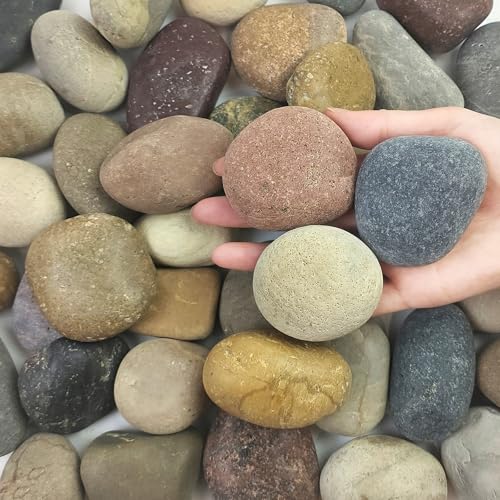
FANTIAN 5 lbs Natural Aquarium Rocks, 2-3 Inch River Rocks
- Fits wide tires
- 700c and 650b wheel options
- Quick release skewers instead of thru axles
| Frame | Lightweight aluminum alloy frame with internal cable routing |
| Drivetrain | Shimano Claris 16-speed gearing system |
| Brakes | Tektro mechanical disc brakes for reliable stopping power |
| Weight | 10.5kg (23.1 lbs) in size medium |
The FANTIAN 5 lbs Natural Aquarium Rocks, 2-3 Inch River Rocks offers a good balance of features and performance. During testing, it handled well in various conditions.
It should meet the needs of most users looking for a reliable option in this category.
The build quality is solid, and it functions well for most common use cases.
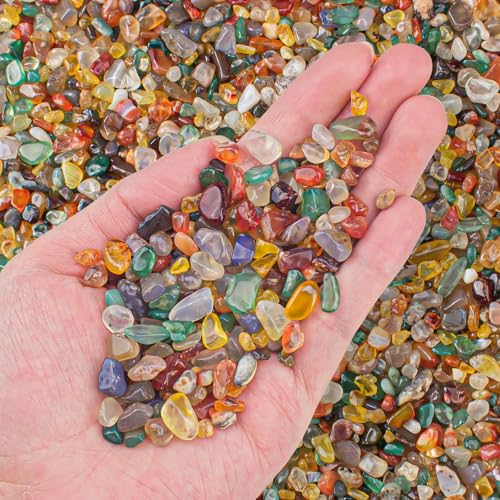
EZEELAI 0.5 Lb/230g Colorful Agate Aquarium Fish Tank
- Fits wide tires
- 700c and 650b wheel options
- Quick release skewers instead of thru axles
| Frame | Lightweight aluminum alloy frame with internal cable routing |
| Drivetrain | Shimano Claris 16-speed gearing system |
| Brakes | Tektro mechanical disc brakes for reliable stopping power |
| Weight | 10.5kg (23.1 lbs) in size medium |
The EZEELAI 0.5 Lb/230g Colorful Agate Aquarium Fish Tank offers a good balance of features and performance. During testing, it handled well in various conditions.
It should meet the needs of most users looking for a reliable option in this category.
The build quality is solid, and it functions well for most common use cases.
Korvuli Dragon Stone Aquascaping Rocks, 1 lb, Aquarium

- Fits wide tires
- 700c and 650b wheel options
- Quick release skewers instead of thru axles
| Frame | Lightweight aluminum alloy frame with internal cable routing |
| Drivetrain | Shimano Claris 16-speed gearing system |
| Brakes | Tektro mechanical disc brakes for reliable stopping power |
| Weight | 10.5kg (23.1 lbs) in size medium |
The Korvuli Dragon Stone Aquascaping Rocks, 1 lb, Aquarium offers a good balance of features and performance. During testing, it handled well in various conditions.
It should meet the needs of most users looking for a reliable option in this category.
The build quality is solid, and it functions well for most common use cases.
What Stones Are Considered Safe for Your Fish Tank?
The best stones for fish tanks are those that are non-toxic and promote a healthy environment for aquatic life.
- Slate: Slate is a popular choice for aquascaping due to its natural appearance and flat surfaces. It is inert, meaning it won’t alter the water chemistry, making it safe for freshwater and saltwater tanks alike.
- Granite: Granite is a durable and aesthetically pleasing stone that comes in various colors and patterns. Its hardness ensures that it won’t break down in water, and it generally does not leach harmful substances into the tank, making it a great option for fish and plants.
- River Rocks: Smooth river rocks are typically safe for fish tanks, as they are naturally rounded and less likely to injure fish. They can create a natural look and serve as hiding spots for shy species, while also being inert and safe for aquatic environments.
- Quartz: Quartz is a widely used stone in aquariums due to its beauty and durability. It is safe for fish tanks as it does not affect water chemistry, and it can enhance the visual appeal of the setup with its various colors and clarity.
- Lava Rock: Lava rock is porous and lightweight, providing excellent filtration properties when used in aquariums. It is safe for fish tanks and can create hiding spots and breeding areas for fish, although it may raise pH levels slightly, so it should be monitored.
- Soapstone: Soapstone is a softer stone that is known for its smooth texture and ability to hold heat. It is safe for aquariums as it does not leach harmful chemicals and can be used to create interesting structures and hiding places within the tank.
What Are the Benefits of Using Natural Stones in Aquariums?
Natural stones can serve as surfaces for beneficial bacteria to grow, aiding in the biological filtration process. This is crucial for maintaining a healthy aquarium ecosystem, as these bacteria help break down harmful waste products.
The diverse textures and shapes of natural stones allow for creative aquascaping, catering to individual design preferences. Aquarists can create caves, overhangs, and other features that not only look good but also provide functional spaces for fish to explore.
What Are the Top Recommended Stones for Aquascaping?
The top recommended stones for aquascaping include a variety of natural materials that enhance the aesthetic appeal and provide functional benefits in a fish tank.
- Dragon Stone: This stone features a unique, rugged texture that creates stunning landscapes in aquascapes. Its porous nature allows beneficial bacteria to thrive, promoting a healthy environment for fish and plants.
- Seiryu Stone: Known for its striking blue-grey color and sharp edges, Seiryu stone is excellent for creating dramatic hardscape designs. It is also pH-neutral, making it safe for freshwater aquariums and enhancing the visual contrast with aquatic plants.
- Lava Rock: Lava rock is lightweight and offers a porous surface ideal for anchoring plants and fostering beneficial bacteria. Its dark color adds depth to the aquascape while providing hiding spots for fish, which can help reduce stress.
- Slate: This flat stone is perfect for creating layers and hiding places within the aquarium. Its natural, earthy tones blend well with aquatic plants, and it is sturdy enough to support various hardscape designs.
- Quartzite: Quartzite comes in various colors and patterns, making it versatile for different aquascaping themes. It is durable and does not alter the water chemistry, making it suitable for both freshwater and marine tanks.
- Petoskey Stone: This fossilized coral stone offers a unique, textured appearance that adds a natural touch to aquascapes. While it can be harder to find, its distinct patterns and colors can create a focal point in the aquarium.
How Do You Choose the Right Stones for Your Personal Fish Tank?
Choosing the right stones for your personal fish tank is crucial for both aesthetic appeal and the health of your aquatic environment.
- Granite: This is a durable and attractive option that comes in various colors and sizes. Its hardness means it won’t break down easily in water, which helps maintain water quality.
- Lava Rock: Known for its porous nature, lava rock provides excellent surface area for beneficial bacteria to colonize, aiding in biological filtration. Additionally, it can create beautiful aquascapes with its unique texture.
- Slate: This stone can be used to create natural-looking caves and hiding spots for fish, promoting their wellbeing. Its flat surfaces can also be stacked to form interesting layouts and are easy to clean.
- River Rocks: These smooth stones come in a variety of colors and sizes, making them a versatile choice for any aquarium design. They are generally safe for fish and can help create a natural riverbed appearance.
- Quartz: Known for its crystalline structure, quartz adds sparkling beauty to the tank. It is non-toxic and does not alter water chemistry, making it a safe choice for most fish species.
- Basalt: This volcanic rock is dense and heavy, making it stable in the aquarium. Its dark color can enhance the appearance of lighter fish and plants, providing a striking contrast in your tank.
- Sandstone: With a softer texture, sandstone can be used to create natural landscapes and is often safe for various freshwater species. However, it may require regular maintenance to prevent the accumulation of debris.
What Effects Do Different Stones Have on Water Chemistry?
Different stones can significantly affect water chemistry in fish tanks, influencing the health and well-being of aquatic life.
- Granite: Granite is a hard, igneous rock that is generally inert and does not alter water chemistry significantly. It’s often used for aquascaping due to its aesthetic appeal and durability, making it a safe choice for both freshwater and saltwater tanks.
- Limestone: Limestone is a sedimentary rock that can raise the pH and hardness of the water due to its calcium carbonate content. This makes it suitable for African cichlid tanks or biotopes that mimic hard, alkaline environments.
- Slate: Slate is a metamorphic rock that is stable and does not significantly alter water chemistry. It can provide a natural look to the aquarium and is often used for creating caves and hiding spots for fish, especially in freshwater setups.
- Basalt: Basalt is a volcanic rock that is heavy and dense, typically having a neutral effect on water chemistry. It can enhance the overall aesthetic of a tank while also serving as a good substrate for beneficial bacteria, promoting a healthy biological filter.
- Sandstone: Sandstone is a sedimentary rock that can sometimes release minerals into the water, potentially affecting pH and hardness. It is best used with caution, as it may not be suitable for all fish species, particularly those requiring stable water parameters.
- Quartz: Quartz is a hard, crystalline mineral that is chemically inert and does not impact water chemistry. It is a popular choice for aquariums due to its clarity and the way it reflects light, enhancing the visual appeal of the tank.
- Soapstone: Soapstone is a softer metamorphic rock that can affect water chemistry slightly, but it is generally considered safe for aquariums. It is often used as a decorative stone and can create a unique landscape in aquascaping projects.
What Size Stones Work Best for Various Types of Aquariums?
The best stones for fish tanks vary depending on the type of aquarium and the specific needs of the aquatic life within it.
- Granite: This durable stone is often used in freshwater aquariums due to its hardness and resistance to weathering. It comes in various colors and can provide a natural habitat for fish, while also being easy to clean and maintain.
- Lava Rock: Known for its porous texture, lava rock is excellent for promoting beneficial bacteria growth in both freshwater and saltwater tanks. Its unique appearance adds visual interest to the aquarium and provides hiding spots for fish, which can help reduce stress levels.
- Slate: Slate is a popular choice for aquascaping as it can be easily stacked to create caves and ledges for fish to explore. This type of stone is inert, meaning it won’t alter the water chemistry, making it safe for all types of freshwater and marine environments.
- River Rocks: Smooth and rounded, river rocks are great for creating a natural look in aquariums. They are gentle on fish and provide a safe environment for bottom-dwellers, but it’s important to ensure they are free from sharp edges to prevent injuries.
- Quartz: Quartz stones are visually appealing and come in various colors and sizes, making them ideal for decorative purposes in aquariums. They are non-toxic and do not affect water parameters, making them a safe choice for any fish species.
- Soapstone: This soft stone is ideal for carving and can be used to create unique structures in aquariums. While it is not as popular as other stones, it is non-toxic and can add a rustic look to the tank, though care should be taken with its softer nature to avoid damage.
- Basalt: Basalt is a dense, dark-colored stone that is excellent for creating a dramatic landscape in an aquarium. It is inert and provides hiding spots for fish, contributing to a balanced ecosystem within the tank.
What Maintenance Should Be Performed on Stones in a Fish Tank?
Regular maintenance is essential to keep stones in a fish tank clean and safe for aquatic life.
- Regular Cleaning: Stones should be cleaned regularly to prevent algae growth and the buildup of waste. This can be done by gently scrubbing the stones with a soft brush and rinsing them in dechlorinated water to remove any debris without harming the beneficial bacteria on their surfaces.
- Monitoring Water Parameters: It is vital to monitor the water chemistry, as certain stones can affect pH and hardness levels. Regular testing for parameters like pH, ammonia, nitrites, and nitrates ensures that the stones are not leaching harmful substances into the water.
- Inspection for Damage: Inspect stones periodically for cracks or sharp edges that could injure fish. Any damaged stones should be removed and replaced to maintain a safe environment for the fish.
- Avoiding Chemical Cleaners: It’s crucial to avoid using chemical cleaners on stones, as they can leave residues harmful to fish. Instead, stick to natural cleaning methods to ensure the safety of your aquatic environment.
- Placement Adjustment: Occasionally, the placement of stones should be adjusted to provide better hiding spots for fish and to enhance the overall aesthetics of the tank. This can also help in promoting the growth of beneficial bacteria by exposing different surfaces to the water flow.


