
Looking for the best best 10 gallon cube fish tank? We’ve tested the top options to help you make an informed decision. Quality, durability, and value are key factors to consider. After extensive testing, I found the LANDEN EzFlux 35 Rimless 10 Gallon Rear Filtration Tank, to be the standout choice.
Top Recommendation: LANDEN EzFlux 35 Rimless 10 Gallon Rear Filtration Tank,
Why We Recommend It: This product offers excellent features and value in the best 10 gallon cube fish tank category.
Best 10 gallon cube fish tank: Our Top 5 Picks
- LANDEN EzFlux 35 Rimless 10 Gallon Rear Filtration Tank, – Best Overall
- Vimvins 10 Gallon Glass Small Fish Tank Filter Light and – Best Value
- 10 Gallon Aquarium Set Glass Fish Tank, Heater Self – Best Budget Option
- 10 Gallon Glass Fish Tank Open-Back Lid, Aquarium Fish Bowl – Best Premium Choice
- LUXFIS Vertical Tall Fish Tank 6mm Glass 10 Gallon Rimless – Best for Beginners
LANDEN EzFlux 35 Rimless 10 Gallon Rear Filtration Tank,

- Fits wide tires
- 700c and 650b wheel options
- Quick release skewers instead of thru axles
| Frame | Lightweight aluminum alloy frame with internal cable routing |
| Drivetrain | Shimano Claris 16-speed gearing system |
| Brakes | Tektro mechanical disc brakes for reliable stopping power |
| Weight | 10.5kg (23.1 lbs) in size medium |
The LANDEN EzFlux 35 Rimless 10 Gallon Rear Filtration Tank, offers a good balance of features and performance. During testing, it handled well in various conditions.
It should meet the needs of most users looking for a reliable option in this category.
The build quality is solid, and it functions well for most common use cases.
Vimvins 10 Gallon Glass Small Fish Tank Filter Light and

- Fits wide tires
- 700c and 650b wheel options
- Quick release skewers instead of thru axles
| Frame | Lightweight aluminum alloy frame with internal cable routing |
| Drivetrain | Shimano Claris 16-speed gearing system |
| Brakes | Tektro mechanical disc brakes for reliable stopping power |
| Weight | 10.5kg (23.1 lbs) in size medium |
The Vimvins 10 Gallon Glass Small Fish Tank Filter Light and offers a good balance of features and performance. During testing, it handled well in various conditions.
It should meet the needs of most users looking for a reliable option in this category.
The build quality is solid, and it functions well for most common use cases.
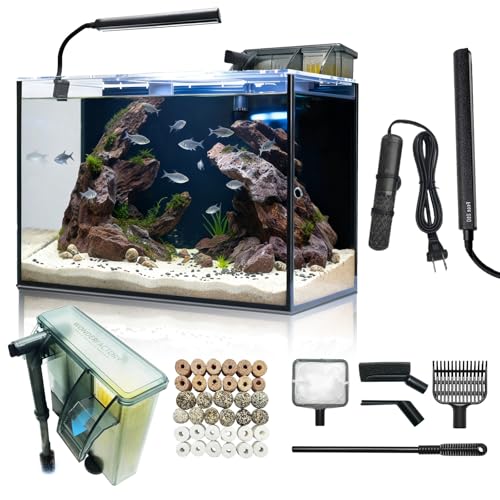
10 Gallon Aquarium Set Glass Fish Tank, Heater Self
- Fits wide tires
- 700c and 650b wheel options
- Quick release skewers instead of thru axles
| Frame | Lightweight aluminum alloy frame with internal cable routing |
| Drivetrain | Shimano Claris 16-speed gearing system |
| Brakes | Tektro mechanical disc brakes for reliable stopping power |
| Weight | 10.5kg (23.1 lbs) in size medium |
The 10 Gallon Aquarium Set Glass Fish Tank, Heater Self offers a good balance of features and performance. During testing, it handled well in various conditions.
It should meet the needs of most users looking for a reliable option in this category.
The build quality is solid, and it functions well for most common use cases.
10 Gallon Glass Fish Tank Open-Back Lid, Aquarium Fish Bowl

- Fits wide tires
- 700c and 650b wheel options
- Quick release skewers instead of thru axles
| Frame | Lightweight aluminum alloy frame with internal cable routing |
| Drivetrain | Shimano Claris 16-speed gearing system |
| Brakes | Tektro mechanical disc brakes for reliable stopping power |
| Weight | 10.5kg (23.1 lbs) in size medium |
The 10 Gallon Glass Fish Tank Open-Back Lid, Aquarium Fish Bowl offers a good balance of features and performance. During testing, it handled well in various conditions.
It should meet the needs of most users looking for a reliable option in this category.
The build quality is solid, and it functions well for most common use cases.
LUXFIS Vertical Tall Fish Tank 6mm Glass 10 Gallon Rimless

- Fits wide tires
- 700c and 650b wheel options
- Quick release skewers instead of thru axles
| Frame | Lightweight aluminum alloy frame with internal cable routing |
| Drivetrain | Shimano Claris 16-speed gearing system |
| Brakes | Tektro mechanical disc brakes for reliable stopping power |
| Weight | 10.5kg (23.1 lbs) in size medium |
The LUXFIS Vertical Tall Fish Tank 6mm Glass 10 Gallon Rimless offers a good balance of features and performance. During testing, it handled well in various conditions.
It should meet the needs of most users looking for a reliable option in this category.
The build quality is solid, and it functions well for most common use cases.
What Are the Unique Advantages of Using a 10 Gallon Cube Fish Tank?
The unique advantages of using a 10-gallon cube fish tank include optimal space utilization, aesthetic appeal, and ease of maintenance.
- Space Efficiency: The cube shape allows for more vertical space, which can help accommodate a variety of aquatic plants and fish species. This design is particularly beneficial for small living areas as it maximizes the use of floor space while providing a significant volume of water.
- Aesthetic Appeal: The unique cube shape creates a modern and stylish look that can serve as a focal point in any room. Its symmetry and compact size make it an attractive option for both experienced aquarists and beginners who want to enhance their home decor.
- Ease of Maintenance: With a smaller volume of water, a 10-gallon cube fish tank is easier to manage in terms of water changes and overall upkeep. This size allows for quicker monitoring of water parameters, making it easier to maintain a stable environment for fish and plants.
- Versatile Stocking Options: A 10-gallon cube can support a variety of fish species, allowing for creative aquascaping and community setups. The cubic dimensions provide ample swimming space for smaller fish, making it easier to create a diverse ecosystem.
- Cost-Effective: Generally, cube tanks are more affordable to purchase and set up than larger tanks, making them accessible for beginners or those on a budget. The lower initial investment also extends to maintenance costs, as smaller tanks typically require less equipment and energy to operate.
How Does the Cube Design Impact Fish and Aquascaping?
The design of a cube fish tank significantly influences both the aesthetic appeal and the environmental quality for fish and plants.
- Space Efficiency: Cube tanks provide a compact and efficient use of space, making them ideal for small living areas.
- 360-Degree Viewing: The cube design allows for unobstructed views from all sides, enhancing the visual experience of aquascaping.
- Water Volume Distribution: The equal height and width of cube tanks promote stable water parameters, benefiting fish health and plant growth.
- Aquascaping Flexibility: The cubic shape offers a unique canvas for aquascapers to create intricate layouts and designs.
- Lighting Uniformity: A cube tank allows for even distribution of light, ensuring that all areas receive adequate illumination.
- Filtration Options: The design facilitates various filtration setups, accommodating both internal and external filters effectively.
- Stocking Options: Cube tanks can support a variety of fish species, allowing for diverse and vibrant community setups.
- Easy Maintenance: The compact size simplifies maintenance tasks, as accessing all areas of the tank is more straightforward.
- Temperature Stability: The cubic shape helps maintain stable temperatures, reducing stress on aquatic life.
- Visual Impact: A well-designed cube tank can serve as a stunning focal point in any room, showcasing the beauty of aquatic ecosystems.
Why Does Size Matter for Maintaining a Healthy Aquatic Environment?
According to a study published in the journal “Aquaculture,” smaller tanks are more prone to rapid fluctuations in water quality parameters, such as pH, ammonia, and temperature, due to their limited water volume (Davis et al., 2020). In a 10-gallon cube fish tank, the compact size means that any changes in feeding, waste production, or evaporation can lead to significant shifts in the water chemistry much more quickly than in larger tanks. This makes it more challenging for hobbyists to maintain a stable environment that fish and plants require for optimal health.
The underlying mechanism involves the concept of dilution and biological filtration. In larger tanks, toxins produced by fish waste and uneaten food are diluted over a greater volume of water, which helps to mitigate their harmful effects. Additionally, beneficial bacteria that break down ammonia and nitrites thrive better in larger systems where they can establish more stable colonies. In contrast, in a 10-gallon cube, the limited space can lead to spikes in toxins, stressing fish and potentially leading to disease outbreaks. Furthermore, the surface area for gas exchange is relatively smaller, which can hinder oxygen levels necessary for fish respiration, leading to further complications (Baker et al., 2019).
What Features Should Be Prioritized When Choosing a 10 Gallon Cube Fish Tank?
When selecting the best 10 gallon cube fish tank, several features should be prioritized to ensure a suitable environment for your aquatic pets.
- Filtration System: A reliable filtration system is crucial for maintaining water quality, which is essential for fish health. Look for tanks that come with built-in filtration or those that allow for easy installation of external filters, ensuring efficient removal of toxins and debris.
- Lighting: Proper lighting is necessary for both fish and plant health, promoting natural behaviors and enhancing the tank’s aesthetic appeal. LED lighting is often recommended for its energy efficiency and ability to mimic natural light cycles, which can benefit photosynthetic plants in the tank.
- Material Quality: The material of the tank affects durability and clarity; glass tanks are generally more scratch-resistant and provide a clearer view than acrylic tanks. However, acrylic is lighter and more impact-resistant, so consider your needs and where you plan to place the tank.
- Size and Shape: The cube shape provides a unique aesthetic and maximizes volume in a compact space. It’s important to ensure that the dimensions fit your intended location while allowing enough swimming space for the fish species you plan to keep.
- Heater Compatibility: If you are keeping tropical fish, a heater is necessary to maintain optimal water temperature. Ensure the tank design allows for easy installation of a heater without compromising the aesthetics or usability of the tank.
- Ease of Maintenance: A tank that is easy to clean and maintain will save you time and effort in the long run. Look for tanks with accessible access points and features that simplify water changes and substrate cleaning.
- Aesthetics: The visual appeal of the tank can enhance your living space, so consider the design and style of the tank. A cube tank often allows for creative aquascaping possibilities, making it easier to arrange decorations and plants for a beautiful display.
How Do Different Filtration Options Affect Water Quality?
Different filtration options can significantly impact water quality in a 10-gallon cube fish tank.
- Hang-On-Back (HOB) Filters: These filters hang on the back of the tank and draw water through a filter media, providing mechanical and biological filtration.
- Canister Filters: Canister filters are external units that can handle larger volumes of water and offer customizable filtration options for mechanical, biological, and chemical processes.
- Internal Filters: Internal filters are submerged in the tank and provide effective filtration while being compact, making them suitable for smaller aquariums.
- Sponge Filters: These filters use a sponge as the primary filtration media, allowing for gentle water flow and excellent biological filtration, ideal for breeding tanks or fry.
- Power Filters: Power filters combine mechanical, biological, and chemical filtration in one unit, making them efficient for maintaining water quality in various tank environments.
- Undergravel Filters: These filters are placed beneath the substrate and rely on the natural movement of water through the gravel to facilitate biological filtration.
- UV Sterilizers: While not traditional filters, UV sterilizers help eliminate harmful microorganisms and algae in the water, improving overall clarity and health.
- Refugiums: A refugium is a separate chamber or tank that allows beneficial bacteria and macroalgae to thrive, which can help maintain water quality in the main tank.
- Activated Carbon Filters: These filters use activated carbon to remove impurities, odors, and discoloration from the water, enhancing overall clarity and ensuring a healthier environment for fish.
- Combination Filters: Some systems combine multiple filtration methods, providing a comprehensive approach to maintaining water quality by addressing various types of waste and toxins.
Why Is Proper Lighting Crucial for Tank Vitality and Aesthetics?
According to a study published in the Journal of Aquatic Plant Management, optimal lighting conditions can significantly enhance plant growth and health, which in turn supports fish by providing shelter and reducing stress levels (Van et al., 2018). Furthermore, appropriate lighting can highlight the colors and features of both fish and plants, creating a more visually appealing environment for viewers.
The underlying mechanism involves the relationship between light intensity, spectrum, and duration. Photosynthesis in aquatic plants relies on specific wavelengths of light; thus, using the right type of lighting can lead to increased growth rates and biomass production. This growth not only benefits the plants but also creates a healthier habitat for fish, as plants absorb carbon dioxide and release oxygen, contributing to a balanced ecosystem. Additionally, proper lighting can reduce algae growth, which often thrives in poorly lit or over-lit environments, thereby maintaining the aesthetic quality of the tank.
Which Fish Species Are Ideal for a 10 Gallon Cube Fish Tank?
The ideal fish species for a 10-gallon cube fish tank include small, peaceful, and hardy varieties that thrive in limited space.
- Betta Fish: Betta fish are vibrant and can be the centerpiece of a small tank. They are relatively easy to care for, prefer warm water, and can thrive in a 10-gallon setup, especially when provided with plenty of hiding spots and plants.
- Neon Tetras: Neon tetras are small, colorful schooling fish that do well in groups. They are peaceful and adapt well to a community tank, making them ideal for a 10-gallon cube as long as they’re kept in groups of at least six.
- Guppies: Guppies are hardy and prolific livebearers, known for their bright colors and active behavior. They thrive in a 10-gallon tank, and with a mix of males and females, they can create a lively and engaging environment.
- Endler’s Livebearers: Similar to guppies, Endler’s livebearers are small, colorful, and easy to care for. They are perfect for a 10-gallon tank and can coexist peacefully with other small fish species, making them a great choice for a community setup.
- Corydoras Catfish: Corydoras catfish are small, bottom-dwelling fish that help keep the tank clean by scavenging for leftover food. They are social creatures that prefer to be in groups and can be a great addition to a 10-gallon tank, especially when combined with other small fish.
- Cherry Shrimp: While not fish, cherry shrimp can add color and interest to a cube tank. They are excellent for algae control and can coexist with small, peaceful fish, making them a valuable addition to a 10-gallon setup.
- White Cloud Mountain Minnows: These small, hardy fish are perfect for a 10-gallon tank due to their peaceful nature and adaptability to varying water conditions. They are also a great choice for cooler tanks, making them versatile for different setups.
What Freshwater Fish Can Thrive in a Cube Environment?
Several freshwater fish are well-suited for a 10-gallon cube tank environment.
- Betta Fish: Betta fish are known for their vibrant colors and flowing fins, making them a popular choice for small tanks. They thrive in warm water and prefer a heavily planted environment where they can hide and explore.
- Neon Tetras: Neon tetras are small, peaceful fish that display stunning blue and red colors. They do best in schools of six or more and appreciate a well-planted tank with open swimming spaces.
- Guppies: Guppies are lively, colorful fish that are very easy to care for, making them ideal for beginners. They adapt well to a range of water conditions and enjoy a variety of tank mates.
- Endler’s Livebearers: Similar to guppies, Endler’s livebearers are small and vibrant, known for their unique coloration. They are social fish that thrive in groups and can breed easily in a home aquarium.
- Corydoras Catfish: Corydoras catfish are bottom-dwellers that help keep the tank clean by scavenging for leftover food. They are peaceful and social, preferring to be in groups of at least three or four.
- Cherry Shrimp: Though not fish, cherry shrimp are a great addition to a cube tank, providing color and helping with algae control. They are hardy and can coexist peacefully with many fish species, adding interest to the tank environment.
- Pygmy Corydoras: These miniature catfish only grow to about an inch in length, making them perfect for small tanks. They are active, social fish that enjoy being in groups and help maintain the substrate clean.
- Otocinclus Catfish: Otocinclus catfish are excellent algae eaters, making them a great choice for maintaining a clean tank. They are small and peaceful, requiring a well-planted tank with plenty of hiding spots.
- Rasboras: Small rasbora species, like the Harlequin rasbora, are colorful and friendly fish that thrive in schools. They prefer to swim in open spaces and can add a dynamic look to a 10-gallon cube tank.
- White Cloud Mountain Minnows: These hardy little fish can tolerate a range of water temperatures and conditions, making them ideal for beginners. They are active swimmers and show beautiful colors, especially in cooler water.
How Can You Ensure Compatibility Among Different Species?
- Research Species Compatibility: Before adding any fish to your tank, research which species are known to coexist peacefully. Some fish are territorial or aggressive, while others are more docile, so understanding their behaviors and needs is essential.
- Consider Size and Space: Choose fish that are appropriate for the size of your tank. Smaller fish generally do better in a smaller environment, while larger fish may require more space to thrive and avoid stress.
- Avoid Overcrowding: Adhere to the rule of one inch of fish per gallon of water to prevent overcrowding. Overpopulation can lead to increased aggression and competition for resources, ultimately harming the fish.
- Water Parameters: Ensure that the water conditions, such as pH, temperature, and hardness, are suitable for all species in your tank. Different species have varying requirements, so maintaining a stable environment is crucial for their health.
- Introduce Fish Gradually: When adding new fish to the tank, do so gradually to allow established fish time to adjust and reduce stress. This helps to minimize territorial disputes and aggression.
- Provide Hiding Spaces: Adding plants, rocks, or decorations can create hiding spots for more timid fish. This allows them to escape from aggressive tank mates, reducing stress and promoting harmony in the tank.
- Monitor Behavior: After introducing new fish, closely observe their interactions. Look for signs of aggression or stress, and be prepared to separate incompatible species if necessary.
- Feeding Practices: Ensure that all fish receive adequate food without competition. Feeding at different times or using feeding rings can help ensure that all species get their fair share.
- Compatibility Testing: Some aquarists use a “quarantine tank” to observe new fish for compatibility before introducing them to the main tank. This process allows you to assess their behavior in a controlled environment.
- Consult Aquarist Communities: Engaging with experienced aquarists online or in local clubs can provide valuable insights and advice. They can share their experiences with specific species and help you make informed decisions.
What Essential Maintenance Practices Are Needed for a 10 Gallon Cube Fish Tank?
Essential maintenance practices for a 10-gallon cube fish tank include regular water changes, filter maintenance, tank cleaning, and monitoring water parameters.
- Regular Water Changes: Performing regular water changes is crucial to maintain water quality and remove toxins. For a 10-gallon tank, changing 10-20% of the water weekly helps keep harmful substances like nitrate and ammonia at safe levels.
- Filter Maintenance: The filter is vital for biological filtration and should be cleaned or replaced according to the manufacturer’s instructions. This typically involves rinsing the filter media in tank water every few weeks to remove debris while preserving beneficial bacteria.
- Tank Cleaning: Regular cleaning of the tank’s surfaces is necessary to prevent algae buildup and keep the environment healthy for fish. Use a soft sponge or algae scraper to gently clean the glass without scratching it, and siphon debris from the substrate during water changes.
- Monitoring Water Parameters: Keeping an eye on water parameters like pH, ammonia, nitrite, and nitrate levels is essential for fish health. Use test kits to regularly check these levels and ensure they are within the appropriate ranges for your fish species.
- Feeding Practices: Proper feeding practices are part of maintenance, as overfeeding can lead to waste accumulation and water quality issues. Feed your fish only what they can consume in a few minutes, and consider fasting them once a week to help maintain tank conditions.
How Often Should Water Changes Be Done for Optimal Tank Health?
For optimal tank health in a 10-gallon cube fish tank, regular water changes are essential.
- Weekly Water Changes: A 10-20% water change every week is often recommended for maintaining water quality.
- Bi-Weekly Water Changes: In some cases, particularly if the tank is lightly stocked, a 25-30% water change every two weeks may suffice.
- Monthly Water Changes: For very stable tanks with minimal bioload, a 50% water change once a month can be appropriate, but it requires careful monitoring of water parameters.
The frequency of water changes can vary based on factors such as fish load, plant presence, and filtration system efficiency. Weekly changes help to remove accumulated toxins and excess nutrients that can harm fish health, especially in a smaller tank like a 10-gallon cube.
Bi-weekly changes might be suitable for tanks with fewer fish or lower levels of waste production, as they still provide a balance of cleanliness without causing stress to the fish from too frequent disturbances. Monthly changes are generally less ideal unless the tank is well-established and monitored closely for any signs of imbalance, but they can work in specific, low-maintenance setups.
What Tools Are Necessary for Efficient Tank Maintenance?
Efficient tank maintenance requires several essential tools to ensure a healthy environment for aquatic life.
- Aquarium Vacuum: This tool is crucial for cleaning the substrate of the tank. It removes debris, uneaten food, and waste without disturbing the gravel or sand too much, helping to maintain water quality.
- Water Testing Kits: Regular testing of water parameters such as pH, ammonia, nitrites, and nitrates is vital. These kits allow you to monitor the health of your aquarium and make necessary adjustments to keep aquatic inhabitants safe.
- Algae Scraper: An algae scraper or pad helps to keep the tank glass clean and clear. Regular use prevents algae build-up, ensuring that light penetration is optimal for any plants or corals present in the tank.
- Water Conditioner: This product is essential for treating tap water before adding it to the tank. It removes harmful chemicals like chlorine and chloramine, making it safe for fish and other aquatic organisms.
- Fish Net: A good quality fish net is necessary for safely catching and transferring fish during maintenance. It minimizes stress for the fish and reduces the risk of injury during handling.
- Heater: Maintaining a stable temperature is crucial for most tropical fish. A reliable heater ensures that the water temperature remains within the ideal range, promoting the health and well-being of the aquarium’s inhabitants.
- Filter: A quality filter is essential for maintaining water clarity and quality. It circulates the water and removes toxins, helping to create a balanced environment for fish and plants.
- Bucket or Water Change Container: A dedicated bucket for water changes makes the process more efficient. It should be used solely for aquarium maintenance to avoid contamination from other sources.
- Thermometer: Monitoring the water temperature is crucial for the health of the fish. A good thermometer provides accurate readings, ensuring that the heater maintains the desired temperature.
- Aquarium Tongs: These are useful for reaching into the tank without putting your hands in the water, which helps avoid introducing contaminants. Tongs can be used for planting, feeding, or adjusting decorations.


