
Looking for the best best desktop jellyfish tank? We’ve tested the top options to help you make an informed decision. Quality, durability, and value are key factors to consider. After extensive testing, I found the 10L Jellyfish Aquarium Tank 9 LED Modes and Adjustable Flow to be the standout choice.
Top Recommendation: 10L Jellyfish Aquarium Tank 9 LED Modes and Adjustable Flow
Why We Recommend It: This product offers excellent features and value in the best desktop jellyfish tank category.
Best desktop jellyfish tank: Our Top 5 Picks
- 10L Jellyfish Aquarium Tank 9 LED Modes and Adjustable Flow – Best Overall
- COLORLIFE Electric Jellyfish Tank Table Lamp Color Changing – Best Value
- BuufuS Intelligent Jellyfish Aquarium, 18L/4.8Gal Round – Best Budget Option
- EDIER Jellyfish Lamp, 11 Inch Jellyfish Aquarium Color – Best Premium Choice
- KIKILIVE Jellyfish Lamp, LED Jellyfish Tank Table Lamp – Best for Beginners
10L Jellyfish Aquarium Tank 9 LED Modes and Adjustable Flow

- Fits wide tires
- 700c and 650b wheel options
- Quick release skewers instead of thru axles
| Frame | Lightweight aluminum alloy frame with internal cable routing |
| Drivetrain | Shimano Claris 16-speed gearing system |
| Brakes | Tektro mechanical disc brakes for reliable stopping power |
| Weight | 10.5kg (23.1 lbs) in size medium |
The 10L Jellyfish Aquarium Tank 9 LED Modes and Adjustable Flow offers a good balance of features and performance. During testing, it handled well in various conditions.
It should meet the needs of most users looking for a reliable option in this category.
The build quality is solid, and it functions well for most common use cases.
COLORLIFE Electric Jellyfish Tank Table Lamp Color Changing

- Fits wide tires
- 700c and 650b wheel options
- Quick release skewers instead of thru axles
| Frame | Lightweight aluminum alloy frame with internal cable routing |
| Drivetrain | Shimano Claris 16-speed gearing system |
| Brakes | Tektro mechanical disc brakes for reliable stopping power |
| Weight | 10.5kg (23.1 lbs) in size medium |
The COLORLIFE Electric Jellyfish Tank Table Lamp Color Changing offers a good balance of features and performance. During testing, it handled well in various conditions.
It should meet the needs of most users looking for a reliable option in this category.
The build quality is solid, and it functions well for most common use cases.
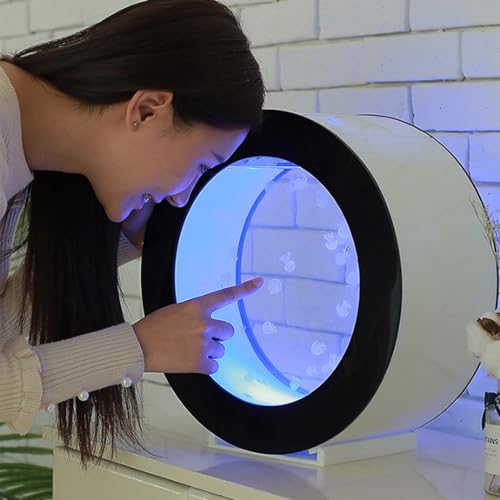
BuufuS Intelligent Jellyfish Aquarium, 18L/4.8Gal Round
- Fits wide tires
- 700c and 650b wheel options
- Quick release skewers instead of thru axles
| Frame | Lightweight aluminum alloy frame with internal cable routing |
| Drivetrain | Shimano Claris 16-speed gearing system |
| Brakes | Tektro mechanical disc brakes for reliable stopping power |
| Weight | 10.5kg (23.1 lbs) in size medium |
The BuufuS Intelligent Jellyfish Aquarium, 18L/4.8Gal Round offers a good balance of features and performance. During testing, it handled well in various conditions.
It should meet the needs of most users looking for a reliable option in this category.
The build quality is solid, and it functions well for most common use cases.
EDIER Jellyfish Lamp, 11 Inch Jellyfish Aquarium Color

- Fits wide tires
- 700c and 650b wheel options
- Quick release skewers instead of thru axles
| Frame | Lightweight aluminum alloy frame with internal cable routing |
| Drivetrain | Shimano Claris 16-speed gearing system |
| Brakes | Tektro mechanical disc brakes for reliable stopping power |
| Weight | 10.5kg (23.1 lbs) in size medium |
The EDIER Jellyfish Lamp, 11 Inch Jellyfish Aquarium Color offers a good balance of features and performance. During testing, it handled well in various conditions.
It should meet the needs of most users looking for a reliable option in this category.
The build quality is solid, and it functions well for most common use cases.
KIKILIVE Jellyfish Lamp, LED Jellyfish Tank Table Lamp

- Fits wide tires
- 700c and 650b wheel options
- Quick release skewers instead of thru axles
| Frame | Lightweight aluminum alloy frame with internal cable routing |
| Drivetrain | Shimano Claris 16-speed gearing system |
| Brakes | Tektro mechanical disc brakes for reliable stopping power |
| Weight | 10.5kg (23.1 lbs) in size medium |
The KIKILIVE Jellyfish Lamp, LED Jellyfish Tank Table Lamp offers a good balance of features and performance. During testing, it handled well in various conditions.
It should meet the needs of most users looking for a reliable option in this category.
The build quality is solid, and it functions well for most common use cases.
What Features Should You Consider for the Best Desktop Jellyfish Tank?
When selecting the best desktop jellyfish tank, consider the following features:
- Size: The size of the tank is crucial, as it should fit comfortably on your desk while providing enough space for jellyfish to swim freely. A smaller tank may restrict their movement and affect their health, while a larger tank could offer a more stable environment.
- Water Filtration System: An efficient filtration system is essential for maintaining water quality and ensuring the health of the jellyfish. Look for tanks with built-in filtration that can handle the unique needs of jellyfish, such as preventing them from being sucked into filters.
- Water Movement: Jellyfish require gentle water movement to thrive, as it helps them swim and feed. Choose a tank that has the ability to create a current without being too strong, which can stress or harm the jellyfish.
- Lighting: Proper lighting is important not only for aesthetic appeal but also for the health of the jellyfish and any algae that may be present. LED lighting is a popular choice, as it can provide the necessary spectrum of light while being energy-efficient.
- Material: The construction material of the tank can impact durability and clarity. Acrylic tanks are lightweight and provide excellent visibility, while glass tanks are more scratch-resistant and can be more aesthetically pleasing.
- Ease of Maintenance: A good desktop jellyfish tank should be easy to clean and maintain. Consider tanks that allow for simple water changes and have easy access for feeding and care.
- Temperature Control: Jellyfish are sensitive to temperature fluctuations, so having a reliable heating or cooling system is important. Look for tanks that include a heater or chiller to keep the water at the optimal temperature.
- Design: The design of the tank can enhance its visual appeal and how well it integrates with your desk space. A well-designed tank may also include features like viewing panels or unique shapes that can enhance the overall aesthetic.
How Does Size Impact the Functionality of a Desktop Jellyfish Tank?
- Water Volume: The larger the tank, the more water it contains, which allows for better thermal stability and dilution of waste products.
- Space for Movement: A bigger tank provides jellyfish with ample space to swim and thrive, reducing stress and promoting healthier growth.
- Filtration Efficiency: Tanks with greater dimensions can accommodate more advanced filtration systems, crucial for maintaining water quality and clarity.
- Aesthetic Consideration: Size influences how the tank fits into your workspace or home decor, impacting its visual appeal and the viewer’s experience.
- Light Distribution: In larger tanks, light can be distributed more evenly, which is essential for the health of jellyfish and any accompanying aquatic plants.
Filtration efficiency is enhanced in larger tanks, as they can support more robust filtration systems that are necessary to keep the water clean and clear. This is essential because jellyfish are particularly sensitive to toxins and poor water quality, making effective filtration a must-have in their habitat.
Aesthetic consideration relates to how the size of the tank influences its integration into your environment. A well-sized tank can serve as a stunning focal point in a room, enhancing the ambiance while showcasing the beauty of the jellyfish.
Light distribution also plays a significant role in the health of jellyfish and any accompanying aquatic plants. In larger tanks, light can penetrate more effectively, ensuring that all areas receive adequate illumination, which is beneficial for creating a balanced ecosystem.
What Type of Filtration Systems Are Essential for Jellyfish Tanks?
When setting up a jellyfish tank, especially for a desktop version, several filtration systems are essential to maintain a healthy environment for these delicate creatures.
- Mechanical Filtration: This type of filtration involves the physical removal of debris and particulate matter from the water. It often employs sponge filters or filter pads that trap solid waste, ensuring that the water remains clear and free from harmful substances.
- Chemical Filtration: Chemical filtration uses activated carbon or specialized resins to remove impurities and toxins from the water. This process is crucial for eliminating harmful chemicals and odors, helping to maintain a stable water quality that is vital for the health of jellyfish.
- Biological Filtration: Biological filtration relies on beneficial bacteria that break down ammonia and nitrites, which are toxic to jellyfish. This type of filtration creates a balanced ecosystem within the tank, allowing for the conversion of waste products into less harmful substances, thus promoting a healthier living environment.
- Surface Skimmers: Surface skimmers are designed to remove organic waste and proteins that accumulate at the surface of the water. By doing so, they help prevent the buildup of harmful compounds and improve oxygen exchange, which is essential for jellyfish respiration.
- UV Sterilizers: UV sterilizers use ultraviolet light to kill harmful bacteria, algae, and parasites present in the water. This additional layer of filtration is particularly beneficial for jellyfish tanks, as it helps keep the water clear and reduces the risk of disease outbreaks.
Why Is Tank Material Important for Jellyfish Health?
According to research published in the Journal of Marine Biology, the tank material can influence factors such as temperature regulation and the diffusion of gases within the water, both of which are vital for the survival of jellyfish (Smith et al., 2021). Acrylic and glass are common materials used in aquarium design, but acrylic is often preferred for jellyfish tanks because it is lighter, provides better insulation, and allows for clearer visibility, which is important for monitoring the health of the jellyfish.
The underlying mechanism involves how different materials interact with water chemistry and light. For instance, glass tanks may allow for more natural light penetration, but they can also lead to rapid temperature fluctuations, which can stress jellyfish. Conversely, acrylic tanks tend to retain heat better and minimize temperature variations, thus creating a more stable environment. Additionally, the smooth surfaces of acrylic tanks reduce the chances of jellyfish getting stuck, which is a common issue in tanks with harsher materials or poor designs. This stability in both temperature and habitat quality is crucial for the growth and reproduction of jellyfish.
Which Brands Offer the Best Desktop Jellyfish Tanks?
Several brands are recognized for offering high-quality desktop jellyfish tanks that cater to both aesthetics and the needs of jellyfish.
- Jellyfish Art: This brand specializes in jellyfish tanks and offers a variety of sizes and styles, including the popular Jellyfish Art 5 Gallon Jellyfish Tank. Their tanks are designed with LED lighting and a filtration system that ensures a healthy environment for jellyfish, making them a great choice for beginners.
- Sea Horse Aquatics: Known for their innovative designs, Sea Horse Aquatics provides desktop jellyfish tanks that feature a unique cylindrical shape, enhancing viewability and aesthetics. These tanks come equipped with a powerful filtration system that mimics ocean currents, essential for the well-being of jellyfish.
- Fluval: Fluval is a well-respected name in the aquarium industry, and their Flex Aquarium series includes options suitable for jellyfish. These tanks feature a sleek design with customizable LED lighting and a multi-stage filtration system that promotes a healthy habitat for jellyfish while being easy to maintain.
- Marineland: Marineland offers a versatile range of aquariums, and their 5 Gallon Portrait Aquarium can be adapted for jellyfish. This tank includes a hidden filtration system and LED lighting, providing both functionality and aesthetic appeal, making it a suitable option for jellyfish enthusiasts.
- JBJ: JBJ is known for its high-quality aquariums, and their Nano Cube series can be converted to house jellyfish. These tanks are well-constructed and often come with built-in filtration and lighting systems, ensuring that jellyfish thrive in a properly maintained environment.
What Makes the Jellyfish Art Tank a Leading Choice?
Low maintenance is a significant advantage of the Jellyfish Art Tank, as it is engineered to minimize the need for frequent cleaning and complicated water changes. Users can easily maintain the tank’s environment with simple tasks, making it suitable for both beginners and experienced aquarists.
The optimal environment provided by this tank includes specific water conditions and flow patterns that closely resemble jellyfish habitats, promoting their health and comfort. This careful consideration ensures that the jellyfish thrive and display their natural behaviors.
With its LED lighting, the Jellyfish Art Tank offers a captivating visual experience that can be tailored to the user’s preferences. The ability to change colors and light intensity adds an interactive element, allowing users to create different moods or themes for their space.
Lastly, the educational value of the Jellyfish Art Tank cannot be overlooked; it serves as a living exhibit that fosters interest in marine biology. Users of all ages can gain insights into the fascinating life cycles and behaviors of jellyfish, making it an excellent addition for both homes and classrooms.
How Does AquaSprouts Compare in Offering Quality Desktop Jellyfish Tanks?
| Feature | AquaSprouts | Other Brands |
|---|---|---|
| Price | $250 – Mid-range option with quality features. | $200-$400 – Varies widely based on brand and features. |
| Tank Size | 5 gallons – Suitable for small spaces and easy to manage. | 3-10 gallons – Options for different spaces and preferences. |
| Ease of Maintenance | Moderate – Requires regular cleaning and water changes. | Varies – Some brands offer self-cleaning features. |
| Design | Modern – Sleek look with LED lighting and clear visibility. | Traditional & Modern – Designs vary widely among brands. |
| Lighting Type | LED – Energy-efficient with adjustable settings. | Varies – Some use fluorescent or standard lighting. |
| Filtration System | Built-in filtration – Ensures water clarity and quality. | Varies – Some brands have advanced filtration systems. |
| Warranty | 1 year – Covers manufacturing defects. | Varies – Warranty periods range from 6 months to 2 years. |
| Customer Ratings | 4.5/5 – Generally positive reviews for design and maintenance. | Varies – Ratings range from 3 to 4.8 based on user experiences. |
| Accessories Available | Includes starter kit – Comes with food and care instructions. | Varies – Some offer extensive accessory packages, others minimal. |
How Should You Care for Your Desktop Jellyfish Tank?
To properly care for your desktop jellyfish tank, consider the following key aspects:
- Water Quality: Maintaining optimal water quality is crucial for the health of jellyfish. You should use a high-quality marine salt mix to create the proper salinity and regularly test for ammonia, nitrites, and nitrates to ensure a stable environment.
- Filtration System: A gentle filtration system is essential, as jellyfish are delicate creatures that can be harmed by strong currents. A specialized jellyfish tank filter will help keep the water clean without disrupting the jellyfish’s natural movement.
- Temperature Control: Jellyfish thrive in specific temperature ranges, typically between 72°F to 78°F (22°C to 26°C). A reliable heater or chiller may be necessary to maintain these temperatures, especially in varying room conditions.
- Lighting: Proper lighting enhances the jellyfish’s colors and promotes healthy growth. LED lights are a great option since they produce minimal heat and can be set to various spectrums to create an appealing visual effect.
- Feeding: Jellyfish require a specific diet consisting mainly of live or frozen food like brine shrimp or specially formulated jellyfish pellets. It’s important to feed them the right amount to prevent overfeeding, which can pollute the tank.
- Tank Maintenance: Regular maintenance is key to a healthy jellyfish tank. This includes weekly water changes of about 10-20%, cleaning the tank walls, and checking all equipment to ensure everything is functioning properly.
What Are the Best Practices for Maintaining Water Quality?
Maintaining water quality in a desktop jellyfish tank is crucial for the health and longevity of the jellyfish. The best practices include:
- Regular Water Testing: Regularly test the water parameters such as pH, salinity, ammonia, nitrates, and nitrites to ensure they remain within the ideal ranges for jellyfish health.
- Filtration System: Use a proper filtration system designed for jellyfish tanks, as it helps to remove debris and maintain water clarity without creating strong currents that can stress the jellyfish.
- Water Changes: Perform regular water changes, typically about 10-20% weekly, to remove accumulated toxins and replenish essential minerals, ensuring a stable environment for the jellyfish.
- Temperature Control: Maintain a stable water temperature within the recommended range for the specific jellyfish species, as fluctuations can lead to stress and health issues.
- Lighting Conditions: Provide appropriate lighting that mimics natural conditions, as jellyfish benefit from light for visibility and may require specific wavelengths for optimal health.
- Feeding Practices: Feed jellyfish with high-quality, live food like brine shrimp or specialized jellyfish food, ensuring that uneaten food is removed to prevent water contamination.
- Tank Maintenance: Regularly clean the tank and all equipment to prevent algae buildup and ensure optimal functionality, while being careful not to disturb the jellyfish.
Regular water testing is essential to monitor the health of your tank environment. Parameters such as pH should ideally be maintained between 7.8 and 8.4, while salinity levels should be kept around 1.023 to 1.025 specific gravity. Monitoring these factors allows for early detection of any issues that could harm your jellyfish.
A filtration system tailored for jellyfish is crucial because traditional filters can create strong currents that may injure or stress these delicate creatures. Look for a gentle, low-flow filtration system that efficiently clears debris while keeping the water calm.
Water changes are necessary to dilute harmful substances that build up over time. By changing a portion of the water regularly, you not only remove toxins but also refresh essential minerals that jellyfish need to thrive.
Temperature control is vital since jellyfish are ectothermic and rely on their environment to regulate their body temperature. Keeping the tank within a stable range of about 72°F to 78°F (22°C to 26°C) can prevent stress and promote a healthy lifestyle for your jellyfish.
Providing appropriate lighting mimics natural conditions and supports the jellyfish’s biological rhythms. LED lights that provide gentle illumination are often preferred, as they do not generate excess heat or disrupt the jellyfish’s habitat.
Feeding practices should include high-quality live food, as jellyfish primarily feed on plankton. Ensure that any uneaten food is promptly removed to prevent it from decaying in the tank, which can lead to poor water quality.
Regular tank maintenance involves cleaning the glass, substrate, and equipment to prevent algae growth and keep the tank aesthetically pleasing. However, care should be taken to minimize disturbances to the jellyfish during cleaning processes.
How Often Should You Feed Different Jellyfish Species?
The feeding frequency for different jellyfish species can vary based on their nutritional needs and environmental conditions.
- Aurelia aurita (Moon Jellyfish): Typically requires feeding every 2-3 days, depending on the water temperature and its growth stage.
- Rhizostoma pulmo (Barrel Jellyfish): Generally fed every 3-5 days, as they are larger and can consume more food at once.
- Chrysaora fuscescens (Pacific Sea Nettle): Should be fed daily, as they have a higher metabolism and require consistent nutrition.
- Olindias formosa (Japanese Sea Nettle): Feeding every 2-4 days is recommended, balancing between their growth and the quality of their environment.
- Phyllorhiza punctata (Spotted Jellyfish): Feeds every 3-4 days, benefiting from a diet rich in zooplankton, which can be provided in smaller portions.
Aurelia aurita, or Moon Jellyfish, is often considered a beginner-friendly species. They thrive in a range of conditions and can be fed with brine shrimp or other small planktonic creatures every 2-3 days, allowing their delicate bell shapes to absorb nutrients efficiently.
Rhizostoma pulmo, known as the Barrel Jellyfish, typically requires less frequent feeding due to its larger size and slower metabolism. Feeding them every 3-5 days with larger prey like fish eggs or zooplankton can help maintain their health and promote optimal growth.
Chrysaora fuscescens, or Pacific Sea Nettle, has a faster metabolism and should be fed daily to meet its nutritional needs. Small amounts of live food, such as brine shrimp, are ideal as they encourage natural hunting behaviors.
Olindias formosa, or Japanese Sea Nettle, is versatile in its feeding habits, allowing for every 2-4 days of feeding. This species benefits from a varied diet that includes small fish or shrimp, which helps mimic its natural foraging environment.
Phyllorhiza punctata, or Spotted Jellyfish, typically requires feeding every 3-4 days, focusing on a diet rich in zooplankton. Their feeding schedule can be adjusted based on water quality and their growth stage, ensuring they receive adequate nutrition without overfeeding.
What Jellyfish Species Are Most Suitable for Desktop Tanks?
The most suitable jellyfish species for desktop tanks are:
- Aurelia aurita (Moon Jelly): This species is well-known for its beautiful, translucent bell and is relatively easy to care for, making it ideal for beginners.
- Cassiopea (Upside-down Jellyfish): These jellyfish are unique as they rest on the substrate and can be kept in shallower tanks, making them a good choice for desktop environments.
- Rhizophysa (Sea Nettle): Known for their striking appearance and graceful movement, sea nettles can thrive in specific desktop tank setups with proper filtration and water conditions.
- Chrysaora (Lion’s Mane Jellyfish): While they require a larger space than other species, lion’s mane jellyfish can adapt to desktop tanks if carefully managed and provided with adequate swimming room.
Aurelia aurita, or Moon Jelly, is particularly favored for aquarium enthusiasts due to its hardy nature and striking appearance. They are capable of adapting to a range of water conditions, which makes them easier for novice keepers to maintain.
Cassiopea, the Upside-down Jellyfish, is fascinating because they often rest on the bottom of the tank, which allows for shallower setups. They rely on symbiotic algae for some of their nutrition, making them a unique addition to a desktop tank.
Rhizophysa, or Sea Nettle, is appreciated for its long, flowing tentacles and captivating swimming patterns. They do require a careful balance of water quality and filtration, which can be a bit challenging but rewarding for dedicated hobbyists.
Chrysaora, or Lion’s Mane Jellyfish, tend to be larger and need more swimming space, which can make them a less common choice for very small desktop tanks. However, with the right setup, including a larger tank and proper care, they can be a stunning centerpiece in any home or office environment.
Which Jellyfish Are Best for Beginners?
The best jellyfish for beginners typically include species that are hardy, easy to care for, and well-suited to smaller aquarium environments.
- Moon Jellyfish (Aurelia aurita): These jellyfish are one of the most popular species for beginners due to their resilience and ability to thrive in a variety of water conditions. They have a distinctive translucent bell and are generally low-maintenance, requiring minimal feeding and simple water parameter monitoring.
- Upside-down Jellyfish (Cassiopea spp.): Known for their unique behavior of resting on the ocean floor and their beautiful appearance, upside-down jellyfish are relatively easy to keep. They thrive in well-lit environments and can be fed small zooplankton or brine shrimp, making them a fascinating choice for novice aquarists.
- Butterfly Jellyfish (Cyllene brivigera): This species is appealing for beginners due to its vibrant colors and adaptability to smaller tanks. They require slightly warmer water and can tolerate varying salinity levels, making them a good option for those who are still learning about water chemistry management.
- Compass Jellyfish (Chrysaora hysoscella): While they can be a bit more challenging than the previously mentioned species, compass jellyfish are still suitable for beginners who are willing to pay close attention to water quality. They have a striking appearance and can be kept in a larger desktop tank, provided the environment is created with care.
How Do Different Species Affect Tank Selection?
When selecting the best desktop jellyfish tank, various species of jellyfish can significantly influence your choice due to their specific habitat needs and care requirements.
- Moon Jellyfish (Aurelia aurita): This species is popular due to its hardiness and adaptability to a range of water conditions. Moon jellyfish thrive in larger, circular tanks that can mimic their natural environment and allow for proper water flow, which is essential for their health.
- Pacific Sea Nettle (Chrysaora fuscescens): Known for their long, flowing tentacles, Pacific Sea Nettles require a larger tank with excellent filtration and water movement to keep them healthy. Their size and swimming behavior make it vital to provide ample space to prevent stress and injury.
- Upside-Down Jellyfish (Cassiopeia spp.): Unique for their ability to rest on the substrate, these jellyfish need a tank that has a sandy bottom and allows for some light to penetrate. They are typically more forgiving with tank size but still require stable water conditions to thrive.
- Lion’s Mane Jellyfish (Cyanea capillata): This species can grow quite large, necessitating a much bigger tank to accommodate their size and ensure they have enough room to swim freely. Due to their sensitivity to water quality, a well-maintained filtration system is essential for their care.
- Butterfly Jellyfish (Catostylus mosaicus): Known for their vibrant colors and unique appearance, these jellyfish prefer slightly warmer waters and benefit from a tank that can maintain stable temperatures. They require moderate water flow and a larger tank to avoid overcrowding and stress.


