
Looking for the best best dimentions aquarium? We’ve tested the top options to help you make an informed decision. Quality, durability, and value are key factors to consider. After extensive testing, I found the API ACCU-CLEAR Freshwater Aquarium Water Clarifier 8-Ounce to be the standout choice.
Top Recommendation: API ACCU-CLEAR Freshwater Aquarium Water Clarifier 8-Ounce
Why We Recommend It: This product offers excellent features and value in the best dimentions aquarium category.
Best dimentions aquarium: Our Top 3 Picks
- API ACCU-CLEAR Freshwater Aquarium Water Clarifier 8-Ounce – Best Overall
- Aqueon Aquarium Fish Tank Water Clarifier, 16 Fluid Ounces – Best Value
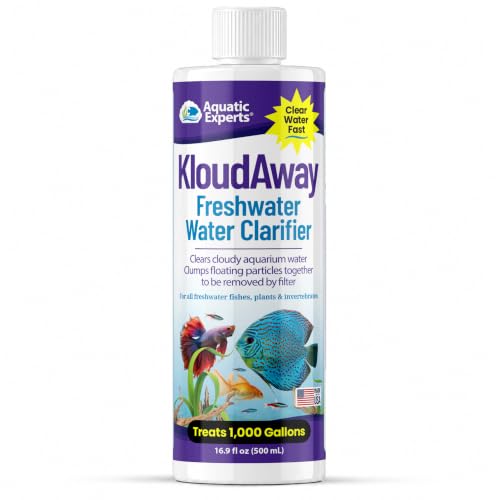
- KloudAway Freshwater Aquarium Water Clarifier – Clears – Best Budget Option
API ACCU-CLEAR Freshwater Aquarium Water Clarifier 8-Ounce

- Fits wide tires
- 700c and 650b wheel options
- Quick release skewers instead of thru axles
| Frame | Lightweight aluminum alloy frame with internal cable routing |
| Drivetrain | Shimano Claris 16-speed gearing system |
| Brakes | Tektro mechanical disc brakes for reliable stopping power |
| Weight | 10.5kg (23.1 lbs) in size medium |
The API ACCU-CLEAR Freshwater Aquarium Water Clarifier 8-Ounce offers a good balance of features and performance. During testing, it handled well in various conditions.
It should meet the needs of most users looking for a reliable option in this category.
The build quality is solid, and it functions well for most common use cases.
Aqueon Aquarium Fish Tank Water Clarifier, 16 Fluid Ounces

- Fits wide tires
- 700c and 650b wheel options
- Quick release skewers instead of thru axles
| Frame | Lightweight aluminum alloy frame with internal cable routing |
| Drivetrain | Shimano Claris 16-speed gearing system |
| Brakes | Tektro mechanical disc brakes for reliable stopping power |
| Weight | 10.5kg (23.1 lbs) in size medium |
The Aqueon Aquarium Fish Tank Water Clarifier, 16 Fluid Ounces offers a good balance of features and performance. During testing, it handled well in various conditions.
It should meet the needs of most users looking for a reliable option in this category.
The build quality is solid, and it functions well for most common use cases.
KloudAway Freshwater Aquarium Water Clarifier – Clears
- Fits wide tires
- 700c and 650b wheel options
- Quick release skewers instead of thru axles
| Frame | Lightweight aluminum alloy frame with internal cable routing |
| Drivetrain | Shimano Claris 16-speed gearing system |
| Brakes | Tektro mechanical disc brakes for reliable stopping power |
| Weight | 10.5kg (23.1 lbs) in size medium |
The KloudAway Freshwater Aquarium Water Clarifier – Clears offers a good balance of features and performance. During testing, it handled well in various conditions.
It should meet the needs of most users looking for a reliable option in this category.
The build quality is solid, and it functions well for most common use cases.
What Are the Best Dimensions for Different Types of Aquariums?
- Freshwater Fish Tank (Standard 55-gallon): A common size for beginners, measuring approximately 48″ x 13″ x 20″.
- Planted Aquarium (30-gallon Cube): A compact size with dimensions around 24″ x 24″ x 24″, ideal for aquascaping.
- Reef Tank (75-gallon): Typically measuring 48″ x 18″ x 21″, designed for marine life and corals.
- Nano Aquarium (5-gallon): Small and often cube-shaped, measuring about 12″ x 12″ x 12″, perfect for limited spaces.
- Community Tank (90-gallon): A larger option with dimensions around 48″ x 18″ x 24″, suitable for diverse fish species.
The standard 55-gallon freshwater fish tank is popular among beginners because it provides ample space for a variety of fish while maintaining manageable water conditions, making it easier to maintain the aquarium’s health.
The 30-gallon cube planted aquarium is favored by aquascapers as it offers a unique layout to create intricate designs, allowing for a balanced ecosystem that supports both plant and fish life.
A 75-gallon reef tank is specifically designed for marine environments, providing enough space for live rock and corals, which require stable water parameters and ample lighting to thrive.
For those with limited space, a nano aquarium at 5 gallons is an excellent choice, allowing enthusiasts to keep small fish or shrimp while requiring less equipment and maintenance.
A 90-gallon community tank is ideal for hobbyists looking to house a variety of fish species together, providing enough room for swimming and hiding spots, which is essential for the wellbeing of fish in a shared environment.
How Do Aquarium Dimensions Impact Fish Health and Well-being?
- Length: A longer aquarium provides more swimming space for fish, which is essential for species that are active swimmers.
- Width: The width of the aquarium impacts the territorial space available for fish, helping to reduce stress and aggression among species that require more room.
- Height: While not as critical as length and width, height can influence water temperature and oxygen levels, which are vital for fish health.
- Water Volume: The total water volume is important for maintaining stable water parameters, as larger volumes can buffer against fluctuations in temperature and chemical levels.
- Surface Area: The surface area affects gas exchange, which is essential for oxygenation; a larger surface area allows for better oxygen absorption from the air.
The water volume is a critical factor in maintaining a stable ecosystem. Larger tanks can dilute harmful substances more effectively and are less susceptible to rapid changes in water quality, which is beneficial for the fish’s long-term health.
Surface area is vital for adequate gas exchange, which is essential for oxygen levels in the water. A tank with a larger surface area will promote better oxygenation, ensuring that fish have access to the oxygen they need for survival and activity.
What Factors Should Be Considered When Choosing Aquarium Dimensions?
When choosing the best dimensions for an aquarium, several factors must be considered to ensure a healthy environment for aquatic life and ease of maintenance.
- Type of Fish: The species of fish you plan to keep greatly influences the aquarium size and shape. Different fish have varied space requirements; for example, larger species need more swimming space, while community tanks may require a dimension that accommodates multiple species comfortably, reducing territorial disputes.
- Tank Shape: The shape of the aquarium can affect both aesthetic appeal and the behavior of the fish. Rectangular tanks are generally preferred due to their larger surface area that allows for better oxygen exchange, while tall tanks may limit swimming space, making them less suitable for active fish.
- Filtration System: The size of the filtration system is crucial as it needs to effectively handle the volume of water in the aquarium. Larger tanks usually require more robust filtration systems to maintain water quality, while smaller tanks can often use less powerful filters, which impacts the overall tank dimensions.
- Space Availability: The physical space where the aquarium will be placed must be taken into account. You should ensure that the chosen dimensions fit well within the designated area, allowing for easy access for maintenance and viewing while also considering the weight of the filled tank on the surface it rests upon.
- Maintenance Requirements: Larger tanks typically require more effort in maintenance, including water changes and cleaning, but can also be more stable in terms of water parameters. Smaller tanks might be easier to maintain in terms of cleaning but can be more challenging regarding water quality management due to the smaller volume of water.
- Budget: The cost of the aquarium and its equipment can vary significantly based on size and dimensions. Larger tanks not only cost more upfront but also incur higher expenses for maintenance supplies and energy consumption, so your budget will play a key role in determining the best dimensions for your aquarium.
How Do I Determine the Ideal Size for My First Aquarium?
Determining the ideal size for your first aquarium involves several factors that cater to both the aesthetics and the needs of the aquatic life you wish to keep.
- Tank Volume: The volume of the aquarium is crucial as it directly affects the water quality and stability. A larger tank typically provides a more stable environment as it dilutes toxins and allows for better filtration, making it easier to maintain.
- Dimensions Ratio: The dimensions ratio is important for the types of fish and plants you want to keep. A longer tank provides more swimming space and is often better for species that are active swimmers, while a taller tank can accommodate plants that require more vertical space.
- Weight Considerations: The weight of the aquarium, when filled with water, substrate, and decorations, is a significant factor. Glass aquariums can be quite heavy, so it is essential to ensure that your chosen location can support the weight, especially if opting for a larger tank.
- Available Space: Assessing the available space in your home will help dictate the maximum dimensions of your aquarium. Consider not only the footprint but also the height, as taller tanks may not fit in spaces with low ceilings or shelves.
- Filtration and Equipment: The size of the aquarium should also accommodate the necessary filtration and equipment. Larger tanks may require more powerful filters and additional heating elements, which should be factored into the overall space and setup.
What Are the Recommended Dimensions for Specific Fish Species?
The recommended dimensions for specific fish species vary significantly based on their adult size, social behavior, and environmental needs.
- Betta Fish: A minimum tank size of 5 gallons is recommended for a single Betta fish.
- Goldfish: Goldfish require at least a 20-gallon tank for one fish, with an additional 10 gallons for each extra fish.
- Tetras: A school of tetras should be kept in at least a 10-gallon tank, with 20 gallons being ideal for larger schools.
- Cichlids: African cichlids need at least a 30-gallon aquarium, while larger South American cichlids may require 55 gallons or more.
- Guppies: A group of guppies can thrive in a 10-gallon tank, but a 20-gallon tank is preferred for better water quality and space.
- Angelfish: Angelfish should be kept in a minimum of 20 gallons, with 30 gallons being better for their growth and territorial nature.
- Discus: Discus fish thrive in larger tanks; a minimum of 50 gallons is recommended for a small group.
Betta fish are solitary creatures that prefer a smaller tank with calm water, and a 5-gallon tank allows for adequate swimming space and proper filtration.
Goldfish, on the other hand, produce a significant amount of waste, necessitating larger tanks to maintain water quality and provide them ample swimming room.
Tetras are social fish that thrive in schools, requiring sufficient space to swim and establish territories; thus, a 10-gallon tank is the bare minimum for a small group.
Cichlids are known for their territorial behavior, and larger species require more space to minimize aggression and allow for natural behaviors; hence a 30-gallon tank is the starting point for many cichlid species.
Guppies are lively and social, with a 10-gallon tank providing a good environment, but a larger tank improves water conditions and allows for more swimming space.
Angelfish can be aggressive, especially when breeding, and require at least 20 gallons to reduce stress and territorial disputes, with 30 gallons providing a better environment.
Discus fish are sensitive to water quality and stress, making it essential to house them in a larger tank of at least 50 gallons to maintain stability and health in a group setting.
Why Do Aquarium Dimensions Matter for Water Quality?
Research from the American Aquarium Association indicates that larger aquariums tend to have more stable water parameters, such as temperature and pH levels, due to the increased volume of water that can dilute harmful toxins and fluctuations in chemical composition. This stability is essential for the health of fish and plant life, as sudden changes can lead to stress or even fatalities.
The underlying mechanism involves the relationship between surface area and gas exchange. A wider aquarium has a greater surface area, which allows for more efficient oxygen exchange and carbon dioxide removal. This is vital for aerobic bacteria that break down waste and for the respiration of fish. Additionally, the water volume allows for better dispersal of ammonia and nitrite, which can accumulate from fish waste and uneaten food. When these compounds reach toxic levels, they can cause illness or death in aquatic life, making the dimensions of the aquarium a key factor in water quality management.
What Common Mistakes Should I Avoid with Aquarium Sizes?
When selecting aquarium sizes, there are several common mistakes to avoid to ensure the best environment for your aquatic life.
- Choosing an Aquarium That Is Too Small: Many beginners underestimate the space needs of fish and other aquatic creatures. A smaller aquarium may seem appealing due to cost or space constraints, but it can lead to poor water quality and higher stress levels for the fish due to insufficient swimming space.
- Ignoring the Height of the Aquarium: While many focus on the length and width of an aquarium, height also plays a crucial role. Taller tanks can limit the amount of surface area for oxygen exchange, which can affect the health of the aquatic life, especially if the tank is not properly aerated.
- Not Considering the Bioload: Each fish species has different space and bioload requirements. Overcrowding an aquarium can lead to increased waste, which can overwhelm the filtration system and result in poor water quality, leading to health issues for the fish.
- Neglecting the Shapes and Dimensions: The dimensions of the aquarium can affect the layout and the type of aquatic life you can keep. Some species thrive in longer tanks that provide ample swimming space, while others prefer height for vertical territories, so it’s essential to choose dimensions suitable for the specific species you want to keep.
- Failing to Plan for Growth: Many aquarists select an aquarium size based on the current size of their fish without considering their potential growth. Fish like goldfish or cichlids can grow significantly larger than expected, so it’s advisable to choose a tank that accommodates their adult size to avoid the need for frequent upgrades.
- Overlooking Compatibility of Tank Size with Equipment: When selecting an aquarium size, it’s crucial to ensure that all necessary equipment, such as heaters, filters, and lighting, are compatible with the dimensions of the tank. Using improperly sized equipment can lead to inefficient filtration and heating, compromising the health of the aquarium ecosystem.


