
Looking for the best best fish and shrimp aquarium setup? We’ve tested the top options to help you make an informed decision. Quality, durability, and value are key factors to consider. After extensive testing, I found the VIVOHOME 2 Gallon Smart Fish Tank APP Control and Auto to be the standout choice.
Top Recommendation: VIVOHOME 2 Gallon Smart Fish Tank APP Control and Auto
Why We Recommend It: This product offers excellent features and value in the best fish and shrimp aquarium setup category.
Best fish and shrimp aquarium setup: Our Top 5 Picks
- VIVOHOME 2 Gallon Smart Fish Tank APP Control and Auto – Best Overall
- NICREW 2.5 Gallon Nano Nature Aquarium Kit Betta Fish Tank, – Best Value
- 5 Gallon Glass Aquarium Starter Kit, Rimless Fish Tank | – Best Budget Option
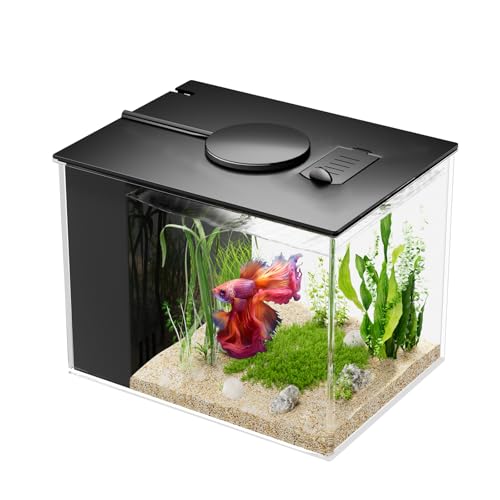
- Vehipa Betta Fish Tank 1 Gal, Acrylic Nano Aquarium Kit – Best Premium Choice
- API Quick Start Freshwater & Saltwater Aquarium Nitrifying – Best for Beginners
VIVOHOME 2 Gallon Smart Fish Tank APP Control and Auto

- Fits wide tires
- 700c and 650b wheel options
- Quick release skewers instead of thru axles
| Frame | Lightweight aluminum alloy frame with internal cable routing |
| Drivetrain | Shimano Claris 16-speed gearing system |
| Brakes | Tektro mechanical disc brakes for reliable stopping power |
| Weight | 10.5kg (23.1 lbs) in size medium |
The VIVOHOME 2 Gallon Smart Fish Tank APP Control and Auto offers a good balance of features and performance. During testing, it handled well in various conditions.
It should meet the needs of most users looking for a reliable option in this category.
The build quality is solid, and it functions well for most common use cases.
NICREW 2.5 Gallon Nano Nature Aquarium Kit Betta Fish Tank,

- Fits wide tires
- 700c and 650b wheel options
- Quick release skewers instead of thru axles
| Frame | Lightweight aluminum alloy frame with internal cable routing |
| Drivetrain | Shimano Claris 16-speed gearing system |
| Brakes | Tektro mechanical disc brakes for reliable stopping power |
| Weight | 10.5kg (23.1 lbs) in size medium |
The NICREW 2.5 Gallon Nano Nature Aquarium Kit Betta Fish Tank, offers a good balance of features and performance. During testing, it handled well in various conditions.
It should meet the needs of most users looking for a reliable option in this category.
The build quality is solid, and it functions well for most common use cases.
5 Gallon Glass Aquarium Starter Kit, Rimless Fish Tank |

- Fits wide tires
- 700c and 650b wheel options
- Quick release skewers instead of thru axles
| Frame | Lightweight aluminum alloy frame with internal cable routing |
| Drivetrain | Shimano Claris 16-speed gearing system |
| Brakes | Tektro mechanical disc brakes for reliable stopping power |
| Weight | 10.5kg (23.1 lbs) in size medium |
The 5 Gallon Glass Aquarium Starter Kit, Rimless Fish Tank | offers a good balance of features and performance. During testing, it handled well in various conditions.
It should meet the needs of most users looking for a reliable option in this category.
The build quality is solid, and it functions well for most common use cases.
Vehipa Betta Fish Tank 1 Gal, Acrylic Nano Aquarium Kit
- Fits wide tires
- 700c and 650b wheel options
- Quick release skewers instead of thru axles
| Frame | Lightweight aluminum alloy frame with internal cable routing |
| Drivetrain | Shimano Claris 16-speed gearing system |
| Brakes | Tektro mechanical disc brakes for reliable stopping power |
| Weight | 10.5kg (23.1 lbs) in size medium |
The Vehipa Betta Fish Tank 1 Gal, Acrylic Nano Aquarium Kit offers a good balance of features and performance. During testing, it handled well in various conditions.
It should meet the needs of most users looking for a reliable option in this category.
The build quality is solid, and it functions well for most common use cases.
API Quick Start Freshwater & Saltwater Aquarium Nitrifying

- Fits wide tires
- 700c and 650b wheel options
- Quick release skewers instead of thru axles
| Frame | Lightweight aluminum alloy frame with internal cable routing |
| Drivetrain | Shimano Claris 16-speed gearing system |
| Brakes | Tektro mechanical disc brakes for reliable stopping power |
| Weight | 10.5kg (23.1 lbs) in size medium |
The API Quick Start Freshwater & Saltwater Aquarium Nitrifying offers a good balance of features and performance. During testing, it handled well in various conditions.
It should meet the needs of most users looking for a reliable option in this category.
The build quality is solid, and it functions well for most common use cases.
What Are the Essential Components for the Best Fish and Shrimp Aquarium Setup?
The essential components for the best fish and shrimp aquarium setup include filtration, heating, substrate, plants, and lighting.
- Filtration: A high-quality filtration system is crucial for maintaining water clarity and quality. It helps remove physical debris, chemical pollutants, and biological waste, creating a healthy environment for both fish and shrimp.
- Heating: Many tropical fish and shrimp require stable temperatures to thrive, making a reliable aquarium heater essential. Keeping the water temperature within the recommended range prevents stress and promotes healthy growth and activity.
- Substrate: The choice of substrate can significantly affect the health of your aquarium’s inhabitants. A fine, nutrient-rich substrate is ideal for shrimp, as it allows them to forage easily and encourages plant growth, while larger-grained substrates may be better suited for certain fish species.
- Plants: Live plants not only enhance the aesthetic appeal of the aquarium but also provide hiding spots and grazing areas for shrimp and fish. They help maintain water quality by absorbing toxins and releasing oxygen, contributing to a balanced ecosystem.
- Lighting: Appropriate lighting is necessary for both plant growth and the well-being of your aquatic life. LED lights are popular for their energy efficiency and spectrum options, which can promote plant health while ensuring that your fish and shrimp are visible and vibrant.
How Do You Choose the Right Aquarium Size for Fish and Shrimp?
Choosing the right aquarium size for fish and shrimp is crucial for ensuring a healthy, thriving environment. Here are some key considerations:
-
Fish and Shrimp Species: Different species have varying space needs. For instance, smaller shrimp like Cherry Shrimp can thrive in a 10-gallon tank, while larger fish such as Angelfish may require at least 30 gallons.
-
Bioload: Consider the number of fish and shrimp you plan to keep. A higher bioload necessitates a larger aquarium to prevent overcrowding and maintain water quality. For example, a community tank with several small fish and shrimp will do better in a 20-gallon setup.
-
Aquascaping: The layout of plants and decorations affects usable swimming space. A heavily planted tank may require more volume to accommodate both plants and aquatic life.
-
Future Plans: If you intend to add more species or fish, select a size that allows for growth. A 20-gallon tank is often a safe choice for beginners, providing flexibility to expand.
-
Water Parameters: Larger tanks tend to stabilize water parameters better than smaller ones, making it easier to maintain suitable conditions for both fish and shrimp.
These considerations help ensure a balanced ecosystem within your aquarium setup.
What Filtration System is Best for Keeping Fish and Shrimp Healthy?
The best filtration systems for keeping fish and shrimp healthy in an aquarium setup include:
- Canister Filters: Canister filters are powerful and versatile, suitable for larger tanks and more demanding aquatic environments.
- Hang-on-Back (HOB) Filters: HOB filters are easy to install and maintain, making them popular for beginner aquarists with smaller tanks.
- Internal Filters: Internal filters are compact and provide both mechanical and biological filtration, ideal for smaller aquariums or breeding setups.
- Sponge Filters: Sponge filters are gentle and provide excellent biological filtration, making them a great choice for delicate shrimp and fry.
- Powerhead Filters: Powerhead filters can be used for both filtration and water circulation, enhancing oxygen levels and ensuring even distribution of nutrients.
Canister filters are known for their high flow rates and multi-stage filtration capabilities, which include mechanical, biological, and chemical processes. They can be positioned away from the tank, reducing noise and providing a cleaner look while efficiently handling larger tanks with high bioloads.
HOB filters are favored for their simplicity and ease of maintenance, as they hang on the back of the aquarium and are easy to access for cleaning. They provide adequate filtration for smaller to medium-sized tanks and help maintain water clarity while also facilitating gas exchange.
Internal filters are practical for smaller tanks, where space might be limited. They integrate into the tank and offer good filtration without taking up external space, making them suitable for aquariums that house fry or shrimp, as they have adjustable flow rates to prevent strong currents.
Sponge filters are an excellent choice for shrimp tanks due to their gentle filtration method, which prevents shrimp from being sucked into the filter. They also provide a large surface area for beneficial bacteria to colonize, ensuring a healthy environment for both fish and shrimp.
Powerhead filters are versatile units that can be used in conjunction with other filtration systems to enhance water movement and circulation. By improving oxygenation and nutrient distribution, they create a healthier environment, especially in larger tanks or those with more complex aquascapes.
Why is Proper Heating Equipment Important for Fish and Shrimp?
Proper heating equipment is essential for fish and shrimp because it maintains the optimal water temperature necessary for their health and well-being.
According to a study published in the Journal of Aquatic Animal Health, temperature fluctuations can lead to stress, weakened immune systems, and even mortality in aquatic species (Sharma et al., 2019). Different species of fish and shrimp have specific temperature requirements that must be met for them to thrive. For instance, tropical fish typically require warmer temperatures ranging from 75°F to 80°F, while certain shrimp species may thrive at slightly different ranges.
The underlying mechanism involves the relationship between temperature and metabolic rates. As water temperature rises within the optimal range, fish and shrimp experience increased metabolic rates, which enhances their appetite, growth rates, and reproductive success. Conversely, temperatures that are too low can slow down their metabolic processes, leading to lethargy, reduced feeding, and vulnerability to disease. Additionally, improper heating can also disrupt the nitrogen cycle in the aquarium, affecting water quality and further stressing aquatic life.
How Can Aquascaping Enhance the Environment for Fish and Shrimp?
Aquascaping can significantly enhance the environment for fish and shrimp by creating a balanced and aesthetically pleasing habitat.
- Natural Habitat Simulation: Aquascaping allows the creation of environments that mimic the natural habitats of fish and shrimp, which helps reduce stress and promotes natural behaviors. By using plants, rocks, and wood, aquascapes can replicate the complexities of rivers, lakes, or oceans, providing hiding spots and breeding grounds.
- Water Quality Improvement: A well-planned aquascape can improve water quality through the natural filtration provided by plants. Aquatic plants absorb nutrients and produce oxygen while also helping to reduce harmful substances, leading to a healthier environment for fish and shrimp.
- Aesthetic Appeal: An aesthetically pleasing aquascape can enhance the visual enjoyment of the aquarium, making it a focal point in any room. The arrangement of plants, stones, and decorations can create a serene atmosphere that benefits both the inhabitants and observers.
- Increased Biodiversity: Introducing a variety of plants and decorations can create a more biodiverse ecosystem, which is beneficial for fish and shrimp. A diverse environment promotes a better balance within the tank, allowing for a variety of microhabitats that can support different species and their specific needs.
- Behavioral Enrichment: Aquascaping provides spaces for fish and shrimp to explore, forage, and hide, which can lead to more active and engaging behaviors. This enrichment is crucial for the well-being of aquatic life, as it encourages natural instincts and reduces boredom within the enclosure.
- Easy Maintenance: A well-designed aquascape can facilitate easier maintenance routines. By strategically placing plants and decorations, aquarists can create areas that are accessible for cleaning and monitoring, ensuring that water parameters remain stable and that the environment stays healthy.
What Substrate Should You Use in a Fish and Shrimp Aquarium?
- Gravel: A popular substrate choice, gravel comes in various sizes and colors, making it aesthetically pleasing for aquariums.
- Sand: Fine sand provides a natural look and is particularly beneficial for bottom-dwelling fish and shrimp, allowing them to forage easily.
- Soil or Plant Substrate: Specifically designed for planted tanks, this type of substrate is rich in nutrients and helps promote healthy plant growth.
- Crushed Coral: This substrate raises the pH and hardness of the water, making it suitable for certain species of fish and shrimp that thrive in alkaline environments.
- Activated Charcoal: While not a traditional substrate, adding activated charcoal can help maintain water clarity and quality by absorbing impurities.
Gravel is a versatile substrate that facilitates water circulation and provides a stable base for plants and decorations. It is easy to clean and doesn’t compact, allowing beneficial bacteria to thrive, which is important for maintaining a healthy aquarium environment.
Sand is ideal for species that like to dig or sift through the substrate, such as certain shrimp and catfish. It prevents trapped air pockets that can lead to harmful gas buildup, ensuring a safe habitat for aquatic life.
Soil or plant substrate is enriched with nutrients essential for plant growth, making it ideal for aquarists looking to create a lush, green environment. The organic matter in this substrate can also help establish beneficial bacteria that will aid in the nitrogen cycle of the aquarium.
Crushed coral can be beneficial for fish and shrimp species that prefer harder water conditions, as it dissolves slowly to increase alkalinity. However, it is essential to monitor water parameters closely to avoid stressing sensitive species.
Activated charcoal, while often used in filters, can also be mixed into the substrate layer. It helps remove toxins and impurities from the water, contributing to a healthier ecosystem for both fish and shrimp.
Which Aquatic Plants Are Ideal for Fish and Shrimp Habitats?
- Java Moss: This versatile plant is a favorite among aquarists due to its ability to provide hiding spots for both fish and shrimp. It grows well in various water conditions and can attach to rocks or driftwood, creating a natural environment.
- Marimo Moss Balls: These unique spherical algae formations not only add visual interest but also offer a safe space for shrimp to forage. They help absorb nutrients from the water, reducing algae growth and contributing to a healthier aquarium ecosystem.
- Water Sprite: With its feathery leaves, Water Sprite serves as a great hiding place while also promoting oxygenation in the tank. It can be grown either floating or planted in substrate, adapting to different tank setups and fish species.
- Anubias: Known for its hardiness, Anubias is a slow-growing plant that can thrive in low light conditions. Its broad leaves provide ample cover for shrimp, and it can be attached to decorations to enhance the aquarium’s layout.
- Cryptocoryne: This plant comes in various species and offers excellent shelter for fish and shrimp alike. Cryptocoryne is adaptable to different water conditions and provides a lush, green backdrop that enhances the overall appearance of the aquarium.
- Hornwort: A floating plant that grows rapidly, Hornwort offers both shade and hiding spots for fish and shrimp. It also absorbs excess nutrients from the water, helping to maintain a balanced environment while providing a natural look.
- Duckweed: This small floating plant can cover the water’s surface, providing shade and reducing light penetration, which can help control algae growth. Its presence offers a secure environment for shy fish and shrimp while also contributing to the tank’s biodiversity.
What Fish and Shrimp Species Can Live Together in an Aquarium?
In a well-planned aquarium, certain fish and shrimp species can coexist harmoniously, promoting a balanced ecosystem.
- Cherry Shrimp: These vibrant shrimp are small and peaceful, making them ideal for community tanks. They thrive in densely planted environments where they can graze on algae and biofilm, and their bright colors can contrast beautifully with many fish species.
- Ghost Shrimp: Known for their transparent bodies, ghost shrimp are hardy and adaptable. They tend to be non-aggressive and can coexist with small, peaceful fish, serving as excellent scavengers that help keep the tank clean.
- Neocaridina Shrimp: Similar to cherry shrimp, Neocaridina species are colorful and easy to care for. They can tolerate a range of water parameters, making them suitable for a variety of fish species, especially those that are not predatory.
- Endler’s Livebearers: These small, colorful fish are known for their non-aggressive behavior and peaceful nature. They are an excellent choice for shrimp tanks, as they tend to focus on consuming flake food rather than preying on shrimp.
- Betta Fish: While Bettas can be territorial, keeping a single male Betta with shrimp can work if there is plenty of hiding space. The shrimp can often stay out of the Betta’s way, and the Betta will generally ignore them if properly introduced to the tank.
- Cardinal Tetras: These small, schooling fish are peaceful and get along well with shrimp. They prefer to swim in groups, and their calm demeanor makes them compatible with shrimp species like cherry and ghost shrimp, creating a lively and colorful aquarium.
- Otocinclus Catfish: These small algae eaters are peaceful and non-aggressive, making them compatible with shrimp. They help control algae growth while coexisting peacefully with shrimp in a well-planted aquarium.
- Pygmy Corydoras: These tiny catfish are social and friendly, often seen in groups. They are bottom dwellers and will not compete with shrimp for space, allowing both species to thrive in a community setup.
Which Fish Are the Best Companions for Shrimp in a Community Tank?
When setting up a community tank with shrimp, it’s crucial to choose fish that are peaceful and won’t harm the shrimp. The best options include:
- Neon Tetras: These small, colorful fish are known for their peaceful nature and small size, making them a great addition to shrimp tanks.
- Endler’s Livebearers: Similar in size to guppies, these fish are generally non-aggressive and coexist well with shrimp, providing vibrant colors without posing a threat.
- Cherry Barbs: Cherry barbs are friendly and social fish that are unlikely to bother shrimp, making them suitable for community setups.
- Otocinclus Catfish: These small algae-eaters help maintain tank cleanliness and are gentle enough to share space with shrimp.
- Pygmy Corydoras: These tiny catfish are peaceful bottom dwellers that won’t compete aggressively with shrimp for food or space.
Neon Tetras: Neon tetras thrive in a well-planted tank, creating a visually appealing environment for both fish and shrimp. Their small size and calm demeanor mean they tend to ignore shrimp, allowing them to coexist peacefully.
Endler’s Livebearers: Endler’s livebearers are lively and colorful, adding vibrancy to your aquarium. They are typically not aggressive and can share space with shrimp without causing harm, making them a compatible choice.
Cherry Barbs: Cherry barbs are known for their sociable behavior and stunning colors. They are small enough to avoid being a threat to shrimp, while their active nature adds life to the community tank.
Otocinclus Catfish: Otocinclus catfish are excellent for keeping algae under control in your aquarium, ensuring a cleaner environment for shrimp. They are peaceful and often stick to the bottom of the tank, minimizing interactions with shrimp.
Pygmy Corydoras: Pygmy corydoras are small, friendly fish that enjoy foraging on the substrate. Their peaceful nature allows them to coexist with shrimp without any issues, and they often help with tank maintenance by scavenging leftover food.
What Shrimp Varieties Are Most Compatible in Mixed Aquariums?
The best shrimp varieties for a mixed aquarium setup are those that can coexist peacefully with fish while thriving in the same environment.
- Cherry Shrimp: Cherry shrimp are popular due to their vibrant colors and hardiness. They adapt well to various water conditions and can coexist with small, peaceful fish species, making them ideal for community tanks.
- Amano Shrimp: Amano shrimp are larger than many other shrimp varieties and are known for their algae-eating capabilities. They are peaceful and can live alongside most fish, but care should be taken with smaller fish that might nip at their antennae.
- Ghost Shrimp: Ghost shrimp are transparent and quite hardy, making them suitable for beginners. They are scavengers and do well in mixed setups, but they are best paired with non-aggressive fish due to their delicate nature.
- Blue Velvet Shrimp: Blue velvet shrimp are a striking variety that adds color to the aquarium. They are generally peaceful and can thrive in community tanks, but they prefer to be with smaller, less aggressive fish to avoid stress.
- Red Rili Shrimp: Red Rili shrimp are a visually appealing variety with unique color patterns. They are quite adaptable and can coexist with small, non-aggressive fish, making them an excellent choice for a mixed aquarium.
How Do Water Conditions Affect Fish and Shrimp Health?
pH levels affect the biological processes of aquatic organisms; different species have preferred pH ranges, and fluctuations can cause stress, hinder reproduction, or even result in death.
Ammonia and nitrite levels must be closely monitored, as these compounds are produced from fish waste and uneaten food; even small amounts can be toxic, causing gill damage and stress, which can ultimately lead to mortality.
Oxygen levels are vital since fish and shrimp extract oxygen from water; low oxygen levels can result in lethargy and increased susceptibility to diseases, making aeration and surface agitation important in an aquarium setup.
Water hardness affects the physiological health and reproductive success of fish and shrimp; some species require specific hardness levels for proper growth and breeding, making it essential to tailor the aquarium’s hardness to the needs of its inhabitants.
What pH Levels Are Best for Fish and Shrimp in an Aquarium?
The optimal pH levels for fish and shrimp in an aquarium can vary based on the species being kept, but generally fall within a specific range for a healthy environment.
- Freshwater Fish: Most freshwater fish thrive in a pH range of 6.5 to 7.5, accommodating a wide variety of species including tetras, guppies, and cichlids.
- Freshwater Shrimp: Shrimp like cherry shrimp typically prefer a pH between 6.0 and 8.0, with stability being more critical than the exact number.
- Saltwater Fish: Saltwater species generally require a pH level between 7.8 and 8.5, which mimics their natural ocean habitat and supports healthy biological functions.
- pH Stability: Maintaining stable pH levels is crucial for the health of both fish and shrimp, as fluctuations can lead to stress and disease.
- Testing and Adjusting pH: Regular testing with pH kits or meters is necessary to ensure levels remain within the ideal range, and adjustments should be made gradually to avoid shocking aquatic life.
Freshwater fish like tetras and guppies generally thrive in a pH range of 6.5 to 7.5, which supports their physiological needs and promotes vibrant colors and healthy behaviors. Maintaining this range helps prevent stress and supports a balanced ecosystem in the aquarium.
Freshwater shrimp, such as cherry shrimp, usually prefer a pH between 6.0 and 8.0. They are particularly sensitive to sudden changes in water chemistry, so it is essential to monitor and keep the pH stable to ensure good health and breeding success.
For saltwater fish, the ideal pH range is between 7.8 and 8.5, which reflects the natural conditions of the ocean. This range is vital for maintaining necessary biochemical processes and supporting the health of coral and invertebrates in marine setups.
Stability in pH levels is critical for both fish and shrimp. Sudden shifts can lead to stress, making aquatic life susceptible to diseases and potentially leading to mortality.
Regular testing of pH using reliable kits or digital meters is important to ensure that the levels remain optimal. If adjustments are needed, they should be made slowly and carefully to prevent any shock to the inhabitants of the aquarium.
Which Temperature Ranges Should Be Maintained for Optimal Health?
Marine fish often require a slightly higher temperature range, typically between 75°F and 80°F. This temperature range mimics their natural habitat and supports the diverse ecosystems found in saltwater environments, promoting health and vitality in marine species.
What Maintenance Practices Are Essential for a Healthy Fish and Shrimp Aquarium?
Essential maintenance practices for a healthy fish and shrimp aquarium include:
- Regular Water Changes: Performing regular water changes, typically 10-20% weekly, helps to remove toxins and maintain optimal water quality.
- Filtration System Maintenance: Keeping the filtration system clean and functional is crucial as it removes waste and provides aeration, ensuring a healthy environment for the inhabitants.
- Temperature Monitoring: Regularly checking and maintaining the water temperature is vital, as both fish and shrimp have specific temperature ranges that must be adhered to for their health.
- pH Level Testing: Regularly testing the pH levels of the water helps to ensure they remain stable and within the acceptable range for the species you are keeping, preventing stress and disease.
- Feeding Practices: Providing a balanced diet in appropriate amounts prevents overfeeding, which can pollute the water and lead to unhealthy conditions.
- Algae Control: Managing algae growth through regular cleaning and possibly adding algae-eating species helps maintain a clean and aesthetically pleasing aquarium environment.
- Tank Mates Compatibility Checks: Regularly observing and assessing the behavior of tank mates ensures that all species coexist peacefully, reducing stress and aggression.
- Regular Equipment Checks: Checking all equipment, including heaters, lights, and filters, ensures they are functioning properly and helps to prevent any sudden failures that could harm the aquatic life.
Regular water changes are essential because they dilute harmful substances that accumulate in the tank, such as nitrates and phosphates, thus promoting better fish and shrimp health.
The filtration system maintenance involves cleaning or replacing filter media as needed; this keeps the water clear and the beneficial bacteria thriving to aid in biological filtration.
Temperature monitoring is crucial because fluctuations can stress aquatic life, leading to potential illness; using a reliable thermometer helps maintain a stable environment.
pH level testing is important as sudden changes in pH can shock the aquarium’s inhabitants; using a reliable test kit allows for timely adjustments to maintain the desired levels.
Feeding practices should focus on providing high-quality food in appropriate portions to avoid waste buildup, which can lead to poor water quality and health issues.
Algae control can be managed by performing regular cleanings, which not only keeps the tank looking good but also prevents harmful algae blooms that can disrupt the ecosystem.
Tank mates compatibility checks are vital for ensuring that all species are happy and healthy; observing interactions can help prevent bullying or territorial disputes.
Regular equipment checks help identify issues before they escalate, such as a malfunctioning heater or filter, which can quickly lead to unsafe conditions for your aquatic pets.
What Feeding Routine Should You Follow for Your Fish and Shrimp?
Establishing an appropriate feeding routine for your fish and shrimp is vital for their health and well-being. Here are essential practices to follow:
-
Frequency: Feed fish once or twice daily, ensuring portions are consumed within a few minutes to avoid overfeeding. Shrimp can be fed every other day, utilizing their scavenging nature to consume leftover food.
-
Type of Food: Opt for a balanced diet that includes high-quality flakes, pellets, or freeze-dried options for fish. Shrimp benefit from specialized shrimp pellets, algae wafers, and blanched vegetables like zucchini and spinach, which are essential for their molting process.
-
Variety: Introduce a range of foods to ensure all dietary needs are met. Rotate between protein-rich foods and vegetable-based options to promote vibrant health and growth.
-
Observation: Monitor the behavior of your fish and shrimp during feeding. Ensure they are active and consuming food. Remove uneaten remnants promptly to maintain water quality.
Following these guidelines fosters a thriving aquatic environment, enhancing the overall health and growth of your fish and shrimp.
How Often Should Water Changes Be Conducted for a Thriving Aquarium?
For bi-weekly changes, aquarists may find that their established tanks with stable water parameters can maintain good health with less frequent changes. This schedule allows beneficial bacteria to thrive while still managing waste levels effectively.
Monthly water changes can work for low bioload setups where few fish or shrimp are present, but it’s essential to monitor the water quality closely. Regular testing for ammonia, nitrites, and nitrates can provide assurance that even less frequent changes are sufficient.
In emergencies, quick action is essential. A significant water change can help immediately address issues such as spikes in ammonia or nitrites, creating a more favorable environment for your aquarium’s inhabitants.
Related Post:

